REVIEW · SEOUL
Seoul: Cooking Class and Tour with Michelin-Trained Chef
Book on GetYourGuide →Operated by Connecting Mangwon · Bookable on GetYourGuide
Seoul can be a lot at first. But this hands-on Jeon class turns the city into something you can actually taste, starting with a guided Mangwon Market ingredient hunt. You get a small-group format (up to 8 people), an English-speaking guide, and a former Michelin-trained chef who helps you cook, not just watch.
I especially like the way the market portion feels practical: you learn what to look for, then you taste street foods along the way. The second thing I love is the kitchen coaching, including step-by-step instructions and even help with basic knife handling, so you can keep up even if you are not a confident cook.
One thing to consider: transportation isn’t included, so you’ll want to arrive on time at Mangwon Station Exit 2. The rest runs smoothly, and everything you need for the market stop and cooking class is provided.
In This Review
- Key things to know before you go
- Mangwon Station Exit 2: where the experience actually begins
- Mangwon Market with chef-style guidance
- Street food tastings that teach you how to shop
- From market to kitchen: making Korean Jeon with confidence
- Korean soup and side dishes: the meal isn’t just the pancakes
- Makgeolli pairing: tasting tradition with what you made
- Chef Pano and the small-group chat that feels personal
- The knife tips and pacing that make the class feel doable
- Commemorative photo shoot: a fun way to close the loop
- Price and value: what $83 gets you in real terms
- Who should book this Seoul cooking class
- Quick notes on allergies and dietary changes
- Should you book this Cooking Class and Tour?
- FAQ
- How long is the cooking class and market tour?
- How much does it cost?
- Where do I meet the guide?
- Is transportation to and from the meeting point included?
- Do I need to bring ingredients or cooking supplies?
- What will I cook and eat?
- Is the tour guide in English?
- Can the tour accommodate food allergies?
- Is there free cancellation?
- Is reserve & pay later available?
Key things to know before you go
- Mangwon Market ingredient shopping with a guide and street-food tastings
- Jeon cooking with step-by-step support, including knife technique tips
- Chef Pano’s Michelin background plus time to chat with you and answer questions
- Makgeolli with what you cook, alongside Korean soup and side dishes
- Small group size (max 8), which makes it easier to get personal attention
- Commemorative photo shoot so you leave with a souvenir beyond the meal
Mangwon Station Exit 2: where the experience actually begins
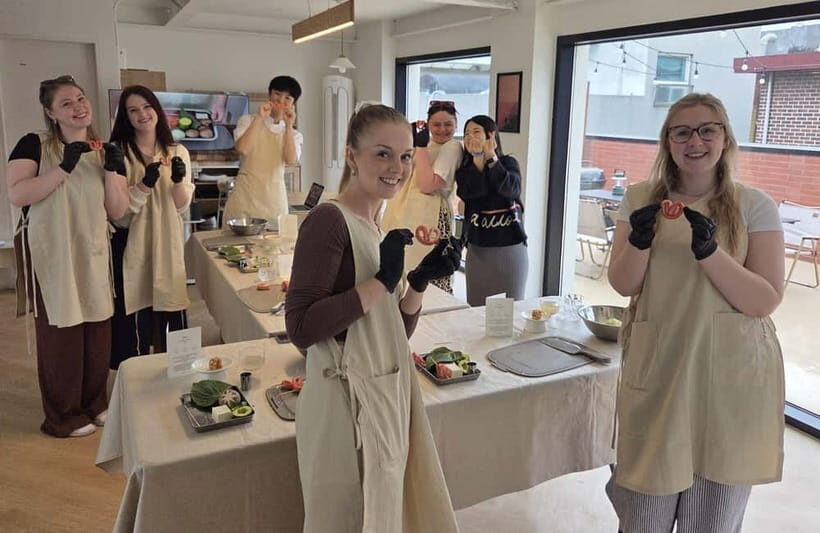
Your tour starts at a clear, easy-to-find spot: the Connecting Mangwon sign in front of Mangwon Station Exit 2 (Subway Line 6). This matters because the whole rhythm of the class depends on getting you from the market to the kitchen at the right pace.
Because transportation to and from the meeting point isn’t included, I suggest planning your arrival like you would for a cooking appointment. If you’re coming by subway, give yourself a few extra minutes to walk up to the exit and spot the sign.
You can also read our reviews of more cooking classes in Seoul
Mangwon Market with chef-style guidance
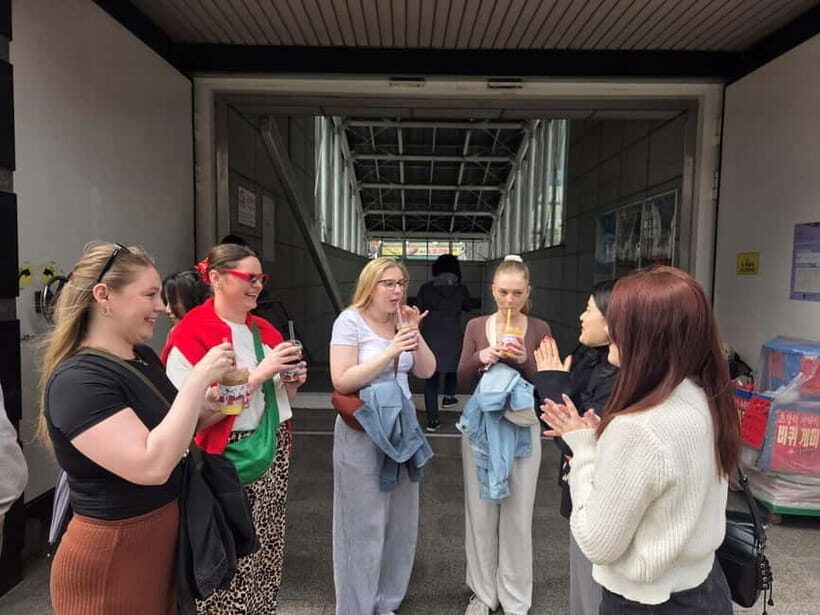
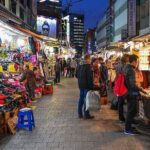
Mangwon Market is where the experience turns from educational to hands-on. You don’t just stroll and look—you shop for ingredients with your guide, then you taste Korean street foods as you go. That tasting part is useful. It gives you reference points before you start cooking, so you understand what flavors you’re aiming for later in the kitchen.
Your guide also lays out what you’ll be making and how market choices connect to the final result. That means the ingredients don’t feel random. You learn why certain items show up in Korean cooking and how they behave when cooked.
The English commentary helps you follow along without feeling lost. If you’ve ever been stuck translating food names while others know what they are doing, you’ll likely appreciate this setup.
Street food tastings that teach you how to shop
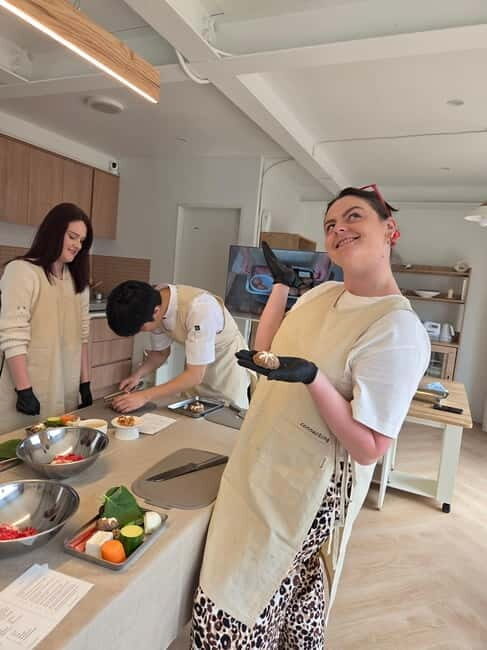
A market tour can be fun, but only some of them actually teach you something you can reuse. This one does.
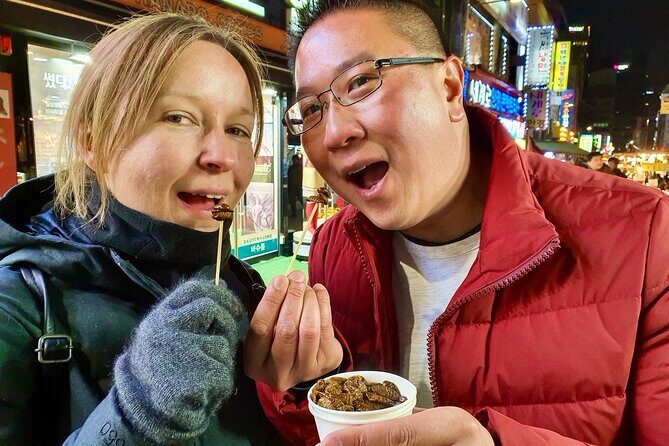
As you walk Mangwon Market, you’ll taste foods that match the kinds of ingredients and flavors you’ll later use in your Jeon and meal. I like that connection because it makes the market feel like part one of the same lesson instead of a separate outing.
Also, the guide’s explanations help you notice small details—texture, aroma, and how ingredients are commonly paired. Even if you don’t cook often at home, you’ll likely come away with a better sense of how Korean street food differs from what you might expect from a menu.
One more practical point: the experience includes everything you need for the market portion. That removes the guesswork, especially when you’re trying street food for the first time.
From market to kitchen: making Korean Jeon with confidence
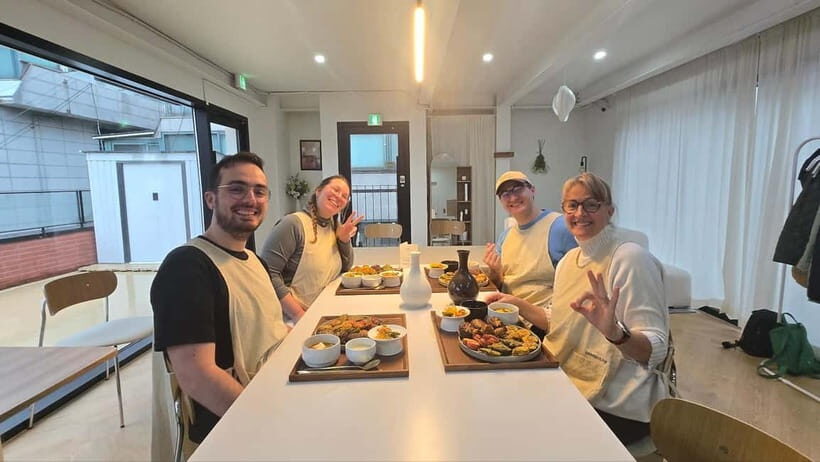
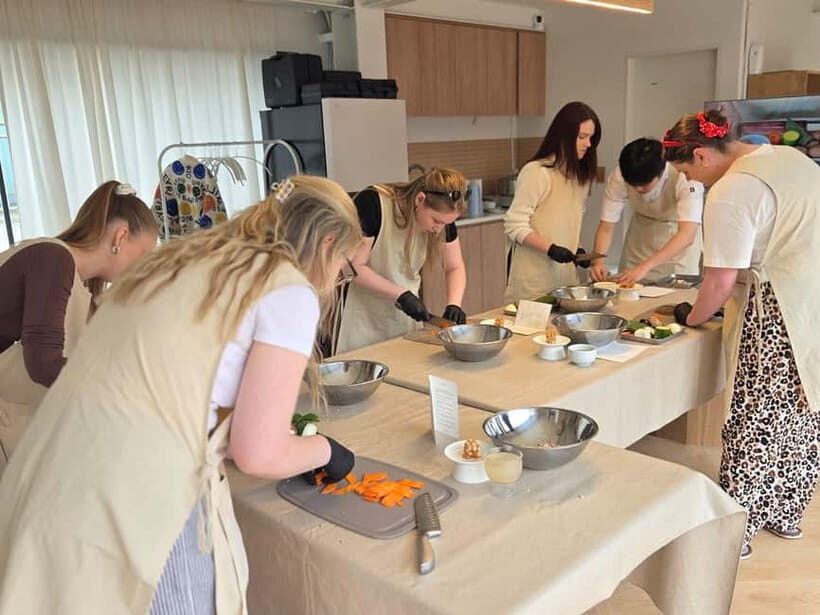
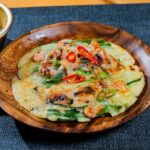
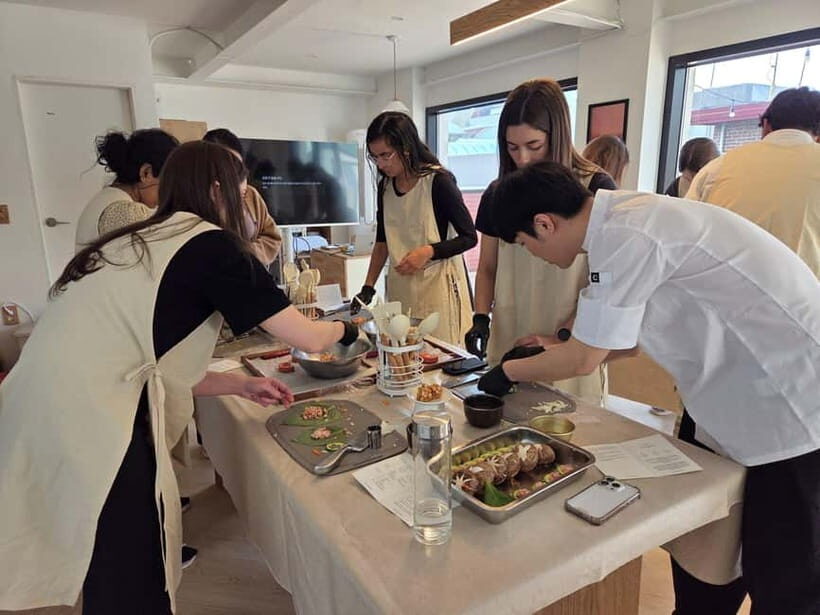
After shopping and tastings, you head to a nearby cozy kitchen. This is where you go from observing to cooking. The class centers on making multiple types of Jeon—Korean pancakes—so you practice more than one approach rather than repeating a single formula.
What really makes this portion work is the structure. Instructions are step-by-step, and you get hands-on help as you cook. One review stood out for its detail: the chef showed proper knife handling, which is exactly the kind of basic coaching that helps beginners avoid frustration.
You’ll also be working with ingredients and tools that are included, so you aren’t scrambling for equipment or worrying about where to buy something last-minute. The kitchen setup is designed for a group class, not a cooking theater.
If you’re the type who learns better by doing (rather than reading), you should feel right at home here. And if you’re nervous about messing up—good news: the class is built for people learning, not testing.
Korean soup and side dishes: the meal isn’t just the pancakes
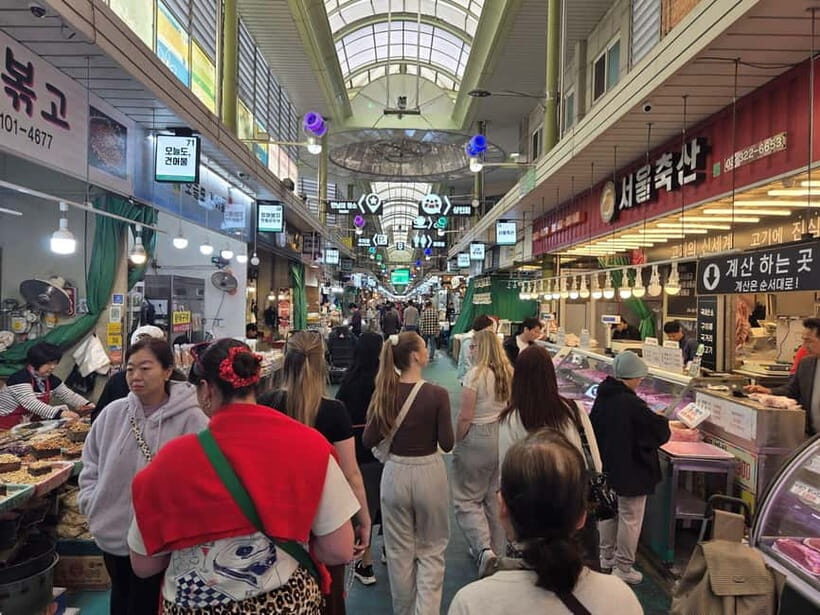
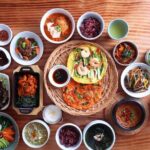
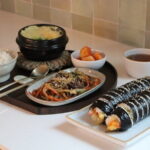
The Jeon portion is the headline, but the eating plan is broader. In addition to what you cook, you’ll be served a traditional Korean soup and a variety of side dishes prepared by the chef.
This matters because Korean meals rarely function as one dish at a time. The sides and soup give you a fuller picture of how the flavors balance—salty, savory, and comforting—with the pancakes as a central, shareable component.
I also like that this keeps expectations realistic. Even if you want to focus on your cooking, you still get a complete meal experience. It avoids that awkward feeling where the class ends and you realize you have basically cooked only a small bite.
You can also read our reviews of more tours and experiences in Seoul


Makgeolli pairing: tasting tradition with what you made
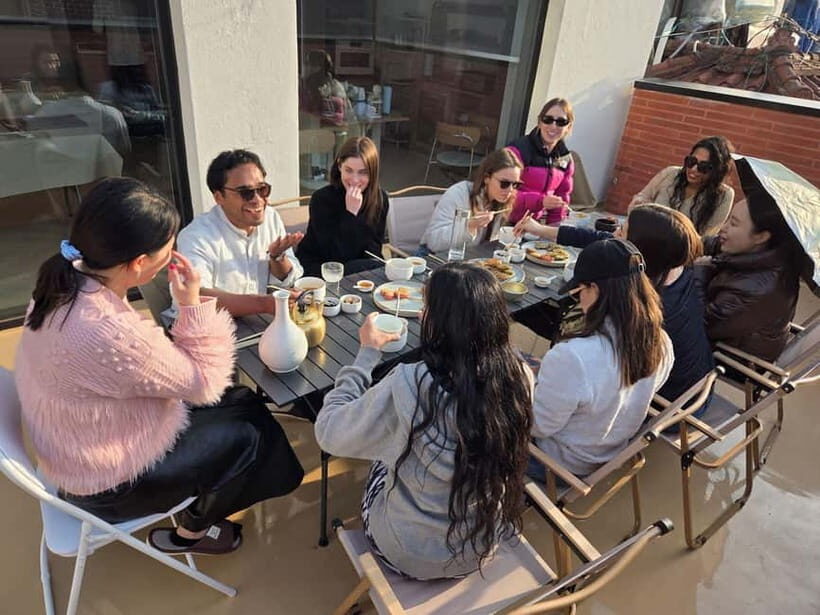
You’ll enjoy your Jeon with traditional Korean rice wine, makgeolli. That pairing is one of the best parts of the whole experience because it turns what you made into a real table moment, not just a cooking demonstration.
Makgeolli has a distinct taste and texture, and having it during the meal helps you connect flavors to context. It’s also a nice way to compare how your Jeon tastes before you add the drink—something you can’t easily recreate later without guidance.
In at least one review, the chef also poured delicious drinks beyond the rice wine, which suggests the dining portion doesn’t feel rushed or bare-bones. Either way, expect a relaxed finish where you eat what you cooked and enjoy the table setting as part of the class.
Chef Pano and the small-group chat that feels personal
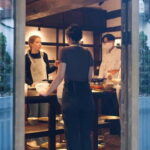
The chef element is a big reason this experience gets high marks. You’ll chat with a chef who has Michelin-starred background, and you’ll also meet other participants during a traveler networking session.
Chef Pano comes up repeatedly in the feedback, and that name matters because it signals real consistency in the hosting. You’ll get time to talk, ask questions, and learn about the food you’re cooking—plus the culture around it.
In a small group limited to 8 people, that conversation isn’t competing with a crowd. If you like learning by asking, you’ll probably enjoy this part more than you expect.
And if you’re traveling with a partner or friend, the group size can create an even more personal vibe. One review described a day when only two people booked, which turned the class into a more tailored experience. While you can’t count on low numbers every time, the small-group format makes personalization more likely than big-bus tours.
The knife tips and pacing that make the class feel doable
Cooking classes often fail for one reason: the pace is too fast, or the instructor assumes you already know what to do. Here, the coaching is designed to keep you with the group.
Knife technique is a clear example. When someone shows you the proper way to hold a knife, it stops being abstract and becomes immediately useful. It also makes you feel safer and more capable in the kitchen.
The overall pacing also helps. The experience has a total duration of 150 minutes, which is long enough to shop, cook, and eat, but not so long that you lose focus. If you’re the type who gets tired on tours, this length is usually a sweet spot.
Commemorative photo shoot: a fun way to close the loop
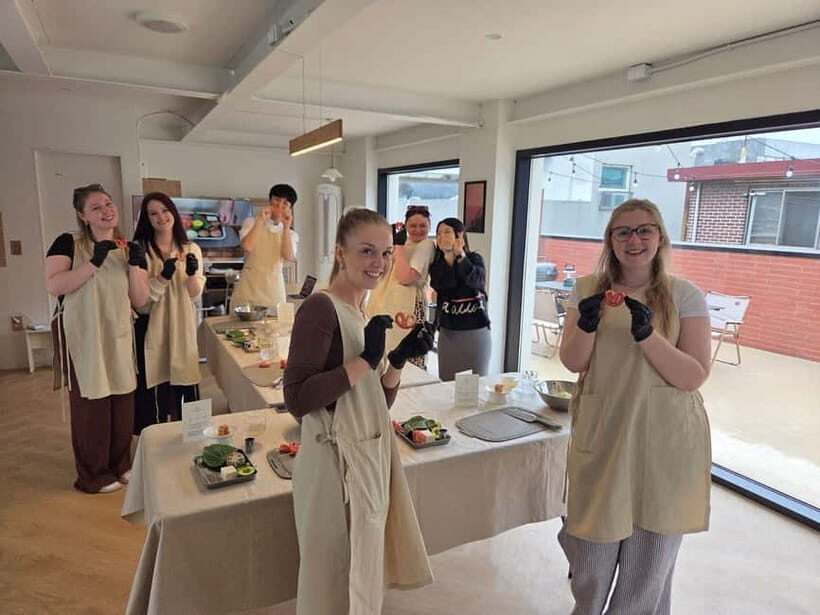
Some tours end with a lesson and you take your own photos. This one builds in a commemorative photo shoot, so you have a ready-made memory from the cooking moment.
It’s a small detail, but it adds value because it captures your experience in a more natural way. Instead of trying to get everyone positioned after you are already hungry, you can finish the class with a clear ending point.
Price and value: what $83 gets you in real terms
At $83 per person for 150 minutes, this is not the cheapest thing on a Seoul list. But when you break down what’s included, it becomes easier to see the value.
You’re paying for:
- a Mangwon Market guided tour with shopping and street-food tastings
- the hands-on cooking class itself
- ingredients and cooking supplies
- the full meal you make (plus additional soup and side dishes)
- time to chat with the Michelin-trained chef and meet fellow participants
- a commemorative photo shoot
Most cooking experiences charge for the class and ingredient handling. This adds the market component, plus the meal atmosphere and chef interaction, all in a small group. The result is closer to a guided food day than a short cooking workshop.
One practical note for value: transportation to the meeting point isn’t included. If you’re staying far from Mangwon Station, budget a bit for your commute. Still, starting at a subway-connected station makes that part manageable.
Who should book this Seoul cooking class
This experience fits best if you want food learning that is practical and social.
It’s especially good for:
- first-time Seoul visitors who want more than sightseeing
- foodies who like learning why ingredients matter
- couples or small groups who want a calmer class format
- people who are comfortable cooking alongside others and enjoy conversation
If you’re a strict beginner, you’re still in the right place. The class includes step-by-step guidance, and multiple types of Jeon keep the cooking portion engaging.
If you dislike crowds, you might like the small group size and the chance to talk with Chef Pano without shouting over other groups.
Quick notes on allergies and dietary changes
If you have any food allergies, let the organizers know. The experience says they can prepare an alternative dish for you. That’s a big deal for peace of mind—don’t wait until the day of.
Also, since the class includes both market tasting and cooking, early communication matters. You’ll get the best outcome if the adjustment is planned rather than improvised.
Should you book this Cooking Class and Tour?
Yes, if you want a Seoul experience that turns taste into skill. The combination of Mangwon Market shopping, street-food tastings, Jeon cooking, and a meal with makgeolli makes it feel like one complete arc.
I’d especially recommend it if you appreciate instruction you can use—like knife basics and cooking steps you can repeat later. The Michelin-trained chef background and the small group format add another layer: you don’t just eat, you ask questions and actually learn.
Skip it only if you’re already planning to eat your way through Seoul without cooking, or if you strongly dislike any food prep at all. Otherwise, this is a solid use of 150 minutes—hands-on, memorable, and genuinely local in flavor.
FAQ
How long is the cooking class and market tour?
The experience lasts 150 minutes.
How much does it cost?
It costs $83 per person.
Where do I meet the guide?
Meet at the Connecting Mangwon sign in front of Mangwon Station Exit 2 (Subway Line 6).
Is transportation to and from the meeting point included?
No, transportation is not included.
Do I need to bring ingredients or cooking supplies?
No. All ingredients and cooking supplies for the market tour and the cooking class are included.
What will I cook and eat?
You’ll make Korean pancakes (Jeon) and enjoy them with makgeolli. You’ll also be served a traditional Korean soup and a variety of side dishes.
Is the tour guide in English?
Yes, the live tour guide speaks English.
Can the tour accommodate food allergies?
If you have any food allergies, tell them in advance. They can prepare an alternative dish.
Is there free cancellation?
Yes, you can cancel up to 24 hours in advance for a full refund.
Is reserve & pay later available?
Yes, you can reserve now and pay later.
![[DMZ Private Full day Tour] & The War Memorial include Lunch - The day’s rhythm: 8 to 9 hours, checkpoints, and one smart tip](https://7.seoulescapes.com/wp-content/uploads/dmz-private-full-day-tour-the-war-memorial-include-lunch.jpg)