REVIEW · SEOUL
Master Korean traditional cooking with a Kimchi chef
Book on Viator →Operated by OME COOKING LAB · Bookable on Viator
First thing: you learn Korean cooking by buying ingredients like locals. This Seoul class mixes a short street walk to Gyeongdong Market with a hands-on kitchen session in a traditional Korean-style home, led by your chef-instructor (often Chef Minseon). You’ll also get a simple morning tea and a full meal afterward, depending on which day you book.
I especially love the small group size. It keeps things calm enough for real questions and patient step-by-step help while you cook. The second big win for me is that the menu changes by day, so you can target what you actually want to learn, like Thursday’s kimchi or Friday’s bibimbap. The one drawback to plan for is that there’s no subway pickup or drop-off, and the meet-up is at a specific station exit, so you’ll want to arrive a few minutes early.
In This Review
- Key Highlights You’ll Actually Feel During the Class
- Seoul Morning, Market First: What This Kimchi-Centered Class Gets Right
- Finding the Meet-Up: Jegi-dong Station Exit 2 Without the Stress
- Gyeongdong Market: Shopping for Korean Flavors the Local Way
- Inside a Korean-Style Home Kitchen: Where the Cooking Actually Happens
- What You Cook Depends on the Day: Pick Your Menu Like a Food Lover
- The Tasting Part: Eating What You Made, Together
- Dietary Options and Comfort Level in the Kitchen
- Price and Value: Is $85 Worth It for a Seoul Cooking Class?
- Logistics That Matter: Tickets, Time, and a Simple Plan
- Who Should Book This Class (And Who Might Not)
- Should You Book OME COOKING LAB’s Kimchi Chef Class?
- FAQ
- What time does the class start, and how long is it?
- Where do I meet the guide?
- What will I cook if I book on Thursday?
- Are vegan or halal options available?
- What’s included in the price?
- Is this class private to my group?
Key Highlights You’ll Actually Feel During the Class
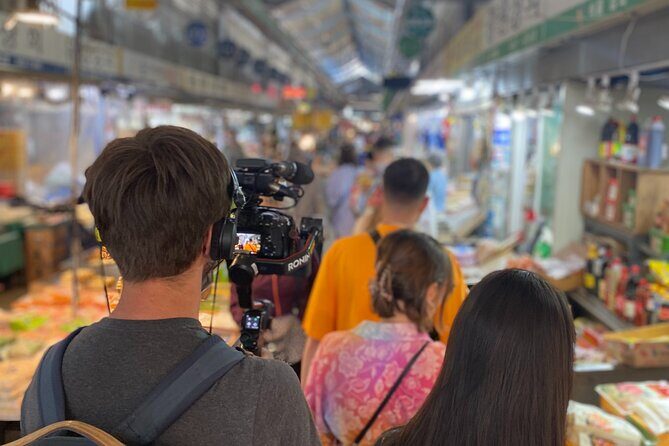
- Market-to-kitchen shopping: you walk to Gyeongdong Market and pick up the day’s ingredients
- Hands-on, not a demo: everyone cooks, then you sit down together to eat
- Menus rotate by day: Thursday can be kimchi, Friday bibimbap, and other days have full Korean meal combos
- Local-home setting: class happens in a traditional Korean-style house kitchen, not a generic showroom
- Dietary flexibility: vegan and halal options are available, and dietary needs are handled in the class setting
Seoul Morning, Market First: What This Kimchi-Centered Class Gets Right
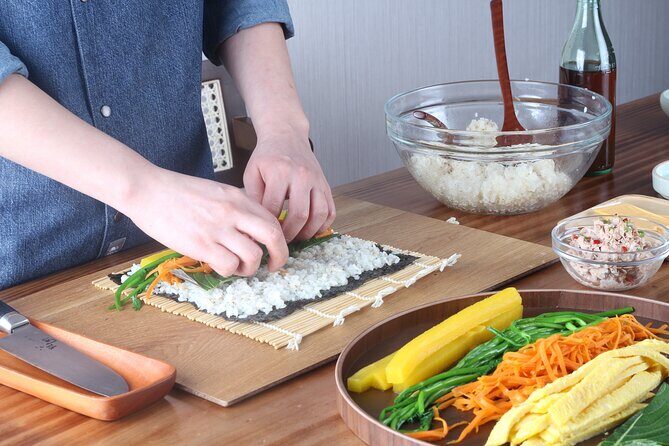
If you’ve ever tried to learn Korean food from YouTube and failed, this kind of class is built for you. Korean cooking is heavy on balance: salty, sweet, fermented, and spicy working together. What makes this experience practical is that you start with the ingredients in the real market environment, then you cook with the same logic the dishes use.
The other smart choice is the format. This is a small-group activity limited to seven people, with a booking cap up to ten per class. That means you aren’t stuck watching someone else work while you stand back. You can follow along, ask questions, and adjust your technique while the chef is right there guiding the kitchen flow.
And because it’s a morning session (start time is 10:00 am), you get an early start on the flavors of Seoul without burning half the day. You’ll be done in about 3 hours 30 minutes, then you’re free to explore the rest of the city with food knowledge in your head, not just photos on your phone.
You can also read our reviews of more cooking classes in Seoul
Finding the Meet-Up: Jegi-dong Station Exit 2 Without the Stress
You’ll meet at Jegi-dong Station, Exit 2 (Line 1), near Dongdaemun Station. The activity starts at 10:00 am, and you should plan to arrive a little early so you can check in and start the walk on time.
A practical note: this activity does not include subway station pickup and drop-off. So think of it like this: you handle your own train route to the meet point, and the class organizers handle everything after you arrive. If you’re navigating Seoul for the first time, it’s worth giving yourself a little buffer time so you’re not sprinting with a growling stomach.
Once you’re together, your guide transitions from city-walking host into cooking instructor. In classes reported from this provider, Chef Minseon is specifically mentioned as communicative, patient, and helpful with instructions in English, which matters if you’re not confident with Korean cooking terms yet.
Gyeongdong Market: Shopping for Korean Flavors the Local Way
The walk part is short, but it matters. You head to a local market where your group purchases the ingredients planned for your menu that day. The goal isn’t just shopping. It’s learning what to look for and why certain ingredients are treated as “must-haves.”
One of the standout experiences here is the market scale and variety. Some class write-ups describe it as one of the biggest market areas they’ve been through, including groceries, spices, and even traditional medicine items. That mix gives you a sense of how Korean food isn’t separate from broader everyday culture. It’s not only about cooking; it’s about ingredients that people use regularly.
As you shop, keep an eye on how the chef steers the group. You’re likely to hear guidance on how ingredients are selected, what substitutions might mean for flavor, and how the dishes connect to Korean eating habits. Even if you don’t buy everything yourself at home, the mindset is what you’re taking away.
Also, because it’s tied to a specific cooking class menu for your day, you don’t leave the market with random shopping bags. You leave with ingredient choices that have a job in the recipe you’ll cook later.
Inside a Korean-Style Home Kitchen: Where the Cooking Actually Happens
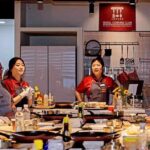
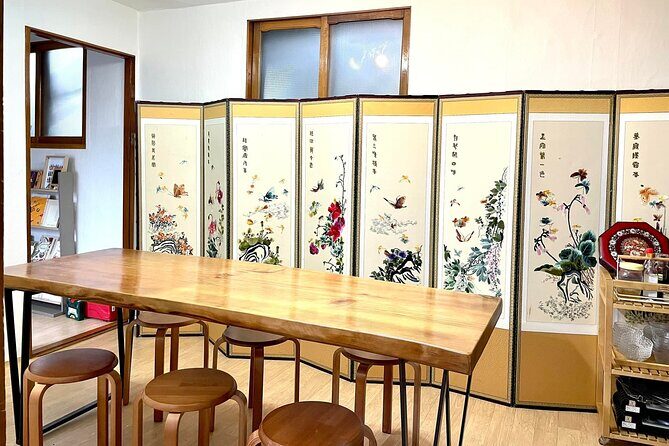
After the market, you’ll go to a Korean-style house in a local neighborhood. This is where the class becomes the real reason you signed up.
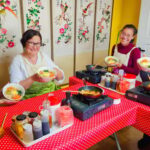
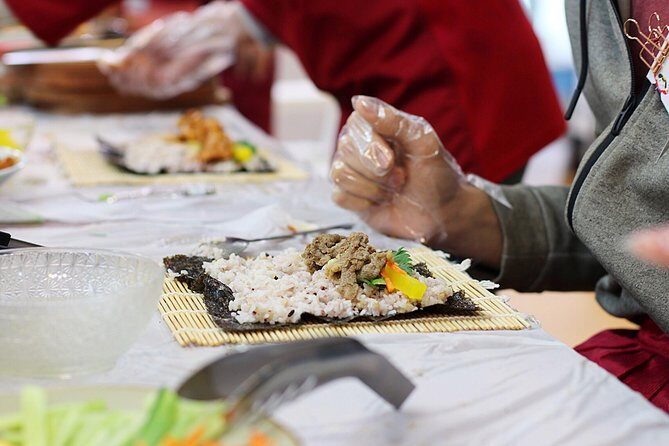
Instead of a lecture, you’re set up in the kitchen with the rest of the group, and cooking starts. You’ll cook the menu dishes for your selected day, and then you sit down to taste what you made. That structure is why people repeatedly call this a favorite class type: it’s hands-on, then it lands with a shared meal.
In multiple accounts of OME COOKING LAB sessions, the instruction style comes up as a key reason people feel comfortable. Chefs are described as patient, organized, and good at keeping steps paced so everyone stays engaged. You’ll also benefit if the kitchen setup includes prepped components, since it lets you focus on technique rather than scrambling for raw materials mid-step.
There’s also a social edge to the house-kitchen format. The group chats with the chef and each other during cooking and meal time, which can make it feel less like a formal class and more like learning in someone’s workspace.
What You Cook Depends on the Day: Pick Your Menu Like a Food Lover
One reason this class is so flexible is that the menu rotates by day. That means you can book with intention rather than hoping the dish you want is on the plan.
Here’s the schedule mapped out:
- Monday: samgyetang
A chicken-and-ginseng style comfort dish that gives you a deeper look at Korean warming flavors.
- Thursday: kimchi
If your title goal is learning kimchi techniques, Thursday is the straightforward choice.
- Tuesday or Saturday: bulgogi, japchae, doenjang jjigae
This combo gives you a mix of savory grilled flavors, glassy stir-fried noodles, and a fermented-bean stew experience.
- Friday: bibimbap
A bowl-style meal that helps you understand Korean flavor building in layers.
- Sunday: a variety of Korean desserts
Great if you want a break from savory cooking and learn how Korean sweets are put together.
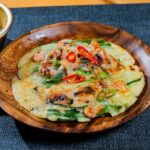
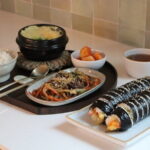
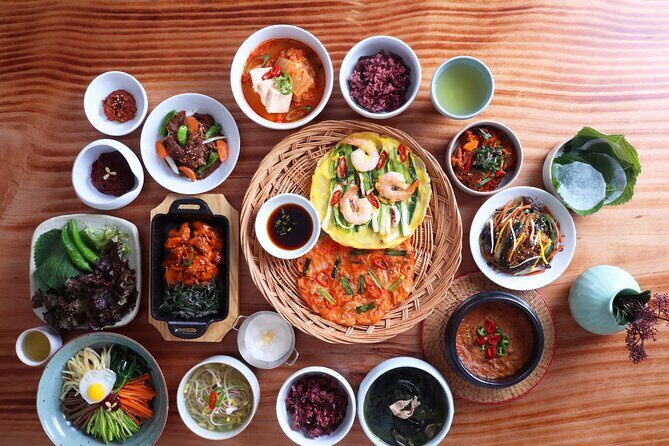
Your meal is planned as 3 different menu items, so you’ll get variety without a confusing “everything at once” situation. Also, the included meal type changes depending on selection and timing. The class is set up so you’ll have lunch (or dinner depending on your session structure) or dessert for the Sunday format.
Practical tip: choose your day based on one main dish you care about, then let the other two items round out your skills. That way you don’t feel like you’ve just sampled random Korean food—you’ll actually leave with a clear skill set you can repeat.





The Tasting Part: Eating What You Made, Together
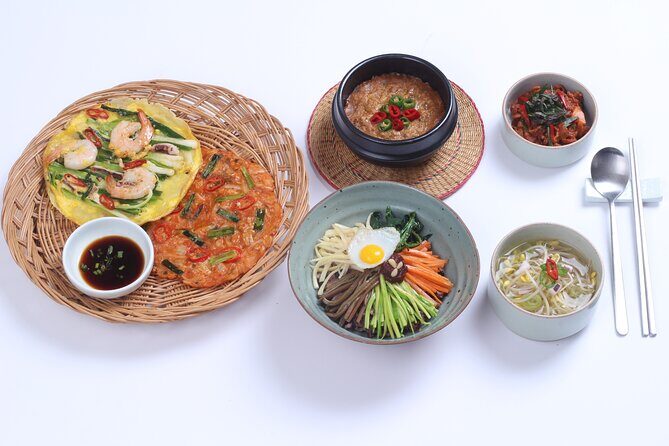
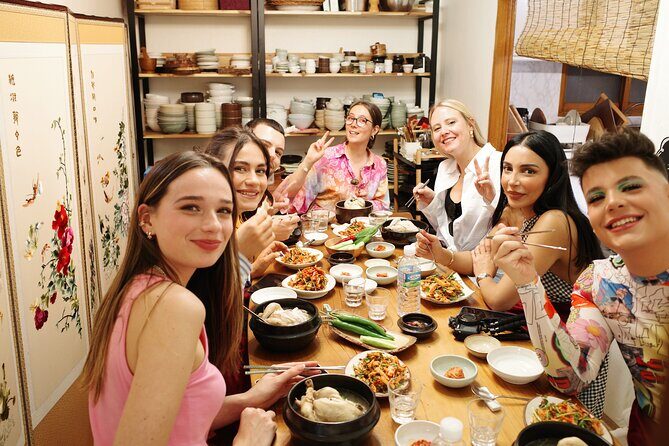
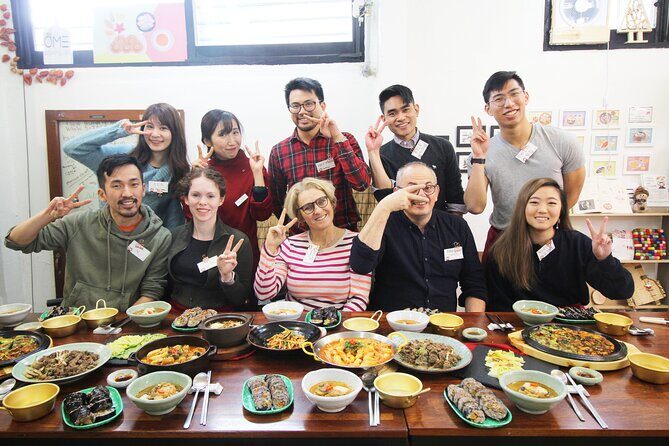
After everything is prepared, you sit down and taste the meal as a group. This is where the experience clicks for most people, because cooking classes often fail when the “eating” part is an afterthought. Here, the meal is the finish line.
You’re also eating what you made, which creates an immediate feedback loop. If your kimchi tastes off next time you cook it at home, you’ll remember what the class version felt like: texture, salt level, balance, and timing.
Another nice touch: morning tea is included on all tours. It’s a small thing, but tea makes the transition from market walk to kitchen work smoother. It also helps you slow down after the shopping and focus on enjoying your meal.
Dietary Options and Comfort Level in the Kitchen
If you need special diets, this is one of the better class types to consider. Vegan and halal options are available, and one class report also notes that dietary restrictions were accommodated.
That doesn’t mean you’ll eat the exact same version as someone without restrictions, but it does mean you aren’t automatically shut out. You’ll still get an organized recipe path that matches your menu-day plan.
If you’re new to cooking, this class can be a strong first step. Instructions are described as clear, and there are repeated comments about the chef’s patience—especially for non-cooks. If you’re traveling solo or with a friend, the calm pace and small group size make it less intimidating to ask, pause, and try again.
Price and Value: Is $85 Worth It for a Seoul Cooking Class?
At $85 per person, you’re paying for more than a meal. You’re paying for time, instruction, and the ingredient experience that starts at the market.
Here’s what you’re getting for that money based on the class structure:
- A 3.5-hour experience with cooking instruction in a kitchen setting
- A guided walk to the market plus purchasing the day’s ingredients
- A sit-down meal (lunch or dinner) or dessert depending on the menu/day
- Morning tea included
- A small group format that supports questions (instead of a big crowd style class)
Compared to buying ingredients and trying to replicate Korean dishes from scratch, this price is easier to justify because you’re learning technique and flavor logic while someone helps you avoid common mistakes. It also gives you a reason to visit Gyeongdong Market properly, instead of just passing through and hoping you chose the right items.
One extra value point: the market part turns shopping into education. You’ll likely remember what you bought and why because it’s tied to the food you’ll actually eat minutes later.
Logistics That Matter: Tickets, Time, and a Simple Plan
This uses a mobile ticket, and you’re expected to join at Jegi-dong Station Exit 2 before the start time. Confirmation is received within 48 hours of booking, subject to availability.
Also, this is listed as a private tour/activity in the sense that only your group participates. That can be helpful if you want a quieter experience or you’re traveling with people who prefer not being mixed into larger groups.
Timing-wise, start is 10:00 am and you’re looking at about 3 hours 30 minutes. Because classes are popular, the average booking window is about 48 days in advance. If there’s a specific day you want—especially Thursday for kimchi—book earlier rather than later.
Finally, there’s free cancellation with a full refund if you cancel at least 24 hours in advance. Keep it in mind if your Seoul schedule shifts.
Who Should Book This Class (And Who Might Not)
This class is a great fit if:
- You want a hands-on Korean cooking lesson, not a passive show-and-taste
- You’re excited by market shopping and ingredient learning
- You like small groups and direct help while you cook
- You want a day-specific menu, so you can choose kimchi, bibimbap, samgyetang, or dessert
It may be less ideal if:
- You hate early mornings and don’t want to be at a fixed meet point by 10:00 am
- You want hotel pickup or a fully guided door-to-door transfer (this one assumes you’ll get to the station)
- You prefer very long cooking sessions where you can slow down on every technique (this one is focused and efficient)
One thing I’d keep in mind: the experience length is short enough that it works well as a first “Korean food skill” in Seoul, but it’s not a multi-day immersion course.
Should You Book OME COOKING LAB’s Kimchi Chef Class?
Yes, if your goal is practical Seoul food skills and you’re happy to start at a market and cook in a local kitchen. The price makes sense for what you get: market-to-kitchen guidance, small-group instruction, and a meal that proves the learning worked.
If you’re deciding between days, pick based on the dish you want most:
- Want kimchi skills? Choose Thursday.
- Want a complete Korean comfort meal? Choose Monday (samgyetang).
- Want a bigger variety of savory cooking? Choose Tuesday or Saturday for bulgogi, japchae, and doenjang jjigae.
- Want the bowl-game? Choose Friday (bibimbap).
- Want dessert practice? Choose Sunday.
Book ahead if you can, and plan your route to Jegi-dong Station Exit 2 the night before. Do that, and you’ll walk into the market hungry for answers and walk out with recipes you can actually repeat.
FAQ
What time does the class start, and how long is it?
The class starts at 10:00 am and runs for about 3 hours 30 minutes.
Where do I meet the guide?
You meet at Jegi-dong Station, Exit 2 (Line 1) near Dongdaemun Station.
What will I cook if I book on Thursday?
On Thursday, the class menu includes kimchi.
Are vegan or halal options available?
Yes. Vegan and halal options are available.
What’s included in the price?
The experience includes the guided group tour, and you’ll have a meal: lunch or dinner depending on selection and time, or dessert depending on the selection. Morning tea is included too.
Is this class private to my group?
Yes. It’s described as a private tour/activity, meaning only your group participates.