REVIEW · SEOUL
DMZ Private Tour: 3rd Tunnel, Option(Suspension Bridge, Boat)
Book on Viator →Operated by Leadyourtrip Co..Ltd · Bookable on Viator
Border history, plus a bridge walk.
This private DMZ day centers on the 3rd Infiltration Tunnel and Dora Observatory, with an official guide who has government permission. What I like most is how the guide turns tense, technical Cold War material into something you can actually picture, including clear, site-by-site context from guides like Shane and Mr. Taylor. I also like the logistics: an air-conditioned vehicle, clean and comfortable, driven safely and with a calm pace that matters when you’re spending most of the day on the move.
The main drawback is simple: you’re out for about 7 to 9 hours, and the itinerary is weather-dependent, so plan for a day that can’t be swapped into something casual at the last minute. You’ll get a lunch break, but it’s still a full slate—especially if you choose the suspension bridge option and end up doing more walking.
If you want a structured, no-drama DMZ experience with No Shopping, No Tip, this is the kind of tour that keeps the day focused on what you came for: the border story and the places that explain it.
In This Review
- Key highlights you should care about
- A private DMZ day from Seoul: what 7 to 9 hours really means
- Entering the DMZ at Imjingak: getting your bearings before the big sights
- The 3rd Infiltration Tunnel: the war story you can stand inside
- Dora Observatory: what you’re seeing across the border, and why it matters
- Choosing your add-on: Gamaksan Chulleong Bridge, Majang Lake Bridge, or Hwangpo Sailboat
- Gamaksan Suspension Bridge (Gamaksan Chulleong Bridge)
- Majang Lake Suspension Bridge
- Imjin River Hwangpo Sailboat
- Lunch, water, and air-conditioned comfort: the unsung value
- Guide quality: why an official DMZ guide changes the whole experience
- Price and value: why $220 can be fair for a full day
- Who should book this DMZ 3rd Tunnel tour
- Should you book this DMZ 3rd Tunnel tour?
- FAQ
- How long is the DMZ private tour?
- What is the price per person?
- Does the tour include pickup and transportation?
- What does the tour cost include?
- Are there options for what I do after the main DMZ stops?
- Is the tour private?
- Is the tour weather-dependent?
- What happens if I cancel?
Key highlights you should care about
- Official guide with government permission: you get real-world explanations at the sites, not a rushed commentary after the fact.
- The 3rd Infiltration Tunnel visit: the day’s emotional and historical anchor is a purpose-built war-era passage now open for inspection.
- Dora Observatory views toward North Korea: you’ll stand on a viewing platform and learn what you’re seeing, including references to the Kaesong Industrial Complex.
- One optional scenic add-on after DMZ: choose Gamaksan Chulleong Bridge, Majang Lake Suspension Bridge, or the Imjin River Hwangpo Sailboat.
- Lunch is included: a proper Korean meal (like stir-fried pork, rice, stew, and vegetables) helps you last the whole day.
- Pickup + private group experience: you only share the vehicle with your own group, and pickup is offered.
A private DMZ day from Seoul: what 7 to 9 hours really means
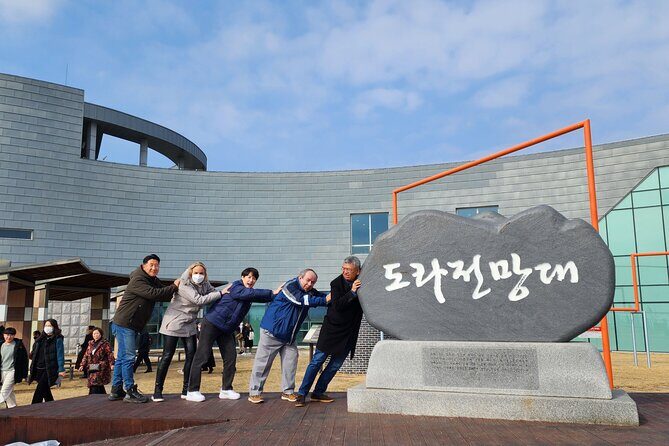
A DMZ tour is never “just a stop-and-go photo run.” It’s a long day with multiple checkpoints, timed visits, and a lot of sitting while the guide sets the scene. This one is priced for a private group experience, with pickup offered and a schedule that generally runs 7 to 9 hours.
That time window is a big deal for planning. You want comfortable shoes, patience for outdoor conditions, and a mindset that you’re doing the DMZ properly. The payoff is that you can ask questions and get explanations as you go, rather than trying to piece things together on your own.
The tour also has a practical feel: air-conditioned transportation, bottled water, entrance fees covered for the major DMZ stops, and lunch included. In other words, you’re not scrambling halfway through the day because you forgot something—or because you thought it would be faster than it is.
You can also read our reviews of more boat tours in Seoul

Entering the DMZ at Imjingak: getting your bearings before the big sights
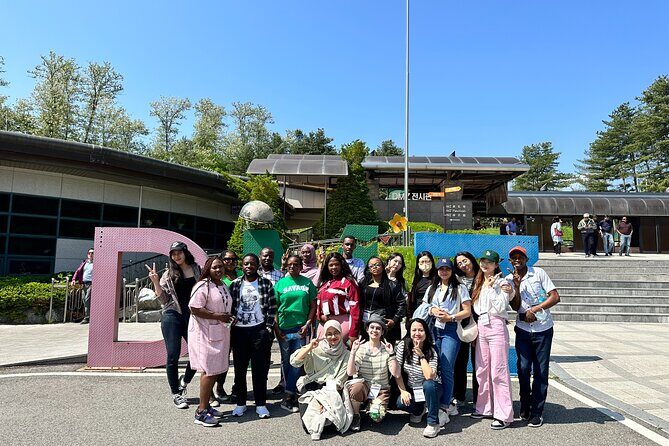
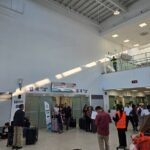
Your day starts at the Imjingak DMZ Ticket Office, which acts as the entry point for DMZ tours near Paju. The first stretch is about orientation. Even though it’s only listed as around 30 minutes, it matters because the DMZ is confusing if you arrive cold (and most people do).
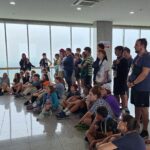
This is where you get your basic “map in your head.” You learn how the DMZ area is arranged and what each major site is meant to communicate about the Korean War era and post-war tension. Since this is an official-guided experience, you’re not left wondering what you’re looking at, or why it matters.
Imjingak is also psychologically important. The DMZ isn’t just politics. It’s people, memory, and geography. Starting here helps you shift from Seoul-day mode to border-day mode. It’s a small transition, but it makes the rest of the day hit harder and make more sense.
The 3rd Infiltration Tunnel: the war story you can stand inside
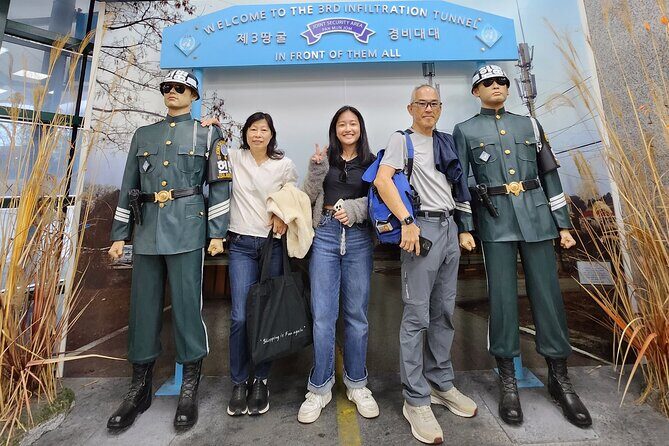
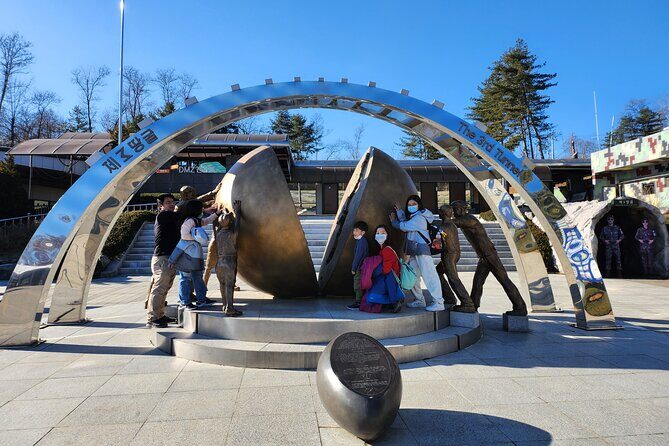
If you’re choosing the “3rd Tunnel” version, you’re choosing the day’s centerpiece. The 3rd Infiltration Tunnel is described as a secret underground passage built by North Korea to infiltrate South Korea. It’s now a tourist site where you learn the historical context behind its creation.
What I find useful about tackling this early is that it gives shape to everything you’ll see later—especially what you learn about viewing points like Dora. Underground tunnels change how you think about strategy. It’s not only about borders on maps; it’s about logistics, movement, and intent.
The tour time at this stop is about 40 minutes. That’s typically enough time to take in what’s there without turning it into a rushed sprint. The key is how the guide explains it: people like Shane are praised for pointing out the historical references along the way, and for making sure you understand the significance of the sites once you arrive.
Practical tip: expect this part to feel different from the outdoor viewing stops. It’s usually more structured, more interpretive, and less about scenery. Don’t plan to “save your energy” for later. The tunnel is where the story gets concrete.
Dora Observatory: what you’re seeing across the border, and why it matters
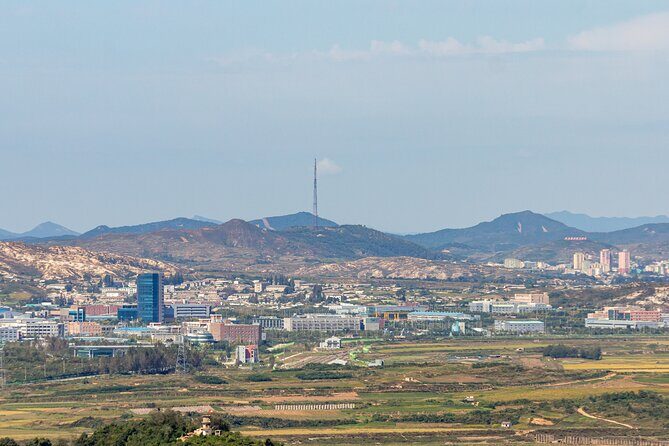
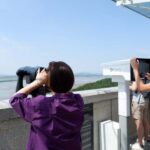
Next comes Dora Observatory, a viewing platform near the DMZ in Paju. The big value here is the perspective. From Dora, you get a glimpse into North Korea, including references to the Kaesong Industrial Complex.
This stop is listed at around 40 minutes, and it’s exactly the kind of place where the guide’s role changes from storyteller to translator. You can see the direction. You can guess shapes. But you might not know what you’re meant to notice. A good guide helps you read the view and understand the historical and political references tied to what you’re looking at.
In an area shaped by conflict, observation points can feel almost strange: you’re standing in South Korea, looking north, learning about a place you can’t freely visit. That tension is part of the experience, and the tour’s guided approach keeps it from turning into awkward staring.
Also, Dora Observatory is one of those stops that benefits from pacing. You don’t want to burn through it so quickly that you miss the “why.” If your schedule feels tight, slow down here. This is where the day stops being a list and starts becoming an understanding.
Choosing your add-on: Gamaksan Chulleong Bridge, Majang Lake Bridge, or Hwangpo Sailboat
After the DMZ core stops, the tour adds a scenic option. This is smart for two reasons. First, it breaks up the emotional weight of the border sites. Second, it gives you something clearly enjoyable that doesn’t require extra planning.
You pick one of three options:
You can also read our reviews of more private tours in Seoul




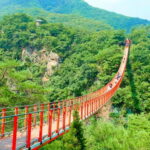
Gamaksan Suspension Bridge (Gamaksan Chulleong Bridge)
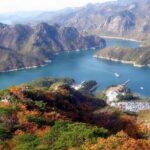
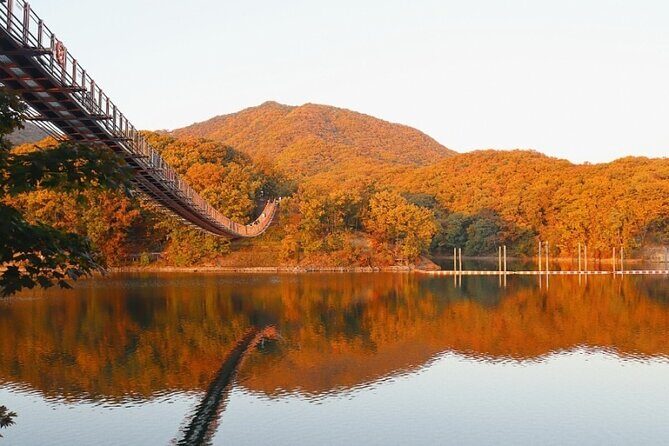
This is a pedestrian suspension bridge in Paju with views of Gamaksan Mountain. It’s described as one of the longest suspension bridges in Korea and is a popular spot for dramatic, open-air walking.
The benefit here is the classic “wide views” feeling. It’s a good choice if you like big scenery and don’t mind a bit of walking after a long DMZ day. If you’re the kind of person who likes to move your body between intense stops, this is a natural fit.
Majang Lake Suspension Bridge
Majang Lake’s suspension bridge crosses over the lake, and it’s described as spanning over tranquil water with views that many people find memorable. This option runs about 1 hour.
Choose this if you want a quieter mood—something that feels more reflective after Dora. The lake setting can make the day feel less like history class and more like a real travel experience where you get to breathe.
Imjin River Hwangpo Sailboat
If you’d rather sit and watch instead of walking, the Imjingang Hwangpo Sailboat is a traditional Korean boat cruise along the Imjin River. It’s listed at about 40 minutes, and the admission is noted as free.
This is a strong option for people who want a lighter physical day. A boat ride also changes your perspective—everything slides by at a slower pace, and you get a break from standing and moving around checkpoints.
Quick decision help:
- Want bold mountain views? Pick Gamaksan.
- Want calmer water and a softer mood? Pick Majang Lake.
- Want low-effort sightseeing? Pick the Hwangpo sailboat.
Lunch, water, and air-conditioned comfort: the unsung value
It’s easy to undervalue lunch on tours like this. But when your day stretches to 7 to 9 hours, a real meal included in the price is more than convenience—it’s stamina.
This tour includes Korean lunch, described with options like stir-fried pork, rice, stew, and vegetables. You also get bottled water and an air-conditioned vehicle. That combination matters on DMZ days because the heat, cold, and waiting time can make energy levels drop faster than you expect.
The vehicle also gets a shout-out indirectly from how the guides are described: Mr. Taylor is praised for safe driving and patience, and Shane is praised for knowing the historical references along the way. A smooth ride and a calm driver are not “extra.” They affect how much you can focus once you reach the serious stops.
If you’re planning to do the add-on option afterward, don’t skip the meal. It’s the difference between enjoying the bridge or boat and feeling flat halfway through.
Guide quality: why an official DMZ guide changes the whole experience
A DMZ day can go wrong in two ways: you either get a generic overview, or you spend your time confused about what you’re seeing. This tour tries to solve that by using an official guide with government permission.
In practical terms, that means your explanations connect directly to the sites. Guides like Shane are noted for pointing out historical references while driving and then making sure the significance lands once you’re at the sites. Mr. Taylor is praised for narration, punctuality, safe driving, and patience.
One more detail I appreciate is that the company manages guides using a 3-out system, and in cases of well-founded dissatisfaction there’s a 100% refund. That doesn’t mean you’ll have problems. It does mean they’re serious about service quality, not just ticking boxes.
For you, that matters because the DMZ is emotionally loaded and technically specific. A strong guide helps you process what you’re learning without turning it into a blur.
Price and value: why $220 can be fair for a full day
At $220 per person, it isn’t a cheap half-day. But you’re not just paying for transportation. The price is supported by a bundle of real costs that would add up quickly if you tried to DIY.
What’s included, based on the tour details:
- Air-conditioned vehicle, plus fuel, parking, and toll gate fees
- Professional guide fee
- DMZ entrance fee
- Gamaksan suspension course (covered as part of the package)
- Lunch and bottled water
- Tickets listed as included for the DMZ stops (Imjingak Ticket Office and the Third Tunnel, Dora Observatory)
The value argument is straightforward: a DMZ day requires vetted access and timed visits, and you’re getting that structure plus a guided explanation. The add-on option also keeps you from paying extra separately for the scenic element you choose.
Where price can feel less fair is if you’re only interested in one thing. If the tunnel and Dora aren’t your priorities, you might decide to pick a different shorter or more targeted tour. But if you do want the full DMZ storyline plus a nature break afterward, this price often looks like the “work” you’re paying for.
Who should book this DMZ 3rd Tunnel tour
This is a good match if:
- You want a guided DMZ day with an official, permitted guide
- You’re interested in the 3rd Infiltration Tunnel as the main highlight
- You like having a choice for the day’s outdoor break (bridge walk or boat ride)
- You prefer a private-group feel and pickup instead of hopping between public options
It may not be ideal if:
- You hate long days or tight schedules
- You’re sensitive to outdoor weather conditions, since the tour requires good weather
- You’re hoping for a flexible day that you can easily reshape at the last minute
One simple mindset shift helps: treat the add-on option as “recovery time,” not sightseeing on autopilot. After Dora, it can be satisfying to choose movement (bridge) or stillness (boat) based on your energy.
Should you book this DMZ 3rd Tunnel tour?
I’d book it if you want a DMZ day that’s organized, guided by an official permitted professional, and doesn’t waste your time with shopping stops. The tunnel and Dora Observatory are the core learning moments, and the scenic option afterward is a smart way to finish the day with something pleasant instead of just exhaustion.
Choose carefully on the add-on:
- Pick the bridge if you want a clear “travel moment” with big open-air views.
- Pick the boat if you want a lighter, lower-walking ending.
If you can travel during stable weather and you’re ready for 7 to 9 hours of structured history, this is a strong, practical way to see the DMZ’s most talked-about sites without turning it into a DIY headache.
FAQ
How long is the DMZ private tour?
The tour duration is approximately 7 to 9 hours.
What is the price per person?
The price is $220.00 per person.
Does the tour include pickup and transportation?
Pickup is offered, and the tour uses an air-conditioned vehicle.
What does the tour cost include?
The price includes toll gate fee & parking fee & fuel cost, a professional guide fee, DMZ entrance fee, an included lunch (Korean food), and bottled water, plus admission tickets listed for key DMZ stops.
Are there options for what I do after the main DMZ stops?
Yes. You can choose one option: Gamaksan Mt. Suspension Bridge, Majang Lake Suspension Bridge, or the Imjin River Hwangpo Sailboat.
Is the tour private?
Yes. It’s private, meaning only your group participates.
Is the tour weather-dependent?
Yes. It requires good weather, and if it’s canceled due to poor weather you’ll be offered a different date or a full refund.
What happens if I cancel?
This experience is non-refundable and cannot be changed for any reason.