REVIEW · SEOUL
DMZ Tour: 3rd Tunnel, Option(Suspension Bridge, Boat) from Seoul
Book on Viator →Operated by PLK TRAVEL · Bookable on Viator
The DMZ hits differently when you visit it close. I like how this tour starts with the Bridge of Freedom and the Mangbaedan Altar, so the Korean War story makes sense before you head into the restricted area. I also like that you get round-trip transport in a private, air-conditioned bus and DMZ admission fees are covered. The drawback is real: the Third Tunnel portion is a physical challenge, with a steep climb and tight conditions.
One of the smartest parts is the optional add-on after Dora Observatory. You can choose a hike to a historic suspension bridge near Mt. Gamaksan or Lake Majang, or swap it for a calmer Imjin River boat ride. The day typically runs about 6 to 9 hours, and the route can shift because of weather or military training schedules.
In This Review
- Key highlights worth planning around
- Bridge of Freedom and Mangbaedan Altar: why the start matters
- The 3rd Tunnel walk: tight, steep, and timed
- Dora Observatory and Tongilchon-gil: big views, small village reality
- Suspension bridge option vs Lake Majang vs Imjin River boat
- Gamaksan Chulleong Suspension Bridge (Mt. Gamaksan option)
- Lake Majang Bridge (Majang Reservoir option)
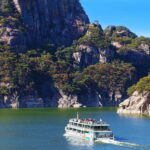
- Imjin River boat ride (the calmer option)
- Peace Park and the end-of-day feeling
- Getting there from Seoul: transfers, timing, and group size
- Value for $35: what you’re really paying for
- Who should book this DMZ tour (and who should think twice)
- Should you book this DMZ tour from Seoul?
- FAQ
- Is the DMZ admission fee included?
- How long is the tour?
- What does the $35 price include?
- Do I need a passport?
- What are the options after Dora Observatory?
- What happens on Mondays?
- How active is the Third Tunnel?
- Is lunch included?
- What if bad weather cancels the tour?
- Can I get a full refund if I cancel?
Key highlights worth planning around
- Private bus with included DMZ admission keeps the day stress-light
- ID check and early War-story stops set context before the border sights
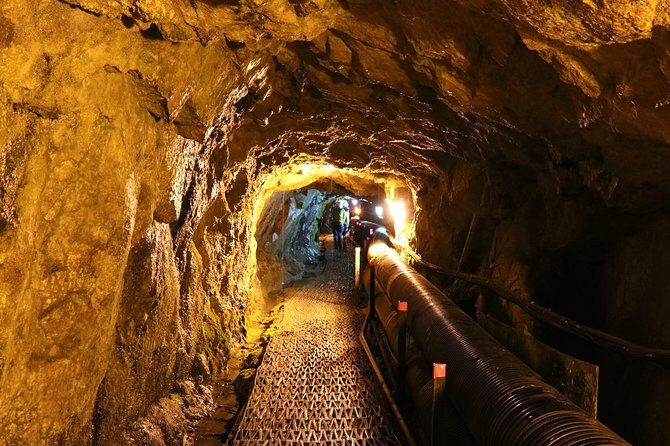
- Third Tunnel is the hard stop: low ceiling, steep walking, and limited time
- Dora Observatory brings the view toward Gaeseong Industrial Complex and Songhaksan Mountain
- Choose your ending: Gamaksan Chulleong Bridge, Lake Majang Bridge, or an Imjin River boat ride
- Small-group feel with a maximum of 43 people and no forced shopping stops mentioned in the tour overview
Bridge of Freedom and Mangbaedan Altar: why the start matters
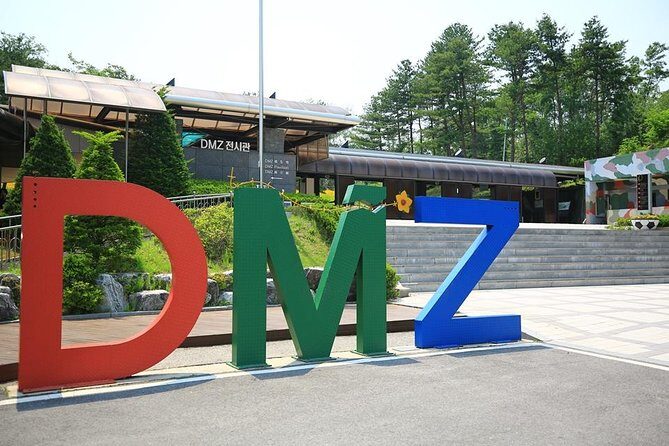
Your day begins with an ID check before you go into the DMZ area. That early checkpoint isn’t just a formality. It shapes the vibe of the whole experience: you’re stepping into a tightly managed space where rules come first.
Before you get to the tunnel and the farther-looking viewpoints, you’ll make time for the Bridge of Freedom and the Mangbaedan Altar. The payoff here is context. These stops help you understand why the DMZ exists and how the Korean War narrative connects to what you’ll later see at Dora Observatory and beyond the border line.
A practical note: you’ll need a current valid passport on the day of travel, and you’ll want it handy. Also, you’ll be meeting your guide at one of the three designated meeting points in Seoul, so build in time to get there before the group moves out.
If you like tours that explain the “why” behind the sights—not just the “what”—this opening sequence is a good fit.
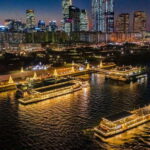
You can also read our reviews of more boat tours in Seoul

The 3rd Tunnel walk: tight, steep, and timed
The Third Tunnel is the main physical moment of the tour. You walk into the tunnel as part of the visit, and the conditions are naturally restrictive: about 1.95 meters high and 2.1 meters wide. That means even if you’re comfortable underground, your body still has to adapt—heads tilt, shoulders tuck, and breathing changes as you move.
Most people can handle it with the right mindset, but you should treat it as a workout, not a casual hallway walk. One of the clearest pieces of advice from past experiences is that the climb back up can be the hardest part—steeper than you expect when you’re thinking only about the tunnel entrance.
There are also comfort factors you can’t fully predict. It’s common for tunnels to feel hot and enclosed, and some visitors report getting damp or feeling it physically after the push down and back up. If you’re tall (one caution that came up was about people over 160 cm) or you dislike tight spaces, you may want to think twice before committing to the tunnel section.
The good news: the tour keeps moving, and you get the tunnel visit as a focused segment rather than an all-day grind. Still, if you’re deciding between this tour and a tour without the tunnel, the Third Tunnel portion is the deciding factor.
Dora Observatory and Tongilchon-gil: big views, small village reality
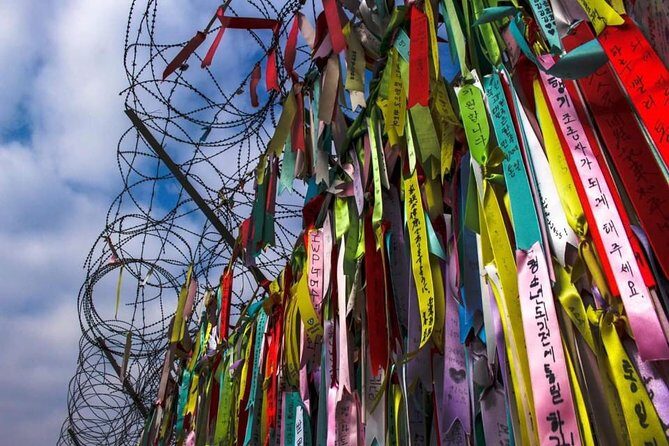
After the tunnel, the tone shifts from “restricted space” to “long sightlines.” Dora Observatory is set up for viewing North Korea from the western front. You’ll get a panoramic outlook that’s described as allowing views toward places like the Gaeseong Industrial Complex and Songhaksan Mountain in a single view.
This stop works well if you enjoy landscapes, yes—but also if you enjoy how geography connects to politics. From Dora, you’re seeing why border distances matter and how the DMZ is not just a line on a map. It’s a zone that shapes sight, movement, and decisions.
Then comes Tongilchon-gil, also called Unification Village. This is a farming community near the DMZ where South Korean civilians live under special regulations. That’s a different kind of “close to the border” experience. Instead of only looking outward, you also get a sense of what people do right near the restricted zone—how everyday work continues under unusual rules.
Your time here is shorter (about 20 minutes), so come with a plan for what you want. If you’re the kind of person who likes quick questions—What is life like here? What’s most different from normal rural life?—this is the moment to ask, because the tour moves on.
Suspension bridge option vs Lake Majang vs Imjin River boat
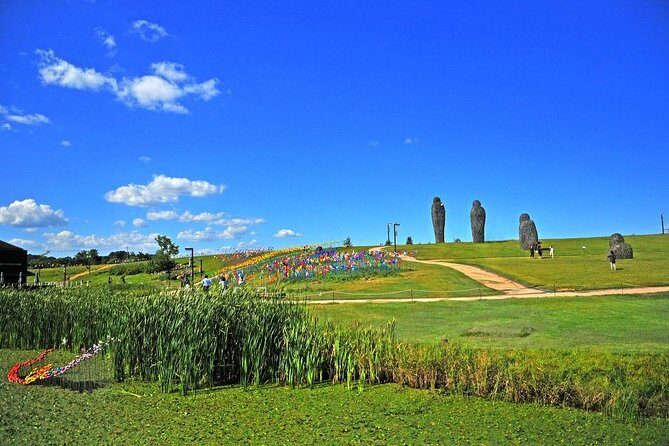
This is where you really tailor the day. After Tongilchon-gil, the tour branches into one of three options, each with a different mood: a short hiking suspension bridge walk near Mt. Gamaksan, a bridge-and-battlefield stop at Lake Majang, or a boat ride along the Imjin River.
Gamaksan Chulleong Suspension Bridge (Mt. Gamaksan option)
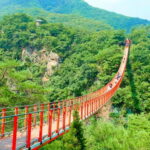
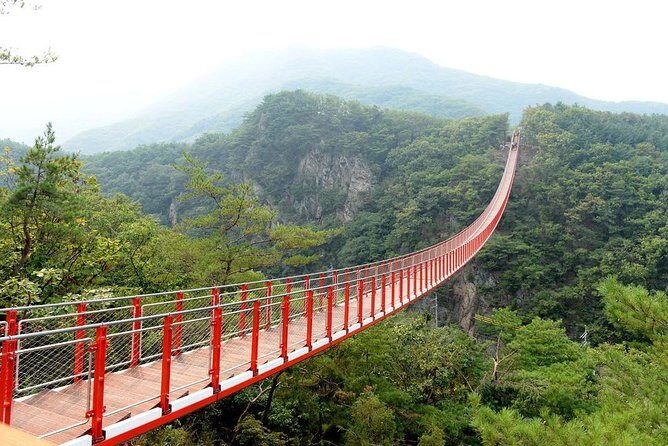
If you pick the Gamaksan Chulleong Bridge, expect a hike component first. The walk is about 15 minutes up before you reach the bridge. The structure itself is around 150 meters long (500 feet), and it has historical significance tied to fierce battles during the Korean War.
I like this option because it adds fresh air and movement after the tunnel. It also gives you a different scale for the story—less about walls and more about the terrain that both sides fought over.

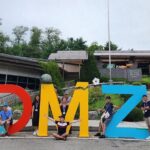
Lake Majang Bridge (Majang Reservoir option)
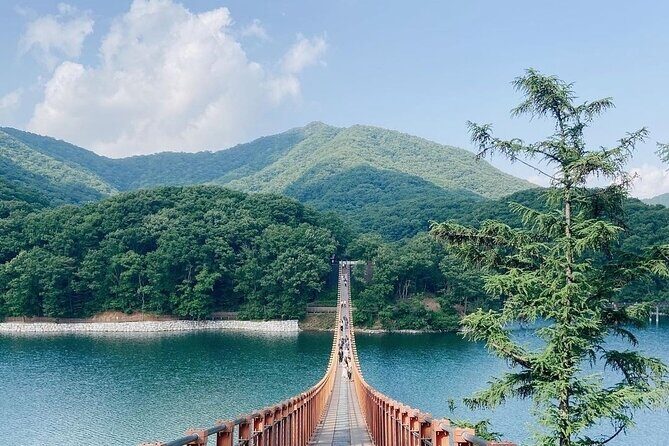
The Lake Majang side is about battles and remembrance. This bridge is associated with Allied forces during the Korean War, with many losses reported from the fighting there. One detail that stands out is that the bridge stop ties to events described in April 1951, which helps anchor it to a specific wartime period.
You’ll also get about an hour here, so it’s not just a photo stop. You have time to slow down, take in the structure, and let the history land.
Imjin River boat ride (the calmer option)
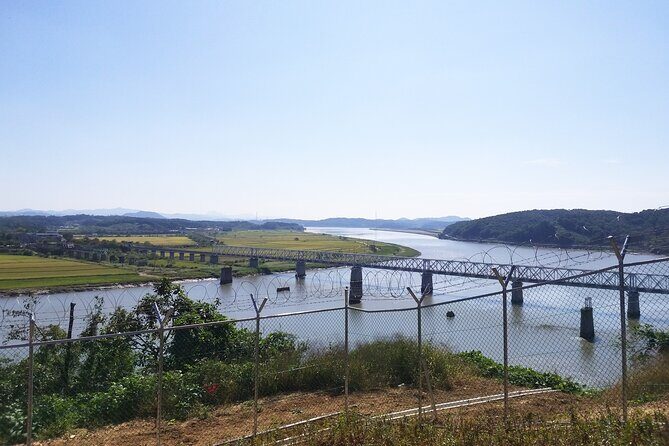
If you don’t want more walking after the tunnel, the boat option is a smart trade. The Imjin River segment runs about 40 minutes. The river flows out of North Korea to South Korea, and one of the more striking facts mentioned is that access to parts of the river was forbidden for about 50 years after the Korean War.
This option tends to feel reflective rather than strenuous. Instead of climbing to a bridge, you sit and watch the river corridor—an odd mix of nature time with a border-zone frame. If you want the DMZ experience but still want a gentler day physically, this is the choice.
Peace Park and the end-of-day feeling
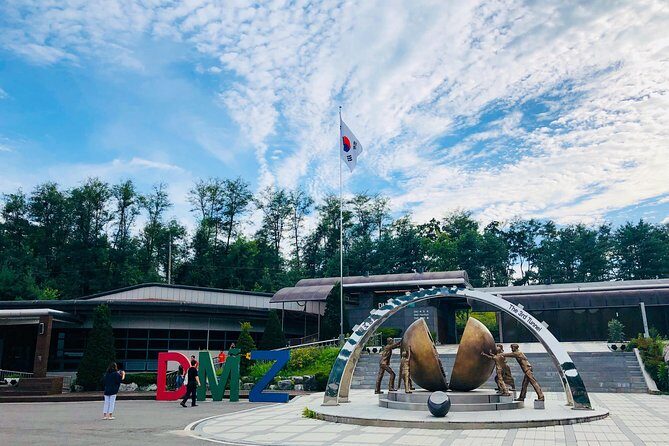
At the end of the tour, you’ll see a park constructed for wishing reunification and peace on the Korean Peninsula. That final stop matters because it pulls the story out of the “war facts only” mode and into something more human.
By the time you reach that point, you’ve already seen multiple pieces of the same puzzle: conflict-related sites (Bridge of Freedom, Mangbaedan Altar), the tunnel invasion concept, Dora Observatory’s outward views, and then either bridges or the river. The park stop acts like a quiet closing note.
If you’re the kind of person who gets emotionally stirred by what you learn, don’t rush this part. Even if you’re tired, take a few minutes. The DMZ can feel like a history lecture until you let it become a place.
Getting there from Seoul: transfers, timing, and group size
The logistics are simple: you start the day by meeting your guide at one of three designated meeting points in Seoul. Your group travels by private, air-conditioned bus, and the tour includes round-trip transfers.
A couple details you’ll appreciate:
- The tour uses a mobile ticket, so plan for phone battery.
- The group size max is 43 people, so it’s large enough for energy but not so large that you disappear.
- For groups of 10 or more, free hotel pick-up is included.
The day’s length (about 6 to 9 hours) can vary. Schedules and details can change due to unexpected situations such as military training schedule changes, traffic, and weather. DMZ tours have to be flexible—so if you have a tight plan afterward, give yourself breathing room.
One more practical tip: the bus experience can include space for luggage storage, which helps if you’re doing this as part of a longer trip and don’t want to carry bags in a packed day.
Value for $35: what you’re really paying for
$35 per person is low for a day that includes guide time, private transportation, and DMZ admission. The key value driver is that DMZ admission fees are included in all options. That means you’re not doing the math later for entry costs or scrambling to find cash for onsite fees.
What’s not included is lunch. So you should budget time and money for food on your own. If you’re someone who gets shaky energy when you delay meals, pack snacks you’re allowed to bring along and plan to eat during the tour’s breaks rather than assuming lunch will be fully handled.
Also note the physical reality of the day. You don’t want to pay a bargain price and then regret it because you’re not comfortable with steep walking or tight spaces. If that part sounds tough, you can still enjoy the overall DMZ narrative by choosing the boat or bridge option that best matches your comfort level.
Finally, guide quality is a big part of the value. Names like Simba, Julie, Jay, and Charles show up in past experiences as guides who balance humor and clarity, and who keep the group organized through the checkpoints and timing.
Who should book this DMZ tour (and who should think twice)
This tour makes sense for you if you want a strong “greatest hits” DMZ day with real time at major checkpoints: Bridge of Freedom, Mangbaedan Altar, the Third Tunnel, and Dora Observatory.
It’s also a good fit if you like flexible pacing at the end—because you can choose between the Gamaksan suspension bridge walk, Lake Majang’s bridge stop, or the Imjin River boat ride.
Think twice if:
- You have health issues that make steep or tight walking difficult. The tour notes that it’s not recommended/restricted for those with health issues.
- You don’t want to deal with a steep climb back from the tunnel portion.
- You’re very tall and suspect the low ceiling could feel uncomfortable.
One special scheduling rule to know: on Mondays, the tour visits the 2nd Tunnel instead of the 3rd Tunnel.
Should you book this DMZ tour from Seoul?
Book it if you want a structured, high-impact DMZ day that includes transport and DMZ admission, plus an optional nature/historical add-on that matches your fitness level. The value at around $35 is strongest when you’re comfortable with the Third Tunnel segment—or when you choose the option that reduces extra walking afterward.
Don’t book it if the tunnel’s physical demands sound like a bad fit for you. Even with a great guide, that part can be the one moment that drains energy fast.
If you want the most reliable experience, check the date you’re traveling (especially Mondays), and plan your day so you’re not rushing right after the tour ends.
FAQ
Is the DMZ admission fee included?
Yes. DMZ admission fees are included in all options, which helps keep the total cost predictable.
How long is the tour?
The duration is listed as about 6 to 9 hours, depending on conditions and which option you select.
What does the $35 price include?
The tour includes a licensed professional tour guide, round-trip transfer from Seoul, and DMZ admission fees. Lunch is not included.
Do I need a passport?
Yes. A current valid passport is required on the day of travel.
What are the options after Dora Observatory?
You can choose an additional stop in one of these forms: a suspension bridge walk near Mt. Gamaksan (Gamaksan Chulleong Bridge), a suspension bridge stop at Lake Majang (Majang Reservoir Suspension Bridge / Lake Majang Bridge), or a boat ride on the Imjin River.
What happens on Mondays?
On Mondays, the tour visits the 2nd Tunnel instead of the 3rd Tunnel.
How active is the Third Tunnel?
It includes a walking course into the tunnel, with tight height and width conditions. The tour also advises a moderate physical fitness level, and the tunnel portion can involve steep walking.
Is lunch included?
No. Lunch is not included.
What if bad weather cancels the tour?
The tour requires good weather. If it’s canceled due to poor weather, you’ll be offered a different date or a full refund.
Can I get a full refund if I cancel?
Yes. You can cancel up to 24 hours in advance of the experience for a full refund. If you cancel less than 24 hours before the start time, the amount paid is not refunded.