REVIEW · SEOUL
Seoul: DMZ Tour with Optional Suspension Bridge
Book on GetYourGuide →Operated by I LOVE SEOUL TOUR Co., Ltd. · Bookable on GetYourGuide
Seeing the DMZ changes how you picture Korea. On this Seoul day trip, you get Imjingak and Dora Observatory, with an English guide who turns a tense part of the peninsula into something you can actually follow.
I love the way the stops feel hands-on, especially the 3rd Infiltration Tunnel and the option to add the Gamaksan Suspension Bridge for big photo views. The guides can make a big difference too—names like Winnie, Kenny, Sophie, Henry, and Thomas keep popping up in feedback for clear instructions, good pacing, and lots of on-the-ground energy.
One drawback to plan for: this is not a sit-and-watch kind of tour. The tunnel walk includes steep parts, and the bridge involves a hike, so you’ll want comfortable shoes and a body that can handle a real day outdoors.
In This Review
- Key highlights
- Entering the DMZ From Seoul: what the day really feels like
- Imjingak Park and the Bridge of Freedom: history meets emotion
- DMZ Theater, Exhibition Hall, and the lead-up to the tunnel
- The 3rd Infiltration Tunnel: the physical stop you’ll remember
- Dora Observatory on Mount Dora: the “North Korea view” moment
- Unification Village: farming calm and peace-themed shopping
- Optional Gamaksan Suspension Bridge: a hike with war history behind it
- Ungye Falls photo stop and how the pacing works
- Price and value: what $45 actually buys you
- Who should book this DMZ tour (and who should skip the bridge)
- Should you book this DMZ tour from Seoul?
- FAQ
- How long is the Seoul DMZ tour with the optional suspension bridge?
- Is JSA (Joint Security Area/Panmunjom) included in this tour?
- What language is the tour guide?
- Where can I get picked up in Seoul?
- What do I need to bring?
- What should I wear for the 3rd tunnel and Gamaksan Suspension Bridge?
- What if the itinerary changes due to weather or military/government regulation?
Key highlights
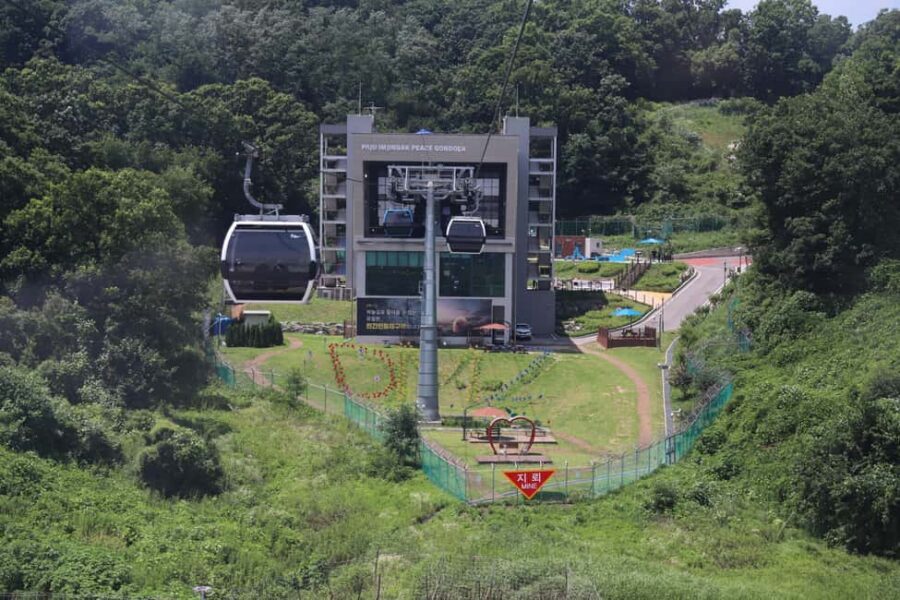
- Dora Observatory gives you a rare look toward North Korea when weather cooperates
- Imjingak and the Bridge of Freedom set the emotional tone with reunification themes
- 3rd Infiltration Tunnel is the day’s most physical moment, with a steep descent and return
- Unification Village mixes history with practical shopping for peace-themed souvenirs
- Optional Gamaksan Suspension Bridge adds a scenic hike and a Korean War story tied to British troops
Entering the DMZ From Seoul: what the day really feels like
A DMZ tour in South Korea is unlike most city sightseeing. You’re not just visiting sites. You’re stepping into a live boundary system that’s shaped by military rules, geography, and still-developing politics. That matters, because you’ll feel the seriousness in how the day is run—checkpoints, clear instructions, and a tight schedule.
The tour runs about 7 to 9 hours, and it’s offered Tuesday to Sunday for the DMZ route with the suspension bridge option. You’ll ride in an air-conditioned coach or minivan, with roundtrip shared transfer and usually a pickup from central Seoul areas like Gangnam, Myeong-dong, Gwanghwamun, Itaewon, and Dongdaemun (or a nearby central meeting point if your exact hotel is hard to access).
For me, the value sits in the structure: you get transportation, entry fees, and a licensed English-speaking guide who keeps the story connected from place to place. This isn’t the kind of day where you want to freestyle directions.
You can also read our reviews of more tours and experiences in Seoul.
Imjingak Park and the Bridge of Freedom: history meets emotion
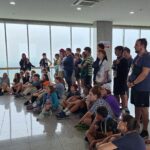
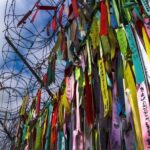
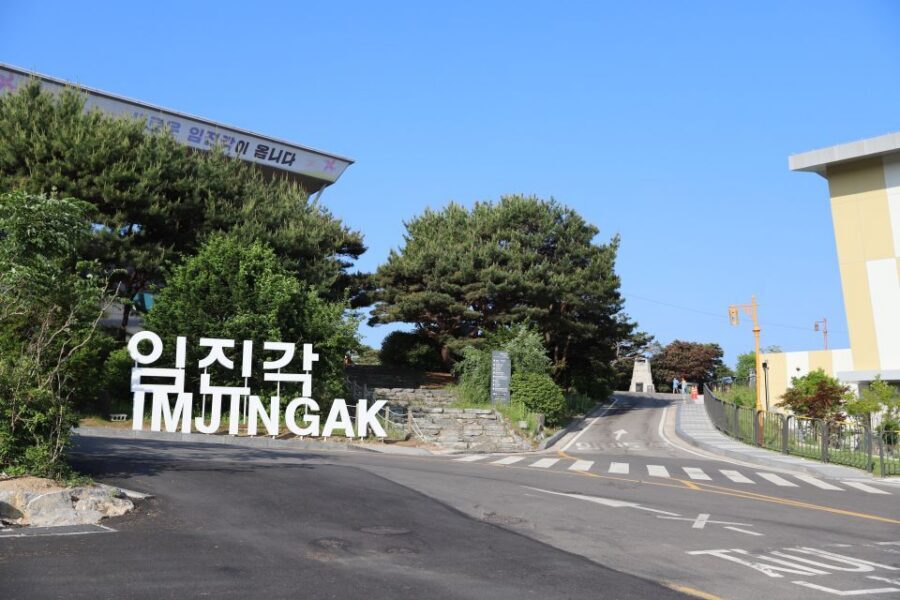
The day starts around Imjingak Park, and from there you’ll work your way through the most symbolic start point: the Bridge of Freedom. The guide leads you through about an hour at Imjingak, then you spend focused time at the bridge itself.
What makes this stop work isn’t just what it represents on a sign. It’s how it frames the rest of the day. The Bridge of Freedom is tied to the hopes of separated families and the long wish for reunification. It’s an emotional entry point before you move into harder, more technical details.
Practical tip: be ready for walking on uneven ground and time standing while the group regroups. If you’re prone to getting rushed by timed tours, this is the moment where a good guide’s pacing helps. One reason guides like Winnie and Kenny get repeatedly praised is their ability to keep groups moving without turning the day into chaos.
DMZ Theater, Exhibition Hall, and the lead-up to the tunnel
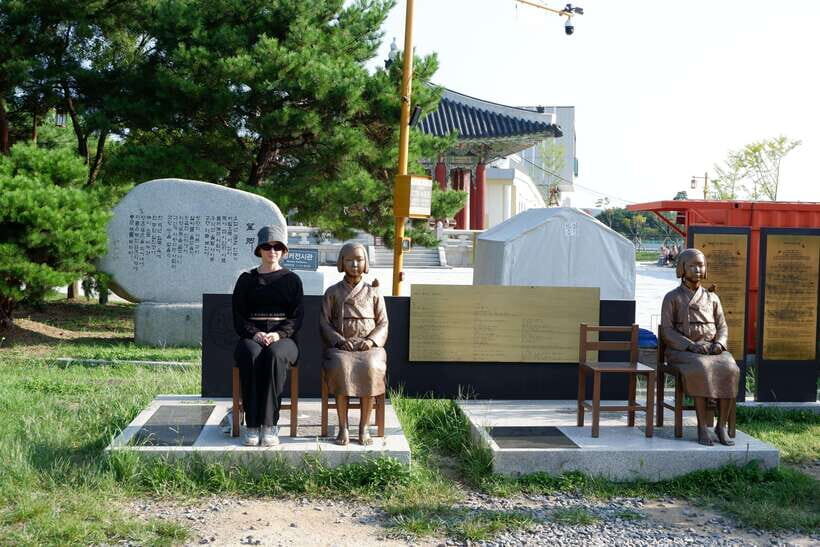
After the bridge area, you’ll visit the DMZ Theater for a short video presentation, then continue to the DMZ Exhibition Hall for context about the Korean conflict and the ongoing tensions of the area.
This is where the tour earns its credibility. The theater and exhibition give you the “why” before the “what.” Without that, the tunnel would just feel like another attraction. With it, you start to understand what “infiltration” meant in the real planning of war—and why the DMZ is treated so seriously by both sides.
Expect brief but meaningful interpretation time. The day moves fast, but this part helps you connect dots instead of collecting random facts.
The 3rd Infiltration Tunnel: the physical stop you’ll remember
If you do just one thing on this tour besides looking from above, it’s the 3rd Infiltration Tunnel. The group descends into a covert underground passage and you’ll walk through a segment open for public viewing, led by the guide.
Here’s the real-world consideration: the tunnel walk is not flat or easy. The slope is steep, and it can take 30–40 minutes round trip on foot. That’s not just time on a clock—it’s time with gravity working against you on the descent and return.
The tour notes that this part can be challenging for children and the elderly, and it’s possible to wait in front of the tunnel. In other words, don’t assume you’ll move exactly when you want to.
Practical advice:
- Wear closed-toe shoes with grip.
- Keep a steady pace and don’t rush the slope.
- If you’re nervous about exertion, plan your energy early in the day, because the tunnel comes before the big Dora Observatory view.
More than one guide story in the feedback highlights energy and safety management. On days with multiple security checkpoints, a guide who gives clear instructions helps you stay calm and moving.
Dora Observatory on Mount Dora: the “North Korea view” moment
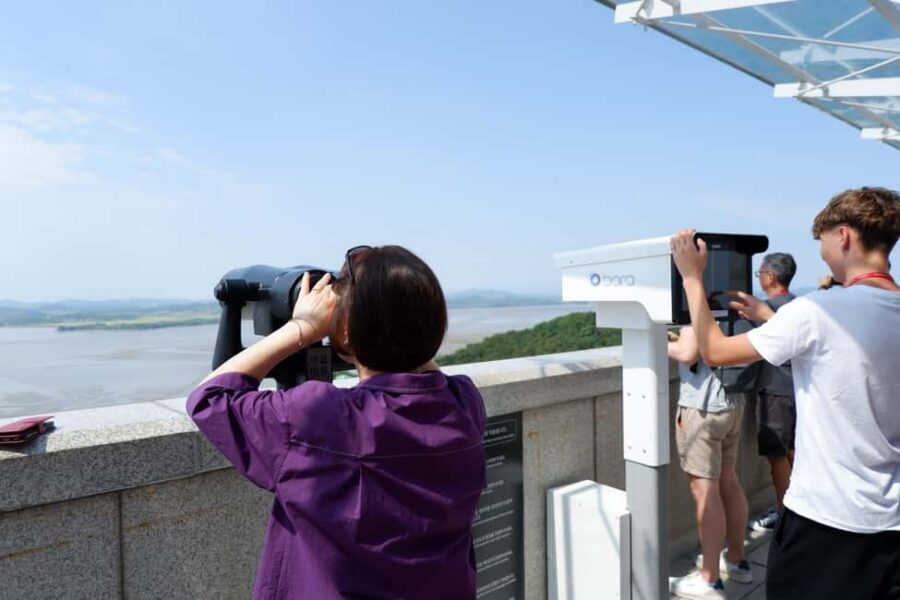
Next you head to Mount Dora for the Dora Observatory. You’ll have about one hour here with guided time, plus the chance to take in wide views across the Demilitarized Zone, including glimpses of North Korean territory and the border villages.
A key detail: the DMZ buffer zone is 4 kilometers wide, created after the 1953 Korean War armistice. Standing at Dora makes that fact feel real in a way that reading about it never does.
Weather can change what you see. Some days, visibility is limited, and you’ll get less of the distant detail. When that happens, the guide’s job becomes even more important—turning what you can see (and what you can’t) into a clear explanation of the border geography.
This is also the stop where many people take their strongest photos. You’ll want to stay patient with the viewing areas and follow the group’s timing so you don’t miss the guide’s explanation while everyone else is trying to line up for the same angles.


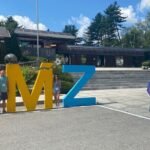
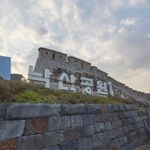

Unification Village: farming calm and peace-themed shopping
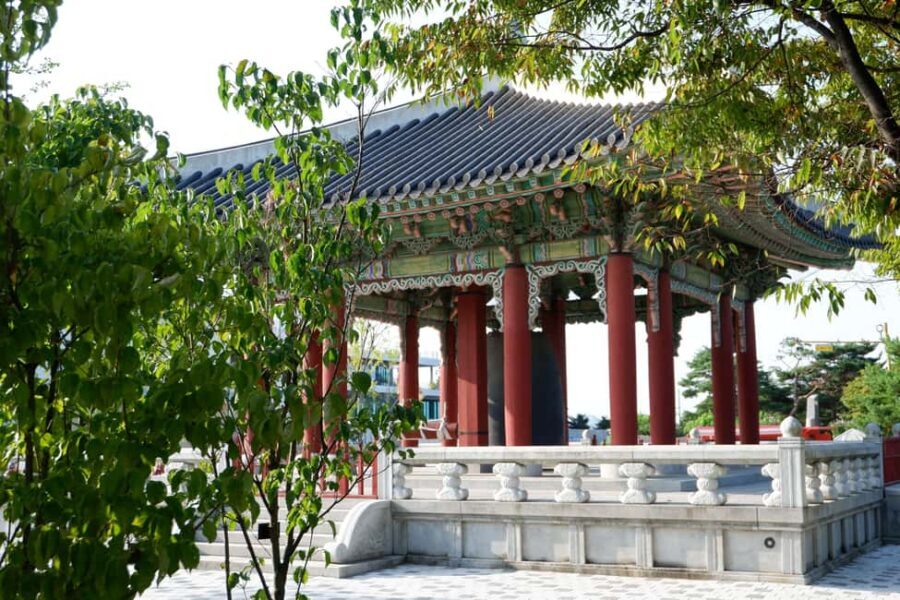
After the observatory, the tour heads to Unification Village, a nearby farming community close to the border. You’ll get about 30 minutes there with guided time.
This stop has a different tone than the tunnel and observatory. It’s about ordinary life next to the boundary—where the day’s themes shift toward reconciliation and future hope.
What you can do there is practical: you’ll be able to shop for locally made products and symbolic souvenirs. The tour information also says you may occasionally find North Korean goods, which is a rare and sensitive kind of souvenir category. Treat it as that—something meaningful, not just a trinket.
Practical tip: bring small bills or confirm card options on the day, since you’ll likely be making quick purchases during your short free time. And remember the vibe here is gentle. Keep it respectful.
Optional Gamaksan Suspension Bridge: a hike with war history behind it
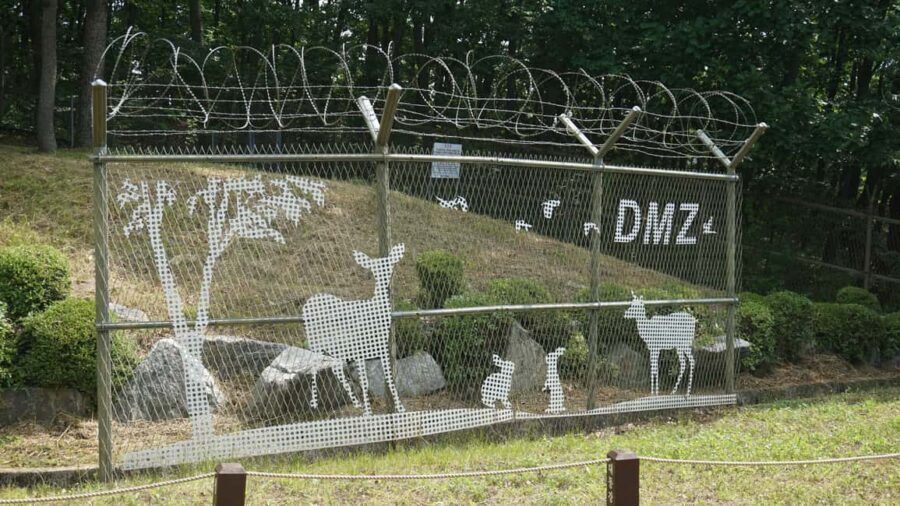
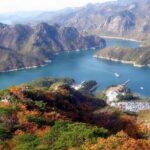
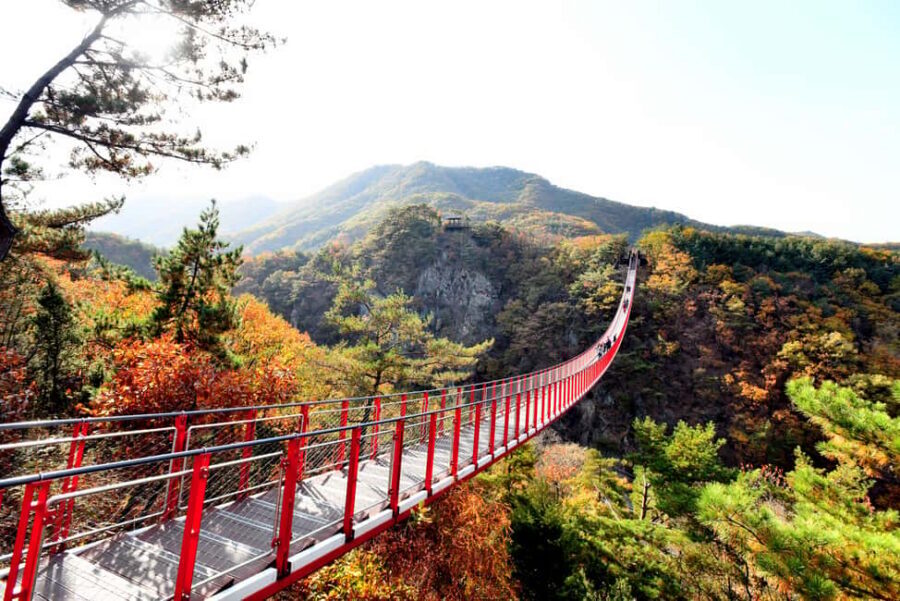
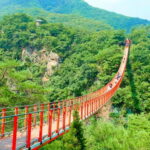
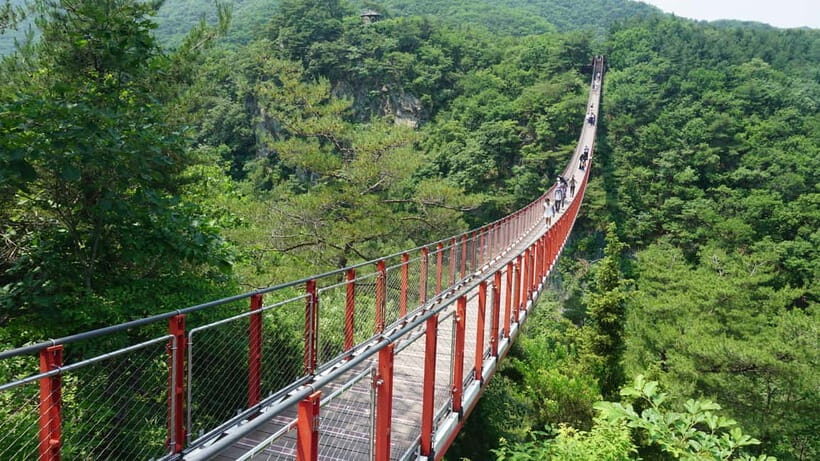
If you choose the version that includes it, the day adds Gamaksan Suspension Bridge. The guided time is around 45 minutes, but the important number is what comes with it: the suspension bridge stop involves a 40-minute hike, so you need comfortable shoes.
This part adds two things:
- A scenic break after the tunnel and observatory.
- A historical layer. The bridge is tied to a courageous battle involving British troops during the Korean War.
Photo-wise, it’s one of the better “stand here and look around” moments. You’ll get different angles than the observatory provides, and it feels more like a nature viewpoint mixed with war memory.
If you’re deciding whether to include the bridge, use this rule: if the tunnel already sounds intense to you, consider skipping the suspension bridge option. If you can handle a hike and want extra photo opportunities, this addition is worth it.
Ungye Falls photo stop and how the pacing works
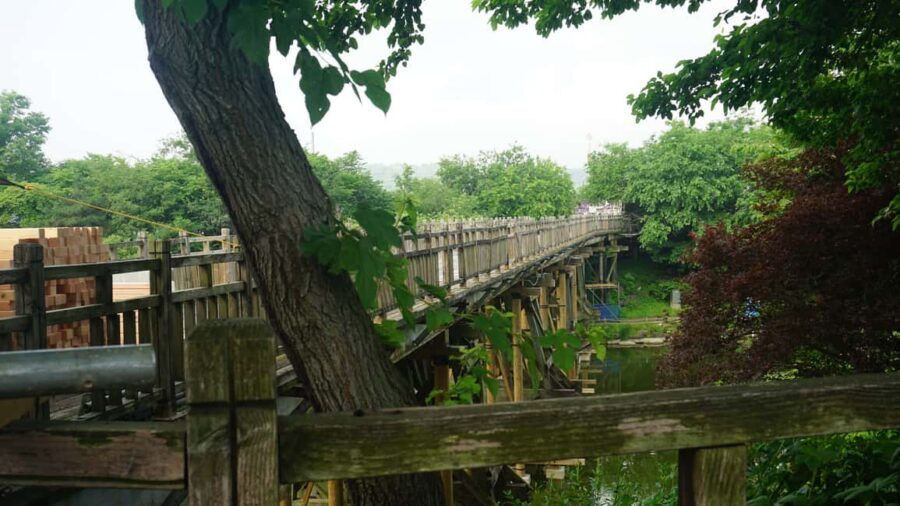
Near the end, there’s a short photo stop at Ungye Falls (around 10 minutes). It’s not the main event, but it gives you a quick reset—like a breath before the ride back to Seoul.
The overall pacing matters because the day includes multiple guided segments and travel time (around one hour to reach the DMZ area, then another one hour back). A well-run tour keeps those transfers from becoming boring time. In feedback, several guides were praised for keeping the bus ride productive, including using on-board visuals to explain sites.
The best part of a good pace is simple: you don’t feel rushed at the places that matter most (tunnel, observatory, and bridge sites), and you don’t lose time waiting around without context.
Price and value: what $45 actually buys you
At about $45 per person, this tour can feel like solid value when you consider what’s included:
- Roundtrip shared transfer from central Seoul areas (or a nearby central meeting point)
- Air-conditioned transportation
- Entrance fees
- A licensed English guide
- A full day built around multiple DMZ sites
What’s not included is also clear: food and drinks. That means you should plan on buying a meal during the day or bringing snacks if the schedule allows (you’ll still need to follow any site rules on food and drinks).
Is $45 cheap? For a full guided day with entry fees and major sites, it’s competitive. The real value is that you’re paying for coordination and interpretation. DMZ logistics and security require order, and trying to handle that solo is usually a headache you don’t need.
One more value note: the guides’ quality is strongly reflected in feedback, with people specifically praising organization, humor, and clear English. On a day this structured, guide skill isn’t a luxury. It’s part of what you’re paying for.
Who should book this DMZ tour (and who should skip the bridge)
This tour is a strong fit if you want:
- A guided, English-first day focused on the DMZ’s major sites
- A rare view from Dora Observatory
- A serious look at Korean War-era infrastructure like the 3rd Infiltration Tunnel
- Optional extra scenery and photos via the Gamaksan Suspension Bridge
It’s also family-friendly in the sense that the information is explained for a range of ages, but the physical reality matters. The tunnel walk includes steep parts, and the suspension bridge hike is real walking.
If you have heart issues or mobility concerns, the tour notes it’s not suitable for people with heart problems and not for wheelchair users. Even if you’re generally healthy, plan conservatively. This is a full day with walking and steep segments.
Should you book this DMZ tour from Seoul?
Yes—if your priority is a well-structured, English-led DMZ day that hits the major “you can only do this here” stops. The combination of Imjingak’s Bridge of Freedom, the 3rd Infiltration Tunnel, and the Dora Observatory view is the core reason to go, and the optional Gamaksan Suspension Bridge is a smart add-on for extra perspective and photos.
Skip or reconsider if you don’t want a workout day. The tunnel and suspension bridge are not strolls, and weather can limit what you see from Dora Observatory. Also note that JSA/Panmunjom is not visited, so if that specific site is your must-see goal, you’ll need a different plan.
FAQ
How long is the Seoul DMZ tour with the optional suspension bridge?
The tour duration is about 7 to 9 hours.
Is JSA (Joint Security Area/Panmunjom) included in this tour?
No. A visit to JSA/Panmunjom is not included.
What language is the tour guide?
The tour provides a live English tour guide.
Where can I get picked up in Seoul?
Pickup is optional from centrally located Seoul hotels such as Gangnam, Myeong-dong, Gwanghwamun, Itaewon, and Dongdaemun. If your hotel is difficult to access, the guide meets you in front of the nearest central hotel or nearest subway station.
What do I need to bring?
You need to bring your passport.
What should I wear for the 3rd tunnel and Gamaksan Suspension Bridge?
Comfortable shoes are strongly recommended. Flip-flops, slippers, and shoes with heels are not recommended, and the 3rd tunnel includes a steep slope. The suspension bridge also involves a hike.
What if the itinerary changes due to weather or military/government regulation?
The trip may be canceled without prior notice, and the itinerary can change due to weather, military, and government regulation factors. If changes happen, you may visit alternatives such as Art Space BEAT 131, Odusan Unification Observatory, and the War Memorial of Korea, and refunds are not offered.