REVIEW · SEOUL
Seoul: Perfume-Making Workshop in a Hanok
Book on GetYourGuide →Operated by PROUST · Bookable on GetYourGuide
A hanok and perfume. That mix makes this workshop feel calmer and more personal than the usual city rush. I like the 500+ fragrance materials (including niche-style and natural scents), and I love the patient, step-by-step guidance that helps you build a blend you actually want to wear. The one drawback to plan for is that the meeting spot is a little tricky to find on first pass—so get your map app ready.
This is a 90-minute custom perfume class near Daehakro, but inside it feels separate from the street noise. You’ll pick a scent direction, adjust your blend with expert help, and leave with your own bottle. Guides such as Helen, Dongyeon, and Yunvin are involved, and they’ve worked on scents for major brands and hotels, so you’re not just playing mixing games.
In This Review
- Key Highlights at a Glance
- Entering The Quiet Hanok in Daehakro
- Finding the Meeting Point (Eunhaenggol Alley Tip)
- The 90-Minute Timeline: What Happens Step by Step
- 1) Get your scent direction
- 2) Explore, smell, and narrow down ingredients
- 3) Select a core material and begin blending
- 4) Adjust balance twice for the final mix
- 5) Bottle it and take it home
- Why 500 Ingredients Isn’t Just a Number
- The Seven Fragrance Types: A Shortcut to Choosing
- Blending Like a Chemist, Without the Headache
- Your Take-Home Bottle (And a Reason to Reorder)
- Price and Value: Why $49 Makes Sense Here
- Who This Workshop Is Best For (And Who Might Skip It)
- Practical Tips Before You Go
- Should You Book This Hanok Perfume Workshop?
- FAQ
- How long is the perfume-making workshop?
- How much does it cost?
- What do I take home at the end?
- Where do I meet the staff?
- What languages are available for the instructor?
- Do you use a wide range of scents and ingredients?
- How many scent types can I choose from?
- Is the workshop wheelchair accessible?
- Is there free cancellation?
- Can I reserve now and pay later?
Key Highlights at a Glance
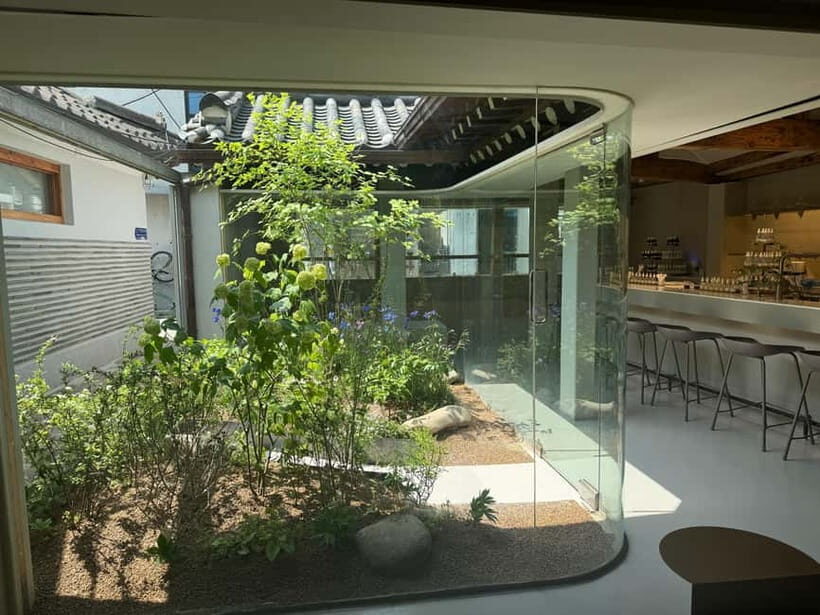
- Hanok setting near Daehakro: peaceful atmosphere with the city close by
- 500+ fragrance materials: lots of options, including niche and natural scents
- Guided blending process: choose a core material and adjust balance twice for your final mix
- Pick your scent direction: explore among seven representative fragrance types
- Take home your bottle: a personal 50ml perfume bottle (confirm size if you want exact details)
- English + Korean instruction: helpful for first-timers
Entering The Quiet Hanok in Daehakro
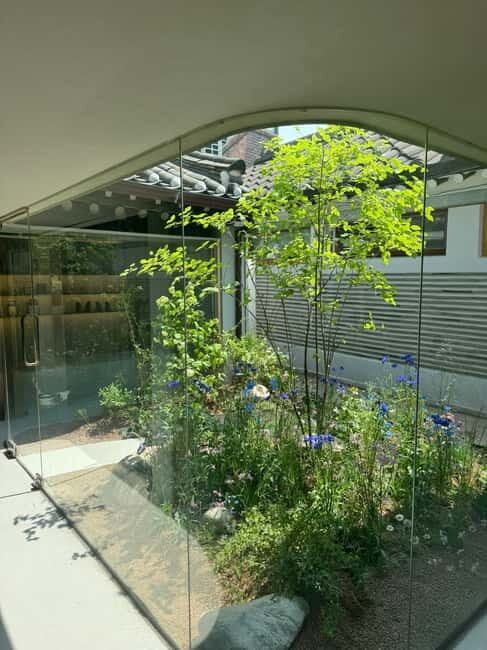
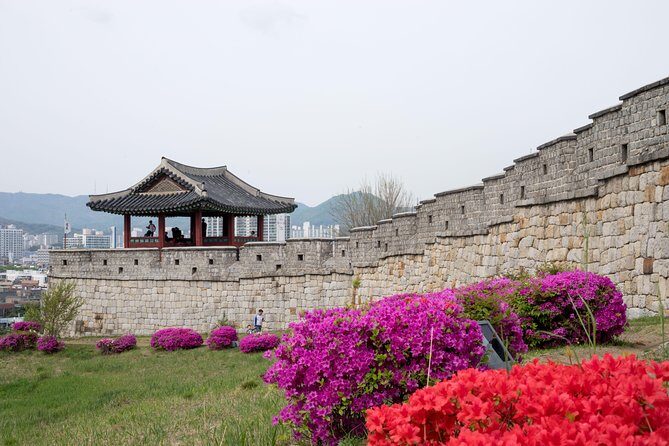
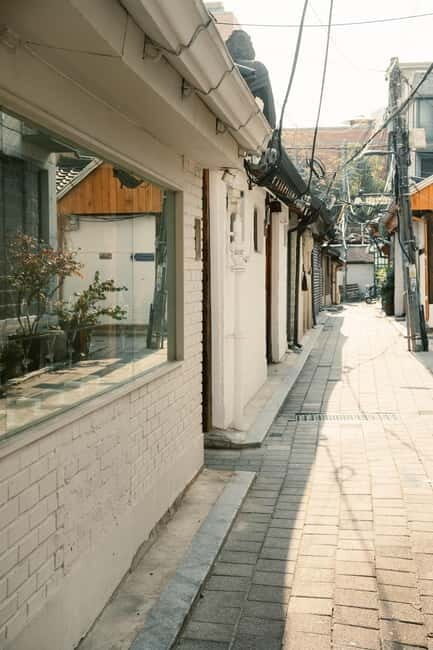
Seoul can be loud. This workshop is designed to be the opposite. The class happens in a traditional hanok, and that matters more than it sounds. When you’re smelling 100 tiny aromas in a row, a calm space helps your nose (and your mood) stay clear.
You’ll be near Daehakro, the area known for its lively streets, cafes, and foot traffic. But once you step into this hanok, the tone shifts fast. Several parts of the experience are built around that slow, unhurried pace: you have time to think, sniff, and compare before you lock in measurements.
Also, the practical side is good. The session is taught in English and Korean, and the workshop is wheelchair accessible, so you’re not forced into a “works only if you can climb” situation.
You can also read our reviews of more tours and experiences in Seoul


Finding the Meeting Point (Eunhaenggol Alley Tip)
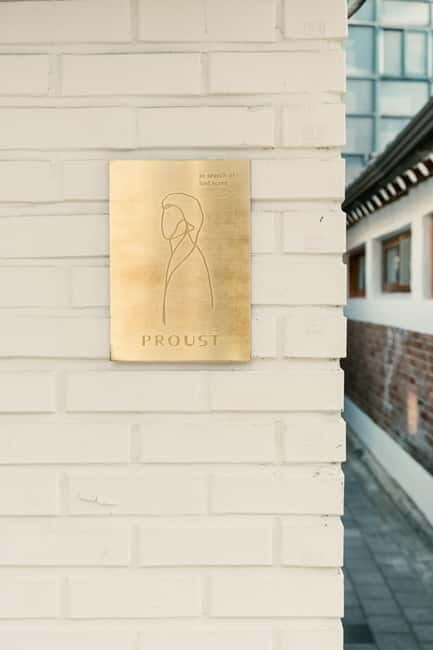
The meeting point is specific: it’s the first shop in the alley inside the tuna restaurant called Eunhaenggol. That’s simple on paper and slightly annoying in real life, especially if you rely on the wrong navigation app.
If you’re coming from central Seoul and you tend to use Waze-type routing, you might lose a few minutes. I’d plan to use a Korean map app route approach so you land in the right alley quickly. Once you’re there, the start is smooth, and staff handle the check-in without turning it into a hassle.
If you’re doing this as part of a day plan, give yourself a small buffer. Ninety minutes passes quickly when you’re concentrating on scent notes and measurements.
The 90-Minute Timeline: What Happens Step by Step
This workshop runs for 90 minutes, and the flow is structured enough that first-timers don’t feel lost. Here’s what you should expect in order.
1) Get your scent direction
You start by mapping what you like. The process includes a short questionnaire and then a guided way to match your preferences with scent ingredients. The instructors use a comparative approach tied to your perfume keyword and then filter through 500 kinds of fragrance ingredients.
This is the part that makes the class valuable. Instead of tossing you a menu and hoping you can already “speak perfume,” they help you form a starting point. You’ll also choose your type among seven representative fragrance types, which gives you a framework for deciding what direction your scent should go.
2) Explore, smell, and narrow down ingredients
Once you have a direction, you’ll test ingredients and build toward a final blend. The room is set up so you can compare materials side by side. You’re not just choosing one note—you’re learning how different materials work together.
The best part for most people is that you’re encouraged to go slowly. The instructors are careful about helping you land on ingredients that match what you want, not just what sounds good on a label.






3) Select a core material and begin blending
You’ll pick a core material (think of it as the foundation tone of your fragrance). Then you start blending different ingredients around it.
This isn’t vague “mix until it smells nice” work. You’re guided through ratios and balance so the scent comes out coherent, not random.
4) Adjust balance twice for the final mix
A key detail: the blend gets adjusted twice. That means you don’t just create once and hope. You refine after the first pass, then refine again for the final result.
If you’ve ever made something by instinct and it turned out okay but not great, you’ll understand why this matters. The second adjustment is where your final perfume starts to feel like it belongs to you.
5) Bottle it and take it home
At the end, you receive your finished perfume in a bottle. The workshop summary states a 50ml take-home bottle. One participant noted receiving a 40ml bottle, so if you want absolute certainty, ask your instructor or the operator when you book.
You also walk away with a recipe-type memory: the shop keeps your info for future ordering, which makes this more useful than a one-and-done souvenir.
Why 500 Ingredients Isn’t Just a Number
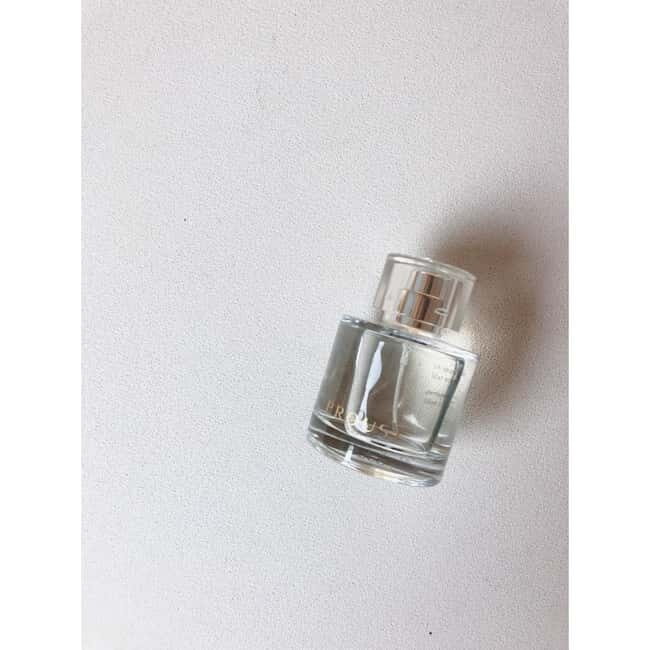
“500” could sound like marketing fluff. Here, it means you’re able to create something more specific than the common floral-or-citrus choices.
The ingredient list is described as including materials used in niche perfumes as well as more natural scent options. That range matters because you might like a perfume style that isn’t always available as standard department-store notes. If you’ve ever smelled something expensive and thought, I want that exact vibe, this is where you can work toward it.
You’ll also notice the workshop is guided around comparison. Your fragrance keyword helps narrow the field, and then the instructors help you choose ingredients that fit your direction. That makes the experience easier even if you’re not a perfume expert.
And yes, it can feel like a lot at first. That’s why the calm environment helps. You’ll be smelling materials for longer than you expect, so you want a setting where you’re not rushed.
The Seven Fragrance Types: A Shortcut to Choosing
One of the smartest parts of the workshop is that it gives you seven representative fragrance types. Instead of trying to pick notes like a perfumer on your own, you start by choosing the type that matches your taste.
From there, instructors help you explore ingredients suitable for your scent through analysis and comparison. In plain terms: you don’t just pick random smells. You choose a style lane, then build within it.
This is especially helpful if you’re:
- new to perfumery and don’t know what you like yet
- the kind of person who likes trying “a bit of everything” but needs structure
- buying a gift and want something personalized
If you’re already obsessed with perfume notes and you know what you want, you’ll still appreciate the structure. It turns your knowledge into a real finished bottle instead of endless sniffing.
Blending Like a Chemist, Without the Headache
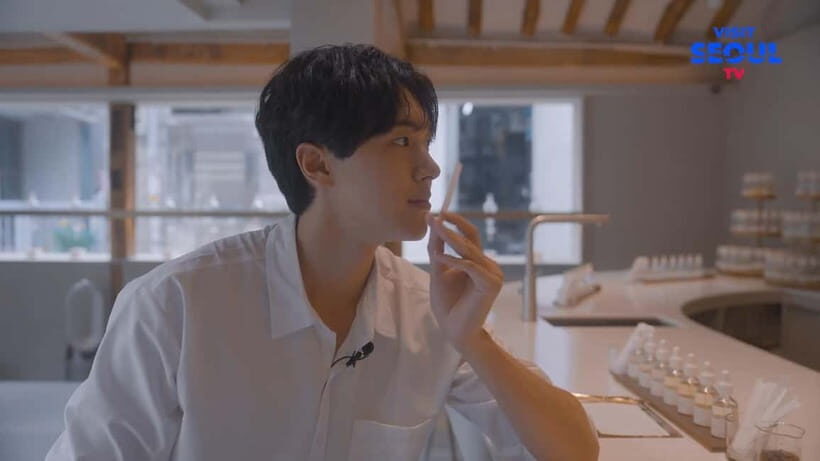
The workshop has a fun, science-y feel. You’ll feel like a small-scale perfumer, working with ratios and balance. But it never turns into a chemistry lecture.
Instructors are set up to help when you get overwhelmed by too many scent samples. Several guide interactions are described as patient and calm, with step-by-step instruction and advice on whether ingredients work together.
That’s a big deal. Perfume matching is tricky. Something that smells good alone can fight with another material once mixed. The workshop’s design pushes you to test compatibility, then adjust the blend until it feels right.
And because the blend gets corrected twice, you’re not stuck with a first attempt that just isn’t it. You refine. You get to the version that makes you say, yes, this is mine.
Your Take-Home Bottle (And a Reason to Reorder)
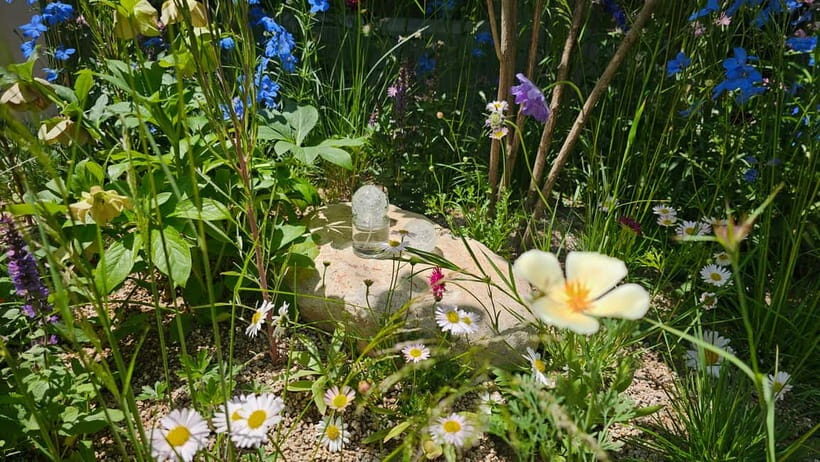
This class isn’t just an experience. You leave with a bottle of your own scent. The provided details say 50ml, and that’s a meaningful size for daily use. If your bottle is slightly different (like the 40ml note mentioned by one participant), you’ll still have enough to wear and evaluate over time.
The other practical win: the shop keeps your information if you want to purchase more later. That turns your perfume from a holiday novelty into something you can actually keep using.
For many people, that’s the real value. It’s not only the memory of making it. It’s that you can keep wearing the result without trying to recreate it from scratch.
Price and Value: Why $49 Makes Sense Here
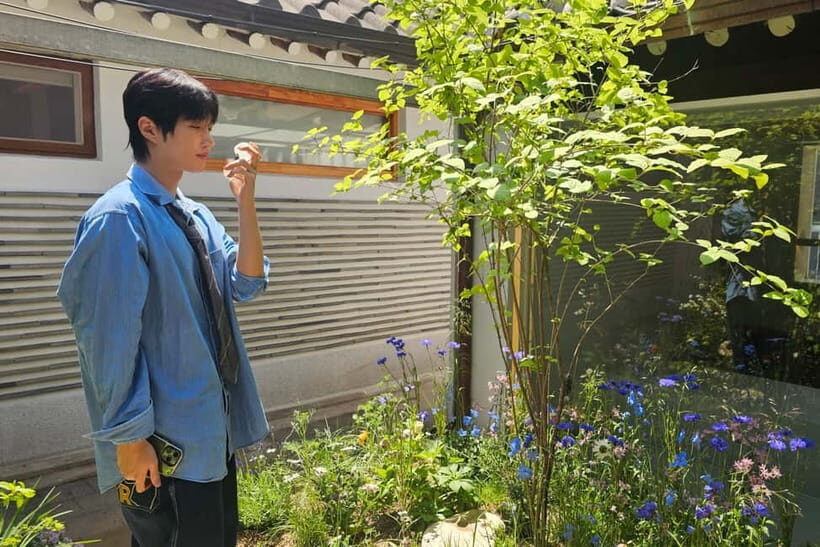
At $49 per person for a 90-minute workshop with a finished bottle, the value is strong because you’re getting three things most “souvenir” activities don’t offer:
1) Expert time
You’re guided through selection, blending, and two rounds of balance adjustment.
2) Premium material access
You’re choosing from 500+ fragrance materials. That range is hard to recreate yourself.
3) A take-home product
A personal bottle is included in the price, not something you pay extra for.
In other words, you’re paying for guidance and ingredients, not only for the act of mixing. If you like hands-on activities and you enjoy scent, this is one of the more practical classes in Seoul for your money.
Who This Workshop Is Best For (And Who Might Skip It)
This workshop is perfect if you:
- like hands-on experiences that result in a personal item
- want a Korean-themed, meaningful souvenir
- enjoy scent discovery and want niche-style or natural options
- want something calmer than a typical “tourist sprint” plan
It’s also a good date idea. The atmosphere is described as relaxing and unhurried, so couples and friends can enjoy the process together without feeling rushed.
If you’re the kind of person who thinks perfume is boring or you rarely wear fragrances, you might still find it interesting because you’ll learn how ingredients build personality in a scent. Still, be honest with yourself: if you don’t like smelling and comparing, your enjoyment will depend on how much you let the process happen.
Practical Tips Before You Go
Here are a few smart moves that make the class easier and more satisfying.
- Think in vibes, not note names. If you can describe how you want to feel (clean, warm, fresh, soft, mysterious), that’s enough for the instructor to guide you.
- Don’t rush your choices. You’ll have time to smell and decide, and the calm pacing is part of the point.
- Wear something neutral beforehand. Strong perfume or strong deodorant can interfere with how you perceive the ingredients.
- Plan a slow afternoon, not a tight schedule. Ninety minutes goes fast once you’re adjusting ratios twice.
- Confirm bottle size if it matters to you. Most info points to 50ml, but one participant mentioned 40ml—so a quick check is worthwhile.
Should You Book This Hanok Perfume Workshop?
If you want a Seoul activity that feels personal, calm, and genuinely useful after the class, I’d book this. The hanok setting gives you the right mood, and the process is structured enough that you won’t end up with a random mix. The big value is the combination of 500+ ingredients, guided blending (including two balance adjustments), and a take-home bottle.
Book it if you’re curious about scent, like creative classes, or want a gift that isn’t generic. I’d also book it if you want a break from Seoul’s fast pace and prefer a quieter, hands-on afternoon.
FAQ
How long is the perfume-making workshop?
The workshop duration is 90 minutes.
How much does it cost?
The price is $49 per person.
What do I take home at the end?
You take home a finished perfume bottle. The main details state a 50ml bottle, and one participant mentioned a 40ml bottle, so it’s smart to confirm the exact size when booking.
Where do I meet the staff?
Meet at the first shop in the alley inside the tuna restaurant called Eunhaenggol.
What languages are available for the instructor?
The instructor offers English and Korean.
Do you use a wide range of scents and ingredients?
Yes. You can choose from over 500 fragrance materials, including niche-style and natural scents.
How many scent types can I choose from?
You explore among seven representative fragrance types as part of the process.
Is the workshop wheelchair accessible?
Yes, it is wheelchair accessible.
Is there free cancellation?
Yes. You can cancel up to 24 hours in advance for a full refund.
Can I reserve now and pay later?
Yes. You can reserve now & pay later.