REVIEW · SEOUL
Seoul: Korean Cooking at Seoul Cooking Club!
Book on GetYourGuide →Operated by Seoul Cooking Club · Bookable on GetYourGuide
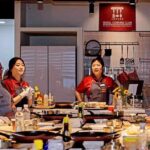
Korean cooking gets real fast. In a 150-minute class in central Seoul, you cook multiple dishes at your station, then sit down for a three-course meal with about ten tastings. You’ll learn by doing, starting with Jeon (Korean small pancakes) and moving into classic mains like japchae and bulgogi.
I especially like the focus on step-by-step English instruction, with chefs guiding you through technique and timing. I also like the take-home parts: you leave with the know-how, plus a recipe book and leftovers in a takeout container.
The only real drawback is the price. At $109, this is a hands-on experience, not a quick snack stop, so come ready to cook and eat (and pace yourself).
In This Review
- Quick hits
- Where This Cooking Class Lands in Seoul: Jongno and the Food Walk Advantage
- Price and Value: What $109 Buys You (and Why It Feels Fair)
- The 150-Minute Plan: How the Class Moves From Jeon to Dessert
- Jeon Pancakes: Your Starter Skill Set (3–4 Flavors You’ll Actually Remember)
- The Main Course Trio: Japchae, Bulgogi, and Jeonju Bibimbap
- Banchan Tastings: The Ten-Mini-Meal Training for Your Korean Food Palate
- Dessert and Drinks: Sikhye, Korean Tea, and Bing-su on the Side
- What Makes the Chefs’ English Instruction Work
- How to Show Up Ready: Shoes, Pace, and What You’ll Take Home
- Gluten-Free and Dietary Needs: What You Can Do Without Guessing
- Getting There From Jonggak Station: The Simple Route to the 7th Floor
- Who Should Book This Korean Cooking Class in Seoul
- Should You Book Seoul Cooking Club in Jongno?
- FAQ
- How long is the cooking class?
- What dishes will I cook and eat?
- Is the class taught in English?
- What is included in the $109 price?
- Where do I meet, and how do I get there by metro?
- Is this class suitable for kids, and is there free cancellation?
Quick hits
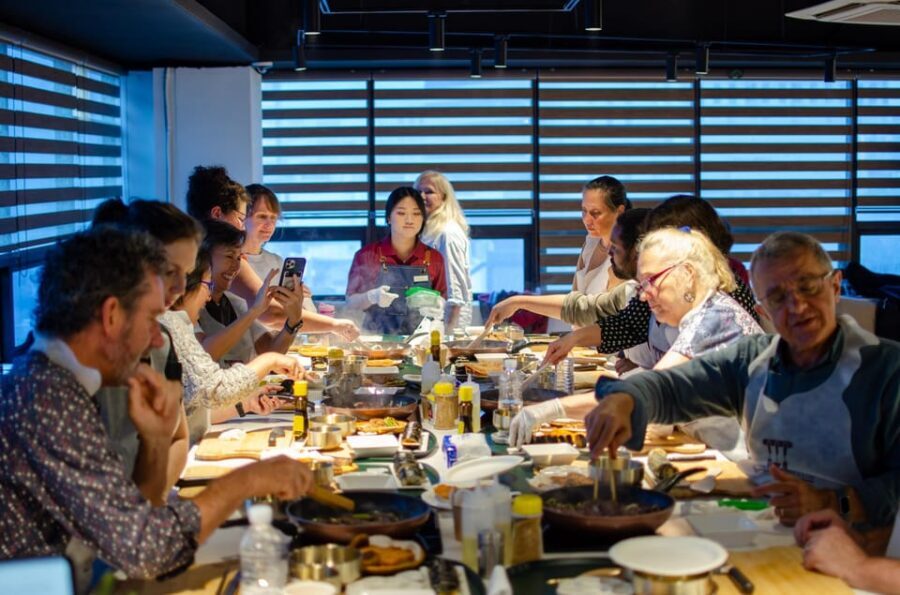
- Make Jeon in 3–4 flavors: options include donggrangttaeng meatballs, pollack pancake, pajeon seafood pancake, beef pancake, tofu pancake, and sesame leaf pancakes
- You get a real Seoul meal pattern: three-course format plus about ten banchan tastings like kimchi and spicy cucumber
- English-speaking chefs and clear pacing: many past sessions highlight patient, step-by-step guidance
- Classic mains with practical payoff: japchae, bulgogi, and Jeonju bibimbap you can replicate at home
- Dessert and drinks included: daily dessert options, often including Bing-su, plus Sikhye and Korean tea
Where This Cooking Class Lands in Seoul: Jongno and the Food Walk Advantage
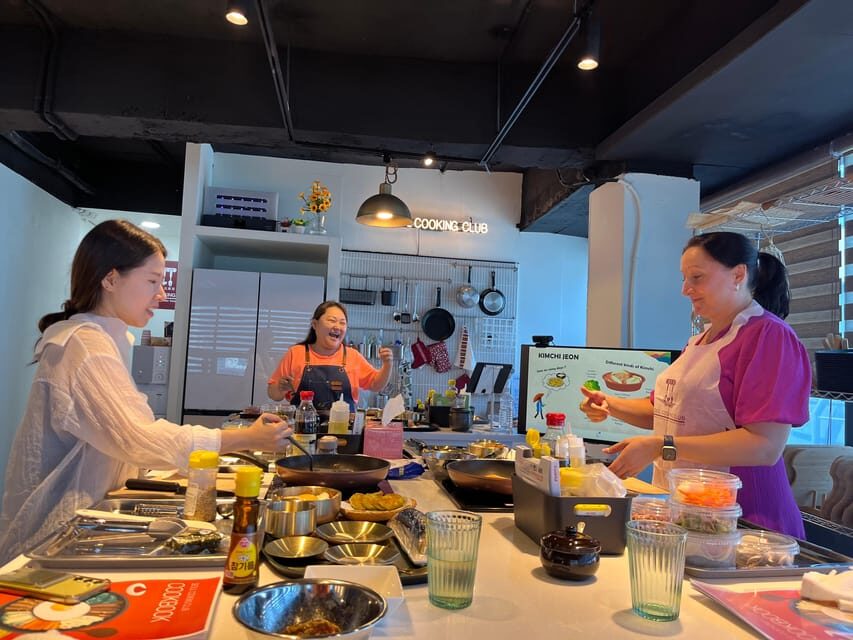
This class is set up for convenience. It’s in central Seoul in Jongno, about a minute from Jonggak Station, so you can fit it between other sights without burning half your day on transport.
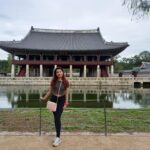
I like that the location also plugs you into the surrounding food world afterward. Jongno puts you near Insadong, Ikseondong, Gwangjang Market, Myeongdong, and even Gyeongbokgung Palace within roughly a 10-minute walk for shopping and wandering.
You can also read our reviews of more cooking classes in Seoul
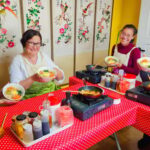
Price and Value: What $109 Buys You (and Why It Feels Fair)
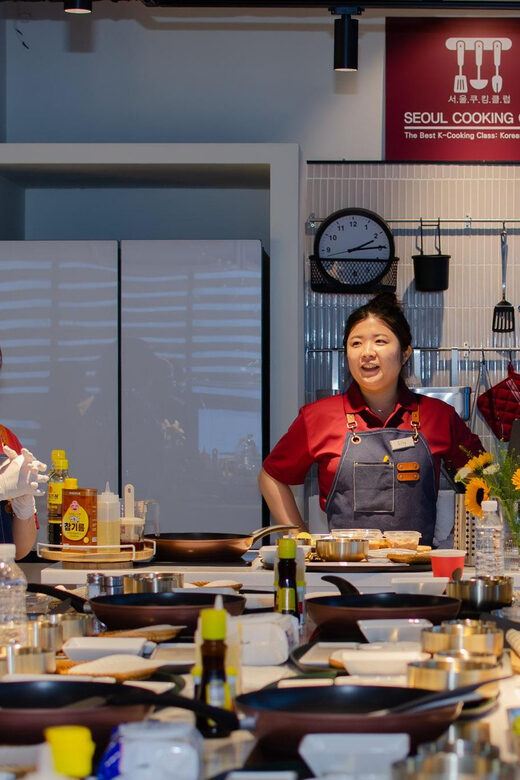
At $109 per person for 150 minutes, you’re paying for more than a meal. You’re paying for hands-on cooking time, instruction in English, the ingredients and tools, and a sit-down eating portion that includes multiple courses and tastings.
For food lovers, the value comes from quantity plus variety. You’re not just eating one dish—you’re cooking Jeon, sharing banchan tastings (about ten), learning mains, and finishing with dessert and included drinks.
One practical note: this isn’t a “watch and sample” class. You’ll be in the prep and cooking flow, so bring an appetite and a calm mindset.
The 150-Minute Plan: How the Class Moves From Jeon to Dessert
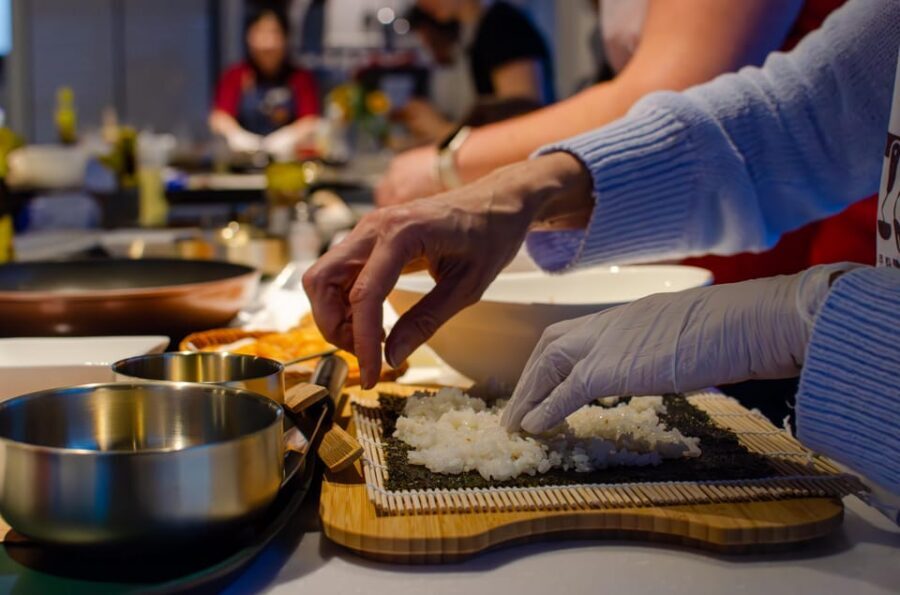
Think of the session as three parts: starters you cook, mains you cook together, then a meal that’s built from the foods you made and the sides you tasted.
It’s designed so you’re never just waiting around. The class structure is hands-on, then it rewards you with time to eat what you worked on. Past participants also describe that prep work is done ahead and cleanup is handled, which keeps the session focused on cooking and eating.
You can also choose your timing. The class runs three sessions from Monday to Sunday, so you can pick a brunch, lunch, or early dinner slot depending on what else you planned that day.
Jeon Pancakes: Your Starter Skill Set (3–4 Flavors You’ll Actually Remember)
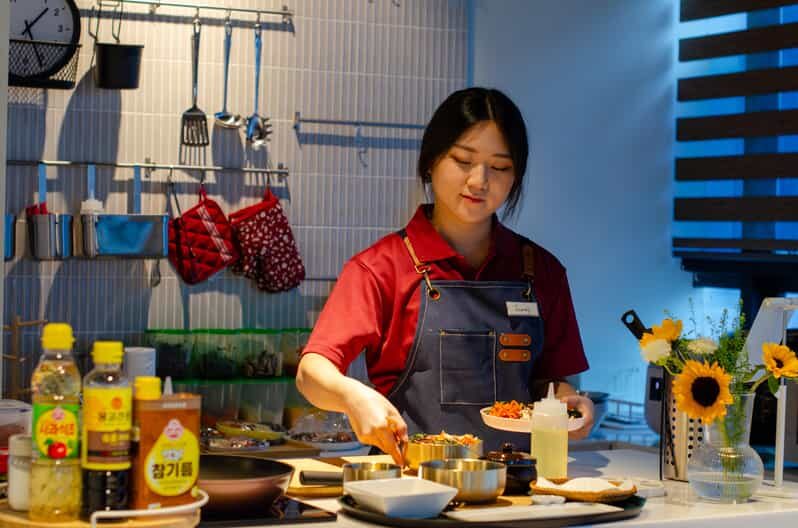
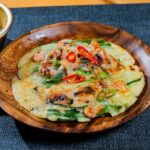
Jeon is where most people start feeling confident fast. You’ll make Korean small pancakes, and you’ll choose 3–4 flavors from a list that can include donggrangttaeng (pan-fried battered meatballs), pollack pancake, pajeon (seafood pancake), beef pancake, tofu pancake, and sesame leaf pancakes.
I like this part because Jeon teaches technique you can reuse. You’re working with batter and fillings, managing heat, and learning what “done” looks like for a pancake texture.
Here’s the practical part for your planning: if you’re nervous about cooking, this is still approachable. It’s hands-on, but the dishes are sized for a class setting, and instructors are set up to explain what to do step by step in English.
The Main Course Trio: Japchae, Bulgogi, and Jeonju Bibimbap
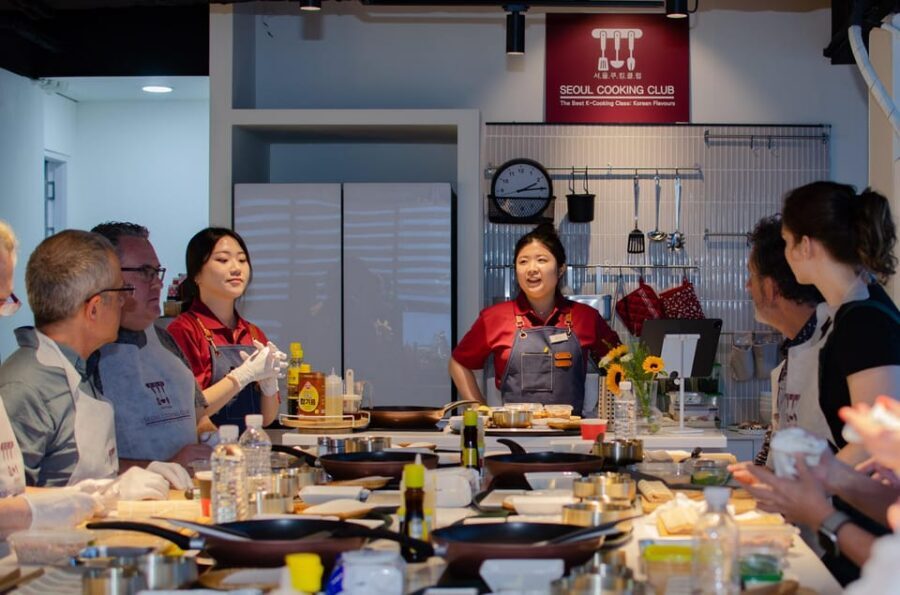
After your Jeon starters, you shift into three main dishes that represent Korean comfort food in different ways.
You’ll work on:
- Japchae: stir-fried vegetables and glass noodles
- Bulgogi: sliced soy sauce seasoned barbecued beef
- Jeonju bibimbap: a bibimbap style you’ll assemble as part of the class flow
I like that the mains aren’t all the same cooking style. Japchae gives you noodles plus vegetables. Bulgogi gives you a classic meat-and-seasoning approach. Bibimbap teaches you how Korean meals often build from components.
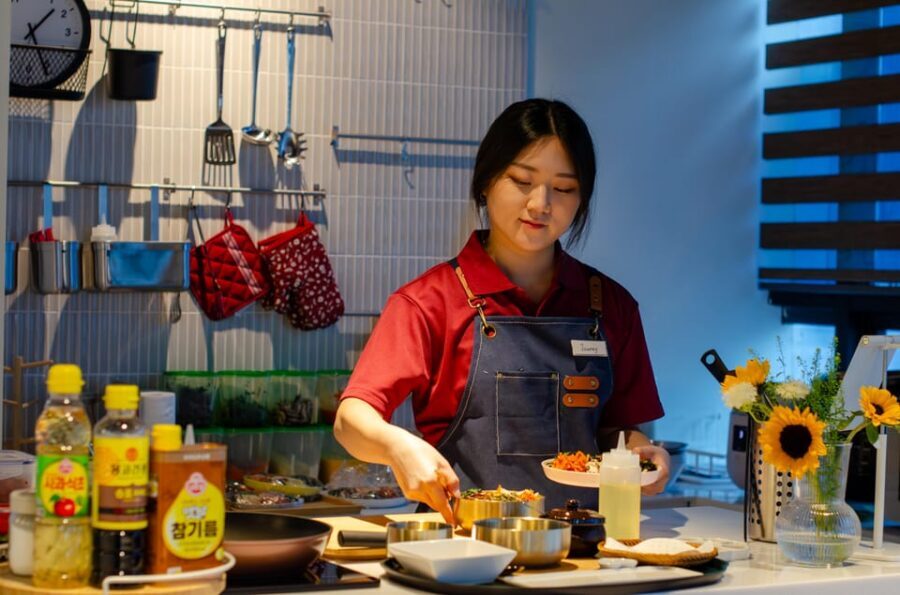
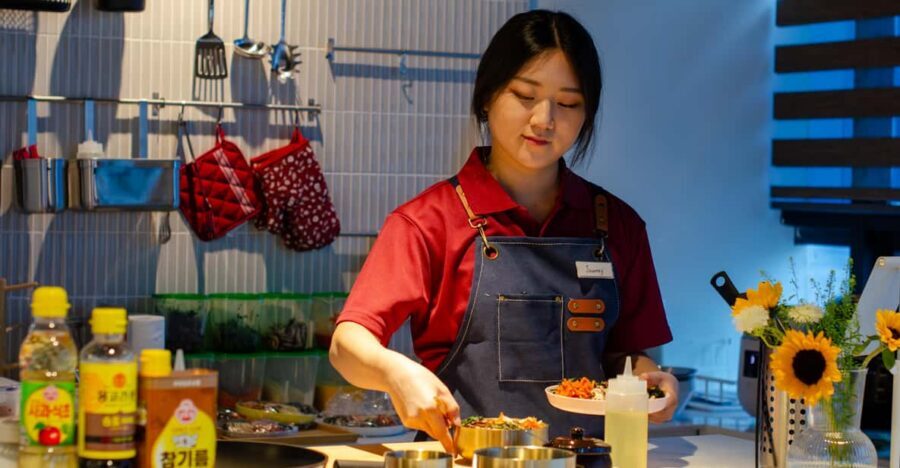
You’ll also get support during the cooking. Many past sessions note that the stations are set up with utensils and ingredients already arranged, plus an assistant-style helper who tidies as you finish steps. That means less fuss, more cooking.





Banchan Tastings: The Ten-Mini-Meal Training for Your Korean Food Palate
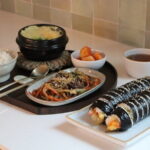
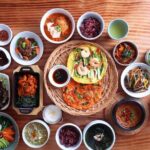
This is where the class turns into a real tasting table. You’ll enjoy a selection of about ten banchan tastings as part of the meal, including options like kimchi, Korean egg-roll, stir-fried anchovy, radish kimchi, seasoned soybean sprouts, seasoned spinach, and spicy cucumber.
I love how this teaches you to “read” Korean dining. Banchan isn’t just side stuff. It’s where you learn how sour, salty, spicy, and savory balance across a meal.
Also, it keeps things fun even if you don’t finish every bite. You get variety without needing to order a dozen dishes.
Dessert and Drinks: Sikhye, Korean Tea, and Bing-su on the Side
The sweet ending is included, and it’s not one static dessert. Dessert options change daily, and Bing-su is mentioned as a popular favorite.
You’ll also get drinks during the class: water, Sikhye (a sweet rice drink), and Korean tea. This matters because Korean meals can be intense in flavor. Having non-alcoholic drinks baked into the session keeps you comfortable while you cook and taste.
What Makes the Chefs’ English Instruction Work
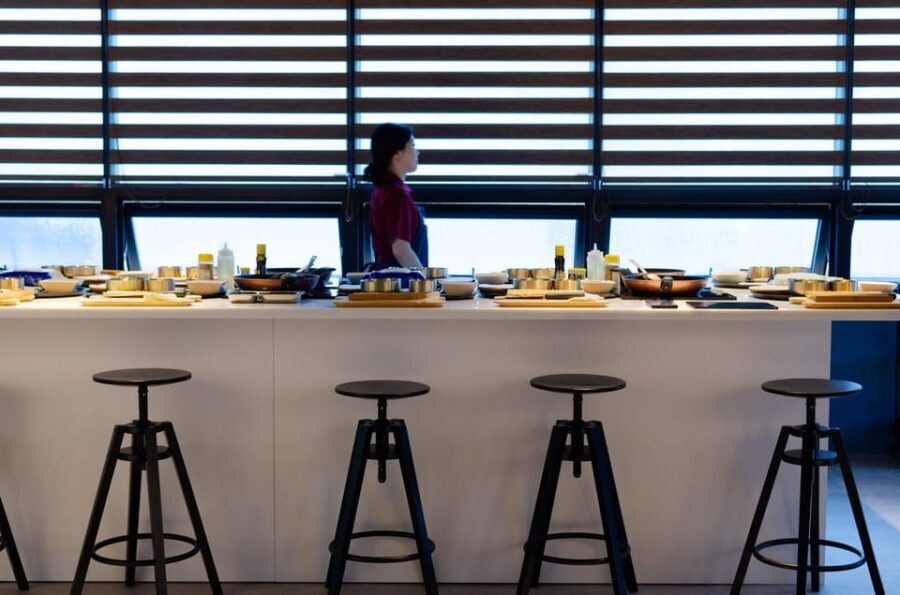
The class is taught by English-speaking chefs, and the teaching style shows up in lots of the feedback. You can expect step-by-step explanations, patience, and time for questions.
Different instructors have led sessions in the past, including names like Sally, Olivia, Elly, and Grace. You’ll probably notice the same teaching vibe across instructors: clear directions at the station, plus added context about where foods come from.
If you’re the kind of traveler who wants to understand the why behind the cooking, this is a good setup. The class is built to connect the dish to its background while you’re actively making it.
How to Show Up Ready: Shoes, Pace, and What You’ll Take Home
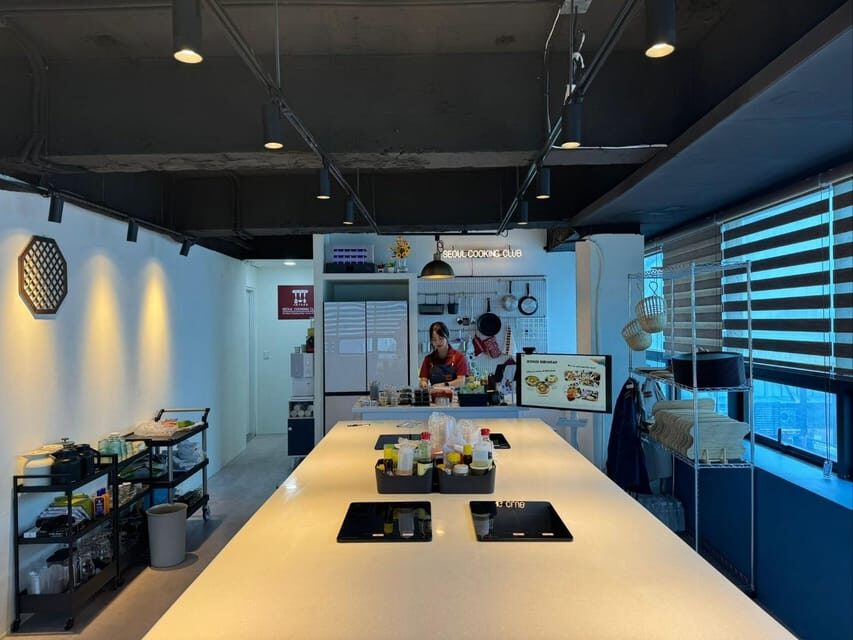
There are a few simple prep tips that make the class smoother.
- Wear closed-toe shoes
- Come hungry, but plan to pace yourself
This session tends to be food-heavy, and many participants report leaving very full. That’s normal here because you’re cooking multiple dishes and tasting sides during the meal.
Also, you’re not stuck with a plate that disappears. Past participants repeatedly mention take-home containers for leftovers, plus a recipe book and a bag/souvenir-type item. That’s a big part of the value because it turns your class memory into something you can repeat later.
Gluten-Free and Dietary Needs: What You Can Do Without Guessing
The official menu details what you cook and eat, but dietary needs can vary. One participant described requesting a gluten-free option and feeling well cared for.
So here’s the practical move: if you have coeliac disease or any serious restriction, message the operator in advance when you book. Don’t assume the class can adapt, but do ask, because at least some sessions have handled dietary requests.
Getting There From Jonggak Station: The Simple Route to the 7th Floor
Logistics matter here because you want to arrive calm, not rushing.
Use Jonggak Station on Line 1, exit 12. Walk straight ahead, then take an immediate first right around the corner of Pascucci. The entrance is in the same building, on the 7th floor, next to the Good Game Zone with an orange facade.
If you’re doing this between sightseeing stops, add 10 minutes buffer. Central Seoul streets move fast, and you want an easy entry rather than a sprint.
Who Should Book This Korean Cooking Class in Seoul
I think this class is a great fit if you want a hands-on Seoul food experience with real variety and a clear path from cooking to eating.
It’s especially good for:
- Food-focused travelers who want to learn basics they can repeat at home
- Solo travelers who like meeting people in a small kitchen setting
- Couples and friends who enjoy working at stations together
If you hate cooking or you only want a quick bite, you might feel this is too hands-on for your style. But if you like learning-by-doing, this is a strong choice.
Should You Book Seoul Cooking Club in Jongno?
Book it if your goal is Korean food skills, not just eating. You’ll cook Jeon in multiple flavors, work on japchae, Bulgogi, and Jeonju bibimbap, then eat a three-course meal with about ten banchan tastings, plus dessert and drinks. The recipe book and take-home leftovers also help the experience keep paying off after you leave.
Skip it if $109 is a stretch or if you want something low-effort. This is a structured cooking session, so you’ll be working and tasting for the full 150 minutes.
FAQ
How long is the cooking class?
The class lasts 150 minutes.
What dishes will I cook and eat?
You’ll prepare Jeon (Korean small pancakes) in 3–4 flavors, then cook main dishes including japchae, bulgogi, and Jeonju bibimbap. The meal also includes banchan tastings (about ten), plus dessert and included drinks.
Is the class taught in English?
Yes. The instructor/chef teaches in English.
What is included in the $109 price?
Included are a welcome drink, 3 to 4 starters, 3 main dishes, Jeonju bibimbap, Korean side dish tastings, Korean dessert, and traditional Korean drinks.
Where do I meet, and how do I get there by metro?
Meet at Jonggak Station (Line 1), exit 12. Walk straight ahead, then take the immediate first right around the corner of Pascucci. The entrance is on the 7th floor in the same building, next to the Good Game Zone with an orange facade.
Is this class suitable for kids, and is there free cancellation?
It’s not suitable for children under 16. There is free cancellation up to 24 hours in advance for a full refund.