REVIEW · SEOUL
Seoul: Royal Seoul Cooking Class in a 100-Year-Old Hanok
Book on GetYourGuide →Operated by PPGLOBAL · Bookable on GetYourGuide
A 100-year-old home turns cooking into a lesson. In Seoul, this royal Korean cooking class takes place inside a preserved Hanok near the palace area, with hands-on guidance in English and a calm, local pace.
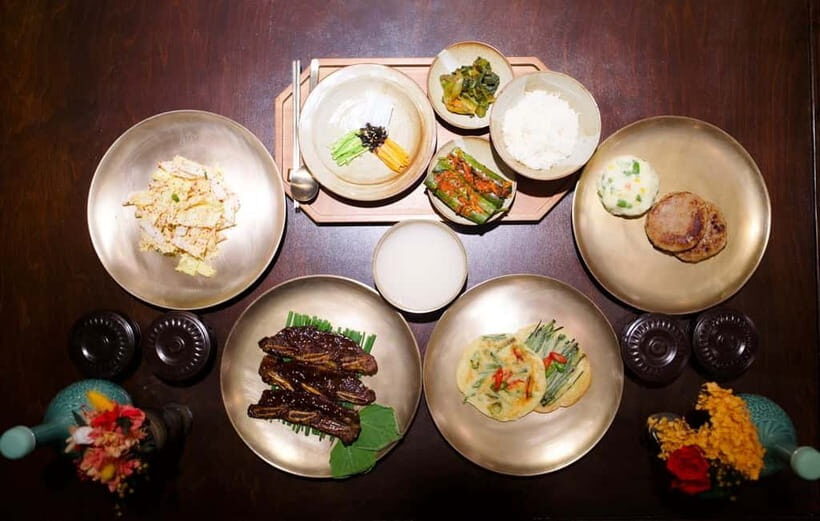
I really like two things about it: the small group size (max 6) and the fact that the menu mixes well-known favorites with true Korean comfort food. You get classic dishes such as LA Galbi, Fresh Kimchi, Haemul Pajeon, and Tangpyeongchae, then sit down to eat properly in the same traditional space.
One thing to think about before you book: the default menu is LA Galbi (beef ribs). If you want Dak Galbi (chicken) or a vegetarian option, you need to request it when booking, and you should tell them about allergies or food restrictions in advance.
In This Review
- Quick Takeaways
- Entering The Hanok Behind Insadong IBIS Ambassador Hotel
- What You’ll Cook in 2 Hours: Royal-Style Classics You Can Recreate
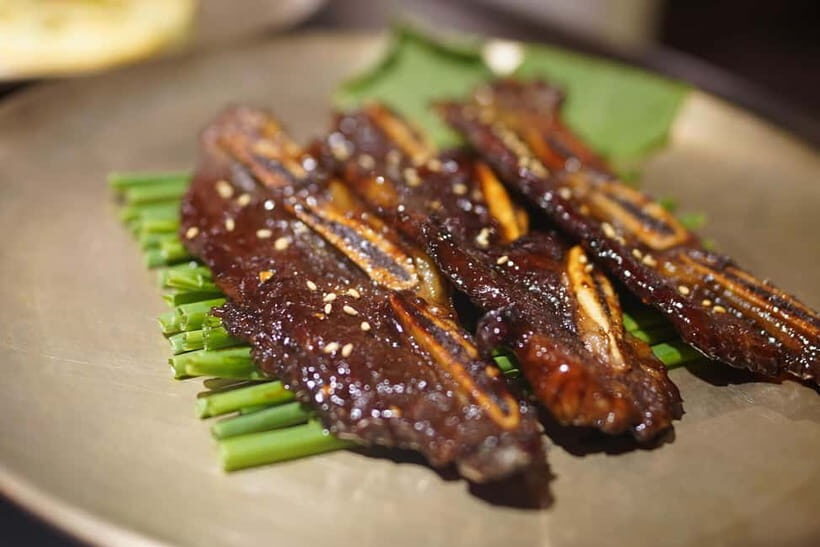
- LA Galbi (Beef Ribs)
- Fresh Kimchi
- Haemul Pajeon
- Tangpyeongchae
- A quick note on skills
- Bangjja Bronzeware Dining: Eating Like It Matters
- Makgeolli and Dessert: The Finish That Turns Class Into Dinner
- Chef Park’s Teaching Style in a Small Group of 6
- Price and Value: Is $96 Worth It in Seoul?
- Who This Class Fits Best (And Who Should Rethink It)
- Should You Book This Hanok Royal Cooking Class?
- FAQ
- What’s included in the class?
- Is the menu fixed, or can I request changes?
- How long is the experience?
- How big is the group?
- Is the instruction offered in English?
- Where do I meet the group in Seoul?
- What should I do if I have allergies or food restrictions?
- Who is this experience not suitable for?
- What’s the cancellation policy?
- Can I reserve without paying right away?
Quick Takeaways
- 100-year-old Hanok setting right behind Insadong IBIS Ambassador Hotel, for a quieter Seoul experience
- Max 6 people means you get steady check-ins and clear instruction, even if you’re a beginner
- Hands-on royal-style menu: LA Galbi, Fresh Kimchi, Haemul Pajeon, Tangpyeongchae
- Bangjja bronze dining plates for an authentic Korean-style meal feel
- Fresh Makgeolli + Korean desserts included, so the class ends like a proper dinner
- English-led teaching by Chef Park, who’s patient and interactive during cooking
Entering The Hanok Behind Insadong IBIS Ambassador Hotel
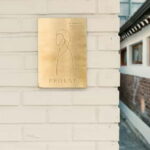
This experience starts the moment you find the place. Meeting point is right behind Insadong IBIS Ambassador Hotel—there are a few IBIS hotels in Seoul, so make sure you’re at the Insadong one. The address is 25, Samil-daero 32ga-gil, Jongno-gu, Seoul (서울시 종로구 삼일대로 32가길 25).
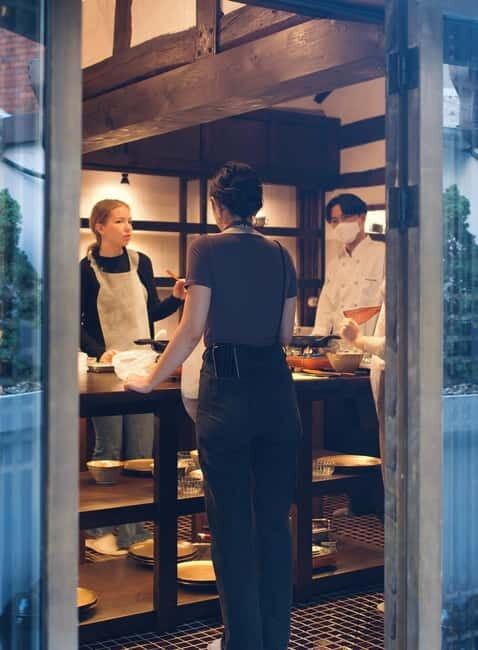
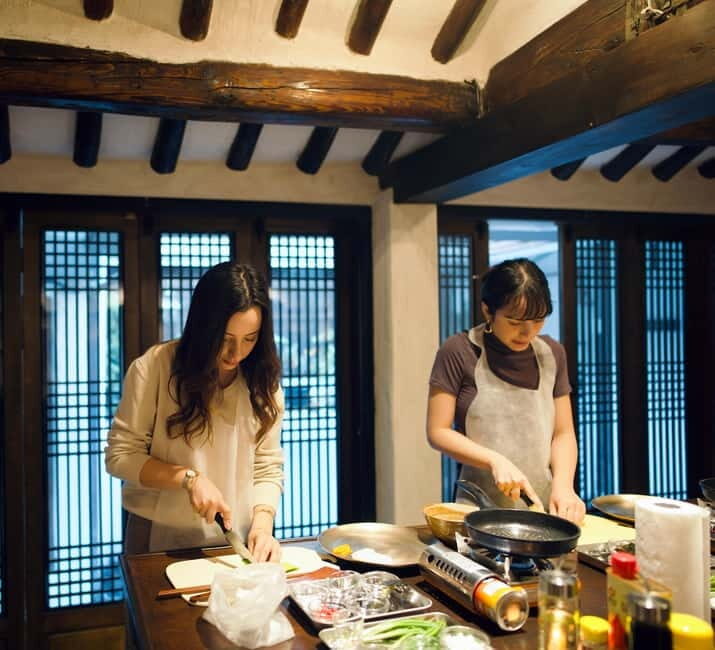
Inside, you’re stepping into a 100-year-old Hanok that’s been beautifully preserved and set up for cooking. That matters more than it sounds. You’re not learning Korean food in a generic studio—your setting keeps the mood slow, warm, and traditional, so the whole meal feels intentional rather than rushed.
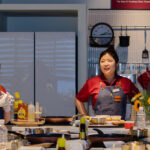
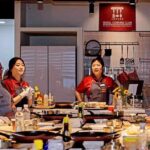
Chef Park leads the session in English, and the class stays small enough that you can actually ask questions while you’re working. One reason this feels special is how the space encourages conversation, not just attendance.
You can also read our reviews of more cooking classes in Seoul
What You’ll Cook in 2 Hours: Royal-Style Classics You Can Recreate
You’re in the kitchen for a full two hours, and the menu is structured so you’ll finish with dishes you can be proud of. The default menu centers on LA Galbi (beef ribs), with other dishes that give you a well-rounded picture of Korean flavors—fermented, savory, and seafood-forward.
LA Galbi (Beef Ribs)
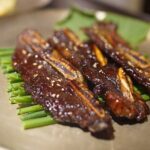
LA Galbi is the core dish here, and it’s a smart choice for a cooking class because you can taste-test as you go. You’ll work with the familiar idea of grilling or cooking beef ribs-style, but in a guided way that helps you understand how seasoning and timing shape the result.
If beef isn’t your thing, you can request Dak Galbi (chicken) instead. Just don’t wait until you arrive—this needs to be arranged when booking.
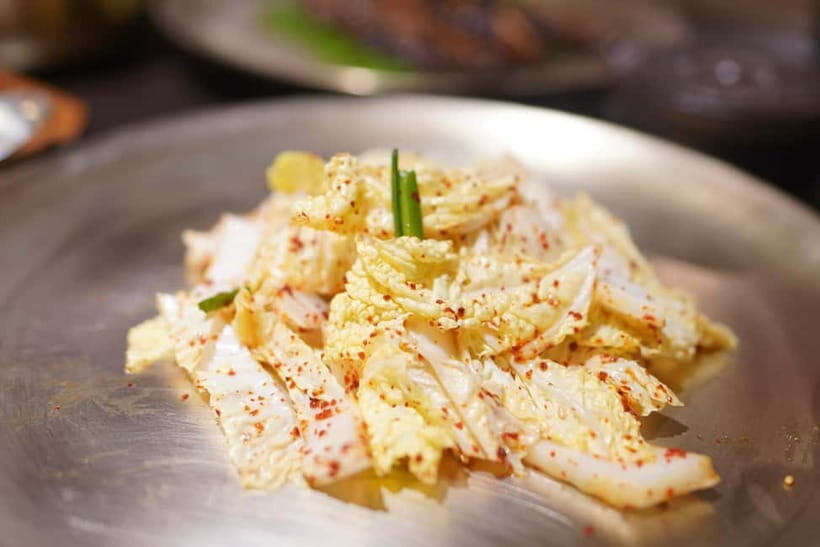
Fresh Kimchi
Kimchi is part of the experience for a reason: it’s Korea’s everyday signature. You’ll get hands-on experience with Fresh Kimchi, and that makes the class more useful than a meal where you only observe.
The useful part for you is learning how flavors come together through ingredients and preparation steps, not just eating something that tastes good. Once you understand the logic, making it later at home becomes less guesswork.
Haemul Pajeon
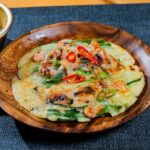
Haemul Pajeon brings the savory side: seafood + a Korean-style savory pancake. This dish teaches texture control—how batter consistency and pan timing affect crunch and tenderness.
It’s also a comfort-food kind of course dish. Even if you’re not an experienced cook, you’re making something recognizable and satisfying.
You can also read our reviews of more tours and experiences in Seoul


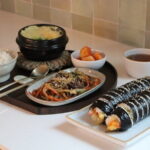
Tangpyeongchae
Tangpyeongchae rounds out the menu with a lighter feel. Based on how Korean side dishes work, it helps balance the richer items on the table and teaches how Korean meals often build variety within one sitting.
You’ll also hear cultural context as you cook, so each dish isn’t just a recipe card—it has a story behind it.
A quick note on skills
The teaching approach is built for different skill levels. Many people in the feedback described the instructions as clear enough for beginners, while still interesting for people who actually cook.
That’s a good sign if you’re worried you’ll feel lost. The class isn’t designed to test you. It’s designed to get you cooking.
Bangjja Bronzeware Dining: Eating Like It Matters
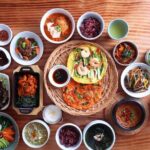
After cooking, you sit down to eat in true Korean style on handcrafted Bangjja bronzeware. This is one of those details that can sound fancy until you’re actually using it.
Bronzeware dining affects how the meal feels at the table—temperature, weight, and the traditional ritual of serving. It turns the end of class into a real dinner moment, not a casual bite after you finish.
You’re also eating in the Hanok space itself, so the atmosphere stays consistent from prep to plate. That continuity makes the experience feel more like coming into someone’s home than attending a workshop.
Makgeolli and Dessert: The Finish That Turns Class Into Dinner
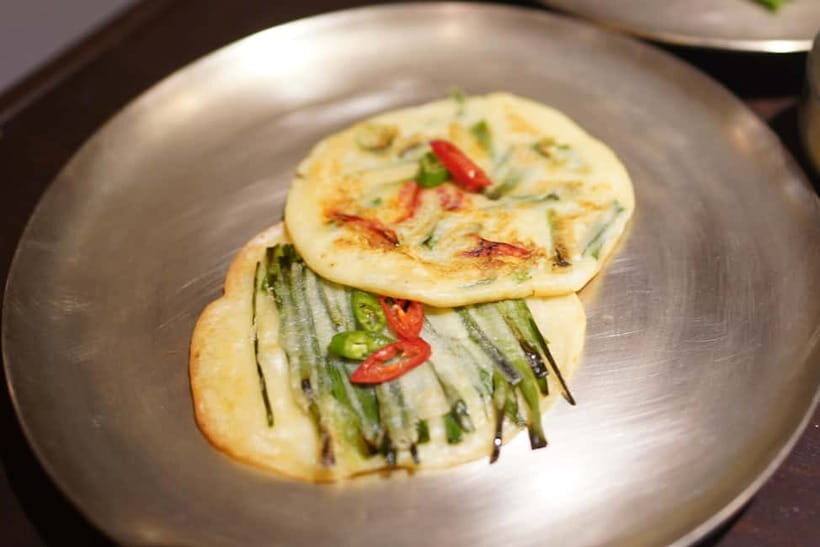
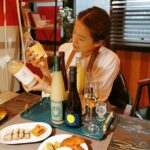
The meal doesn’t end when your last pan cools down. You also get a glass of freshly brewed Makgeolli, plus a selection of traditional Korean desserts.
Makgeolli is a great choice to include because it’s familiar enough to enjoy without being intimidating, but different enough to feel like a real Korean finale. And pairing it with desserts gives you a full, rounded taste of the kind of sequence Koreans often treat as a complete dining experience.
For you, this matters because it affects how you plan the rest of your evening. You’re not booking a class and then hunting for dinner after. You’re leaving fed and satisfied.
Chef Park’s Teaching Style in a Small Group of 6
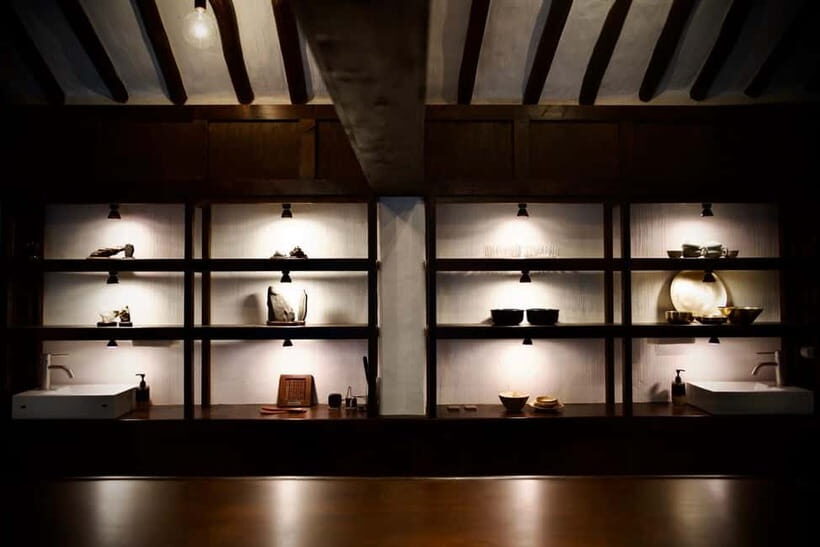
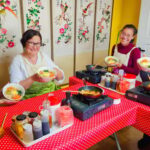
This is where the experience earns its high marks: instruction is personal. With a max of 6 participants, Chef Park can check on cooking progress and answer questions as they come up, instead of trying to teach a large room.
You’ll likely notice the rhythm is practical. People described it as relaxed, warm, and easy to follow, even if they hadn’t cooked much before. That’s exactly what you want in a hands-on class—clear steps, patience, and time to adjust if something doesn’t work the first try.
Chef Park also shares cultural stories tied to what you’re making. That’s not just trivia. It helps you remember flavors and preparation choices. When you know why something is done a certain way, you can recreate it later with fewer mistakes.
Also, the conversation aspect matters. Several people highlighted the friendly chat during class, which makes it a better fit than lessons that feel stiff or overly formal.
Price and Value: Is $96 Worth It in Seoul?
At $96 per person for a 2-hour class, you’re paying for more than ingredients. You’re paying for a small-group, English-led kitchen lesson, chef guidance, and a full meal setup that includes Makgeolli and dessert.
The value equation looks strong because:
- You cook multiple dishes, not just one
- You eat on handcrafted Bangjja plates in the Hanok setting
- You’re limited to 6 people, so attention is part of the product
- The class includes the core dining experience, not just the cooking
If you were only looking for a quick dinner, you could probably find cheaper meals. But if you want something that combines food, technique, and cultural context in one sitting, $96 starts to make sense. You get a complete experience you can actually repeat at home—especially after learning steps for items like kimchi and pajeon.
Who This Class Fits Best (And Who Should Rethink It)
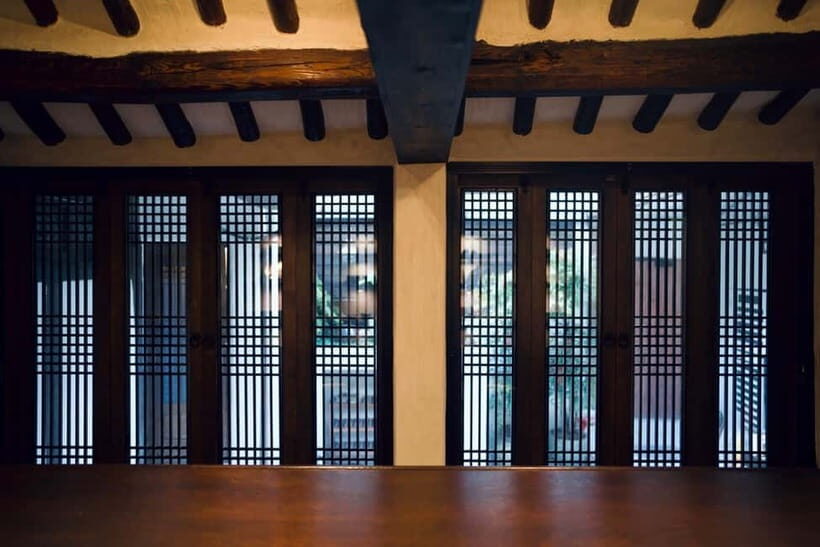
This works best if you:
- Want hands-on cooking rather than watching
- Like learning in a calm setting away from Seoul’s noise
- Prefer small groups where questions aren’t a hassle
- Enjoy Korean food enough to want the “how” behind it
It’s also a strong option for couples and solo travelers since the group stays intimate and the atmosphere is friendly.
Two practical considerations:
- It’s not suitable for children under 10.
- The default menu is LA Galbi, so vegetarians or people avoiding beef should request changes when booking.
Should You Book This Hanok Royal Cooking Class?
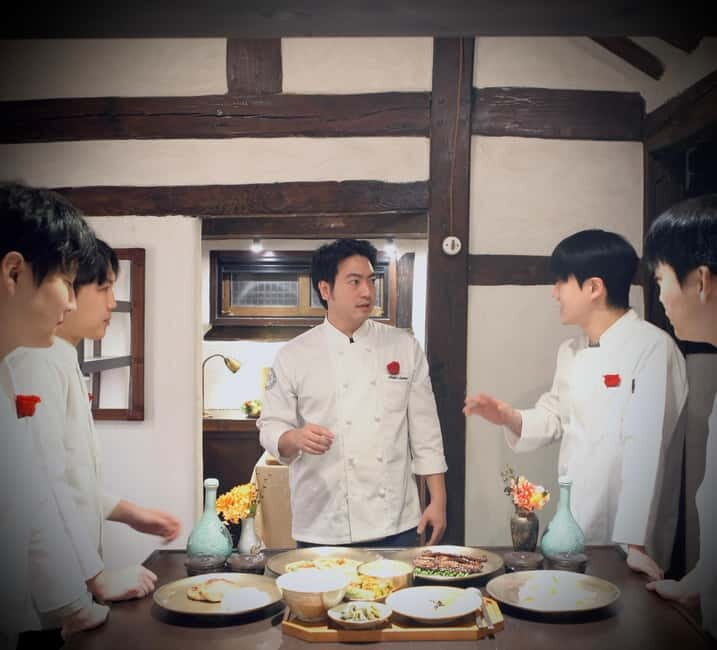
I’d book this if you want a Korean food experience that feels like a real home dining moment—plus the skill-building to remake it later. The Hanok location, the max 6-person setup, and the included dinner-style meal (Bangjja bronzeware, Makgeolli, desserts) are the big reasons it’s worth your time.
I’d pause if you’re only interested in a quick, casual meal. This is a cooking class first, and it’s designed to be interactive and guided. Also, if your diet is strict, communicate dietary needs early so the menu matches what you can safely eat.
If that’s all squared away, this is exactly the kind of Seoul activity that turns an ordinary day into a story you’ll keep telling.
FAQ
What’s included in the class?
You get the Korean cooking class with certified chefs, hands-on cooking of dishes like LA Galbi, Fresh Kimchi, Haemul Pajeon, and Tangpyeongchae, plus dining on handcrafted Bangjja bronzeware. A glass of freshly brewed Makgeolli and a selection of traditional Korean desserts are included.
Is the menu fixed, or can I request changes?
The default menu includes LA Galbi (beef ribs). If you want Dak Galbi (chicken) or a vegetarian option, you should request it when booking.
How long is the experience?
The duration is 2 hours.
How big is the group?
It’s a small group with a maximum of 6 participants.
Is the instruction offered in English?
Yes, the instructor speaks English.
Where do I meet the group in Seoul?
The meeting point is just right behind Insadong IBIS Ambassador Hotel (make sure it’s the Insadong location). The address is 25, Samil-daero 32ga-gil, Jongno-gu, Seoul (서울시 종로구 삼일대로 32가길 25).
What should I do if I have allergies or food restrictions?
Let them know in advance about any allergies or food restrictions.
Who is this experience not suitable for?
Children under 10 years old are not suitable.
What’s the cancellation policy?
You can cancel up to 24 hours in advance for a full refund.
Can I reserve without paying right away?
Yes, there’s a reserve now & pay later option, so you can book your spot and pay nothing today.