REVIEW · SEOUL
Korean Cooking at Seoul Cooking Club
Book on Viator →Operated by Premium Cooking Class @ Seoul Cooking Club · Bookable on Viator
Cooking Korean food is easier than it looks. This hands-on class in Seoul pairs small-group coaching with a three-course meal and tastings of about 10 Korean flavours. It’s a fun way to learn what makes Korean dishes taste right, not just how to follow a recipe.
I especially like the dietary flexibility (vegan, vegetarian, pescatarian, gluten-free, and halal are supported), and I like that you’re not just cooking—you’re eating what you make with enough food to feel satisfied. One possible drawback to know up front: the experience can lean more toward guided assembly than heavy-duty, from-scratch cooking, since some ingredients may be prepped ahead.
In This Review
- Key Highlights You’ll Actually Care About
- Where the Class Fits in Seoul (Jongno, Not Far From the Action)
- The Lesson Plan: Three Courses, Around 10 Flavours, Lots of Eating
- Small-Group Cooking in Seoul: What You Get From a 12-Person Limit
- Dietary Options That Don’t Feel Like a Compromise
- What the Class Probably Looks Like in Real Time
- Price and Value: Why $109 Might Actually Make Sense
- The One Thing to Plan For: Come Hungry, Not Overly Full
- Who Should Book This Class (And Who Might Skip It)
- Should You Book Korean Cooking at Seoul Cooking Club?
- FAQ
- How long is the Korean cooking class?
- What dishes are included?
- Can the class accommodate dietary preferences like vegan or halal?
- What is the maximum group size?
- Where does the activity start?
- Do I get a mobile ticket?
- What is the cancellation window?
Key Highlights You’ll Actually Care About
- Max 12 people means more help while you cook, not just watching
- Vegan and halal options are built in, not treated like an afterthought
- Three courses + 10 Korean flavours gives you variety across savory and sweet
- Practical instructor guidance focuses on technique and seasoning so you can repeat results later
- Cookbook and tote bag add value after the class, not just during it
- Come hungry: portions tend to be large, with leftovers common
Where the Class Fits in Seoul (Jongno, Not Far From the Action)
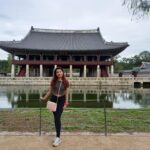
This Korean cooking club experience lands in Jongno District, starting at 71-6 Jongno 2(i)-ga. Jongno is one of those areas where you can easily stack it with other sightseeing—palaces, neighborhoods, street food, all within a reasonable ride. The “near public transportation” note is also a quiet win. You don’t want a cooking class that forces you into a long, confusing trek right before you start handling knives and hot pans.
You’re back at the meeting point at the end, so there’s no weird after-class shuttle situation. That matters because you’ll probably want to regroup quickly, especially if you’re taking leftovers home.
The pacing is about 2 hours 30 minutes, and the experience is offered as brunch, lunch, or dinner. That timing flexibility is more useful than it sounds. If you’re the type who likes a hearty first meal, book the earlier slot. If your day is packed with walking, the evening class can feel like a reward—food, sit-down time, and real culture learning without another long tour.
You can also read our reviews of more cooking classes in Seoul
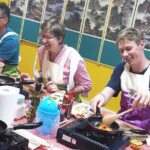
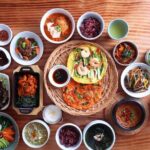
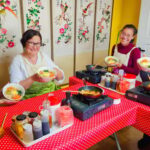
The Lesson Plan: Three Courses, Around 10 Flavours, Lots of Eating
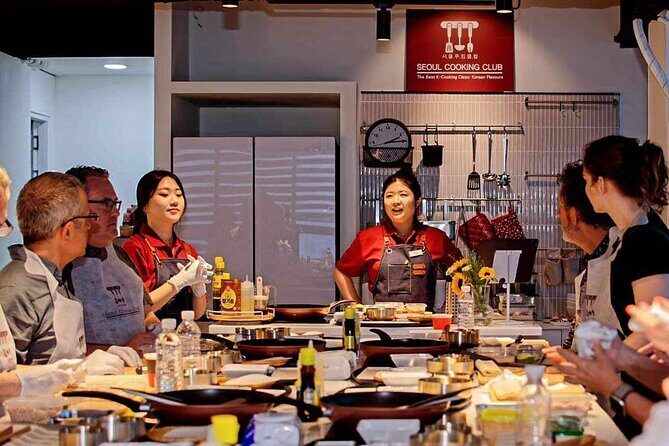
At the heart of this class is a simple promise: you’ll cook a three-course Korean meal, then you’ll eat it. On paper that’s straightforward. In practice, it’s exactly why this kind of class works. Korean food relies on flavor balance—sweet, salty, savory, tangy, and a little heat. Once you make components yourself, the flavors stop being abstract.
Here’s what the class structure aims for:
- Appetizers and small dishes (your first taste of the menu’s range)
- Main courses that get you into grilling/frying/seasoning rhythms
- Dessert to close things out on the sweet side
- Tasting about 10 flavours, including both savory and sweet items
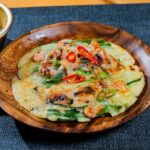
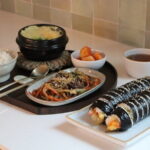
The dishes rotate, but you’ll often see popular Korean classics in the mix. The experience is described as covering options such as bulgogi and bibimbap, and the reviews mention other staples like gimbap, bibimbap, japchae, and several types of jeon (Korean pancakes), including kimchi pancakes. Expect variety, not just one theme.
A nice detail: this class doesn’t treat tasting as a tiny side event. You learn while you taste. That keeps you from leaving thinking you only half understood the recipe. If the goal is to be able to order confidently later (menus stop looking like gibberish), this approach helps.
Small-Group Cooking in Seoul: What You Get From a 12-Person Limit
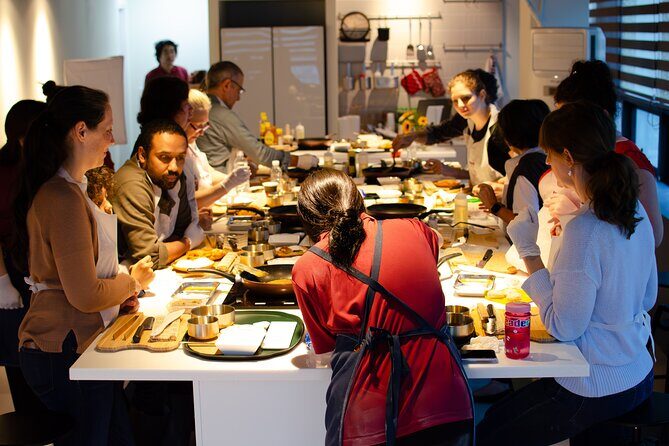
The group cap is 12 travelers. That number matters. It’s small enough that questions don’t get ignored, and it’s big enough that the room still has energy.
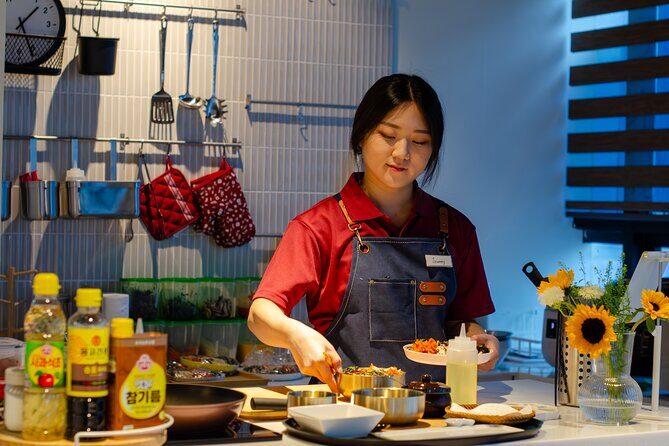
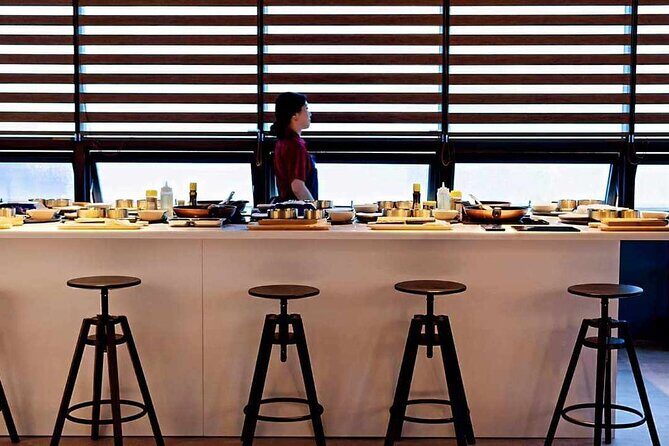
You’ll usually be working at stations with an instructor and support staff circulating. The vibe in the feedback is consistent: instructors are friendly, clear, and step-by-step, and they encourage tasting and adjusting as you go. Some of the instructors named in the reviews include Olivia, Elly, Sally (and Ally), and Grace. While you can’t guarantee which instructor you’ll get, the teaching style seems consistent: you get explanations you can actually use, not just a demo that moves too fast.
Two techniques I’d pay attention to in any Korean cooking class like this:
- Seasoning control: Korean dishes often depend on balancing soy-based saltiness, sweetness, and acidity.
- Texture timing: pancakes, stir-fries, and rice bowls all punish you if you rush the heat or the cook time.
Even if your cooking skills are basic, the small group setup makes it realistic to get back on track fast.
Dietary Options That Don’t Feel Like a Compromise
This is one of the strongest reasons to book.
The experience says it can cater to vegan, vegetarian, pescatarian, gluten-free, and halal diets. That’s already broad. Then the practical part shows up in feedback: instructors have handled specific restrictions, including a peanut allergy and avoiding beef/pork.
So what should you do? Don’t just say one diet label. If you have a real constraint (for example, peanut allergy or no beef/pork), include it clearly at booking so the kitchen can plan. When dietary notes are handled well, the cooking experience becomes genuinely inclusive: you cook the meal as part of the group, not as a separate, less interesting side option.
If you’re traveling with someone with restrictions, this matters even more. Korean food can be easy to customize, but only if the class is set up to do it.
What the Class Probably Looks Like in Real Time
While the exact menu can change by session, the workflow tends to follow a predictable pattern for a 2.5-hour hands-on class:
- Meet, get oriented, start with the prep
You’ll likely begin with an introduction and then move into ingredient prep and station setup. Expect the instructor to explain what you’re making, what flavors matter, and what to watch for.
- Hands-on cooking in waves
Instead of doing one dish forever, you move through multiple dishes. Reviews repeatedly mention that directions are easy to follow and that instructors break steps down clearly. That’s ideal if you’re not an experienced cook.
- Taste as you go
You’re not left waiting until the end. You taste during the process and learn what to tweak. That’s how you start to understand what makes Korean dishes taste Korean.
- Sit down and eat what you made
The class is built around eating. Feedback highlights that portions are generous, and people often take leftovers home.
- Dessert and a wrap-up
Dessert is part of the three-course meal, and you’ll likely have time to finish everything comfortably rather than sprinting out the door.
One extra perk mentioned in reviews: beverages like water and tea, plus sujeonggwa (a Korean cinnamon punch drink). It’s the kind of small detail that makes the meal feel more complete, not like just snacks between cooking tasks.





Price and Value: Why $109 Might Actually Make Sense
At $109 per person for about 2.5 hours, this isn’t a cheap add-on. But cooking classes are usually where you’re paying for three things:
- A small group setup
- Guided instruction
- Food and equipment
- A take-home souvenir
This class checks those boxes. You’re not just tasting a few bites—you’re making a multi-course meal and tasting around 10 Korean flavours. Plus, you typically leave with a cookbook (named in the feedback as provided as a souvenir), and people also mention tote bags.
The “value” comes from whether you’ll use what you learn. If you want to be able to replicate even a couple dishes after you get home, the technique and seasoning tips matter. If all you wanted was to eat, a restaurant meal might feel cheaper. But if you want skill plus food plus culture context, $109 starts to feel reasonable—especially for a private-feeling class in a central Seoul location.
The One Thing to Plan For: Come Hungry, Not Overly Full
The biggest practical warning is simple: don’t eat beforehand.
Multiple reviews emphasize that there’s a lot of food. Even if you think you have a small appetite, you’ll likely underestimate how filling Korean dishes can be—rice bowls, pancakes, savory mains, and dessert stack up fast.
Bring an appetite, and mentally plan to eat and then maybe package leftovers. That changes the experience from fun but stressful into relaxed and satisfying. You’re cooking, tasting, and actually enjoying the meal you made.
Who Should Book This Class (And Who Might Skip It)
This is a great match if you:
- Want a hands-on Korean food experience without the chaos of cooking at home without a plan
- Need dietary options handled in a structured way
- Enjoy learning through doing, tasting, and asking questions
- Want a social activity with other people (the class is small and people seem to bond over the meal)
It might be less ideal if you:
- Expect a high-intensity, from-scratch cooking workshop where you do every single prep step yourself
- Want a class that’s mostly knife skills and raw ingredient transformations from the ground up
One review mentions the lesson can feel more like assembling than full scratch cooking, with ingredients already prepped and precooked. If that’s your ideal format, ask about how hands-on the prep is when you book. If you just want solid results and real guidance, you’ll likely be happy.
Should You Book Korean Cooking at Seoul Cooking Club?
If you want an authentic Seoul food moment you can take home—literally in your belly and figuratively in your cookbook—this is an easy yes. The small group size, the variety (savory and sweet across multiple dishes), and the dietary flexibility are standout advantages that make the class work for more people than a typical cooking class.
I’d book it if you care about learning flavor logic, not just following steps. I’d reconsider only if you’re specifically hunting for a heavy, from-scratch cooking experience where every ingredient starts raw under your knife.
Bottom line: for $109 and about 2.5 hours, you’re buying a lot of food, real instruction, and skills you can actually repeat.
FAQ
How long is the Korean cooking class?
The class runs for about 2 hours 30 minutes.
What dishes are included?
You’ll make a three-course Korean meal and taste around 10 Korean flavours, including appetizers, main courses, and dessert.
Can the class accommodate dietary preferences like vegan or halal?
Yes. The class can cater to vegan, vegetarian, pescatarian, gluten-free, and halal options.
What is the maximum group size?
The class has a maximum of 12 travelers.
Where does the activity start?
The meeting point is at 71-6 Jongno 2(i)-ga, Jongno District, Seoul, South Korea.
Do I get a mobile ticket?
Yes. Tickets are provided as a mobile ticket.
What is the cancellation window?
You can cancel up to 24 hours in advance for a full refund.
If you tell me your travel dates and whether you have any dietary restrictions (and what they are), I can help you decide which meal time slot—brunch, lunch, or dinner—fits best with the rest of your Seoul plan.