REVIEW · SEOUL
Seoul: Taste of Korea, Authentic Home Style Cooking Class
Book on GetYourGuide →Operated by Hansik Korean Cooking Class · Bookable on GetYourGuide
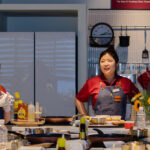
Three hours, four dishes, and zero guesswork. This hands-on Hansik class in Seoul is led by Chef Jennifer, with step-by-step help as you cook iconic home-style Korean food.
I love the small-group setup (max 10), because it means less waiting and more personal coaching at your station. I also love that you’re not just watching—you’re actively making dishes like budae jjigae and haemul pajeon, then eating a full meal with sides and dessert.
One possible drawback: it’s a cooking-focused experience, so don’t book it expecting a broad Seoul sightseeing day. You’ll spend most of your time in the studio, not roaming neighborhoods for hours.
In This Review
- Key Things You’ll Remember From This Seoul Cooking Class
- Hansik Cooking in Seoul: Why This Class Feels Like Real Food Culture
- The Dishes: From Budae Jjigae to Haemul Pajeon (Plus the Roll and the Rice Cakes)
- Budae Jjigae (Korean Military Stew)
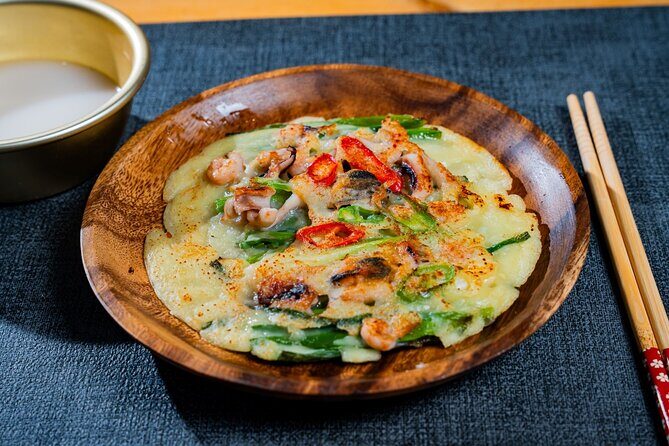
- Haemul Pajeon (Seafood Green Onion Pancake)
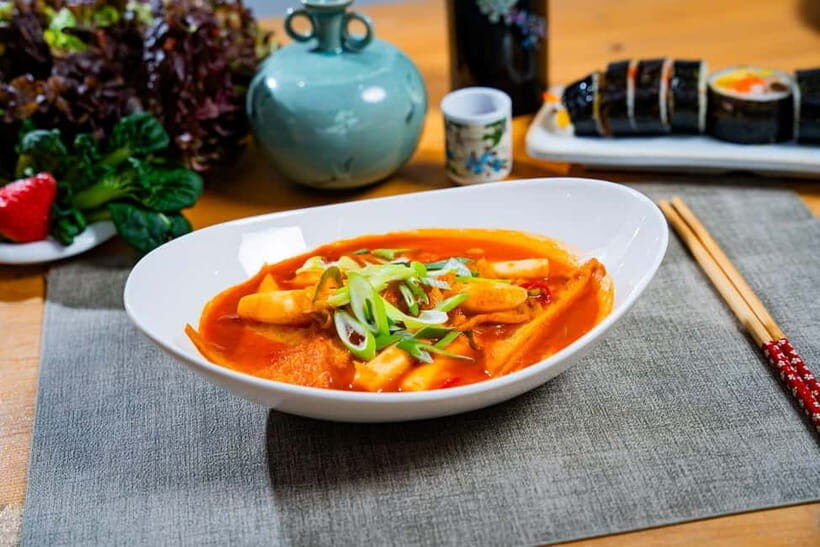
- Tteokbokki (Rice Cakes with Gochujang)
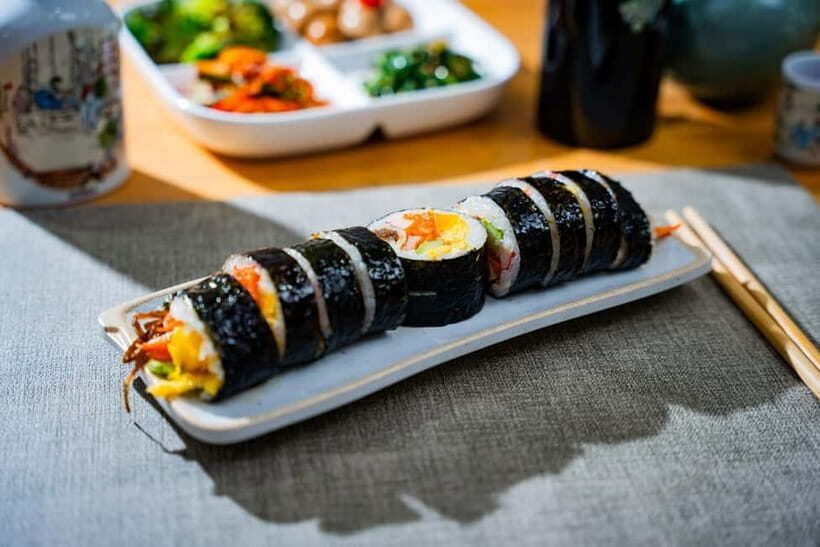
- Gimbap (Rice Roll)
- What the Kitchen Setup Really Gives You (Clean Stations and Hands-On Time)
- The 3-Hour Flow: Drinks, Cooking, Tasting, and Dessert
- Meeting Point Near Gyeongbokgung: Easy to Find, Just Pay Attention to the Alley
- English Instruction and Small-Group Comfort: Who This Class Fits Best
- Price and Value: Why $89 Can Make Sense in Seoul
- Should You Book This Seoul Cooking Class?
- FAQ
- How long is the Seoul cooking class?
- How many people are in the group?
- What dishes will I learn to make?
- Is the instructor teaching in English?
- What drinks and meals are included?
- Where do I meet for the class?
Key Things You’ll Remember From This Seoul Cooking Class
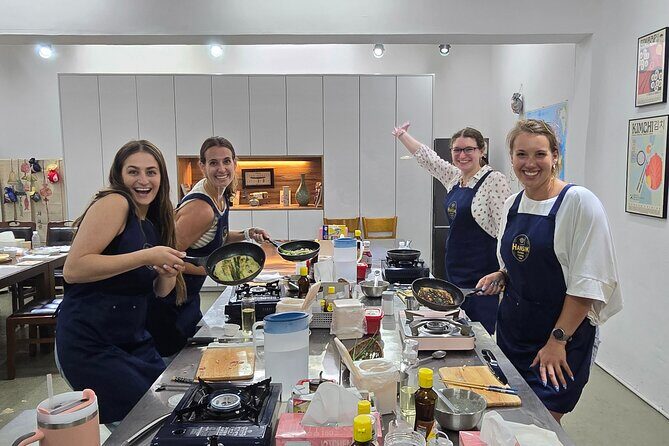
- Max 10 people, cooking stations, and patient guidance so you can keep up without feeling rushed
- Hands-on dishes centered on comfort-food classics: budae jjigae, haemul pajeon, plus gimbap and tteokbokki
- Welcome drinks and Korean pairings including sikhye and makgeolli, along with tea/coffee and snacks
- Pre-portioned ingredients and clear, easy instructions, which makes the recipes realistic to repeat at home
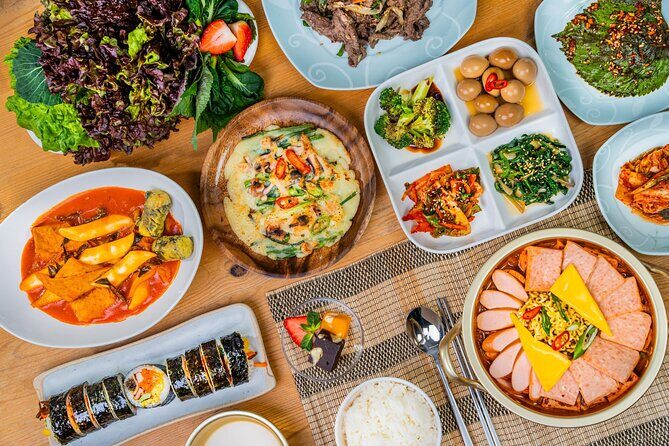
- A full-course meal with seasonal banchan and Korean desserts, not just samples
- Recipes emailed afterward, plus some sessions include take-away bags for extra food
Hansik Cooking in Seoul: Why This Class Feels Like Real Food Culture
If you want a fast way to understand Korean food, cooking beats reading every time. This class is built around Hansik, the everyday home-style way Koreans think about meals: sauces, sides, comfort dishes, and the small habits that make food taste right.
Chef Jennifer’s teaching style shows up in the details. In the session format, you’re guided step by step while you cook, and you also get the stories behind what you’re making. That matters because Korean cuisine is layered: chili paste, fermented flavors, textures in pancakes, and the “comfort” logic behind stews.
The other thing I like is how practical the outcome is. You leave with recipes via email and the know-how to re-create the dishes, instead of leaving with only photos and vague memories.
You can also read our reviews of more cooking classes in Seoul
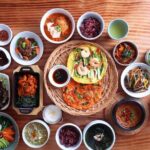
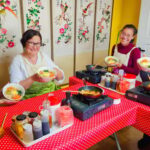
The Dishes: From Budae Jjigae to Haemul Pajeon (Plus the Roll and the Rice Cakes)
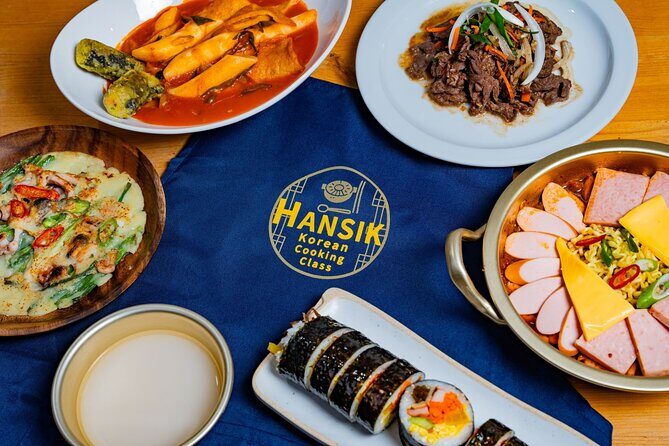
This class focuses on core Korean flavors that are fun to learn and surprisingly teachable.
Budae Jjigae (Korean Military Stew)
You’ll learn to craft budae jjigae, a stew known for its deeply savory, hearty comfort factor. One piece of feedback flagged that it can include ingredients like spam and hot dogs, which is worth noting if you avoid certain processed meats or have strong preferences. The good news: there are reports of accommodations for dietary needs, including vegetarian-friendly substitutions.
Why it’s a smart choice for a first Korean cooking class: stew teaches you the backbone of Korean seasoning—how to build flavor in liquid and how to manage timing so it’s hot and ready when everyone sits down.
Haemul Pajeon (Seafood Green Onion Pancake)
Then comes haemul pajeon, the kind of dish that immediately shows you why Korean pancakes are more than a snack. You learn how to balance the batter-and-topping approach for a pancake that’s crisp enough on the outside and tender inside.
For your own cooking at home, this is one of the best dishes to master. Once you understand the technique, you can swap fillings later without losing the core idea.
Tteokbokki (Rice Cakes with Gochujang)
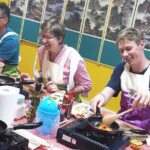
Tteokbokki is all about that sweet-heat rhythm from gochujang (Korean red chili paste). You’ll practice turning rice cakes into something glossy, saucy, and properly coated.
Why it’s valuable: you learn how sauce thickness changes as it cooks, and you see how Korean red chili paste behaves—savory first, sweetening as it reduces.
You can also read our reviews of more tours and experiences in Seoul


Gimbap (Rice Roll)
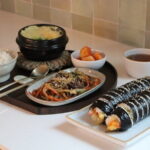
Finally, you’ll make gimbap, a rice roll that’s simple on paper and great in real life. It teaches you how to handle rice and fillings and still end up with neat slices you can serve.
It’s also the dish that tends to make people feel confident quickly—because the “results” show right away when your roll holds together.
What the Kitchen Setup Really Gives You (Clean Stations and Hands-On Time)
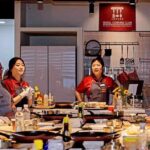
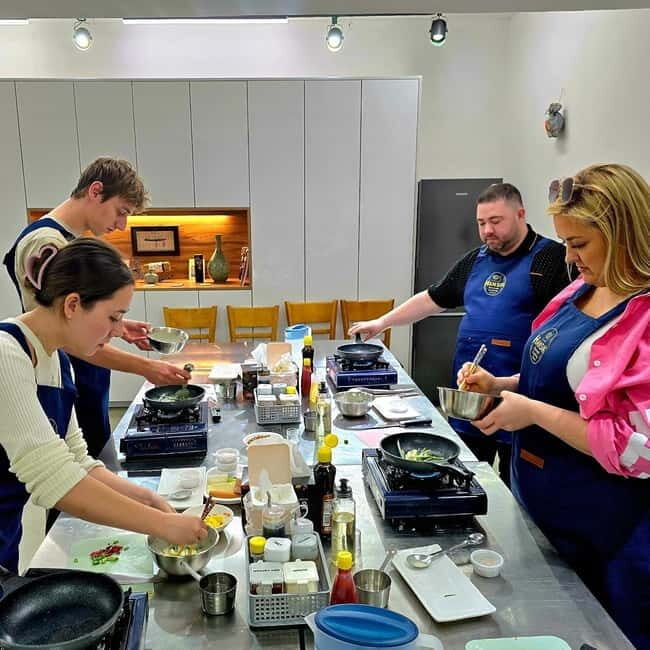
This isn’t a “one person cooks while everyone watches” class. Your experience is built around dedicated cooking stations and the idea that you’ll do the work.
Several details make the teaching feel easier than it sounds:
- Ingredients are prepped in advance and pre-portioned, so you’re not stuck measuring everything while the food cooks.
- The chef keeps an eye on your progress, with patient coaching so you don’t fall behind.
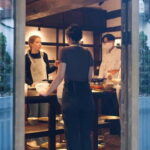
- The venue is described as clean and spacious, which matters when you’re sharing a kitchen with a small group.
You’ll also feel the pacing. Many classes run like: you cook dishes in a guided sequence, sample what you make, and then move to the next recipe. That structure helps because Korean cooking is timing-heavy—especially for pancakes and stews.
If you’re not a confident cook, this is one of the reasons the class earns such strong feedback: the instructions are designed for humans, not kitchen robots.
The 3-Hour Flow: Drinks, Cooking, Tasting, and Dessert
You’ll want to arrive hungry. This class is designed around a full eating experience, not just a culinary “demo.”
Here’s the rhythm you should expect:
First, you start with welcome drinks and Korean traditional snacks. The menu can include sikhye (a Korean punch) and makgeolli (rice wine), plus tea and coffee and a bottle of water. Expect these right at the start so the class feels like a meal from minute one.
Then you move into cooking. The format described in the class includes working on dishes with step-by-step support. Some sessions run two dishes at a time, so you stay active rather than waiting around.
Once the dishes are ready, you eat. The meal is a full-course service with seasonal banchan (side dishes) and enough food to feel properly fed, not just “tasted.”
Finally, dessert. You’ll also have Korean desserts included, which is a nice way to finish after savory cooking—sweet enough to feel celebratory, not heavy.
If you end up with extra food, some sessions include take-away bags, so you can carry leftovers for later.
Meeting Point Near Gyeongbokgung: Easy to Find, Just Pay Attention to the Alley
You’ll meet at Gyeongbokgung Subway Station, Orange Line 3rd line / exit 2. From there, it’s about a 5-minute straight walk to Woori Bank.
The studio sits in a small alley—between the bank and just before a K-Pop Store. That means the only “trick” is spotting the alley entrance, not navigating complicated transit.
Practical tip: give yourself a few extra minutes before the start time. Korean alleys can look similar from the street, and you’ll enjoy the class more if you’re not rushing.
English Instruction and Small-Group Comfort: Who This Class Fits Best
This is an English-instructor class with a small group limit of 10 participants. That size is where the magic happens. You get enough attention that questions don’t derail the workflow.
This class is a great fit if you:
- want a hands-on Seoul food experience rather than a lecture
- like comfort-food cooking—stews, pancakes, rice rolls
- want recipes you can actually re-create later
- enjoy cultural context, since Chef Jennifer explains food background and how to enjoy dishes properly
It’s also a strong pick for families. Some sessions mention children cooking too, so it can work for teens who are interested in food. For solo travelers, it’s social without being overwhelming.
Dietary needs can matter here. There are reports of vegetarian substitutions and accommodations when someone avoids certain meats. If you have requirements, it’s worth telling the organizers ahead so the chef can plan accordingly.
Price and Value: Why $89 Can Make Sense in Seoul
At $89 per person for about 3 hours, you’re paying for more than cooking instructions.
What’s included is the key to the value:
- All ingredients and equipment
- A full-course meal with seasonal banchan
- Welcome snacks and drinks, including sikhye and makgeolli
- Tea and coffee, plus a bottle of water
- Korean desserts
- Recipes sent by email after the class
In a city where many food experiences charge mainly for eating, this one charges for cooking plus the full meal experience. If you compare it to paying separately for a cooking guide, multiple dishes, drinks, and dessert, the package starts to feel fair.
Also, pre-portioned ingredients and a small group reduce wasted time. That turns your money into skill you can reuse, not just a one-time meal.
Should You Book This Seoul Cooking Class?
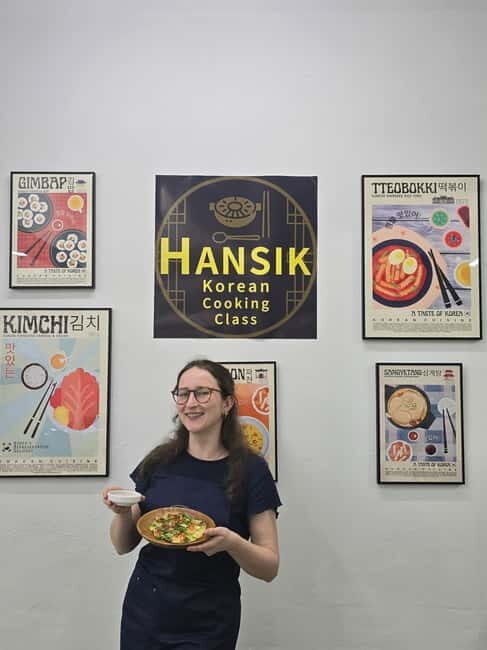
Book it if you want a fun, practical way to learn Korean cooking in one focused session, with a professional chef, a small group, and plenty of food and drinks.
Skip it (or at least adjust your expectations) if you’re chasing a long city walk or a purely sightseeing day. This class is centered on cooking and eating in the studio, so the reward is culinary, not architectural.
Before you reserve, think about these quick checks:
- Are you okay cooking classic dishes like budae jjigae and haemul pajeon?
- Do you want recipes you can repeat later?
- Are you traveling with dietary needs? If yes, plan to communicate them so substitutions are possible.
If that sounds like your kind of Seoul day, you’ll likely leave full, smiling, and able to recreate a real Korean meal at home.
FAQ
How long is the Seoul cooking class?
The class lasts 3 hours.
How many people are in the group?
It’s limited to a small group of up to 10 participants.
What dishes will I learn to make?
The class includes Korean dishes such as gimbap, tteokbokki, haemul pajeon, and budae jjigae.
Is the instructor teaching in English?
Yes, the instructor is English-speaking.
What drinks and meals are included?
You’ll get welcome drinks and snacks, including sikhye and makgeolli, plus tea and coffee. The class also includes a full-course meal with seasonal banchan and Korean desserts.
Where do I meet for the class?
Meet at Gyeongbokgung Subway Station (Orange Line 3rd line, exit 2), then walk about 5 minutes to Woori Bank. The venue is in a small alley between the bank and just before the K-Pop Store.