REVIEW · SEOUL
Seoul Food Tours, Eat Like a Local : 100% Personalized & Private
Book on Viator →Operated by City Unscripted · Bookable on Viator
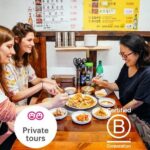
A smart Seoul bite in just three hours. This private, custom food-tasting crawl helps you skip the worst tourist detours while a host steers you toward places locals actually return to. I also like that you get 6–8 Korean specialties plus 2 soft drinks per person, so you eat your way through a real variety without overthinking it.
The best part is the personalization. Your itinerary is built around your tastes, and the tour can include stops such as hanok cafés in Ikseondong, Korean dumplings at Yago Mandoo, and a Korean BBQ stop in a local sikdang (small neighborhood eatery) like Pumpkin Korean BBQ.
One consideration: at $221.45 per person, you’ll want to make sure the pacing and walking (or transport help) match your style. If you prefer a car-based tour all the time, you should flag that early since this is designed as a walking experience.
In This Review
- Key things to know before you go
- Where the tour starts in Seoul’s quieter pocket
- What’s included: 6–8 specialties (and not just tiny bites)
- Sikdang BBQ and the win of going with a host
- Ikseondong’s hanok cafés: atmosphere plus food structure
- Yago Mandoo and the dumpling-first strategy
- Gwangjang Market street-food culture in snack form
- How private personalization changes the whole experience
- Price and value: what $221.45 buys you in Seoul
- Logistics that matter (and the parts you shouldn’t stress)
- Who should book this tour—and who should consider alternatives
- Should you book Seoul Food Tours, Eat Like a Local?
- FAQ
- How long is the Seoul food-tasting tour?
- What’s included in the tastings?
- Is this tour private?
- Where do we meet for the tour?
- Is the tour mainly walking?
- Can hotel meet-up be arranged?
- What stops are commonly included?
- Are service animals allowed, and is it suitable for most travelers?
- Is cancellation free if I cancel in advance?
Key things to know before you go
- 100% private, your group only: no mixing, no waiting around for strangers.
- 6–8 tastings plus 2 soft drinks: enough variety for a half-day without turning it into a food marathon.
- Local sikdang BBQ stop: places like Pumpkin Korean BBQ fit the small-eatery vibe.
- Ikseondong hanok café street option: a neighborhood add-on that pairs atmosphere with snacks.
- Yago Mandoo dumplings and more: mandu plus items like noodle soup and garlic chicken stew.
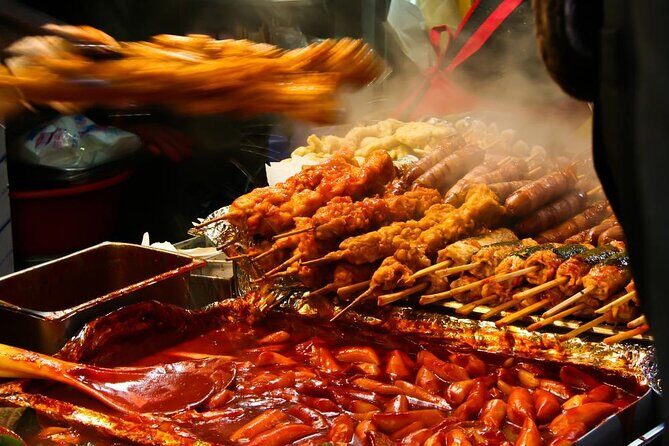
- Gwangjang Market street-food culture: a practical stop for rice cake and pancake-style snacks.
Where the tour starts in Seoul’s quieter pocket
This experience is built around a specific meet-up point in Jongno District, near Starbucks Anguk (5-1 Bukchon-ro). Starting here matters because it keeps you close to older Seoul neighborhoods where the food scene feels more lived-in than staged.
If you’re staying in a central area, you can also request a hotel meet-up. Either way, the host meets you, keeps the group together, and returns you back to the starting point at the end—so you’re not left figuring out your own way home while your stomach is full.
The itinerary is flexible, too. The tour is described as private and personalized, which means the exact places can shift based on your tastes and what fits best that day, rather than forcing you through a fixed checklist.
You can also read our reviews of more food & drink experiences in Seoul
What’s included: 6–8 specialties (and not just tiny bites)
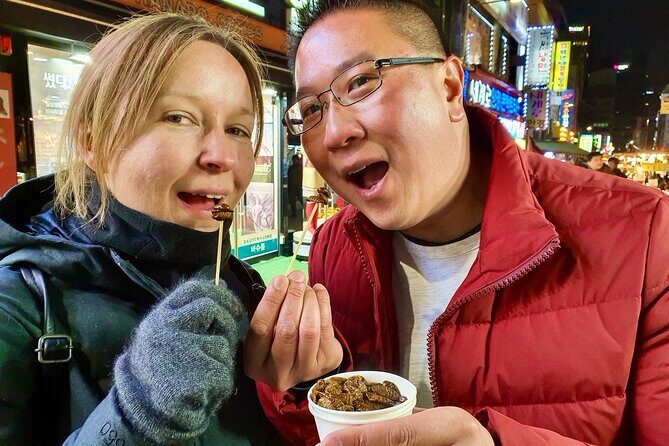
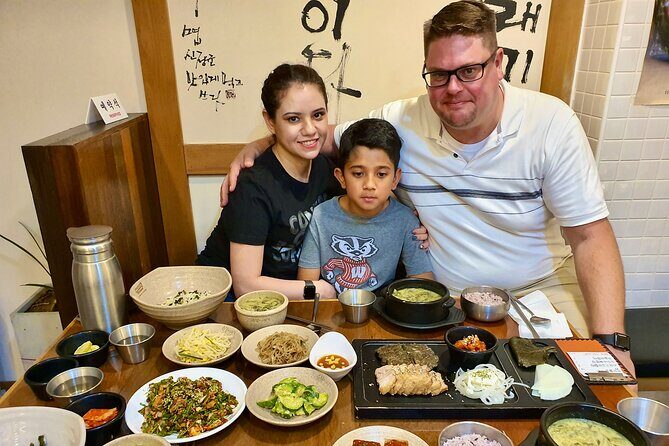
You’re not paying for a vague food walk. You’re paying for a 3-hour host-led tasting plan with 6–8 Korean food specialties and 2 soft drinks per person.
In real terms, that means you should expect a steady rhythm of food stops rather than one big meal and a few crumbs. This is a smart way to sample more of Seoul’s range—dumpling-type foods, savory main dishes, and street-style snacks—without committing to full restaurant ordering each time.
A practical tip: come hungry but not starving. With a tasting menu style approach, you want your appetite to last. If you arrive overly full (big breakfast, heavy lunch), you can end up enjoying less of the variety the tour is built to deliver.
Sikdang BBQ and the win of going with a host
One of the most useful parts of this tour is the idea of visiting a sikdang—those small local eateries where regulars go and the menu isn’t written for tourists. The tour specifically calls out a Korean BBQ stop like Pumpkin Korean BBQ as an example of this kind of local place.
Going with a host helps in a few ways that aren’t just about food. It reduces the risk of walking into somewhere that looks good but isn’t the best fit for what you want to eat. It also helps you order or navigate without turning the meal into a translation project.
This is exactly the kind of stop that makes the tour feel different from the “stand in a line and hope for the best” type of food experiences. You’re getting local direction, which is what you want when you’re trying to avoid tourist traps.
Ikseondong’s hanok cafés: atmosphere plus food structure
Ikseondong comes up as a possible neighborhood stop, especially for its hanok-style café street. Even if you’re not there solely for coffee, it’s a good place for a food tour because it naturally breaks the day into a themed area with photogenic traditional architecture.
The bigger value is how neighborhoods like this help you pace the tour. In three hours, you don’t want nonstop street snacks and standing. A hanok café area gives you a moment to slow down—sit, reset your brain, and keep your appetite for the next savory stop.
Because the itinerary is personalized, you might get Ikseondong as a matching stop for your interests. If you like strolling, neighborhoods with a strong identity, and a calmer break between tastings, this is likely a good fit.
Yago Mandoo and the dumpling-first strategy
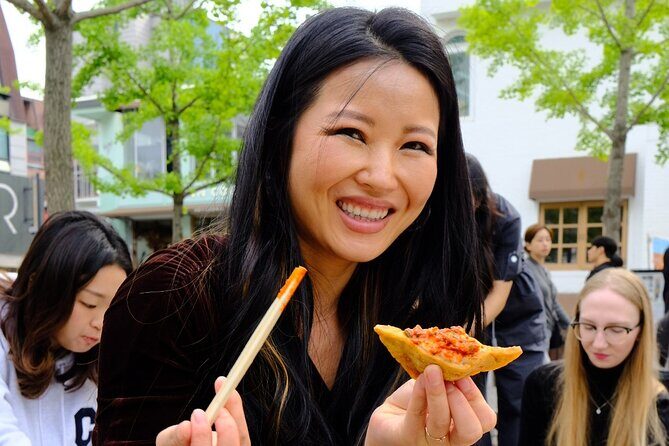
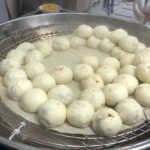
The tour includes the option to try mandu (dumplings) at Yago Mandoo. Dumplings are a smart choice on a half-day tour because they’re deeply Korean but also easy to taste in different styles—chewy wrapper, savory filling, and often a warm, comforting vibe.
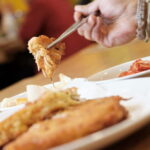
The experience also mentions tasting items such as noodle soup and garlic chicken stew. That gives you a nice range: dumplings for handheld comfort, plus soup and stew-style dishes that show another side of Korean cooking.
Here’s why I think this matters: dumplings plus soups/stews helps you understand texture and seasoning, not just what’s on a menu. It’s one thing to eat street food. It’s another to sample a few forms of home-style comfort that locals take seriously.
If you’re the type who likes to ask questions while eating, this is also a great format. A host can explain what you’re tasting in plain language—what makes one dish different from another—without turning the whole meal into a lecture.
You can also read our reviews of more tours and experiences in Seoul


Gwangjang Market street-food culture in snack form
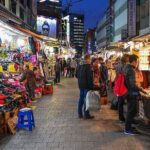
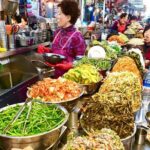
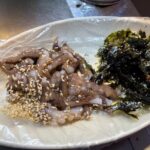
The tour highlights the street-food feel at Gwangjang Market, where you can pick up a snack as you go. Specifically, it mentions grabbing something like a rice cake or pancake along the way.
This is a practical stop because street markets are where you learn how Koreans actually snack during the day. You get to see how food is ordered in small portions and how people mix sweet and savory without needing a formal restaurant table.
Timing matters here. If you treat market snacks as your main meal, you can fill up too fast and miss the sit-down dishes earlier or later. In a tasting tour format, you want market food to be one part of the full sequence—something to keep momentum while the host handles the order and pacing.
Also, since the tour ends back at the meet-up point, the market stop fits into a route plan rather than turning into a long independent exploration. That’s a big plus if you only have a half-day.
How private personalization changes the whole experience
This is marketed as 100% personalized & private, and you feel that in the flexibility. Your host builds a bespoke itinerary around your interests and tastes, and the tour notes that the actual stops may differ from the listed ones.
That flexibility is more than a sales feature. It can help if:
- you want dumplings more than BBQ (or vice versa),
- you’re curious about a specific neighborhood like Ikseondong,
- you’re trying to keep the walking intensity reasonable,
- you want transport options rather than relying on sidewalks the entire time.
The host can also adapt the tour to include public transport or private taxis if needed. Even though it’s described as a walking experience, you’re not locked into walking every step.
From the guide names that have shown up in experiences tied to this style of tour, you might meet someone like Andrew or Ben, both of whom are described as knowledgeable and fun, with guides who add context while walking. (You can’t bank on a specific person, but the vibe is consistent: upbeat, explanatory, and focused on helping you eat well.)
Price and value: what $221.45 buys you in Seoul
Let’s talk money honestly. At $221.45 per person for about 3 hours, it’s not a budget activity. This isn’t a group bus tour where you’re sharing the guide cost with a crowd.
So is it value? For the right traveler, yes. Here’s why:
- You get a private host for the full time.
- You receive 6–8 tastings plus 2 soft drinks, not just a couple of snacks.
- The route can be adjusted to your tastes and needs, including potential transport help.
If you’re traveling with friends or family, the private format can also reduce the friction of coordinating food preferences. You’re all eating the same plan, led by someone who knows where to take you.
One concern to keep in mind: a few people feel private tours can be pricey compared to options that include a dedicated car. Since this one is designed around walking (with transport suggestions if required), decide what you’ll need. If you want a car-based approach as a default, ask directly how transport would be handled for your specific route and day.
Finally, the tour is described as being booked on average about 35 days in advance. If you’re traveling in a busier season or on specific dates, earlier booking helps you lock in the personalized time slot.
Logistics that matter (and the parts you shouldn’t stress)
This tour has a mobile ticket, which is convenient. It also starts and ends at the same meeting point, which is a small detail that saves time and mental load when you’re eating your way through Seoul.
It’s also stated to be near public transportation, and service animals are allowed. Most travelers can participate, which suggests it’s designed for a broad range of visitors, not just people with extreme endurance.
Still, it’s wise to plan your day around a 3-hour food session. Wear comfortable walking shoes. And remember: the tour is about taste stops, not a long sightseeing marathon.
Who should book this tour—and who should consider alternatives
I’d strongly consider this tour if you:
- are new to Seoul and want food direction fast,
- like eating a variety rather than committing to one type of meal,
- prefer a private guide who can tailor stops,
- want to avoid tourist traps and focus on local-loved favorites.
It may feel less ideal if you:
- expect a full day of eating and wandering,
- want a car-driven itinerary by default,
- have a very specific dietary requirement that isn’t mentioned in the provided details (the tour focuses on Korean specialties, so you’ll want to confirm how your needs are handled).
If you’re the type who loves “walk around until something looks good,” you might prefer a self-guided market day. But if you want the confidence of a plan—especially with tastings built in—this private format is a strong choice.
Should you book Seoul Food Tours, Eat Like a Local?
Book it if you want a guided, tasting-focused Seoul experience that mixes neighborhood character with real food stops. At $221.45 per person, it’s best for travelers who value a private host and want to eat through multiple Korean specialties in a short window.
Skip or compare if price is your biggest factor, or if you know you’ll be uncomfortable with walking-heavy routes unless a car is included. In that case, ask upfront how transport would be arranged.
If you’re planning your first few days in Seoul, this kind of tour can also act like a roadmap. You’ll leave knowing what to look for when you explore on your own the next day—because you’ve learned the local logic of where and what to eat.
FAQ
How long is the Seoul food-tasting tour?
The tour lasts about 3 hours.
What’s included in the tastings?
You taste between 6 and 8 Korean food specialties and receive 2 soft drinks per person.
Is this tour private?
Yes. It’s a private and personalized tour, and only your group participates.
Where do we meet for the tour?
The tour starts at Starbucks Anguk 5-1 Bukchon-ro, Jongno District, Seoul, South Korea, and ends back at the meeting point.
Is the tour mainly walking?
It’s described as a walking experience. If required, your host can suggest public transport or private taxi options.
Can hotel meet-up be arranged?
Hotel meet-up is available on request for central locations.
What stops are commonly included?
The route may include sikdang-style spots such as Pumpkin Korean BBQ, a hanok café street area in Ikseondong, Korean dumplings at Yago Mandoo plus items like noodle soup and garlic chicken stew, and street-food snacks along the way at Gwangjang Market.
Are service animals allowed, and is it suitable for most travelers?
Service animals are allowed. The experience also notes that most travelers can participate.
Is cancellation free if I cancel in advance?
Yes, you can cancel for a full refund up to 24 hours in advance of the experience start time.