REVIEW · SEOUL
Local Home Korean Cooking Class & Market Adventure in Seoul
Book on Viator →Operated by Hello K Cooking Class · Bookable on Viator
Your afternoon smells like Korean comfort food. This Seoul home-cooking class combines a street-food market walk with real cooking time in a chef’s house. Expect a small-group vibe and a full meal you’ll actually make yourself.
I love how the Mangwon-area market adventure teaches you what to buy, what to taste, and why certain herbs and spices show up in Korean food. I also love the Hanjeongsik-style dinner, with over 10 side dishes, dessert, and a glass of makgeolli alongside what you cook.
One thing to plan for: it starts at a specific spot, Mangwon Station entrance 2, and you’ll want to arrive a bit early. Since it’s a home kitchen setup, you might find the space tighter than a restaurant.
In This Review
- Key things you’ll notice fast
- Why this Mangwon market stop changes how you cook
- Mangwon Station entrance 2: the easiest way to start without stress
- Inside a local home kitchen: what small-group cooking really means
- What you’ll cook: four dishes plus the techniques behind them
- Hanjeongsik dinner: what the over-10-side-dish meal teaches you
- Price and what you’re really paying for at $91
- Timing: how to plan your Seoul afternoon around 3.5 hours
- Who should book this cooking class (and who should ask questions first)
- Practical tips to get the most out of your market walk and cooking session
- Should you book Local Home Korean Cooking Class & Market Adventure?
- FAQ
- What time does the tour run?
- Where do I meet the guide?
- How many people are in the group?
- What dishes will I help cook?
- Is there a meal included?
- How do I get the ticket?
- Can I cancel for a full refund?
Key things you’ll notice fast
- Mangwon Station entrance 2 meets you on time and keeps the group together from start to finish.
- A market tour with street-food tasting turns random ingredients into names you can actually use later.
- Four dishes hands-on (Bibimbap and Dakgalbi are offered as examples of what you may make).
- Hanjeongsik dinner follows, with over 10 side dishes plus dessert and a glass of makgeolli.
- Maximum 10 travelers means your host (Sarah or Junghee, based on past classes) can give more direct help.
Why this Mangwon market stop changes how you cook
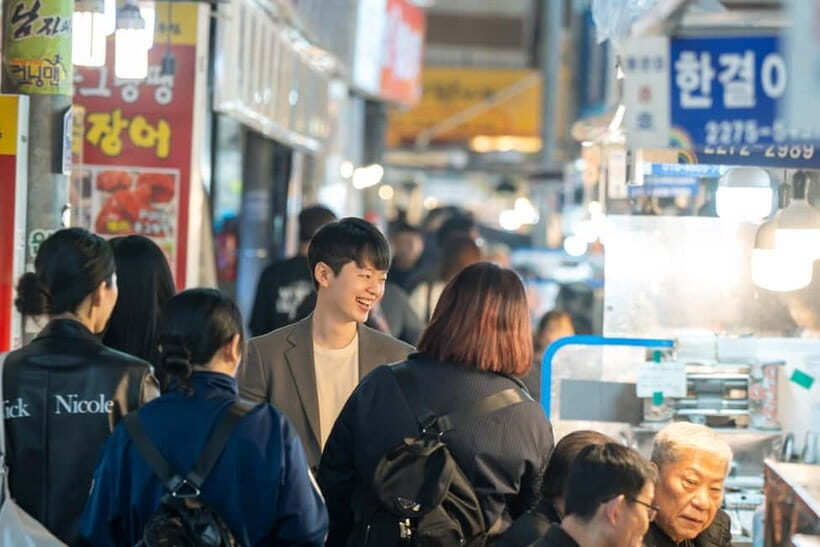
This tour doesn’t treat shopping like a pre-show. The market part is where the food lessons start to make sense.
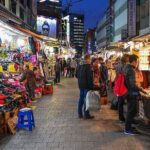
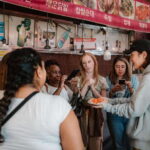
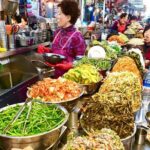
You’ll walk the stalls with your host and learn how Koreans shop for flavor, not just convenience. You get names for common ingredients you’ll see again when you cook at home. You also get a real sense of what’s in season and how that affects what goes on the table. One review highlighted learning about Korea’s use of spring onions instead of chives, and that kind of detail sticks because you see the ingredient right there.
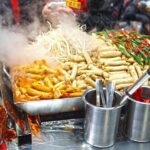
The street-food tasting is part of the education, too. Instead of trying to guess what something tastes like, you sample it as you go, then connect that flavor to cooking decisions later in the class. A memorable example from past participants: kwabaeggi (Korean fish cake in some form) was tasted during the market walk, which is exactly the kind of snack you don’t easily figure out from menus alone.
You’ll also pay attention to typical herbs and spices. Korean cooking is built on more than one sauce or paste, and the market walk helps you see how those building blocks are chosen. By the time you get to the kitchen, you’re not starting from scratch.
You can also read our reviews of more shopping tours in Seoul

Mangwon Station entrance 2: the easiest way to start without stress
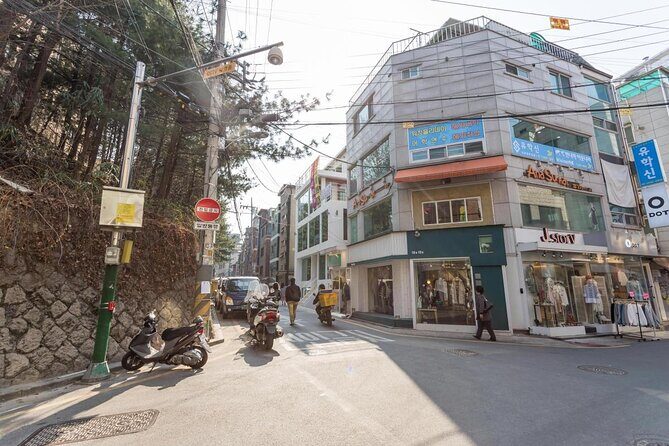
The day begins at the Mangwon Station entrance 2 meeting point. The exact meeting address is listed as 377-20 Mangwon-dong, Mapo-gu, Seoul, South Korea, and the tour ends back at the meeting point.
That matters more than it sounds. When a cooking class starts inside a specific neighborhood, getting there on time prevents that awkward first 20 minutes where everyone is figuring out directions. This tour is designed around public transportation, so if you’re comfortable with Seoul subway navigation, you’re set.
You’ll also use a mobile ticket, which is handy if you’re already juggling transit apps and photos during the day. If you’re the type who likes to show up a few minutes early, this is one of those tours where that habit pays off. You can arrive, get oriented, and then your host can move you straight into the market flow.
Inside a local home kitchen: what small-group cooking really means
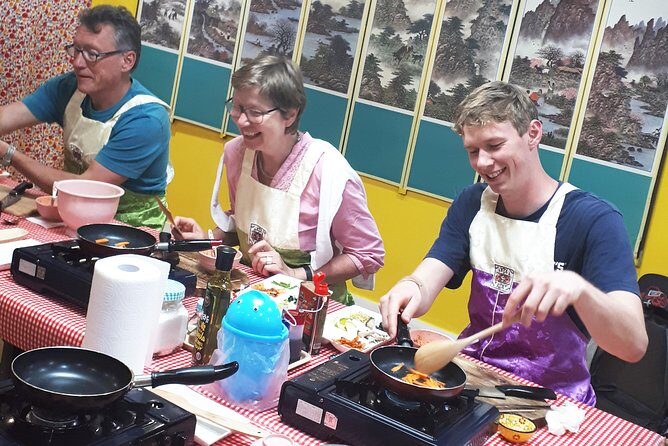
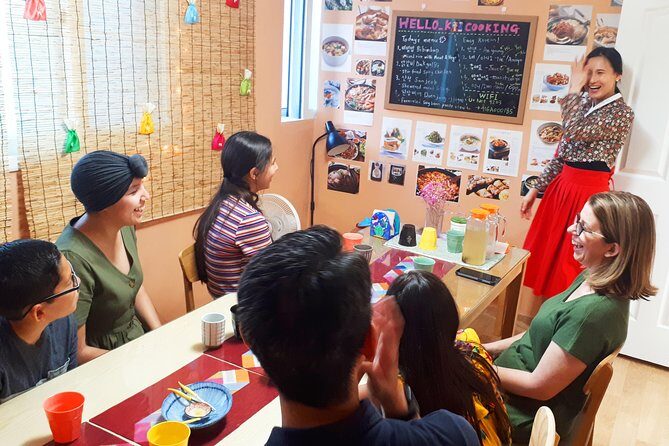
The class is held at a chef’s home, not a cooking studio. That’s the big difference between doing Korean food in your seat and doing it in someone’s real everyday kitchen.
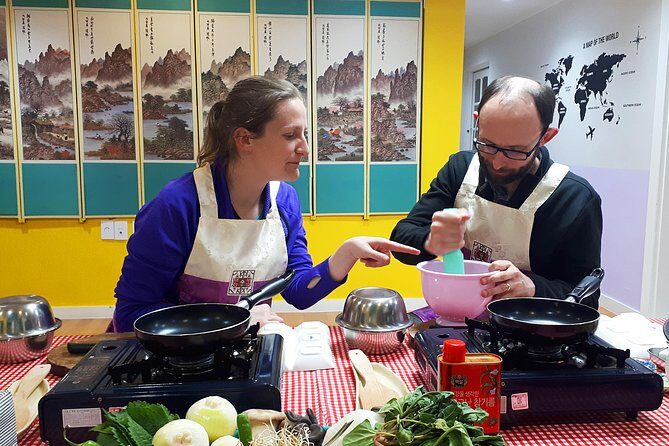
The tour limits the group to a maximum of 10 travelers, which is why people keep calling out the extra attention. With a smaller group, your host can actually correct your technique while you’re working. Reviews mention patient, hands-on teaching, and that’s exactly what you want when you’re learning how Korean dishes come together step-by-step.
Hosts you may meet include Sarah and Junghee. Multiple reviews praise their English skills and warm, lively teaching style. One review even called the whole experience part cooking class, part comedy show, which is funny—but the practical point is that you’ll feel comfortable asking questions, especially if you’re not used to Korean ingredient names yet.
Also: the class includes practical tips you can use later. People mention getting recipe copies afterward, and that makes the tour more useful than a one-time meal experience. Instead of only remembering flavors, you’ll have something to recreate.
What you’ll cook: four dishes plus the techniques behind them
The hands-on part is where your afternoon turns into real food skills.
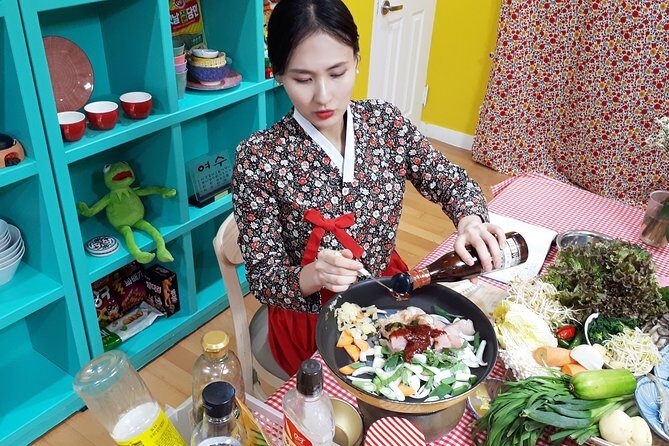
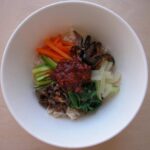
You’ll create four Korean dishes. Bibimbap and Dakgalbi are specifically mentioned as examples of what you may make, so those are strong contenders for at least one or more dishes in your group’s session. Bibimbap is great because it teaches how to balance textures and build a bowl. Dakgalbi teaches another side of Korean home cooking—how to work with marinades, heat, and seasoning so the dish tastes layered, not flat.
The key value here isn’t just that you’ll eat Korean food. It’s that you’ll practice the core actions: prepping ingredients, seasoning, combining components, and getting the timing right. Korean dishes often depend on small technique differences—how you cut, how you season, how you cook each component. When you do it yourself, those details become learnable instead of mysterious.
You’ll also learn how herbs and spices fit into the dishes. Because you visited the market first, the herbs and seasonings won’t feel like random powders or pastes. They’ll have a story in your head: I saw this ingredient earlier, it tasted like that during the tasting, and now I’m using it for this step.
One practical plus: even if you’re not a confident cook, the class is set up so that normal participants can succeed. Reviews include comments that dishes were not too complicated and the teaching felt approachable. That’s important if you’re traveling with family, teens, or a friend who usually avoids cooking classes.
Hanjeongsik dinner: what the over-10-side-dish meal teaches you
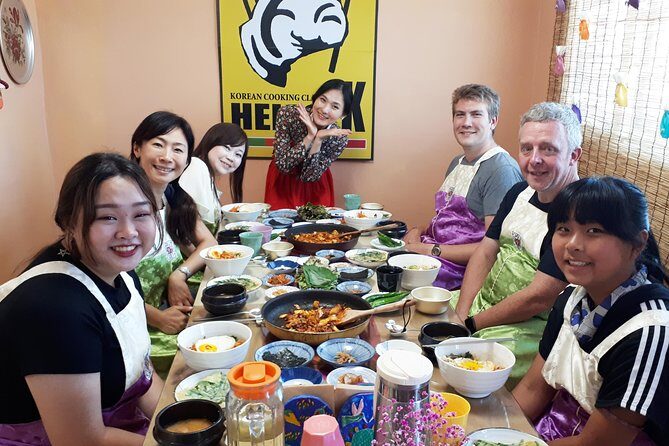
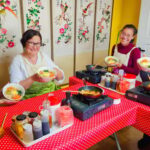
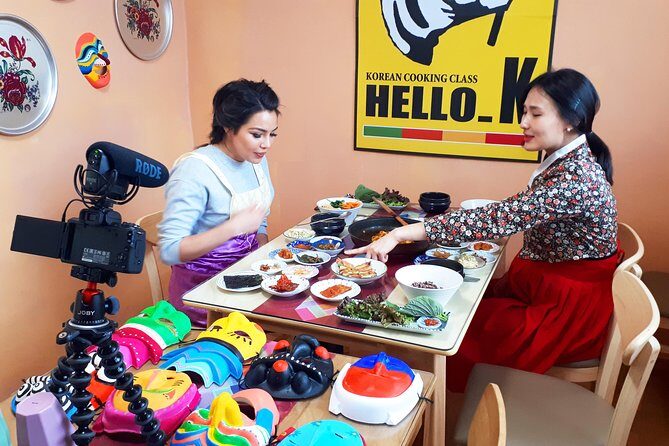
After cooking comes the feast. The dinner is described as a Hanjeongsik-style meal with over 10 different side dishes, plus dessert.
Hanjeongsik is a useful word to know because it describes a table setup, not just one entrée. You’ll sit down and enjoy what you made, alongside many banchan-style sides. This matters because it shows you how Korean meals are built to be eaten as a set. Instead of one big dish trying to carry everything, the meal balances flavors across multiple small sides.
You’ll also get dessert at the end. Dessert is often the part people forget to plan for when they’re deciding on a food tour, so it’s a nice close to a long day. And you’ll be drinking makgeolli, a traditional Korean rice wine. The tour includes a glass of makgeolli with the meal, which turns the dinner into a more complete cultural experience than just tasting food.
One review also mentioned a honeydew-flavored popsicle during the walk on a hot day. That’s not guaranteed in the written summary, but it fits the spirit of how the day is paced: market stroll, street snacks, then a full cooking session and meal.
You can also read our reviews of more tours and experiences in Seoul


Price and what you’re really paying for at $91
$91 for a 3 hours 30 minutes experience sounds straightforward until you break down what’s included.
You’re paying for:
- guided market time with street-food tasting and ingredient explanation
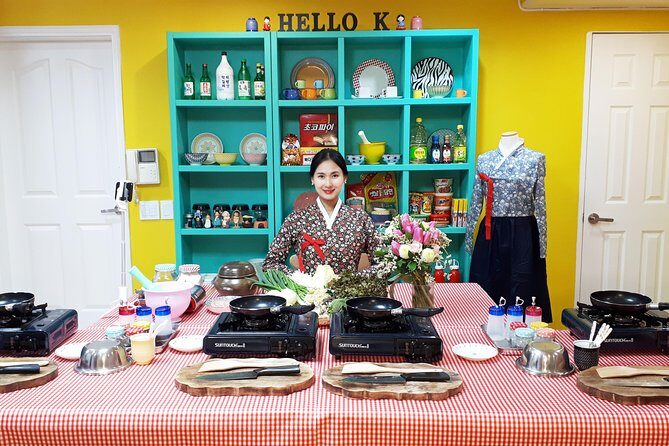
- a hands-on cooking class at a private home
- four dish cooking plus the techniques behind it
- a sit-down Hanjeongsik meal with over 10 side dishes, dessert, and a glass of makgeolli
If you compare that to typical food-only experiences, this has more “production value.” You’re not just sampling. You’re doing the work and bringing the skills home. And because the tour is small, your host has more time to answer questions and correct what you’re doing.
A hidden value is the shopping-to-cooking connection. Many tours show you food after the fact. This one helps you learn how to buy ingredients and recognize them later, which can make it easier to cook Korean food beyond Seoul.
Timing: how to plan your Seoul afternoon around 3.5 hours
The experience runs about 3 hours 30 minutes and finishes back where you started. That return detail is practical: you can plan dinner afterward without worrying about getting across town.
Still, treat it like a full afternoon, not a quick side quest. You’ll have walking time in the market, then active cooking time in a home kitchen, then a full meal. By the end, you’ll likely be glad you planned a calm evening.
Best fit if you want:
- a food-focused day without museum fatigue
- a break from constant sightseeing
- something your group can share and discuss while you eat
Less ideal if you’re trying to squeeze in a lot of other commitments back-to-back, because the day has a natural flow you shouldn’t rush.
Who should book this cooking class (and who should ask questions first)
This class is a strong match for food lovers of all skill levels—especially if you want more than one dish and a real meal at the end.
It also seems to fit families. One review specifically said the class worked well for older kids (with ages around 16 and 18), and another mentioned enjoying the class as a family. There’s also mention that even non-cooks found it fun and enjoyable, which is what you want from a class in a home kitchen where the pace is guided.
You’ll also enjoy it if you like structure. You get a clear arc: market walk → street-food tasting → cooking → Hanjeongsik dinner.
If you have dietary restrictions, the written info doesn’t spell out options. I’d ask the operator ahead of time so you don’t arrive expecting a swap.
Practical tips to get the most out of your market walk and cooking session
Here’s how to make the class feel like a win, not just a nice meal:
- Arrive a few minutes early for Mangwon Station entrance 2. It keeps the market part smooth.
- Wear comfortable shoes. Market walking plus time in a kitchen means you’ll stand.
- Go in with curiosity. Ask your host what to look for when shopping for similar ingredients later.
- Use the moment when you taste street foods. Taste first, then connect it to what you later cook.
- Watch for language tips. Reviews mention learning basic Korean phrases during the day, and those are practical on your next meal out.
- If you like photos, you might appreciate that hosts have taken pictures during the class and sent them afterward, based on review notes.
One more pro move: after the class, compare what you made to what you normally order. You’ll start noticing differences—seasoning balance, side dish combinations, and how Korean meals build variety.
Should you book Local Home Korean Cooking Class & Market Adventure?
Book it if you want a Seoul experience that’s about real skills, not only sightseeing. The market-to-kitchen flow is the core strength: you learn ingredients in context, then you cook with confidence. The small group size also makes a big difference, especially in a home kitchen where hands-on help matters.
I’d skip it only if you’re looking for a passive experience. This is active. You’ll be cooking, learning, and eating a structured meal. If that sounds like your idea of a great afternoon, you’ll likely leave with both recipes and better instincts for how Korean food is built.
If you want one cooking class that gives you a full meal, practical ingredient knowledge, and a Hanjeongsik table with makgeolli, this is a very solid choice.
FAQ
What time does the tour run?
The experience lasts about 3 hours 30 minutes.
Where do I meet the guide?
Meet at Mangwon Station entrance 2. The provided address is 377-20 Mangwon-dong, Mapo-gu, Seoul, South Korea.
How many people are in the group?
The tour has a maximum of 10 travelers.
What dishes will I help cook?
You’ll create four Korean dishes. Bibimbap and Dakgalbi are mentioned as examples of dishes you may make.
Is there a meal included?
Yes. You’ll have a Hanjeongsik-style dinner with over 10 side dishes, plus dessert, and you’ll get a glass of makgeolli.
How do I get the ticket?
You receive a mobile ticket.
Can I cancel for a full refund?
Yes. Free cancellation is available up to 24 hours before the experience starts for a full refund.