Dark history in Seoul can hit hard. This guided walk pairs prison-site history with the independence spirit behind it, so the story actually sticks. I like that you get original spaces (cells and underground rooms), not just photos and theories. I also like how the guide connects the sights to people, especially Yu Gwan-sun, a 17-year-old symbol of courage from the March 1st Movement. One thing to consider: this tour is emotionally heavy, and you should be ready for a serious, memorial-style visit rather than a casual stroll.
You’ll move at a steady walking pace for about two hours, and the group stays small (up to 10). That matters because the guide can pace the explanation and answer questions without rushing you through the sites. I also appreciate that admission is handled for you at the main prison stop, which makes planning simpler when you’ve already got a busy Seoul itinerary. If you prefer upbeat, light attractions, this one may feel too intense for your mood that day.
In This Review
- Key highlights to look for
- Why Seodaemun’s former prison cells matter
- Timing, meeting point, and how the 2-hour walk flows
- Stop 1 at Dongnimmun Gate: why the tour starts in 1890
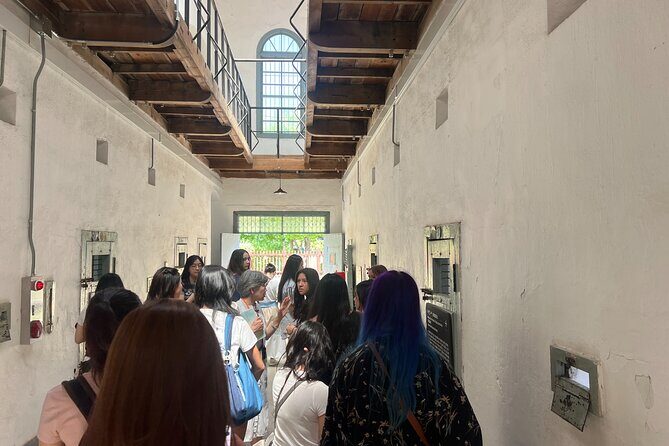
- Stop 2 at Seodaemun Prison History Hall: cells, interrogation rooms, and execution grounds
- The Yu Gwan-sun story: courage given a human face
- The guide matters: 10+ years of Korean history storytelling
- Price and value: what $31.54 gets you
- Who should book this Seodaemun Prison tour
- A quick practical checklist before you go
- Should you book Seodaemun’s dark history guided tour?
- FAQ
- FAQ
- How long is the Seodaemun Prison guided tour?
- How much does the tour cost?
- What is the meeting point and where does the tour end?
- What time does the tour start?
- Is admission included?
- How big is the group?
- Do I need special physical abilities?
- Is it close to public transportation?
- What is the cancellation policy?
Key highlights to look for
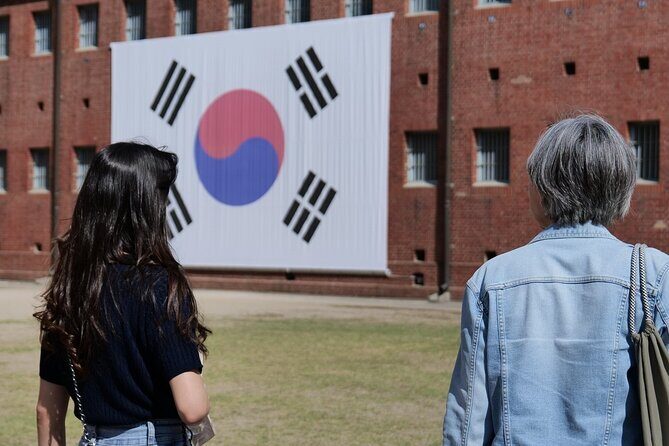
- Original cells, solitary spaces, and underground interrogation rooms that make the history feel real
- Execution grounds that explain what happened to independence activists
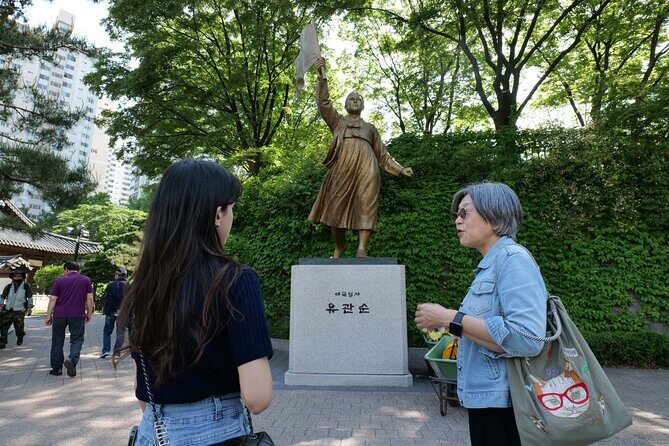
- Yu Gwan-sun (17) and the March 1st Movement told as a human story, not a textbook list
- Dongnimmun Gate (Korean independence landmark from 1890) as your starting context
- A long-experience Korean history guide (10+ years) guiding the walk
Why Seodaemun’s former prison cells matter
Seodaemun Prison isn’t just a “see it and move on” stop. Built in 1908 during Japanese occupation, it now operates as a memorial site, and that changes the tone of the visit. You’re not touring a theme park. You’re walking through places where independence activists were detained and executed, then hearing what those events meant for Korea’s struggle for freedom.
For me, the strongest part of this kind of tour is the way it turns abstract history into physical space. When you stand where people were held and questioned, you understand why the story is not easily reduced to dates. The tour is designed to do that—pairing architecture and rooms with the people and resistance that lived through them.
You’ll also notice that the tour doesn’t focus only on the prison. It starts with context at Dongnimmun Gate, so you’re not dropped into one dark building with no frame. That sequencing helps you follow the bigger narrative from independence symbolism to repression and sacrifice.
You can also read our reviews of more guided tours in Seoul



Timing, meeting point, and how the 2-hour walk flows
This guided walking tour runs about 2 hours and starts at 2:00 pm. The meeting point is at 102-6 Hyeonjeo-dong, Seodaemun-gu, Seoul, and it ends at Seodaemun Prison History Hall, 251 Tongil-ro, Seodaemun-gu, Seoul.
That start time matters. An afternoon tour gives you enough daylight to navigate the area and still keep the day moving afterward. It also fits well if you want a meaningful history stop without sacrificing your whole day.
The route is straightforward in structure: a short first stop, then a longer prison visit. You should be ready for a moderate walking requirement. The info notes a moderate physical fitness level, so plan on being comfortable on foot for the full session, including time spent standing in memorial spaces.
Group size stays small—maximum 10 travelers—which is a quiet win. Smaller groups typically mean less crowd noise and fewer bottlenecks in tight areas like interior rooms.
Stop 1 at Dongnimmun Gate: why the tour starts in 1890
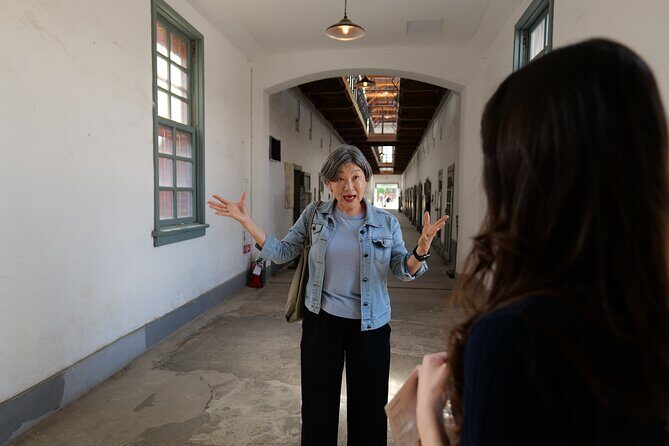
You begin at Dongnimmun Gate, with about 20 minutes there. The focus is the independence landmark created in 1890 by Koreans. Even if you’ve heard the term independence gate before, this stop works as a mental warm-up.
Here’s why I think the opening matters: it sets up what the prison will later destroy or try to control. Independence activism didn’t appear out of nowhere—it grew from identity, public spirit, and symbolism. Dongnimmun Gate represents that earlier energy, and then the tour carries you forward into the era of detention and execution.
Admission is free for this stop, and you spend only a short amount of time here. That makes it easy to accept as context rather than a full attraction. If you’re the kind of traveler who hates “wasted time,” you’ll probably appreciate that the tour doesn’t drag its feet at the first site.
One practical consideration: because this is a gate and an outdoor setting, weather can affect comfort. Bring the usual Seoul basics—layering for cool evenings or sudden temperature shifts—and you’ll enjoy the start more.
Stop 2 at Seodaemun Prison History Hall: cells, interrogation rooms, and execution grounds
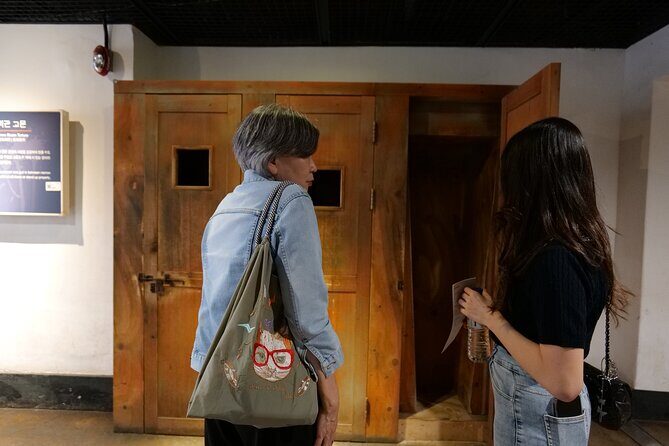
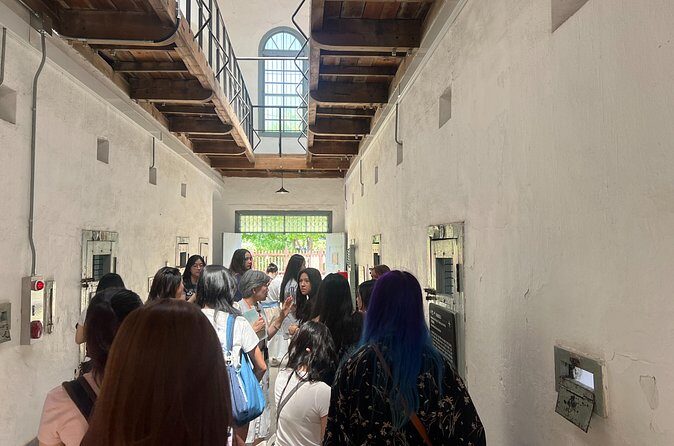
The real weight of the tour lands at Seodaemun Prison History Hall, where you’ll spend about 1 hour 40 minutes. Admission is included here, so you don’t have to juggle tickets mid-day.
This is where the tour earns its reputation for clarity. The experience walks you through several kinds of spaces used to break or control people:
- solitary cells
- interrogation chambers and underground interrogation rooms
- the execution yard / execution grounds
Even with no prior knowledge, the layout helps you grasp how imprisonment worked. It’s not just one room and one story. You see different zones tied to different stages: confinement, questioning, and punishment.
The tour also explains the prison’s role in the independence struggle. That detail is key. Too many history sites describe events at a distance. This one points out the system: why the prison existed, what it was used for, and how activists faced it.
If you want the tour to land emotionally, this is the section. You’re going to stand in real spaces where the narrative is about suffering and resistance. That can be intense. Go in with respect, and keep your phone use quiet and minimal inside memorial areas.
The Yu Gwan-sun story: courage given a human face
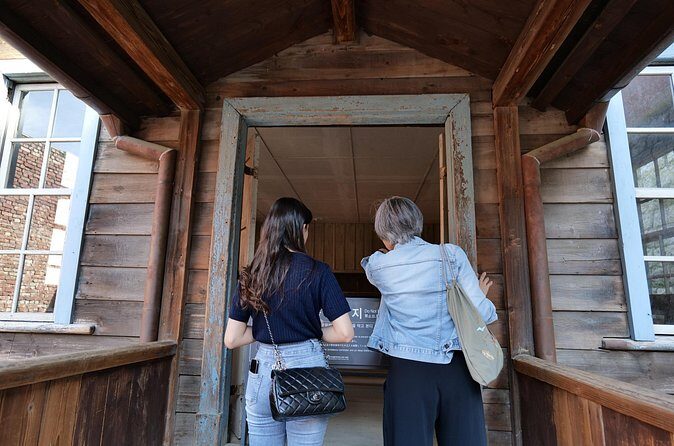
One of the tour’s anchor stories is Yu Gwan-sun, presented as a 17-year-old student whose courage became a national symbol through the March 1st Movement.
I like that the tour doesn’t treat her as a name on a timeline. It frames her courage in a way that connects to the prison setting you’re walking through. When you hear her story right alongside the prison’s spaces, it stops feeling like history you read for a test. It becomes history you can picture.
This kind of storytelling is also why the tour is recommended for people who want more than Seoul’s postcard sights. You’re getting a resistance narrative—one that shows how ordinary people became symbols, and how the colonial system responded with detention and violence.
If you’re traveling with kids or teens, this section can be particularly memorable, but it also deserves a quick reality-check. This is not a light topic. If your group includes younger visitors, it’s worth confirming they’re ready for serious history.
You can also read our reviews of more historical tours in Seoul

The guide matters: 10+ years of Korean history storytelling
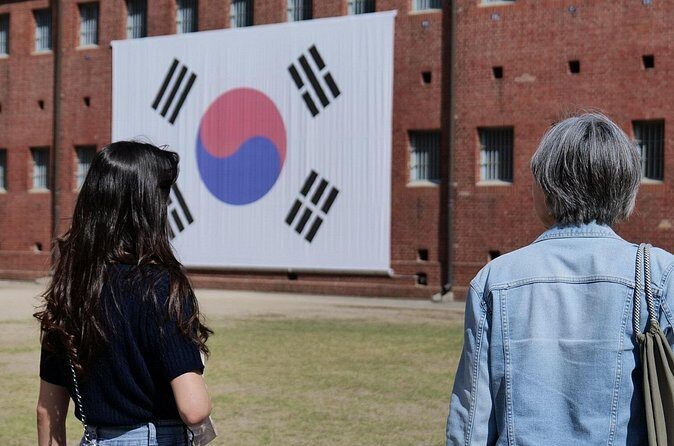
A tour like this lives or dies on the guide. This experience uses a professional guide with over 10 years of experience in Korean history, and it shows in how the story is organized.
What you should expect from a strong guide here:
- clear explanations of how the prison spaces relate to what happened
- historical context for the independence movement
- a focus on people (including Yu Gwan-sun), not just buildings
In practice, that means you should leave understanding not only what happened, but how and why the prison site fits into the bigger struggle for freedom.
With a small group, the guide can also keep the pace from turning into a rushed slideshow. You’ll have time to ask questions if something doesn’t make sense, which is especially helpful when you’re dealing with complex historical events.
Price and value: what $31.54 gets you
At $31.54 per person, this tour isn’t the cheapest thing on the Seoul history menu. But the value is tied to what’s included and what you’re actually seeing.
Here’s the value logic:
- you get a structured guided walk (about 2 hours)
- the main prison-site admission is included
- you’re inside spaces tied directly to historical events, including original prison cells and interrogation areas
If you were to piece together a DIY visit plus guided interpretation, you’d likely spend time figuring out what to see and how to connect it to the independence narrative. This tour solves that. You don’t just visit—you understand.
Also, the group size cap (up to 10) is part of the cost equation. It’s easier to deliver detailed explanation in a smaller group, and that’s exactly what you want for darker, emotionally complex sites where nuance matters.
Who should book this Seodaemun Prison tour
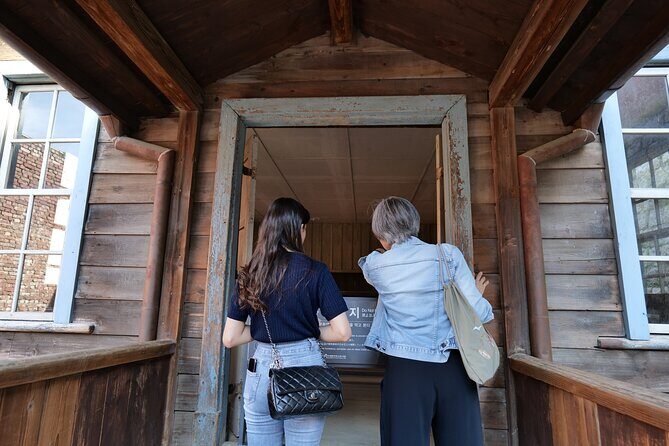
This is a great fit if you:
- want history with real physical context, not just monuments
- enjoy guided storytelling that explains how sites were used
- want a smaller-group experience where the guide can keep things clear
It may be less ideal if you:
- prefer comedy-energy sightseeing or casual photo stops
- struggle with heavy memorial themes
- want an experience that’s mostly outdoors and light
If you’re mixing Seoul sightseeing—palaces, markets, modern neighborhoods—this tour adds contrast in a meaningful way. It helps you understand the country’s modern identity by confronting the part of the story that shaped it.
A quick practical checklist before you go
Since the tour includes interior spaces and a serious memorial setting, prep like you’re visiting a place of remembrance, not just a museum.
Bring:
- comfortable walking shoes (you’ll be on foot for the whole 2 hours)
- weather-ready layers (Seoul conditions can shift)
- a low-volume mindset for photos and quiet behavior indoors
And mental prep helps too. If you know you get emotionally worn down by difficult history, plan something light after the tour—coffee, a short park break, or a calmer neighborhood stroll.
Should you book Seodaemun’s dark history guided tour?
Yes, if you want Seoul to mean something beyond quick sightseeing. The combination of original prison spaces, a focused independence narrative, and a guide with 10+ years of history experience makes it feel guided in the way you actually need for a site like Seodaemun.
I’d tell you to book especially if you care about understanding the independence movement through real locations like cells, interrogation rooms, and execution grounds. This tour isn’t just informative—it helps the story make sense in your body, not only your head.
FAQ
FAQ
How long is the Seodaemun Prison guided tour?
It runs for about 2 hours.
How much does the tour cost?
The price is $31.54 per person.
What is the meeting point and where does the tour end?
You meet at 102-6 Hyeonjeo-dong, Seodaemun-gu, Seoul, and the tour ends at Seodaemun Prison History Hall, 251 Tongil-ro, Seodaemun-gu, Seoul.
What time does the tour start?
The start time is 2:00 pm.
Is admission included?
Admission is included at the Seodaemun Prison History Hall stop. Admission for the Dongnimmun Gate stop is listed as free.
How big is the group?
The tour has a maximum of 10 travelers.
Do I need special physical abilities?
The info says a moderate physical fitness level is recommended.
Is it close to public transportation?
Yes, the meeting area is near public transportation.
What is the cancellation policy?
You can cancel for free up to 24 hours in advance of the experience start time for a full refund. Changes within 24 hours aren’t accepted.