REVIEW · SEOUL
K-food cooking Japchae Mandu Tteokbokki & Fishcake
Book on Viator →Operated by sunnysdiningbz · Bookable on Viator
K-food cooking classes in Seoul feel like a shortcut. You’ll learn four crowd-pleasing dishes in about two hours, then you get dessert and a quick indoor market tour. The setup also gives you time to plate neatly and film your table if you like posting cooking content.
I like the practical side: materials, tools, and packaging are included, so you’re not paying extra just to cook. I also like the structure—make, taste, and then see real ingredients and seasonings at an indoor market across the street.
One thing to consider: the indoor supermarket tour is not held on the 2nd and 4th Sundays, so if your dates fall then, you’ll want to plan around that.
In This Review
- Key Things You’ll Notice Right Away
- A Seoul Cooking Class Built Around Four K-Favorites
- What You’ll Make: Japchae, Mandu, Tteokbokki, and Fishcake
- The Cooking Setup: Camera-Friendly, Organized, and Easy to Follow
- Dessert Break: Seasonal Yakgwa and Sesame Rice Cake
- After the Stove: The Indoor Supermarket Tour Across the Street
- Price and Value: Is $81 Worth It?
- Practical Tips: What to Do Before You Go and After You Shop
- Who Should Book This (and Who Might Skip It)
- Should You Book K-food Cooking Japchae Mandu Tteokbokki & Fishcake?
- FAQ
- FAQ
- What dishes do I cook in this class?
- How long is the experience?
- Where is the meeting point?
- Is this a guided class or self-paced?
- Does the tour include dessert?
- Is there a market tour after cooking?
- When is the supermarket tour not held?
- What’s included in the price?
- Is alcohol included?
- Is there free cancellation?
Key Things You’ll Notice Right Away
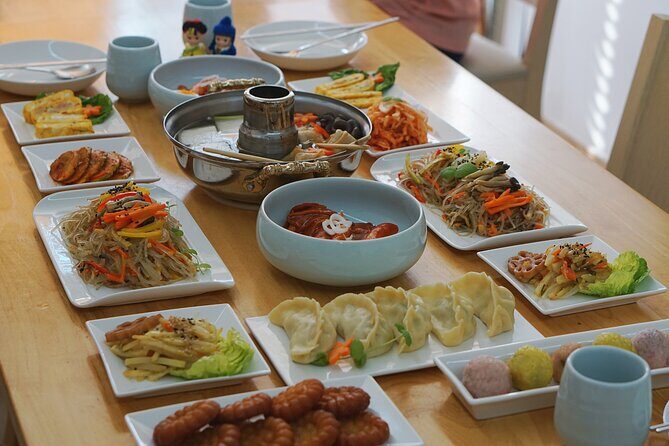
- Four dishes, one class: Japchae, Mandu, Tteokbokki, and fishcake together
- Small group size (up to 6), which usually keeps the pace calm and hands-on
- Seasonal Korean desserts included like yakgwa and sesame rice cake (varies by season)
- Indoor market tour right across the street for about 30 minutes
- Tax refund help on qualifying purchases if you bring your passport
- Designed for photos and video with time to set your table nicely
A Seoul Cooking Class Built Around Four K-Favorites
This isn’t a one-dish demo where you watch and take a few notes. The format is built around making four representative Korean foods—so you leave with more than a story. You leave with techniques you can reuse at home, because you’re working on different cooking styles in the same session.
The experience starts in Seoul at 5:30 pm and runs about two hours. You’ll meet at 199 Baekbeom-ro, Mapo-gu, Seoul, and the activity ends back at that same meeting point. It’s also a mobile ticket setup, which makes arrival simple if you’re already using your phone for transit and payments.
You should expect a relaxed, guided flow: ingredients and tools are ready for you, and the class focuses on getting you cooking rather than just explaining from afar. Several people also call out that the instructor feels calm and prepared, and that matters. When the pace is steady, you actually get to taste what you’re making—not just rush through steps.
You can also read our reviews of more food & drink experiences in Seoul
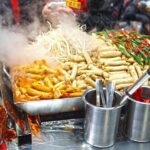
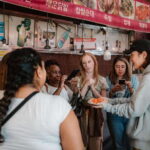
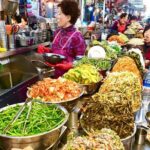
What You’ll Make: Japchae, Mandu, Tteokbokki, and Fishcake
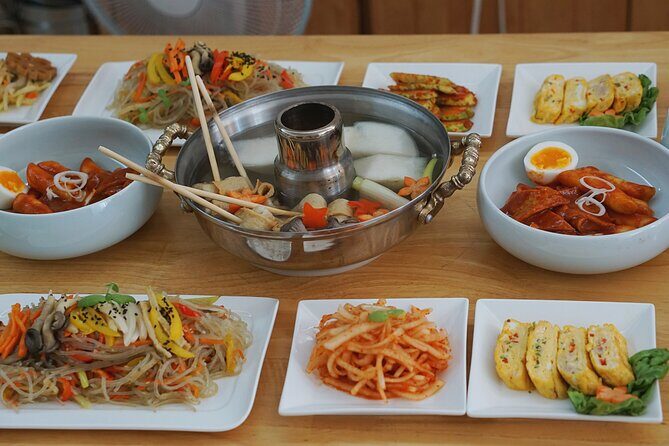
Here’s the big reason this class is fun: you’re not choosing from a menu of options. You’re making four K-foods in one go, so you build a mini Korea-at-home set.
You’ll cook:
- Japchae (a classic Korean noodle dish)
- Tteokbokki (spicy-sweet rice cake comfort food)
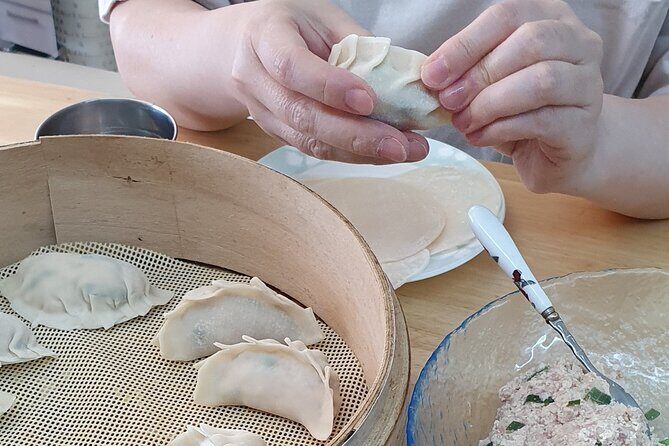
- Mandu (Korean dumplings)
- Fishcake (often served as chewy, savory slices)
What I like about learning these four together is that they cover different flavors and textures. Japchae gives you that savory-sweet noodle balance. Mandu is more about filling and assembly. Tteokbokki is sauce control—getting the right thickness and coating. Fishcake adds the kind of ingredient many home cooks struggle to source correctly, which makes seeing it up close later at the market extra helpful.
Most classes like this can still feel a bit abstract if you’re only half involved. Here, the experience is designed around you making the dishes, then setting everything out to eat as a group meal. That tasting moment isn’t an afterthought—it’s where you confirm your seasoning and learn what “good” tastes like before you try to recreate it later.
The Cooking Setup: Camera-Friendly, Organized, and Easy to Follow
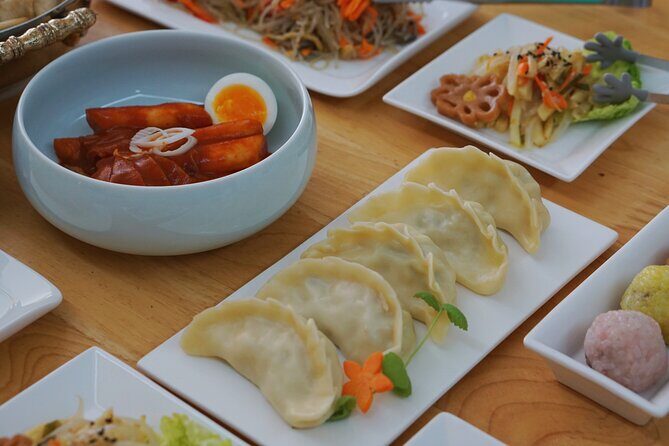
Korean cooking is often about timing and small adjustments, so the best classes are the ones that remove friction. This one does that. All materials, tools, and packaging are included, which means you don’t waste the first part of the session figuring out what you’re supposed to grab.
There’s also a built-in table moment. You’ll create a Korean-style table, then you can take time to set things up nicely and film carefully for your own social media. If you’re the kind of person who likes to document your trip, this is a low-stress way to get good results. If you’re not into filming, you can just use the same time to enjoy the food presentation and take normal photos without feeling rushed.
Group size is capped at a maximum of 6 travelers, and that changes the whole feel. In a small group, you’re more likely to get quick guidance when you hit a snag—especially with anything hands-on like dumplings or rice-cake sauce.
Two practical notes that affect your comfort:
- Alcoholic beverages are not included, so don’t build your budget around drinks.
- You’ll be there in the evening, so come with enough energy for a full cooking session plus dessert.
Dessert Break: Seasonal Yakgwa and Sesame Rice Cake
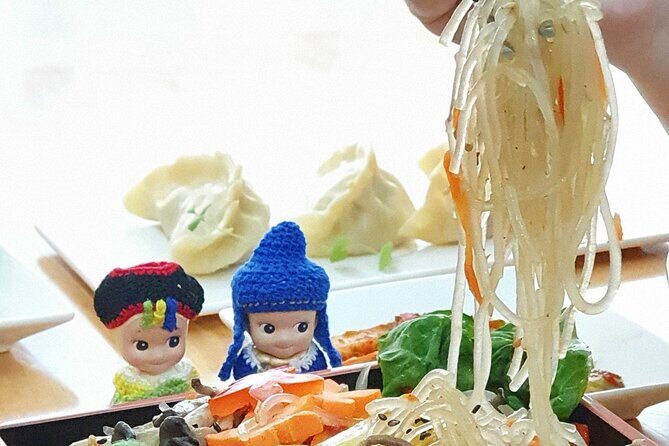
After cooking and eating the meal you made, the class includes seasonal Korean desserts. The specific desserts vary depending on the season, but you may see favorites such as:
- Yakgwa
- Wind rice cake
- Sesame rice cake
I like that dessert here is tied to the meal rather than treated like a separate add-on. Korea’s dessert scene changes through the year, so you’re getting a taste of what people are actually eating now, not just a fixed “tourist list.”
Because the desserts rotate by season, you also get a better sense of Korean food culture as something living. Even if you don’t remember every dessert name, you’ll still walk away with the idea that Korea’s comfort foods and sweets adjust with the calendar.
After the Stove: The Indoor Supermarket Tour Across the Street
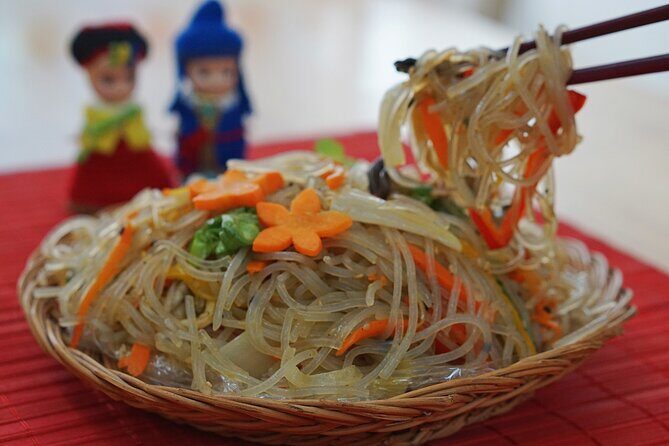
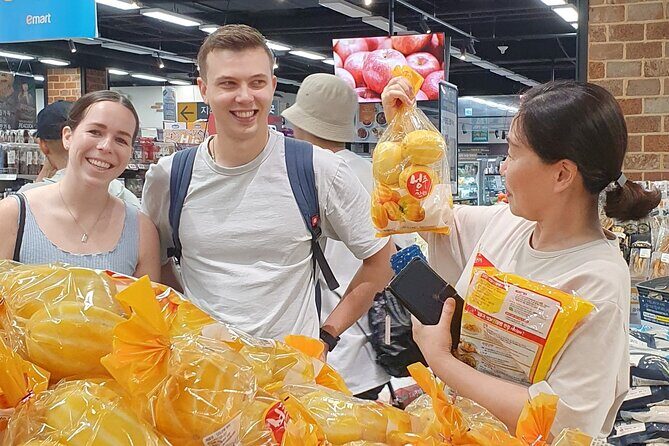
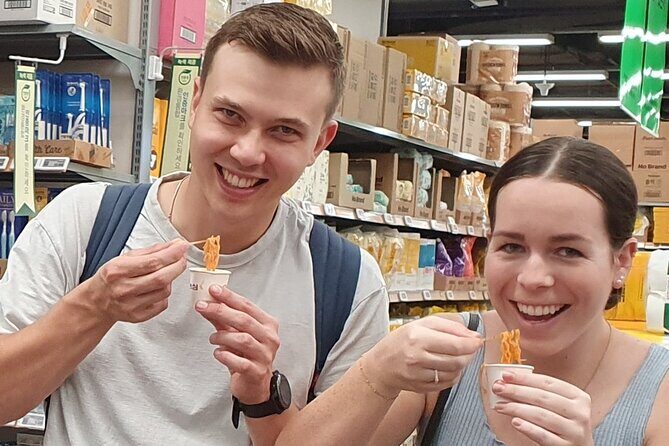
One of the smartest parts of this experience is what happens after the cooking. You don’t just leave with recipes and hope you can find the right ingredients. You walk into a large indoor market located right across the street from the studio building and get about 30 minutes inside.
This market visit includes:
- An indoor supermarket tour covering four floors
- A chance to see not just snacks and groceries, but also large kimchi refrigerators used by Koreans
- Guidance for purchases, especially for items like snacks and a wide range of seasonings
If your goal is to recreate the dishes at home, this is where things click. You’ll see what the ingredients look like, how they’re packaged, and what’s commonly bought in everyday life. That saves you time later when you’re stuck at a regular store back home trying to guess equivalents.
There’s also a tax angle that can matter if you’re doing shopping while you’re in Seoul. The class notes that you can receive a tax refund immediately for purchases over 30,000 won (including VAT) if you bring your passport, and this happens after you see the purchase process of the used materials. Even if you don’t plan big shopping, it’s useful to know the process exists right there, rather than you discovering it too late.
One key consideration: the market tour is closed on the 2nd and 4th Sundays. So if you’re traveling on those dates, check carefully that your planned session actually includes the supermarket portion.
You can also read our reviews of more tours and experiences in Seoul


Price and Value: Is $81 Worth It?
At $81 per person for about two hours, it’s not the cheapest meal-included activity in Seoul. But it can be good value if you look at what’s wrapped into that price.
You’re paying for:
- The cooking instruction for four dishes at once
- All materials, tools, and packaging
- A meal that includes what you cook
- Seasonal desserts
- A short but structured indoor market tour
- Support for purchasing decisions during the market visit
Where this becomes worth it is when you compare it to the cost of ingredients plus time. Cooking four Korean dishes at home usually means sourcing multiple specialty items, and that’s where travel value often disappears—because your time and shopping effort add up. This class compresses the whole process into one evening and gives you direction while you’re still in Seoul, with access to the ingredients you can’t easily guess at.
Also, small group size can make the experience feel more efficient. With up to 6 travelers, you’re less likely to get stuck waiting for help, which is a real value factor in hands-on classes.
Practical Tips: What to Do Before You Go and After You Shop
This kind of class goes best when you treat it like a skills session, not just a meal event.
Before you arrive:
- Plan to be ready for hands-on cooking—come wearing comfortable clothes that can handle a little kitchen mess.
- If you want to post photos and video, think about how you’ll balance filming with cooking time. The experience includes time for careful filming, but you still want to stay present for the actual steps.
During the market tour:
- Focus your purchases on ingredients and seasonings that directly relate to what you cooked: sauces, rice cake basics, dumpling-related items, and anything you used for the fishcake component. The market visit is built to help with decisions like that.
- If you’re doing tax-free shopping, remember the key detail: bring your passport to use the refund option for eligible purchases over 30,000 won (including VAT).
What to pack mentally:
- Expect the dessert lineup to change with the season. If you have a specific sweet you’re chasing, don’t assume it will be available in your session—just know dessert is included and varies.
Who Should Book This (and Who Might Skip It)
This class is a strong match if you want more from Korea than just tasting. You’ll likely enjoy it if you:
- Like learning recipes that include real technique, not just assembly
- Want a manageable way to cook multiple Korean favorites in one night
- Appreciate the added bonus of an ingredient shopping stop immediately after cooking
- Prefer small-group instruction over big, fast-paced group tours
It may be less ideal if:
- You only want one dish and don’t care about the other three
- You’re traveling on a date that might fall on the 2nd or 4th Sunday, when the supermarket tour portion won’t run
- You’re expecting alcoholic drinks included with the meal (they aren’t)
Also, this experience is designed for kids 10 years old and above. Younger kids are allowed only when accompanied by a guardian, so family planning matters.
Should You Book K-food Cooking Japchae Mandu Tteokbokki & Fishcake?
If you want a high-impact Seoul experience that mixes cooking skills, real food tasting, dessert, and an ingredient-focused market stop, I’d book it. The biggest strength is that it’s not just educational—it’s practical. You cook, you eat, and you immediately see the ingredients and seasonings you’ll want to buy to recreate the dishes.
The main reason to pause is scheduling: the indoor supermarket tour isn’t held on the 2nd and 4th Sundays. If your dates align, you’ll get the full package. If they don’t, you might still enjoy the cooking and dessert parts, but your shopping payoff will be smaller.
FAQ
FAQ
What dishes do I cook in this class?
You’ll make four Korean foods: Japchae, Tteokbokki, Mandu, and Fishcake.
How long is the experience?
It runs for about 2 hours.
Where is the meeting point?
You meet at 199 Baekbeom-ro, Mapo-gu, Seoul, South Korea.
Is this a guided class or self-paced?
It’s a guided cooking experience with everything organized for you, including instruction as you cook and then eat together.
Does the tour include dessert?
Yes. You’ll have seasonal Korean desserts such as yakgwa and sesame rice cake, depending on the season.
Is there a market tour after cooking?
Yes. After the meal, you’ll visit a large indoor supermarket across the street for about 30 minutes, for a tour across four floors.
When is the supermarket tour not held?
The market tour is not held on the 2nd and 4th Sundays.
What’s included in the price?
The price includes all materials, tools, and packaging.
Is alcohol included?
No. Alcoholic beverages are not included.
Is there free cancellation?
Yes. You can cancel for a full refund if you cancel at least 24 hours before the experience start time.
If you tell me your travel dates (especially whether you’re there on the 2nd or 4th Sunday) and whether you care more about cooking or shopping, I can help you decide if this is your best-fit evening in Seoul.
![The Seoul Pub Crawl [official] - The 4-Hour Night Route: Four Shot Stops and a Real Party Pace](https://7.seoulescapes.com/wp-content/uploads/the-seoul-pub-crawl-official-400x267.jpg)