REVIEW · SEOUL
Thrilling Korean DMZ 3rd Tunnel Tour from Seoul + Red Bridge Rush
Book on Viator →Operated by VIP TRAVEL Co.Ltd · Bookable on Viator
A divided peninsula, told in plain facts.
This full-day DMZ tour from Seoul pairs hotel pickup with an information-heavy guide story at every stop, from Imjingak sites to the Third Tunnel. I especially like the way the day is structured so you spend more time seeing the real places and less time figuring out what is where. The big consideration is that parts of the day can be physically demanding, particularly the tunnel walk and the optional red bridge hike.
I also appreciate the value for the money: you get comfortable, all-in-one transportation plus included admission to the paid DMZ-area stops. The day runs about 7.5 hours, and you’ll have short self-exploration windows rather than feeling stuck in a lecture the whole time. Just plan for no lunch being included, and bring snacks and water if you want to avoid getting hangry mid-day.
Finally, keep your expectations realistic. The tour time can change due to military issues or events, and bad weather can shift what you’re able to do. On top of that, there are rules about photography in restricted areas, and you’ll follow them even when it feels a little frustrating.
In This Review
- Key highlights that matter in real life
- Why the DMZ feels different when you go with a guide
- Price and what you actually get for a $35 DMZ day
- Pickup in central Seoul: where you meet and where you end up
- Imjingak’s reunion sites: where the story starts before the border
- Imjingak Park and the Freedom Train area
- Unification Bridge moment at Imjingak Resort
- Bridge of Freedom
- The DMZ gondola and the Peace Bell stop you should not rush
- Optional: Paju Imjingak Peace Gondola
- Peace Bell at Pyeonghwauijong
- Third Tunnel of Aggression: the physical reality of the DMZ
- What it feels like on the ground
- Photo rules
- Dora Observatory: the viewpoint, the limits, and why binoculars help
- Expect distance and limits
- Photography restrictions
- Tongilchon Jangdankong Maeul: a calmer stop with a watchful eye on shopping
- Gamaksan Red Bridge Rush: fun for hikers, not for everyone
- Timing: what a 7.5-hour DMZ day really feels like
- Who this tour is best for (and who should think twice)
- Should you book this DMZ + Third Tunnel + Red Bridge tour?
- FAQ
- Do I need a passport for this tour?
- Where are the pickup meeting points in Seoul?
- Does the tour include admission tickets?
- Is lunch included?
- Can the tour schedule change on the day?
- Is the Third Tunnel visit physically difficult?
- Is the Red Bridge Rush part optional?
Key highlights that matter in real life
- Comfort-first logistics with central pickup options and drop-off in downtown Seoul
- Included entry to the paid DMZ-area stops so you can focus on the sights
- Third Tunnel access with a genuinely physical walk down into the tunnel
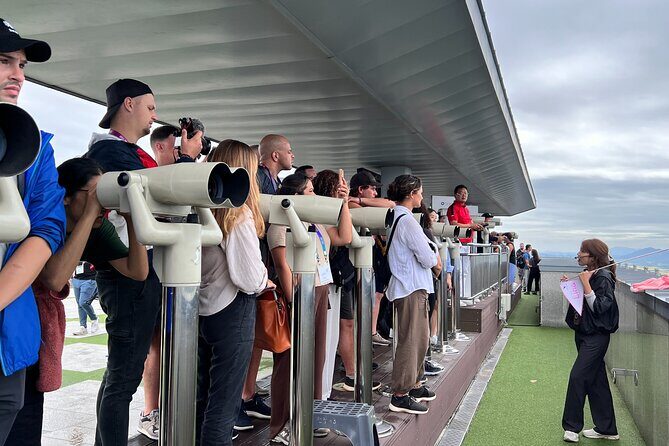
- Dora Observatory viewpoints over North Korea, where binoculars can be a big help
- Optional Red Bridge Rush via the Gamaksan suspension bridge for hikers who want extra challenge
Why the DMZ feels different when you go with a guide
The DMZ is one of those places where the scenery alone doesn’t explain much. You need the context: why these specific spots exist, what the border means on the ground, and how the armistice has shaped daily life on both sides. That’s exactly what the guide commentary is built for—clear, stop-by-stop explanation while you’re standing in front of relics, memorials, and reconstructed sites.
What I like most is that the day doesn’t treat the DMZ like a single photo stop. You get a sequence. You start at Imjingak’s reunification-themed memorial areas, then move toward the boundary story, and finally reach the Third Tunnel and Dora Observatory where the distance and restrictions become part of the experience.
It also helps that the guides have strong communication reputations. Names that show up in traveler feedback—like Nancy, Judy, Crystal, Henry, Lina, and Kelly—tend to be praised for keeping groups on time while explaining what you can and can’t do. That matters because rules can be strict and schedules can shift.
You can also read our reviews of more tours and experiences in Seoul.
Price and what you actually get for a $35 DMZ day
At around $35 per person, this tour is priced like a “low-friction” way to hit the highlights without stacking multiple tickets and transport bookings. For the money, you get:
- a professional guide (English or Chinese)
- comfortable roundtrip transportation
- admission included for the paid stops along the DMZ route
What’s not included is the part that most people underestimate: lunch. The itinerary includes many short stops, and the day can feel fast. If you wait until you’re starving to eat, you’ll likely end up buying something quickly at a stop or going without.
My practical advice: bring a small snack stash and a bottle of water. Even if you plan to buy food at a stop, you’ll feel better with a backup.
Pickup in central Seoul: where you meet and where you end up
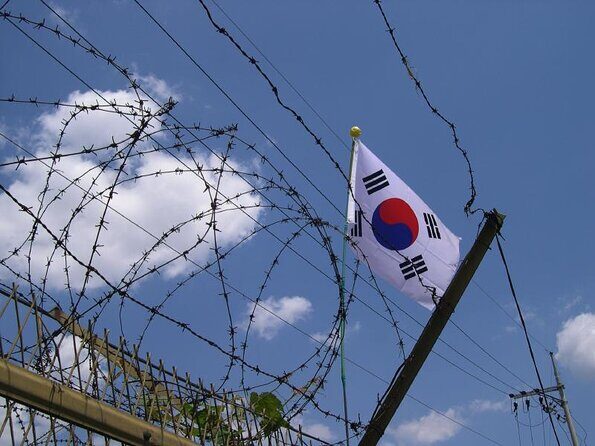
This tour is designed to reduce the hassle of meeting a random group point. You’ll find three main pickup options in downtown Seoul:
- Myeongdong Subway Station (Exit 9)
- Seoul City Hall Subway Station (Exit 6)
- Hongdae Subway Station (Exit 3)
Depending on where you’re staying, hotel pickup is available only in the downtown area (or you can meet at a main subway station). After the tour, you get drop-off back in central Seoul—Hongdae, City Hall, or Myeongdong.
Why that matters: it saves you from squeezing into crowded subway trains before and after a long day. You’ll also start in a more predictable way, which helps when your tour timing can change due to conditions in the DMZ.
Imjingak’s reunion sites: where the story starts before the border
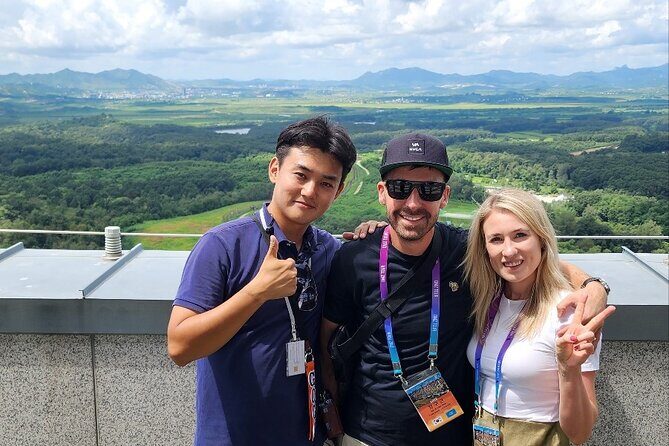
The DMZ day doesn’t start at the most intense location. It starts with Imjingak, and that’s smart. These stops give you emotional and historical grounding before you ever face the tunnel or the observatory.
Imjingak Park and the Freedom Train area
You spend time at Imjingak’s Pyeonghwa-Nuri Park, a reunification memorial space built for people separated by the conflict. You’ll see the bullet-scarred Freedom Train, a haunting object that helps connect the war story to the human cost.

Unification Bridge moment at Imjingak Resort
There’s also a short stop at Imjingak Resort so the guide can handle entry clearance and tickets needed to go through the Unification Bridge route. This is where you notice the administrative side of visiting the DMZ: you’re not just sightseeing, you’re entering a controlled environment.
Bridge of Freedom
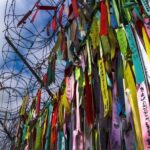
You’ll step onto the Bridge of Freedom, linked to the 1953 crossing when 12,773 POW made their way to the South. Even though it’s not a long stop, it’s one of those places where you’ll feel how carefully the area is framed for visitors.
The DMZ gondola and the Peace Bell stop you should not rush
Two places tend to help you breathe in the middle of a packed day: the Paju Imjingak Peace Gondola (optional) and the Peace Bell.
Optional: Paju Imjingak Peace Gondola
If you choose the gondola, you’ll ride above the Imjin River. It opened in 2020 and crosses into the Civilian Control Zone, so it’s not just a scenic ride—it’s also part of how the DMZ region is managed for civilians. Expect this as a “pace yourself” option because you’ll likely have been walking earlier.
Peace Bell at Pyeonghwauijong
The Peace Bell is a big, heavy bronze symbol built in 2002 to represent reunification hopes. It’s a short stop, but it’s a good one to slow down. You’ll be standing in a memorial environment, so give yourself the chance to look around rather than only focusing on the guide’s next talking point.
Third Tunnel of Aggression: the physical reality of the DMZ
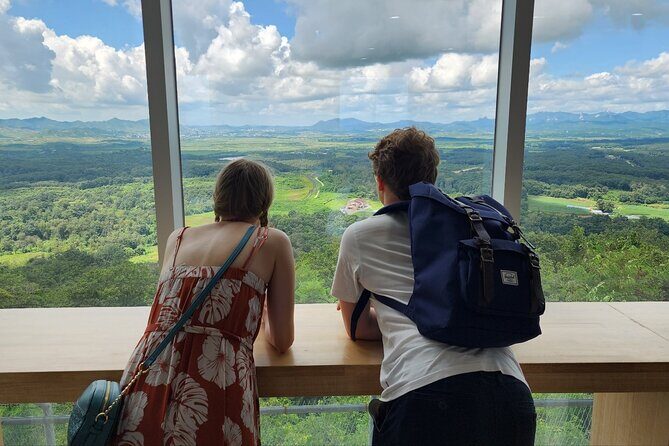
This is the headline. The Third Tunnel of Aggression (often called the 3rd infiltration tunnel) was uncovered in 1978 and is located about 52 km from Seoul and 12 km from Munsan. The tunnel is roughly 1,635 meters long (the stop here is the visitor access portion), and the experience is built around walking down and into a narrow underground space.
What it feels like on the ground
Here’s the part you should take seriously: the tunnel visit can be strenuous. In feedback, people describe a longer tunnel walk with steep slope portions and a narrow, low-ceiling stretch inside. One traveler even mentioned the tunnel route being around 20 degrees downward and crawling through a tunnel section that feels cramped and low.
If you’re the type who gets claustrophobic, this is the moment to decide if you can handle it. If you’re physically comfortable, wear grippy shoes and plan for a slower pace than you think you’ll need.
Photo rules
You also shouldn’t plan on taking photos in the tunnel. Multiple travelers specifically call out that photography inside the tunnel isn’t allowed. That’s frustrating in the moment, but it’s normal for controlled DMZ areas—so it’s better to mentally prepare ahead of time than get irritated once you’re already there.
Dora Observatory: the viewpoint, the limits, and why binoculars help
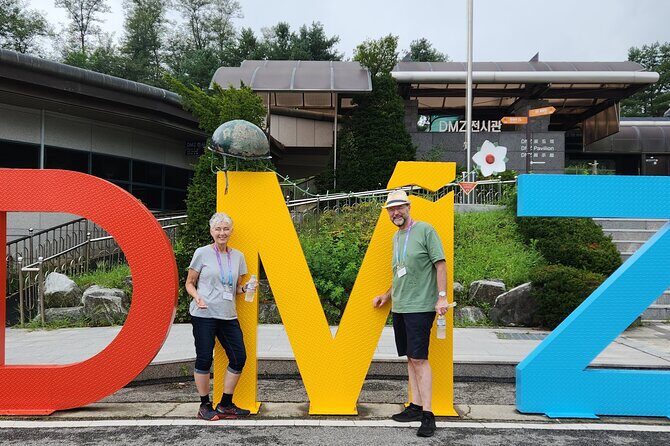
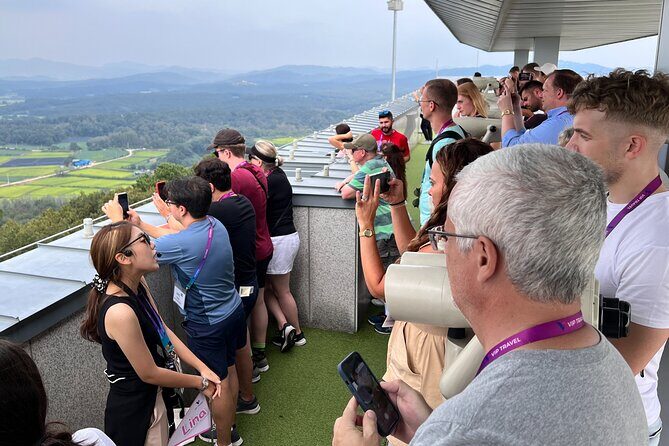
After the tunnel, you reach Dora Observatory on Dorasan. This spot is rebuilt and established for the closest South Korean vantage points over North Korea, and it’s commonly described as the “ultimate thrill” stop of the day.
Expect distance and limits
This is where the DMZ stops being theoretical and becomes about distance. Even from the observatory, what you see can feel far away, especially in less-than-perfect weather.
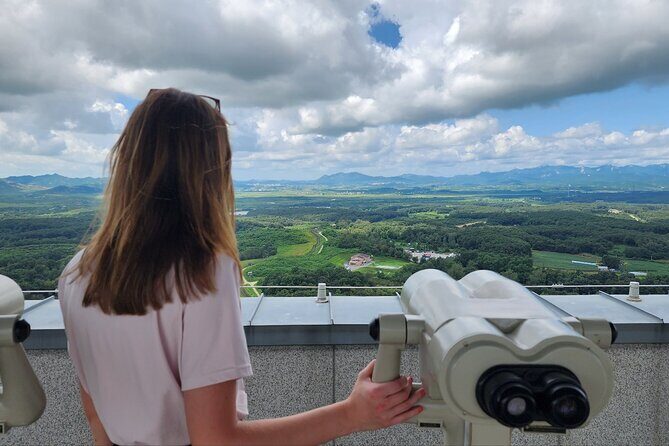
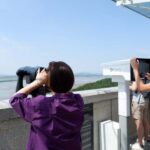
A practical tip supported by traveler advice: bring binoculars if you have them. People mention that the view is still quite far, so binoculars help you actually make out more than you can with the naked eye.
Photography restrictions
Some visitors also report that photography from the observatory toward North Korea may be restricted. Don’t make your plan based on getting dramatic skyline shots. Instead, treat it as a place to look, listen, and absorb the scale of the situation.
Tongilchon Jangdankong Maeul: a calmer stop with a watchful eye on shopping
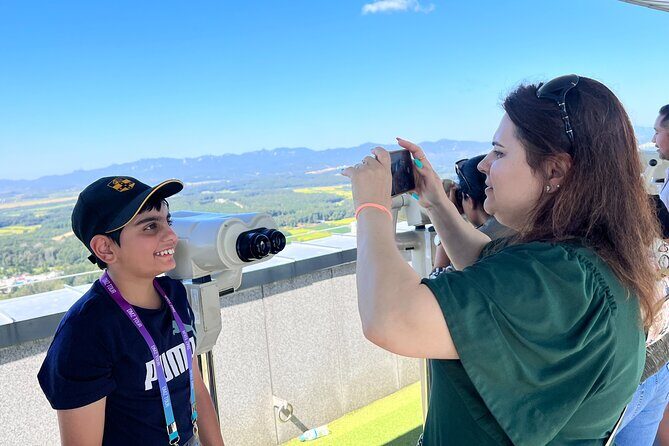
The final wrap-up DMZ area stop is Tongilchon Jangdankong Maeul near the Civilian Control Line. It’s described as a serene village setting, and it’s timed so you can reset your brain after the tunnel and observatory intensity.
This is also where you should calibrate your expectations. Some feedback points out that this stop can include time for purchases from a store or a vendor setup, even when the day is marketed as low-shopping. In plain terms: you may have an opportunity to buy things here, so if you want zero retail pressure, stay focused on browsing fast or skipping purchases entirely.
Gamaksan Red Bridge Rush: fun for hikers, not for everyone
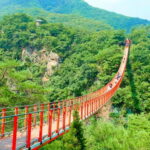
Now for the optional add-on that splits people into two camps: the Gamaksan Suspension Bridge, also known as the Gloucester Heroes Bridge. It’s about 150 meters long and 1.5 meters wide, built in 2018 to honor sacrifices from the Korean War.
The biggest consideration: the walk up to it can be steep. In feedback, one common complaint is that the red bridge approach feels like a hike up a hillside with limited time. That means if you’re not in great shape—or you don’t like steep effort—you might find the optional portion more stressful than thrilling.
If you do decide to go:
- wear shoes you trust
- keep your pace steady (don’t rush on the incline)
- plan for a shorter time window at the top
If your plan is to take lots of photos and stroll leisurely, you might prefer skipping the bridge and sticking to the main DMZ route.
Timing: what a 7.5-hour DMZ day really feels like
This tour runs about 7 hours 30 minutes. The schedule is built from lots of short stops:
- several 10-minute memorial or logistics moments
- multiple 30-minute photo/viewing periods
- one big 30-minute Third Tunnel block
It’s a full day, not a slow museum loop. Some travelers even describe it as smooth and well-organized, with very little wasted time—others highlight that you’ll be moving often and that food isn’t built in.
One more real-world factor: the tour time can change due to military issues or events. On bad weather days (snow and similar), it’s possible the DMZ portion may be adjusted. In one described case, the group couldn’t do the main DMZ/JSA tour and was offered alternative options like the cable car and the Korean War Museum instead.
So: stay flexible. You’re visiting a live security zone, not a theme park.
Who this tour is best for (and who should think twice)
This DMZ + Third Tunnel day works best if you:
- want a guided, history-focused day without doing complicated planning yourself
- can handle steady walking and crowded conditions on a group tour
- like the idea of getting close to key DMZ landmarks, not just looking from far away
You should think twice if you:
- have mobility limitations that make steep slopes or tight tunnel spaces difficult
- don’t tolerate enclosed spaces well
- expect lots of free time at each stop (you won’t get long lingering)
For families, it can still be a strong choice if the kids can manage the walking and tunnel rules. One reviewer even said it was a great trip to bring boys and that it worked well for family sightseeing.
Should you book this DMZ + Third Tunnel + Red Bridge tour?
If you want the DMZ experience in one organized day from Seoul, this is a solid value choice—especially at the $35 price point with guide and paid admissions included. The Third Tunnel stop is the main reason to book, and the day’s pacing is designed to keep you from wasting time between sights.
I’d book it if you’re ready for a “see a lot” schedule and you can handle physically demanding moments. I’d also pack snacks and binoculars if you like getting more out of viewpoints.
I’d skip the optional red bridge if you’re easily exhausted by steep hikes or if you’d rather spend your energy recovering rather than climbing.
If you do book, come prepared with a passport, wear grippy shoes, and treat the DMZ like what it is: a place where history is close, the rules are real, and the day can change with the situation.
FAQ
Do I need a passport for this tour?
Yes. A passport is needed on the tour day. Military ID Cards and locally issued ARC cards are also accepted.
Where are the pickup meeting points in Seoul?
The tour lists three central pickup options: Myeongdong Subway Station (Exit 9), Seoul City Hall Subway Station (Exit 6), and Hongdae Subway Station (Exit 3). Hotel pickup is available only in the downtown area, or you can meet at a main subway station.
Does the tour include admission tickets?
Yes. The tour includes admission to attractions along the DMZ route, including the paid stops listed in the itinerary.
Is lunch included?
No. Lunch is not included, so plan to eat on your own.
Can the tour schedule change on the day?
Yes. The tour time can be changed depending on military issues or events occurring within the DMZ.
Is the Third Tunnel visit physically difficult?
It can be strenuous. The tunnel involves walking down into a narrow underground space, and the route can be challenging, so wear good shoes and go at your own pace.
Is the Red Bridge Rush part optional?
Yes. The Gamaksan Suspension Bridge (Red Bridge) is listed as optional, and it takes about 1 hour when included.