REVIEW · SEOUL
Best DMZ Tour Korea from Seoul (Red Suspension Bridge Optional)
Book on Viator →Operated by VIP TRAVEL Co.Ltd · Bookable on Viator
Crossing the border zone changes your sense of time. This DMZ day trip from Seoul strings together the big sights—Imjingak Peace Park, the Bridge of Freedom, the Third Tunnel, and Dora Observatory—with comfortable round-trip transport and museum entry included.
I love the way the itinerary stays on-topic and well-paced, with no forced shopping stops taking over your day. I also like that admission to the key museum sites is included, and guides such as Ray, Emily, and Lina are often praised for clear explanations and keeping the story human, not just factual.
One thing to plan for: timing can be affected by military operations, and parts of the route—especially the Third Tunnel—can be physically demanding, so don’t treat it like a casual stroll.
In This Review
- Key Highlights You’ll Actually Feel
- DMZ Tour from Seoul in One Day: The Real Rhythm
- Pickup, Group Size, and How Not to Get Stressed
- Imjingak Pyeonghwa-Nuri Park: Where the Day Starts with a Human Note
- DMZ Theater and Exhibition Hall: Getting the South Korean Perspective
- Bridge of Freedom: A Short Walk with Big Numbers Behind It
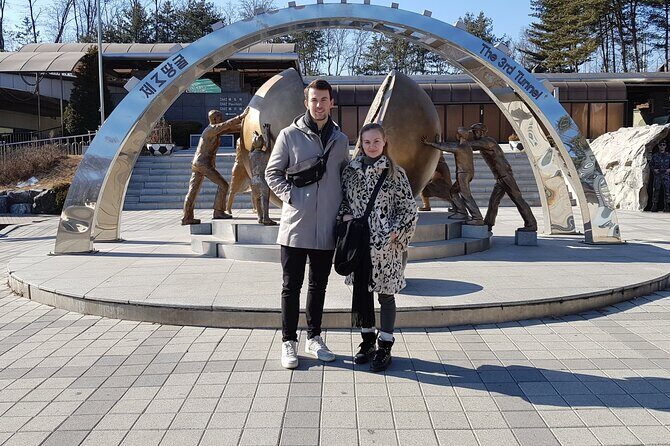
- Third Tunnel of Aggression: The Stop That Turns History Physical
- Dora Observatory: Binocular Views and the Names You’ll Remember
- Optional Stop: Gamaksan Red Suspension Bridge (Towerless and Swaying)
- Optional Stop: Majang Lake Suspension Bridge for Big Views
- Optional Stop: Tongilchon-gil and the JSA Museum Option
- How the Price Works: Value for the Included Admissions
- What the Best Guides Seem to Do (And Why You Should Care)
- The Practical Stuff You Must Know Before You Go
- Who This DMZ Tour Is Best For
- Should You Book This DMZ Tour from Seoul?
- FAQ
- What’s the total duration of the DMZ tour?
- Is pickup from central Seoul included?
- How much does the tour cost?
- Do I need to bring a passport?
- Are there museum tickets included?
- Is lunch included in the price?
- What optional stops are available?
- If I choose only the DMZ option, what happens to the optional stops?
- Can the tour time change?
- What’s the cancellation policy?
Key Highlights You’ll Actually Feel
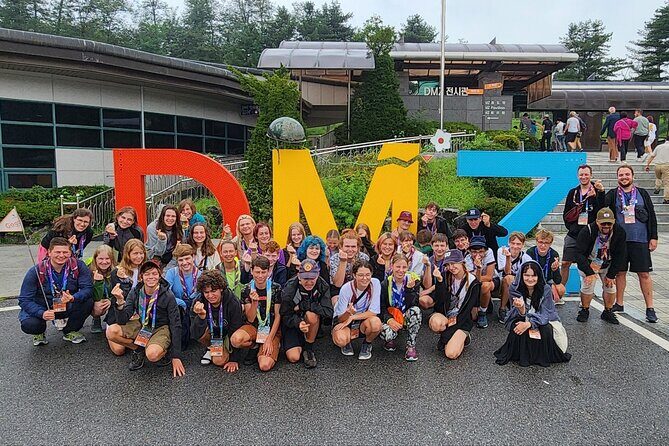
- Museum entry included for the DMZ Theater and Exhibition Hall stops, plus the major DMZ sites on the route
- Imjingak Pyeonghwa-Nuri Park sets the emotional tone with the Iron Horse railway symbol
- Bridge of Freedom connects you to the real scale of the 1953 prisoner exchanges (12,773 POWs)
- Third Tunnel of Aggression gives you a rare, hands-on look at infiltration planning, with a real physical element
- Dora Observatory binoculars help you spot propaganda-related targets and distant Kaesong views
- Optional red suspension bridge and Majang Lake suspension bridge add a fun, non-museum break if you choose them
DMZ Tour from Seoul in One Day: The Real Rhythm
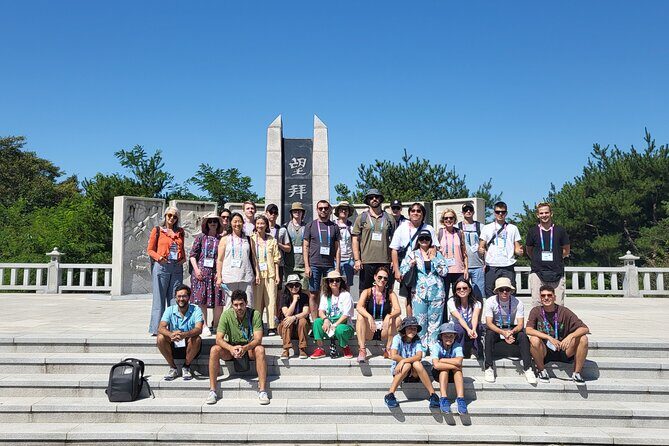
This is marketed as a short-format DMZ experience, but it feels like a full morning-and-afternoon commitment. Expect about 7 hours 30 minutes total, with multiple guided stops and a return to Seoul that still leaves room for your evening plans.
The big advantage is how the day is built: you’re not just dropped at one photo spot. You move from memorial space, to war-history exhibits, to the “ground truth” of the border area, and then up to the observation deck where you’re looking across toward North Korea.
You can also read our reviews of more tours and experiences in Seoul.
Pickup, Group Size, and How Not to Get Stressed
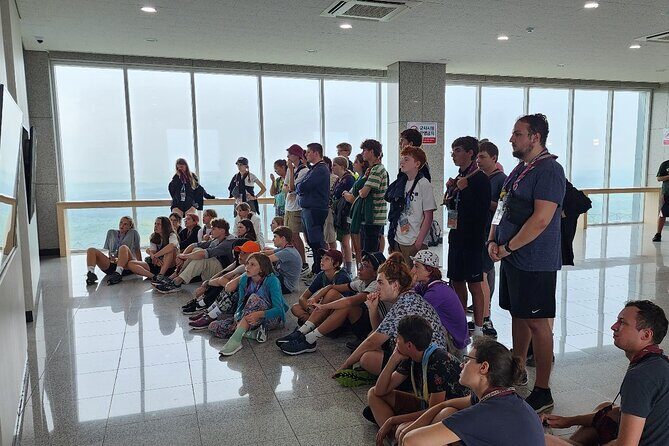
You’ll get hotel pickup in the downtown area or at a main subway station near your hotel. The tour uses a mobile ticket, and the group is capped at 200 travelers, which should help keep things from turning into total chaos.
Tour timing can change because DMZ access depends on military conditions. That matters because you might be tempted to schedule tight dinner plans right after. I’d keep your evening flexible, especially if you’re on a very packed Seoul itinerary.
Imjingak Pyeonghwa-Nuri Park: Where the Day Starts with a Human Note
Most DMZ tours begin with history facts. This one starts with context that hits first in your gut.
At Imjingak Pyeonghwa-Nuri Park, you’ll visit a memorial built to console Korean War refugees. The site is designed to make you slow down. You’re looking at a place that represents separation and longing, before you move into the hard border details.
A standout detail here is the Iron Horse train, a symbol of the severed railway between North and South Korea. It’s the kind of object that stops being “just a prop” once your guide frames what it represents.
This stop is about 30 minutes and the admission is free, so you’re not rushed through something important.
DMZ Theater and Exhibition Hall: Getting the South Korean Perspective
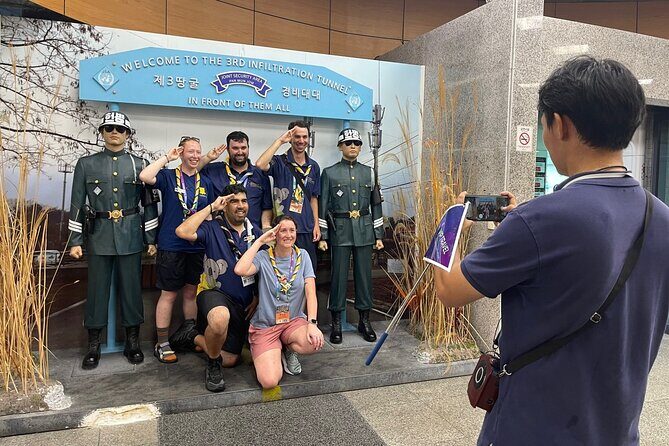
After Imjingak, you head to the DMZ area for the DMZ Theater and the DMZ Exhibition Hall. This is where you get the war story framed from a South Korean point of view, not as a generic classroom slideshow.
You’ll spend about 1 hour here, and museum admission is included. For me, this part is valuable because it helps you understand what you’re seeing later—especially when the day shifts from exhibits to very specific locations tied to infiltration and observation.
If you’re the type who needs “why this place matters” before you take photos, this stop is your answer.
Bridge of Freedom: A Short Walk with Big Numbers Behind It
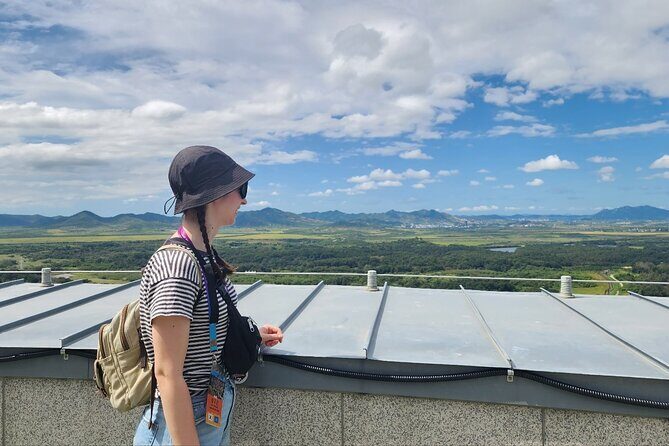
Next up is the Bridge of Freedom. This is one of those places where your camera will want to work, but your brain will lag.
This bridge was used in 1953 when prisoners of war crossed the Imjin River to return home. The scale is part of what makes it hit: 12,773 POWs used the crossing, and your guide should help you hold onto that number as you walk.
You’ll have about 20 minutes at the bridge, with admission free. Since the time is short, I’d use that window to watch the river and the surroundings, not just snap one quick picture and move on.




Third Tunnel of Aggression: The Stop That Turns History Physical
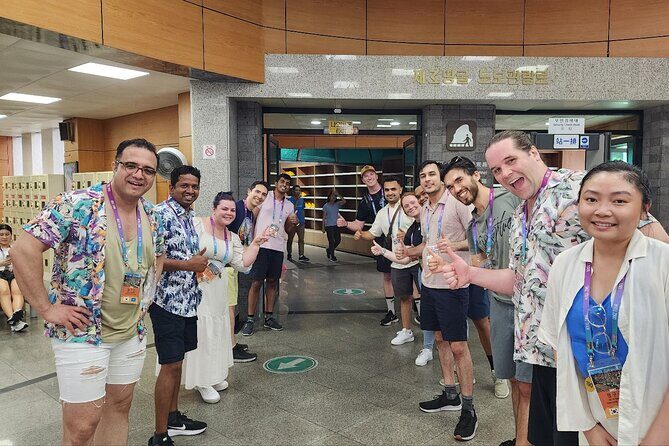
The Third Infiltration Tunnel (often talked about as the Third Tunnel of Aggression) is one of the tour’s headline moments. It’s also the part that can feel the most demanding.
It was discovered in 1978 and the tunnel’s purpose was tied to invading plans. You’ll be guided through the experience for about 1 hour, with ticket admission included.
Here’s the practical thing: the tunnel can be physically demanding. That matches what many visitors say—especially in cold weather, when walking through a confined space and keeping your footing can feel tougher than expected. If you have mobility issues, it’s worth considering carefully based on your own stamina.
This is also the stop where the guide’s storytelling really matters. Good guides connect the tunnel’s existence to the broader reality of division, so you understand why a hole in the ground became such a powerful symbol.
Dora Observatory: Binocular Views and the Names You’ll Remember
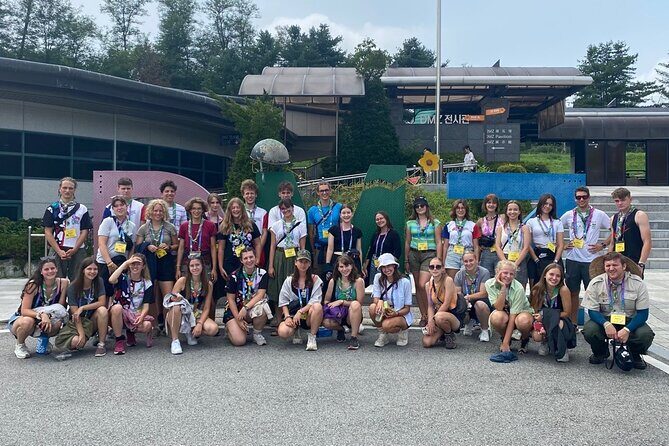
After the tunnel, you move to Dora Observatory, which offers views toward North Korea. You’ll spend about 1 hour here, and admission is included.
The observatory was rebuilt in 2018 for better viewing. What you get at the top matters: there are high-powered binoculars available, and your guide should point you toward what you can try to spot across the border.
Expect to look for the propaganda village (Kijong-dong) and the distant Kaesong City. Even if you can’t clearly make out every detail, the experience of aiming binoculars across the DMZ is a rare, memorable moment—and it helps turn the history you learned earlier into something you can actually see.
Many guides also help you understand what kinds of sights are intended for display and why that matters politically.
Optional Stop: Gamaksan Red Suspension Bridge (Towerless and Swaying)
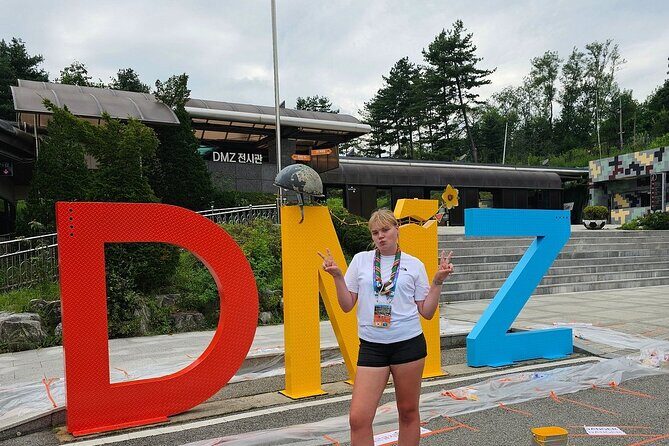
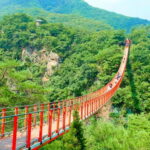
If you select the option, the day can include the Gamaksan Red Suspension Bridge (also listed as a red suspension bridge experience). This is about 1 hour.
It’s described as South Korea’s wobbliest towerless suspension bridge, also known as the Gloucester Heroes Bridge. If you want a break from war-history gravity, this is a good reset. It’s also a good choice for people who prefer motion and views over more museum time.
The trade-off is simple: it adds time and another physical element to a day that already includes a tunnel.
Optional Stop: Majang Lake Suspension Bridge for Big Views
Another optional add-on is the Majang Lake Suspension Bridge, spanning 220 meters across the Majang Reservoir in Paju. This stop is also about 1 hour if selected.
This is the kind of outing that turns the DMZ tour day into something more like a full outing, not only a history marathon. It’s crowd-pleasing, mainly because you can enjoy the walk and the reservoir view without needing to read exhibits.
If your goal is maximum history density, you can skip these bridge stops and keep the day more focused.
Optional Stop: Tongilchon-gil and the JSA Museum Option
The itinerary lists an optional stop at Tongilchon-gil, tied to a JSA Museum experience. If you select it, plan for about 30 minutes, and admission is shown as free.
This option can be a nice complement to Dora and the tunnel, especially if you want more of the story around Panmunjom and inter-Korean relations as part of the broader DMZ narrative.
If you’re a “museum person,” this is a solid add-on. If you’re exhausted by exhibits, you might prefer the more open-air segments.
How the Price Works: Value for the Included Admissions
The price is $29.75 per person with a guided day lasting about 7.5 hours. The value comes less from the ticket cost itself and more from what’s included: professional guide, round-trip transportation, and complimentary admission to all museums on the route.
That included admission detail matters because DMZ-related sites typically add up. Here, you’re paying for the experience as a package, so you’re not constantly budgeting for each stop.
The big thing not included is lunch, and there’s also no hotel drop-off included. That doesn’t make the tour bad—it just means you should plan your meal timing and your return logistics.
What the Best Guides Seem to Do (And Why You Should Care)
The most praised aspect across guides is how they explain things at a pace that keeps you with them the whole day. Names that come up often include Ray, Emily, Lina, Alex, Crystal, Kelly, Jenny, Diane, Gabby, Hana, and GoGo.
While you can’t choose your guide here, this tour’s reputation suggests the guide role is taken seriously: answering questions clearly, offering context at the right level, and sharing personal or emotional framing that helps you understand why the DMZ is not just a landmark—it’s a living result of a war that never fully ended.
That’s why I’d prioritize choosing the day tour over trying to DIY it. You’re going to get the most out of Dora and the tunnel when you understand what to look for and why it’s staged the way it is.
The Practical Stuff You Must Know Before You Go
A few items can trip you up if you wait until the last minute:
- You need a passport on the tour day. A Military ID Card or an ARC Card can be used instead.
- Tour time can change due to military issues in the DMZ.
- The tour offers English or Chinese professional guiding, depending on your guide assignment.
- Most travelers can participate, but the Third Tunnel can be physically demanding.
- Optional add-ons (like the red suspension bridge, Majang Lake bridge, JSA museum, and strawberry picking if selected during checkout) only happen if you chose them.
Who This DMZ Tour Is Best For
This is best for you if you want a single guided day that covers the major DMZ components without hunting for tickets or trying to stitch together separate transport.
It’s also great for you if:
- you like a structured day with short but meaningful stops
- you want the story explained, not just landmarks shown
- you’re okay with a long day and some walking
It might not be the best fit if:
- you have limited mobility and the tunnel sounds like it would be too hard
- you hate schedule uncertainty and can’t tolerate possible access changes due to military conditions
- you prefer full freedom over group timing
Should You Book This DMZ Tour from Seoul?
If you want the classic DMZ “greatest hits” (Imjingak, Bridge of Freedom, Third Tunnel, Dora Observatory) with museum admissions included, this is a strong choice. The price is hard to ignore, especially because it covers transport, guide, and the key entry costs.
I’d book it if you’re ready to treat the Third Tunnel as the physical checkpoint of the day, and you can keep your evening flexible. If you’re on the fence about bridge add-ons, choose based on energy: the history is non-negotiable; the suspension bridges are optional.
In plain terms: this tour is for people who want meaning as well as photos—and who appreciate a guide that helps you see the border as more than a viewpoint.
FAQ
What’s the total duration of the DMZ tour?
The tour runs for approximately 7 hours and 30 minutes.
Is pickup from central Seoul included?
Yes. Hotel pickup is offered from the main subway station near your hotel or from downtown area locations.
How much does the tour cost?
The price listed is $29.75 per person.
Do I need to bring a passport?
Yes, a passport is needed on the tour day. A Military ID Card or an ARC Card can be used instead.
Are there museum tickets included?
Yes. Complimentary admission to all museums is included.
Is lunch included in the price?
No. Lunch is not included.
What optional stops are available?
Optional add-ons can include the Gamaksan Red Suspension Bridge, the Majang Lake Bridge, the JSA Museum at Tongilchon-gil, and strawberry picking if selected during checkout.
If I choose only the DMZ option, what happens to the optional stops?
The DMZ-only option does not include optional stops such as the Gamaksan Red Suspension Bridge, Majang Lake Bridge, the JSA Museum, or strawberry picking.
Can the tour time change?
Yes. The tour time can change due to military issues in the DMZ.
What’s the cancellation policy?
Free cancellation is available up to 24 hours in advance for a full refund. If you cancel less than 24 hours before the start time, the amount paid will not be refunded.