REVIEW · SEOUL
Korean Cooking Class with Grocery Shopping at Seoul Local Market
Book on Viator →Operated by Seoul Foodventure · Bookable on Viator
A market and a stove, in three hours. This Korean cooking class pairs Mangwon Market grocery shopping with hands-on cooking of everyday Korean comfort food. Hosted by Sunghyun (who goes by Phoebe), it’s built around local routines, not tourist checklists.
I especially love how small the group is, which makes it easier to ask questions while you’re shopping and cooking. I also like the practical result: you leave with the know-how to recreate the dishes back home, not just a photo of your finished meal. The main catch is simple—arrive on time, since being more than 10 minutes late can mean missing part of the market tour.
In This Review
- Key Highlights You Should Know
- Mangwon Market Grocery Shopping With Phoebe’s Local Lens
- Picking Ingredients for Bulgogi, Gyeran-jjim, and Kimbap
- Bulgogi: Marinated Beef You Can Replicate
- Gyeran-jjim: Steamed Egg With Comfort-Food Control
- Kimbap: Rolling Skills and a Picnic Bonus
- Inside the Studio Kitchen Near Mangwon Station
- Timing That Keeps the Market From Getting Skipped
- How Much You Pay, and What Makes It Feel Like Value
- Who This Korean Cooking Class Suits Best
- Practical Tips Before You Go (So It Goes Smoothly)
- Quick Notes on Getting There and Group Size
- Should You Book This Korean Cooking Class at Mangwon Market?
- FAQ
- How long is the Korean cooking class?
- Where does the experience meet?
- What time does the class start?
- What dishes will I cook?
- How many people are in a group?
- Is the cooking class beginner-friendly?
- Are dietary restrictions accommodated?
- Is there a picnic idea included with the class?
- Can I bring a service animal?
- What is the cancellation policy?
Key Highlights You Should Know
- Mangwon Market shopping with a local routine gives you a real sense of what people actually buy
- Three classic dishes in one session: bulgogi, gyeran-jjim, and kimbap
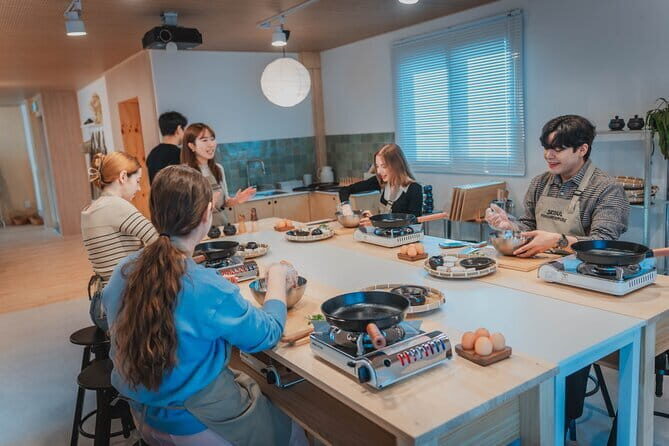
- A cozy studio kitchen near Mangwon station keeps the cooking comfortable and guided
- Beginner-friendly teaching so you’re not stuck watching while others cook
- A fun Han River finish if you take leftover kimbap for a casual picnic
Mangwon Market Grocery Shopping With Phoebe’s Local Lens
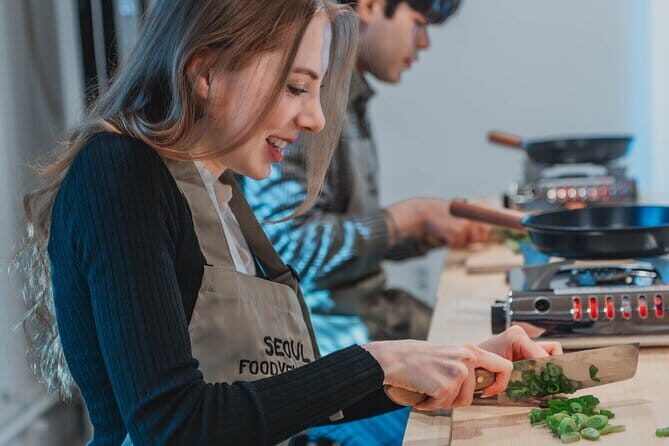
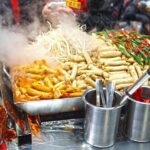
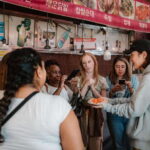
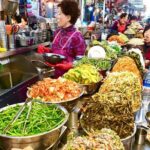
The day starts with a market mission in Mangwon Market, a local Seoul market with more than 40 years of presence. What makes this feel different is the framing: you’re shopping like a neighbor, not like someone trying to collect souvenirs. You’ll move through stalls and shops with a purpose, picking ingredients you’ll later cook.
Phoebe, a Gen Z Korean homemaker, guides you through the kinds of stores she uses as her go-to routine. That matters because market shopping isn’t just about finding ingredients—it’s about learning what to trust and how to choose. Even if you’ve cooked Korean food before, you’ll likely pick up little shopping instincts that make a big difference at home.
And yes, this is a market that feels active without swallowing you whole. It’s busy enough that you have options, but not so chaotic that you lose your place or your plan.
You can also read our reviews of more shopping tours in Seoul
Picking Ingredients for Bulgogi, Gyeran-jjim, and Kimbap
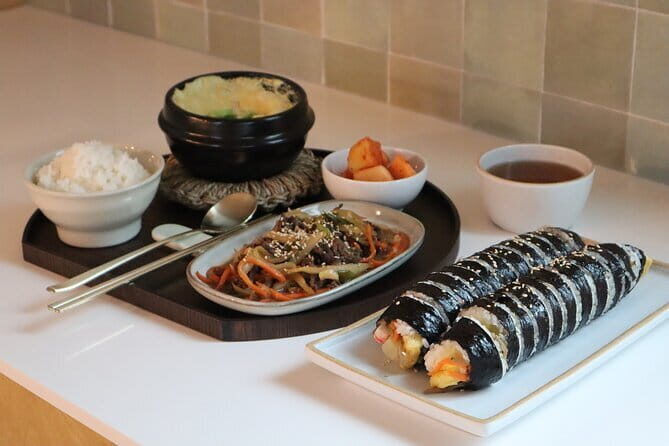
This class focuses on three iconic dishes that are common in Korean home meals. The payoff is that you’re not learning one complicated specialty. You’re learning three “you’ll actually make this again” staples.
Bulgogi: Marinated Beef You Can Replicate
Bulgogi is the dish most people recognize, but the learning point here is process. You’ll shop and prep the ingredients, then cook in a way that connects flavors to technique. After you go through it step-by-step, bulgogi stops feeling mysterious and starts feeling manageable.
What I like about bulgogi as a class dish is that it teaches balance. You’re working with marination and timing, and those are the pieces that turn good-intention cooking into consistently tasty results.
Gyeran-jjim: Steamed Egg With Comfort-Food Control
Gyeran-jjim (steamed egg) is one of those dishes that sounds simple until you make it. It teaches you how Korean cooking often aims for texture and gentleness, not just heat. When someone can show you what to look for as you cook, it’s much easier to get that silky result again later.
This is also a great dish if you want something that feels lighter than meat-heavy meals, but still tastes like home food.
Kimbap: Rolling Skills and a Picnic Bonus
Kimbap is the final anchor of the session. You’ll make it so you can understand how ingredients fit together, not just how to assemble them once. The class also gives you a very practical suggestion: if you have leftover kimbap, take it to the nearby Han River and enjoy it as a sunny picnic.
That idea is more than a cute add-on. It helps you plan your day like locals do—eat, relax, and turn the meal into an actual outing.
You can also read our reviews of more tours and experiences in Seoul


Inside the Studio Kitchen Near Mangwon Station
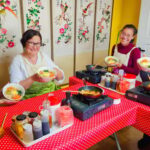
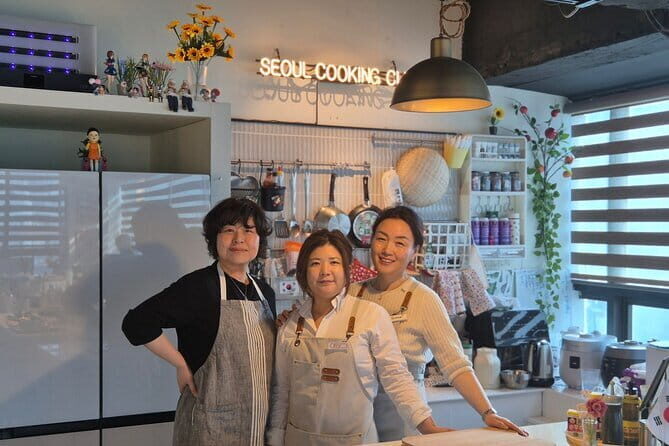
After shopping, you head to the cooking space, and this is where the class really clicks. The studio is described as cozy and pleasant, and it’s in a convenient area near Mangwon station, which makes the whole experience feel easier than you’d expect for a market-focused activity.
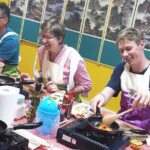
Because the group is capped at 8 travelers, the kitchen setup works. You aren’t fighting for attention or standing in the way. It also means the host can be patient and careful with each person’s steps—especially helpful if you’re a true beginner.
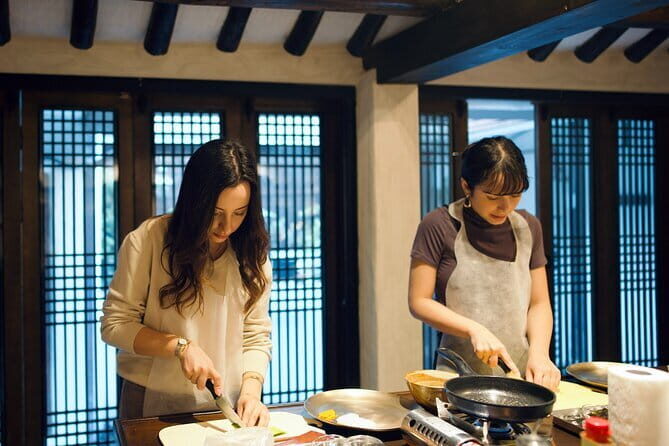
I also like that the teaching is interactive. You’re not just listening to tips while the real cooking happens off to the side. The focus is on prepping and cooking together, which turns the whole class into a shared, hands-on meal.
Timing That Keeps the Market From Getting Skipped
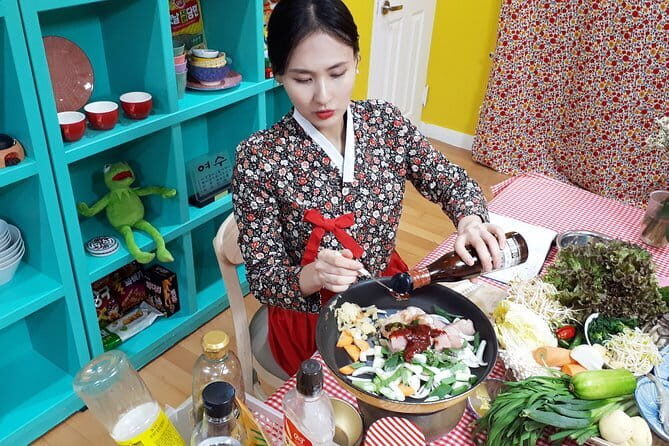
This experience starts at 10:30 am and lasts about 3 hours. For market-based tours, timing is everything because the group moves as a unit. The class specifically asks you to arrive on time, and notes that if you’re more than 10 minutes late, you might miss the market tour.
So here’s the practical advice: plan to be there early enough to settle in calmly. If you arrive right at the start time, you’re gambling with a clock-driven schedule.
The good news is that the short duration works in your favor. You get the market experience, then the cooking, then enough time to go do something else afterward—like a Han River break.
How Much You Pay, and What Makes It Feel Like Value
The price is $91.91 per person for roughly three hours, including market shopping and cooking instruction. That can sound like a lot if you’re comparing it to a quick restaurant meal, but it’s a different category.
You’re paying for two things at once:
- ingredient guidance through a local market experience
- hands-on instruction to cook three dishes
In many city cooking classes, you might only get the cooking part. Here, the market shopping is folded into the lesson plan, which makes it easier to understand where flavor comes from. You also get a small-group experience rather than a big crowd format.
If your goal is to learn Korean food in a way you can repeat at home, this price starts making more sense than a one-dish demo.
Who This Korean Cooking Class Suits Best
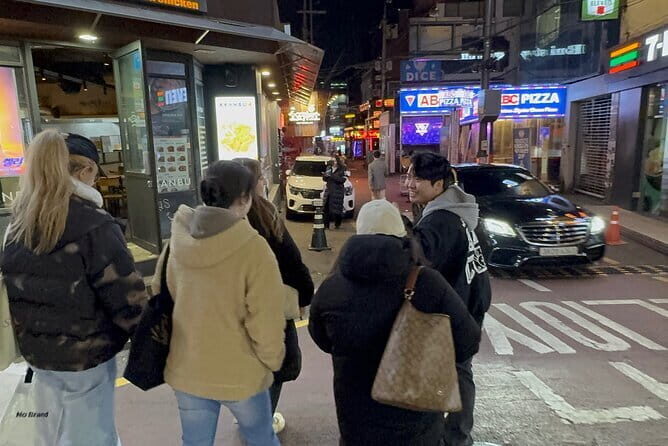
This class fits best if you want a day that feels like normal Seoul life. You’re shopping at a market where locals go, cooking what locals cook, and leaving with skills that are tied to everyday meals.
It’s also a good match if you:
- are a beginner who wants structured help
- enjoy chatting about food and culture while you work
- prefer small-group experiences over crowded tourist stops
- like the idea of a casual Han River picnic afterward
It may be less ideal if you hate market walking. Since the first part is ingredient shopping, you’ll need to be comfortable browsing and choosing as part of the process.
Practical Tips Before You Go (So It Goes Smoothly)
A few things can make your session feel effortless instead of rushed.
- Tell the host about dietary restrictions in advance. The class welcomes restrictions, but the key is giving notice early.
- Keep your schedule tight. This is a time-sensitive market + cooking flow, and the experience warns about being late.
- Bring a flexible mindset. Market shopping is part lesson, part culture lesson, so expect to learn while you move.
Also, the class uses a mobile ticket, so make sure you can access it without scrambling on the day.
Quick Notes on Getting There and Group Size
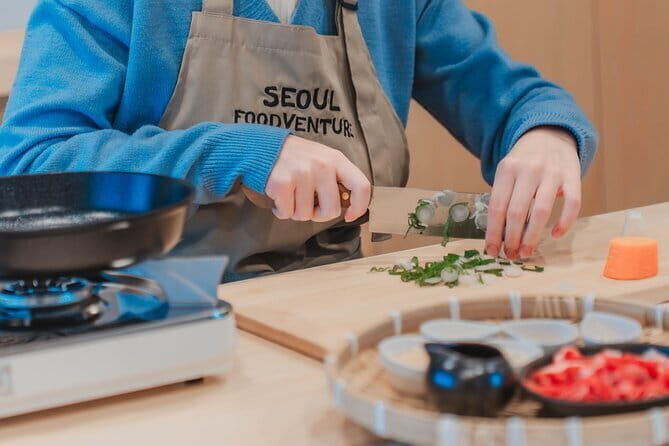
The meeting point is at Seoul Foodventure, in Mapo-gu, Mangwon-dong: 377-4, 4th floor. It’s described as near public transportation, and the studio kitchen is also close to Mangwon station, which keeps the whole day from turning into transit stress.
With a maximum of 8 travelers, the experience stays more personal. You can actually interact, not just observe.
Should You Book This Korean Cooking Class at Mangwon Market?
I’d book it if you want a Seoul food experience with real structure: shopping in a local market, cooking three everyday dishes, and getting enough guidance to recreate it later. The small group size, cozy studio setup, and focus on practical cooking skills are the strongest reasons to choose this.
Skip it only if you’re mainly chasing a showy, big-attraction itinerary. This is a “learn and eat” kind of activity. If you like hands-on days and you’re happy to spend a little time choosing ingredients, you’ll get a lot more out of it than a quick photo stop.
In short: if your idea of fun in Seoul is markets + cooking + a relaxed meal afterward, this hits the sweet spot.
FAQ
How long is the Korean cooking class?
The class runs for about 3 hours.
Where does the experience meet?
You’ll meet at Seoul Foodventure, 377-4, 4th floor, Mapo-gu, Mangwon-dong, Seoul, South Korea. The activity ends back at the meeting point.
What time does the class start?
The start time is 10:30 am.
What dishes will I cook?
You’ll prepare three dishes: bulgogi, gyeran-jjim, and kimbap.
How many people are in a group?
The experience has a maximum of 8 travelers.
Is the cooking class beginner-friendly?
Yes. The experience welcomes everyone, from seasoned cooks to complete beginners.
Are dietary restrictions accommodated?
Yes, but you should let the provider know in advance if you have any dietary restrictions.
Is there a picnic idea included with the class?
The experience recommends taking leftover kimbap to the nearby Han River for a relaxed picnic.
Can I bring a service animal?
Yes, service animals are allowed.
What is the cancellation policy?
You can cancel for a full refund up to 24 hours before the experience’s start time. If you cancel less than 24 hours before, the amount you paid won’t be refunded.