REVIEW · SEOUL
Korean Kimchi Making Day Experience with a Local Market Tour
Book on Viator →Operated by cookorean · Bookable on Viator
One sentence can teach you a whole fridge full of flavor. This Seoul experience pairs a guided walk through Mangwon Market with a hands-on class led by chef Jomin, where you learn to make multiple styles of kimchi with fresh ingredients. I especially like that the format stays small and practical, so you’re not just watching from the sidelines.
What I love most is the mix: you get real market context first, then you cook. The lesson is hands-on (you’ll actually make the kimchi), and you come home with what you prepared. One possible drawback: you will likely bring home a lot, so plan luggage space and pack smart.
In This Review
- Key things that make this Seoul kimchi class worth it
- Why Mangwon Market makes the whole kimchi lesson click
- Finding your start point: Mangwon Station Entrance 2
- Inside the studio: four kimchi styles, not a demo
- The meal afterward: kimchi with pork and tofu
- Taking your kimchi home: plan for fridge space and packing
- Price and value: is $89 a fair deal?
- Foodie-level satisfaction, beginner-friendly execution
- Rescheduling and the minimum-guest reality
- Should you book this Seoul kimchi making day?
- FAQ
- Where do I meet the guide?
- How long is the kimchi making experience?
- Is this a small class?
- What will I learn to make?
- Do I get to taste anything during the market walk?
- Is there a meal included?
- Can vegetarians or vegans join?
- Do I take kimchi home?
- What ticket format do I receive?
- Can I get a full refund if I cancel?
Key things that make this Seoul kimchi class worth it
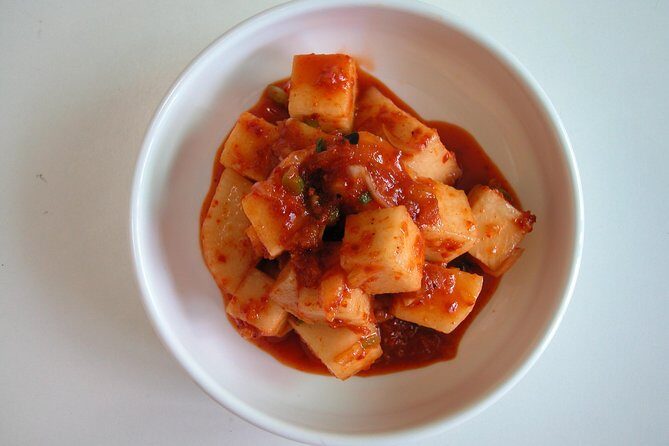
- Mangwon Market stop first: you learn what to buy and how ingredients are chosen before you ever start chopping
- Chef Jomin in a small group: maximum four people means more direct help when you hit a tricky step
- Four types of kimchi: you’ll work with classic vegetables like Korean cabbage, radish, and cucumber
- You taste and you snack: the market walk includes street-food tasting so you understand the flavor world you’re cooking
- Take-home container included: you leave with the kimchi you made, plus enough to plan a few meals later
Why Mangwon Market makes the whole kimchi lesson click
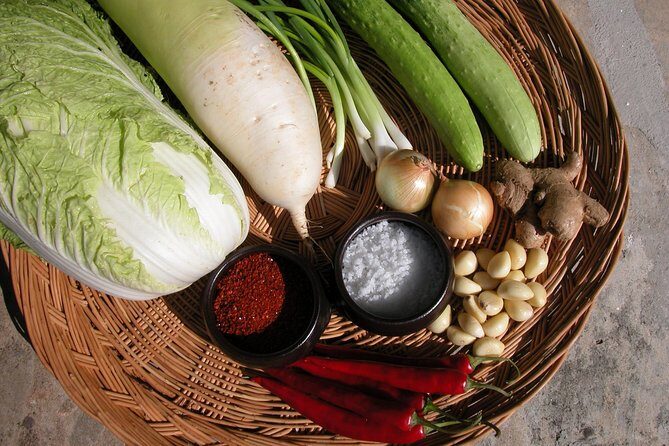
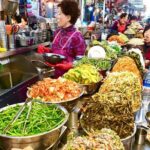
The best thing about this class is that it starts with ingredients, not theory. You meet Jomin at Mangwon Metro Station (Line 6), Entrance 2, then walk toward the cooking studio through Mangwon Market. This is where you get the food-cultural part of the day that most cooking classes skip.
In the market, Jomin points out the vegetables and key products you’ll use in your recipes, and you also get street-food tastings along the way. That sounds small, but it matters. Kimchi is not just one flavor. It changes based on the produce, the seasonings, the texture you aim for, and the way the mix is balanced. Seeing and tasting things in the market makes the later cooking steps feel less like a recipe you memorized and more like a skill you can repeat.
I also like that the market component keeps you grounded in real Korea, not a staged shopping stop. Mangwon Market has the feel of a neighborhood place where people shop and snack, and that gives your kimchi-making more credibility. Even if you’ve made kimchi before, this kind of ingredient-first approach helps you tighten up your method.
You can also read our reviews of more shopping tours in Seoul
Finding your start point: Mangwon Station Entrance 2
Logistics are simple, but you should still pay attention. The meeting spot is Mangwon Station, Line 6, Entrance 2. The tour ends back at the meeting point, so you’re not wandering across town alone afterward.
A few practical notes that help the morning go smoothly:
- The tour uses a mobile ticket, so have your confirmation ready on your phone.
- It runs with near public transportation, which is a big deal in Seoul where long transfers can eat your day.
- If you’re arriving by metro, give yourself a little buffer. Korean station signage is good, but “Entrance 2” is one of those details you don’t want to guess on.
This is a short, focused 3 hours 30 minutes total. That means every minute counts. Getting to the right entrance helps you start relaxed, which makes the market walk more enjoyable.
Inside the studio: four kimchi styles, not a demo
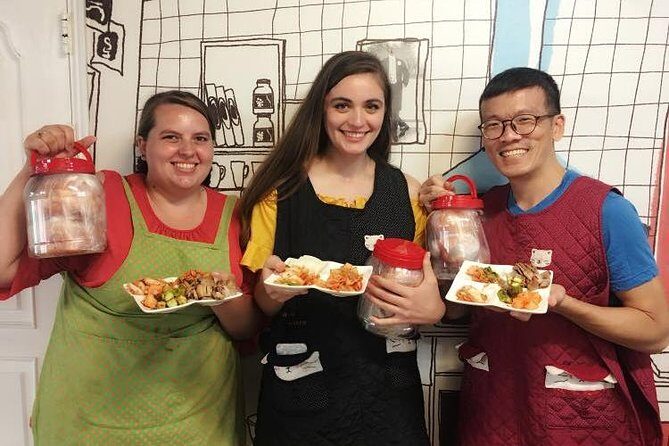
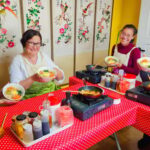
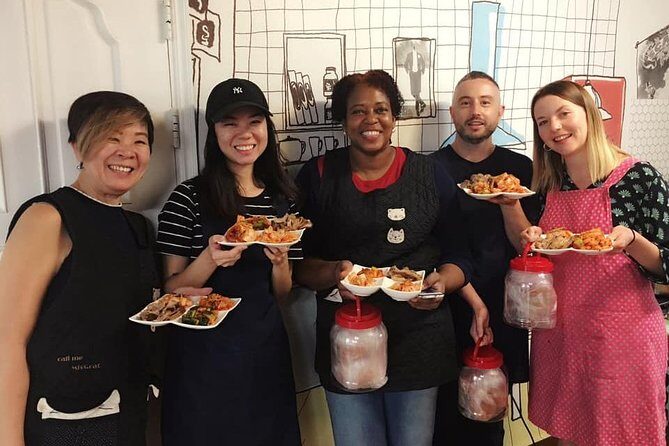
The cooking portion happens in a studio setting where you can work, taste, and get corrected. The class is designed as a hands-on workshop, and the group size is intentionally small—up to four people. That’s one of the reasons the instruction feels confidence-building. When you’re making something as textured as kimchi, small issues (like how evenly seasoning gets distributed or how you treat the vegetables) matter.
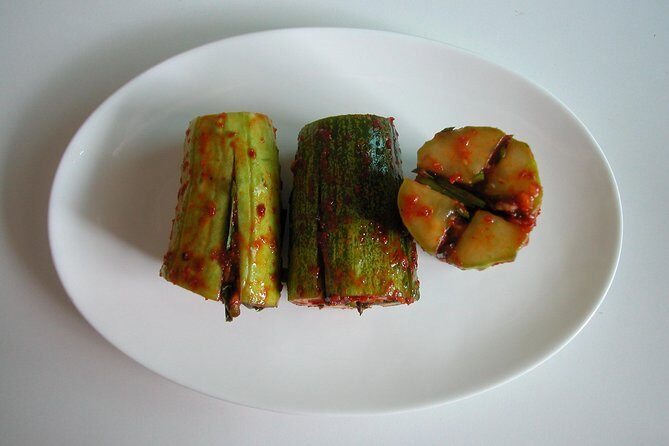
Chef Jomin guides you through making four authentic types of kimchi using fresh ingredients such as Korean cabbage, radish, and cucumber. Even if you’re a first-timer, the structure is meant to keep you moving step by step instead of dumping a giant list of tasks in your lap.
Here’s what you should pay attention to while you cook:
- Vegetable prep is half the battle. The class emphasizes using fresh produce and handling it in a way that fits the kimchi type.
- Seasoning mixing matters. You’ll learn how the paste is built and how it coats the vegetables so you get that signature bite, not just “spicy cabbage.”
- You’ll practice a repeatable approach. By making multiple varieties back to back, you’ll start to understand the logic behind each kimchi variation rather than copying one single recipe.
The tone is also part of the value. The class is set up for real teaching, not performance. Jomin’s role is to coach you through what you’re doing, and you’ll get the kind of attention where questions don’t feel like a disruption.
And yes, it’s possible to leave feeling like you can actually make kimchi at home without guessing. That’s usually the difference between a cooking show and a cooking class.
The meal afterward: kimchi with pork and tofu
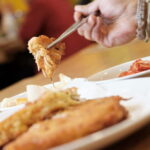
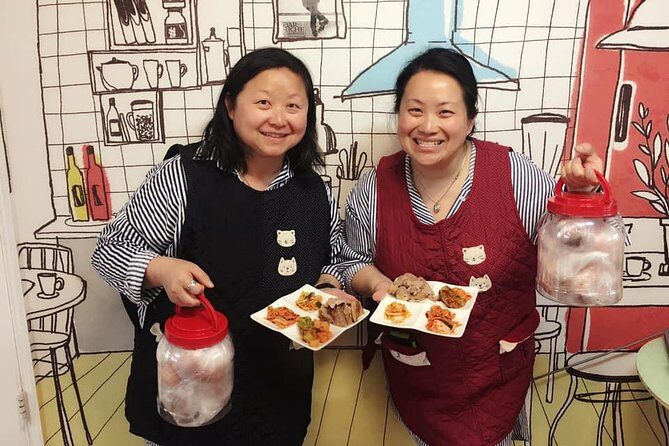
After the cooking work, you sit down and eat. This isn’t just a snack. You’ll enjoy the kimchi you made, served with boiled pork and fried tofu, in the style of a family meal in Korea.
This part is more useful than it seems. Food you make yourself tastes different than food you buy. The meal helps you compare what you just did with what “finished kimchi” should feel like. Is it too sharp? Is it too mild? Too salty? Too spicy? That immediate feedback helps you build a personal taste compass for when you recreate it later.
Also, eating it right away reduces waste and confusion. Instead of wondering whether your batch is “supposed to taste like that,” you get a real sit-down moment that makes the learning stick.
Taking your kimchi home: plan for fridge space and packing
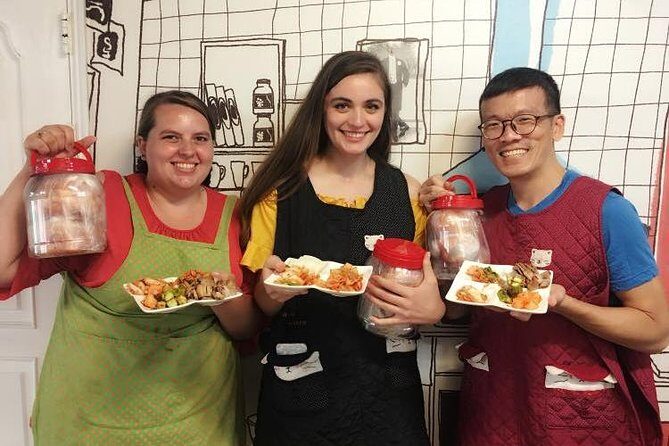
The best souvenir here isn’t a photo spot. It’s your own take-home kimchi. After class, you receive a container with what you made, and you’ll likely end up leaving with enough to stretch across several meals.
That’s the payoff, and it’s also where you need to think ahead. Some key practical considerations:
- Leave room in your luggage. You’ll want space for the container and any extra items you pick up in the market.
- Pack carefully. You’ll be transporting a food product, so treat it like something that deserves protection from bumps.
- If you’re flying, plan where it goes in your bag. One of the smartest moves is to pack it so you can keep it intact through your journey.
I love this element because it turns the class into a longer-lasting experience. You don’t just “visit” kimchi. You bring it home and keep learning from it every time you eat it.
You can also read our reviews of more tours and experiences in Seoul


Price and value: is $89 a fair deal?
At $89 per person, this isn’t a budget activity, but it also isn’t priced like a luxury food tour. It lands in the sweet spot for a short, high-impact workshop in Seoul.
Here’s what you’re paying for in real terms:
- Market time guided by chef Jomin, including explanation of ingredients and street-food tastings
- Hands-on coaching while you make four types of kimchi
- A sit-down meal with kimchi plus boiled pork and fried tofu
- A recipe/guide component from the class (many participants leave with a booklet or recipe notes)
- Most importantly, the kimchi you take home in a container you can actually use later
When cooking classes stay small and include food plus ingredients, the price starts to make sense fast. And because this class is designed for beginners as well as people who want to level up, you get value even if kimchi is new territory for you.
One more practical value point: because you’re walking through Mangwon Market first, you get ingredient knowledge that helps you buy correctly later. That reduces the chance you’ll waste money or end up with the wrong vegetables at home.
Foodie-level satisfaction, beginner-friendly execution
This is the kind of class I recommend when you want something real, not just a cooking performance. If you’ve never made kimchi, you’ll still have a clear path. If you have made it before, you’ll benefit from the ingredient guidance and the way you’ll see multiple kimchi styles taught side by side.
Who this fits best:
- Couples and friends who want a shared activity that ends with a tangible meal
- Food lovers who want to learn how to shop, not just how to cook
- People who like hands-on instruction and don’t want to spend the day watching
- Anyone staying a few days in Seoul and looking for something that’s uniquely Korean
Also, this isn’t only for people who eat spicy things. Kimchi is about balance—salt, sour, sweetness, heat—and the class structure is meant to help you understand the method.
If you prefer a super-structured schedule where everything is timed and explained, you’ll likely feel comfortable. The group size keeps the pace from turning chaotic.
Rescheduling and the minimum-guest reality
This experience can be rescheduled or canceled if it doesn’t meet the minimum number of guests needed for it to run (minimum is listed as 4). In practice, that means you should book with enough flexibility in your Seoul schedule.
A good strategy: if kimchi is a top priority, plan it early in your trip window so you have time to adjust if the date changes.
Should you book this Seoul kimchi making day?
If you want a cooking class that actually teaches you how kimchi works—ingredients first, then hands-on—this is a strong choice. The biggest reasons I’d book it are the small group instruction with chef Jomin, the fact that you make four kimchi types, and the take-home payoff that turns the class into multiple meals later.
Book it if:
- Mangwon Market sounds like your kind of Seoul
- you want confidence in Korean cooking, not just a fun souvenir
- you’re okay planning your luggage around a container of kimchi
Skip it if:
- you’re traveling super light and can’t spare packing space
- you’re allergic to or avoid key ingredients and can’t use the stated vegetarian/vegan option route
FAQ
Where do I meet the guide?
You meet at Mangwon Metro Station (Line 6), Entrance 2. The activity ends back at the meeting point.
How long is the kimchi making experience?
It’s about 3 hours 30 minutes.
Is this a small class?
Yes. The class is listed as a maximum of four people, with the overall tour capped at a small number.
What will I learn to make?
You’ll learn to make four types of kimchi, using fresh ingredients such as Korean cabbage, radish, and cucumber.
Do I get to taste anything during the market walk?
Yes. On the way to the cooking studio, Jomin highlights ingredients and you can taste lots of street foods.
Is there a meal included?
Yes. After cooking, you’ll sit down to eat the kimchi you made with boiled pork and fried tofu.
Can vegetarians or vegans join?
Yes. Vegetarian and vegan options are available.
Do I take kimchi home?
Yes. You can take any leftovers after the class, and you’ll receive a container for what you make.
What ticket format do I receive?
You’ll use a mobile ticket.
Can I get a full refund if I cancel?
Yes. Free cancellation is available up to 24 hours in advance for a full refund. If you cancel less than 24 hours before the start time, it won’t be refunded.