REVIEW · SEOUL
Royal Seoul Cooking Class in a 100-Year-Old Hanok
Book on Viator →Operated by Royal Seoul Cooking Class · Bookable on Viator
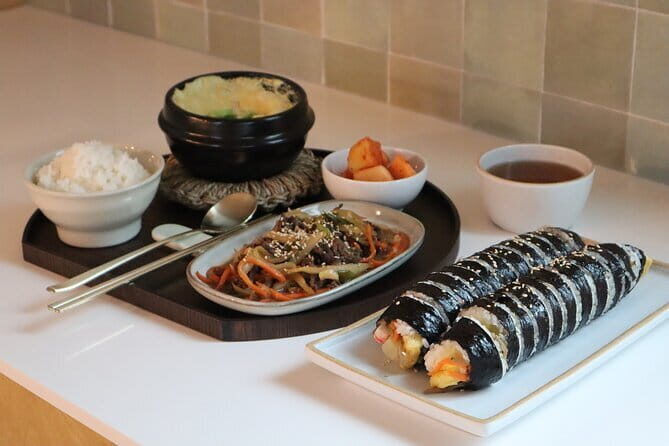
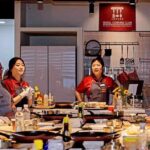
Cook royal dishes in a 100-year-old hanok. I like how Royal Seoul Cooking Class places you inside a carefully preserved home in Seoul, then turns it into a hands-on Korean cooking evening. You’ll make dishes such as LA galbi, fresh kimchi, pajeon, and tapyeongchae, and eat them on traditional bangjja bronzeware while enjoying makgeolli.
I especially love the small group setup (max 6), because it keeps the lesson interactive and easy to follow. Chef Park (often referred to as Ricky) brings the cooking and the stories together in clear, friendly English, and that history context helps the recipes make sense.
One possible consideration: the time is tight (about 2 hours 15 minutes), so this isn’t a slow, all-day food crawl. It’s designed to be a focused cooking-and-eating experience, even though the route connects you with major Seoul landmarks.
In This Review
- Key highlights to know before you go
- A 100-year-old hanok dinner that actually feels like someone’s home
- Chef Park’s teaching style: clear steps, jokes, and dish stories
- The menu: LA galbi, fresh kimchi, pajeon, and tapyeongchae
- LA galbi
- Fresh kimchi
- Pajeon (including seafood-style)
- Tapyeongchae / tangpyeongchae
- Eating on bangjja: how the plate changes the meal
- Seoul route: palaces, market energy, and hanok streets
- Price and value: is $98.98 a fair deal?
- Who this class suits best (and who might want a different option)
- Practical tips so the evening runs smoothly
- Should you book Royal Seoul Cooking Class?
- FAQ
- How long is the Royal Seoul Cooking Class?
- What is the maximum group size?
- Where is the meeting point?
- What dishes will I make during the class?
- What is included with the meal besides the food?
- Is it beginner-friendly if I don’t have cooking experience?
- Is there a mobile ticket?
- Can I cancel for a full refund?
Key highlights to know before you go
- Max 6 people means more hands-on help and less waiting around.
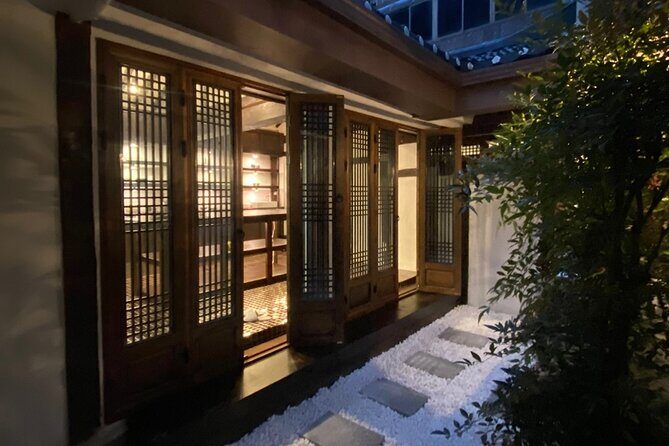
- A 100-year-old hanok setting makes the whole evening feel like a real local home, not a studio.
- Chef Park (Ricky) teaches in friendly, clear English and shares cultural stories with the dishes.
- You cook and then eat immediately, using traditional handmade bangjja plates.
- Makgeolli and desserts are part of the experience, not an extra add-on.
- Recipes and photos get shared after class, so you can recreate the dishes at home.
A 100-year-old hanok dinner that actually feels like someone’s home
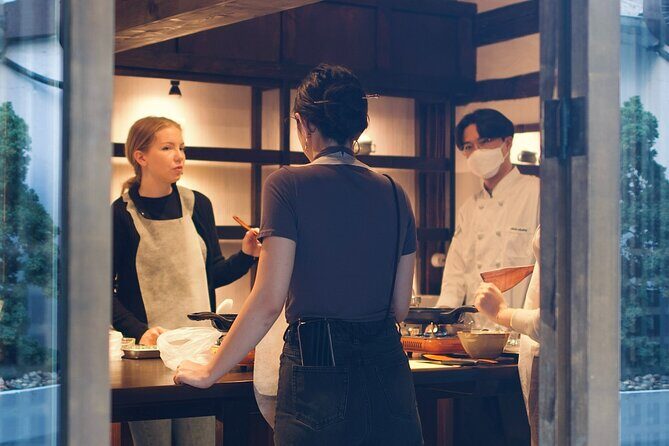
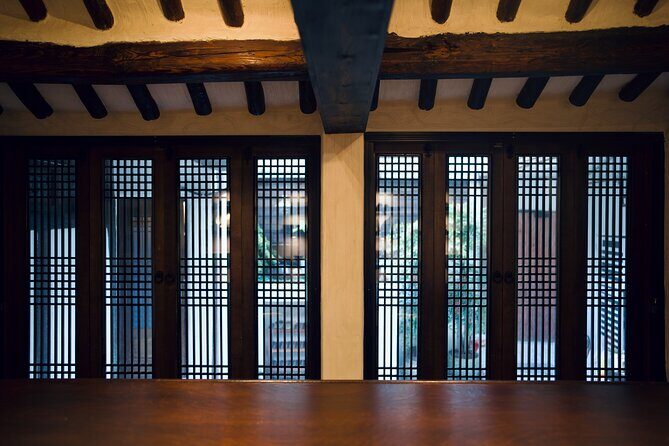
This class starts with a big point in its favor: you’re not learning Korean cooking in a generic kitchen. The meal happens in a 100-year-old hanok that’s been restored and kept comfortable, which changes the tone instantly. Even before you touch ingredients, you’re in a warm, traditional space where the evening feels special without being stiff.
The home also matters for the cooking. A hanok kitchen-and-dining setup helps you understand the flow of Korean meals: cook, share, sit close, and eat while the food is fresh. That’s a real difference from a class where you cook separately, then eat later in a different room.
Another detail I like is that Chef Park has put work into the space himself. One review notes the remodeling he did, and you can feel that attention in how the evening runs smoothly. You’re not just taking photos; you’re living inside the atmosphere that made these meal traditions possible.
You can also read our reviews of more cooking classes in Seoul
Chef Park’s teaching style: clear steps, jokes, and dish stories
Most Seoul cooking classes fall into two buckets: either you get food and technique only, or you get stories that don’t help you cook. This one tries to do both, and it’s the reason so many people rate it 5 stars.
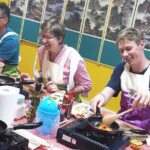
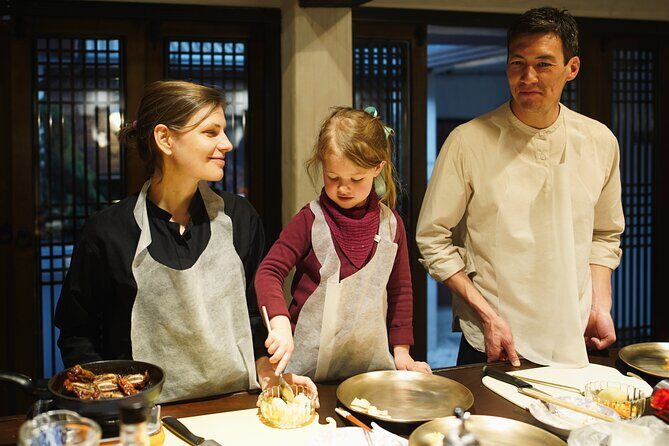
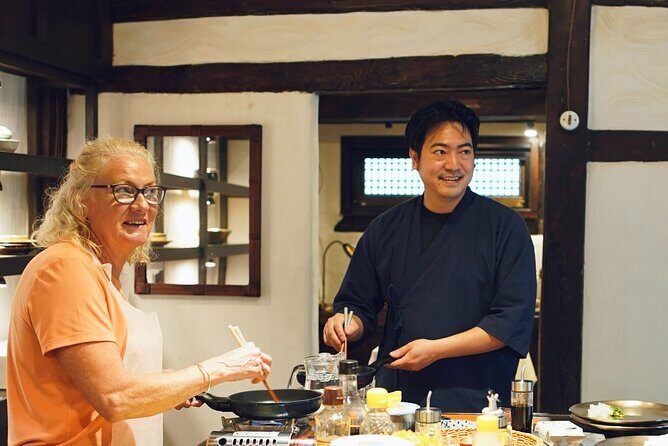
Chef Park (named in reviews as Ricky and Park) is described as both a skilled chef and an engaging host. The common thread is that the instruction is practical and easy to follow, even if you don’t have cooking experience. You’ll get guided prep and step-by-step help, plus explanations of what each dish represents in Korean food culture.
What you’re really buying here is confidence. When you understand why kimchi matters, or how pajeon fits into Korean meal life, you stop cooking as a set of “random steps” and start cooking as a system. That’s what makes the recipes easier to repeat at home.
And because the group is capped at 6, you’re less likely to feel lost when questions come up. You can also adapt more easily if someone needs small support during prep. One review specifically mentions the chef accommodating a stool request for bad legs, which signals that the class can be friendly for different bodies and paces.
The menu: LA galbi, fresh kimchi, pajeon, and tapyeongchae
The class is built around several recognizable Korean dishes, but you’re not just watching them get plated. You’ll make them yourself, then eat what you cook as part of the meal.
Here’s what the experience highlights:
LA galbi
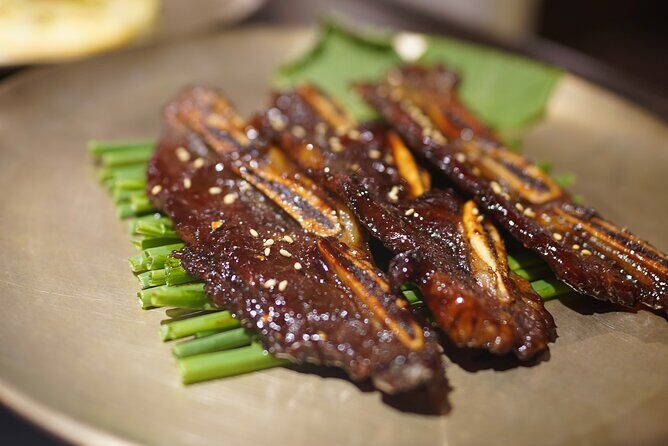
LA galbi is a crowd-pleaser for a reason. It’s flavorful and approachable, so it works well for a cooking class where you want results you can be proud of. You’ll learn how to shape the dish through seasoning and technique, not just how to assemble it.
Fresh kimchi
Fresh kimchi is a perfect match for a small-group lesson because it rewards attention. The class treats kimchi like more than a side dish: you’ll learn what makes it taste bright and alive, and how Korean cooking thinks about balance.
You can also read our reviews of more tours and experiences in Seoul


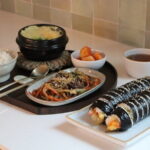
Pajeon (including seafood-style)
The pajeon portion typically includes haemul pajeon (a seafood version). This kind of dish is ideal for beginners because you can see the batter and texture. It also teaches an important Korean cooking concept: cooking is about timing and consistency, not complicated equipment.
Tapyeongchae / tangpyeongchae
Tapyeongchae (sometimes written as tangpyeongchae) is part of the menu too. It’s the kind of dish that adds freshness and contrast to a meal that also includes grilled meat and savory pancakes. That contrast makes your final plate feel like a complete Korean meal, not a set of separate snacks.
A nice bonus is that the recipes are described as relatively easy to execute, even for basic cooks. That lines up with how the class is designed: hands-on, guided, and sized so you can keep up.
Eating on bangjja: how the plate changes the meal
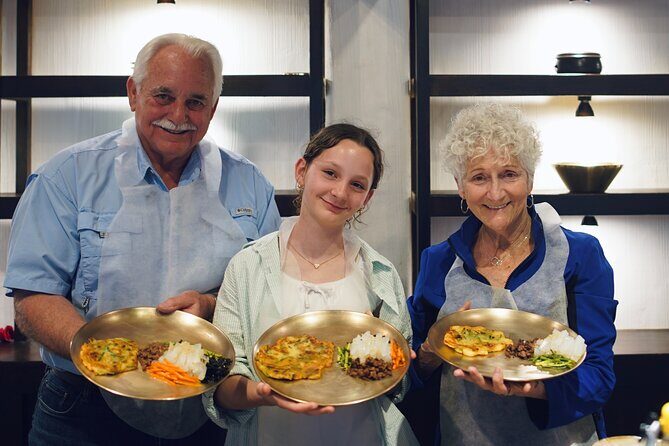
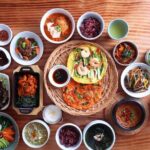
The dining part isn’t an afterthought here. You’ll enjoy your creations on handmade bangjja bronzeware tableware, which adds a tactile, traditional feel you don’t get from standard plates.
Why does that matter? In Korean dining, the tableware and serving style support the whole rhythm of the meal. When your food arrives on traditional plates, it signals that this isn’t just a tasting. It’s dinner. And since the group cooks together, the shared meal is the payoff.
To round things out, the included drinks and extras are very Korean:
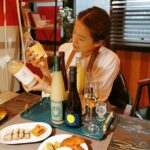
- A glass of freshly brewed makgeolli
- A selection of traditional Korean desserts
If you’re the type who wants to actually taste the culture you’re learning, this inclusion is a big deal. It turns the cooking class into a full evening experience rather than a short “make one dish, then leave” format.
Seoul route: palaces, market energy, and hanok streets
Even though the cooking happens in the hanok home, the overall experience connects you with classic Seoul spots. The stops listed are:
- Gyeongbokgung Palace
- Changdeokgung Palace
- Kwangjang Market
- Ikseon-dong Hanok Street
- Gwanghwamun Square
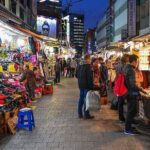
You can think of this as orientation plus context. The palaces help you place Korean heritage in real geography, not just in a book. Kwangjang Market adds a very different flavor: everyday food culture, busy market life, and a place where you can learn what Koreans snack and eat beyond formal meals.
Ikseon-dong Hanok Street then bridges the old and the lived-in present, since you’re moving through areas where hanok style shows up in modern streets. Gwanghwamun Square sits as a central point that’s easy to connect with rest of your day afterward.
One practical tip from the timing: the total duration is about 2 hours 15 minutes, and reviews mention you don’t feel rushed. That suggests the route is paced to keep the evening from turning into a long slog. Still, if you’re planning a second activity right after, give yourself a buffer so you can shop a bit or explore nearby without sprinting.
Price and value: is $98.98 a fair deal?
$98.98 per person is not “budget cooking class” pricing, but it’s also not over-the-top for what’s included. Here’s how I’d judge the value:
You’re paying for:
- A small group max 6
- Cooking instruction from Chef Park (with an official culinary certificate mentioned in the class description)
- A multi-dish menu (not just one recipe)
- Traditional dining setup with handmade bangjja plates
- Included makgeolli and Korean desserts
- Photos and recipe sharing afterward (mentioned in reviews)
If you compare this to classes that only teach one dish or that charge extra for drinks and dining, the package becomes easier to justify. You’re also getting a setting that would be hard to recreate on your own: a restored hanok meal environment in the center of Seoul.
Where price can be a mismatch is if you’re primarily chasing sightseeing. This experience is centered on cooking and eating, even if you pass through major landmark areas. If you want hours of palace time for your camera roll, you might want to pair this with a separate palace tour.
Who this class suits best (and who might want a different option)
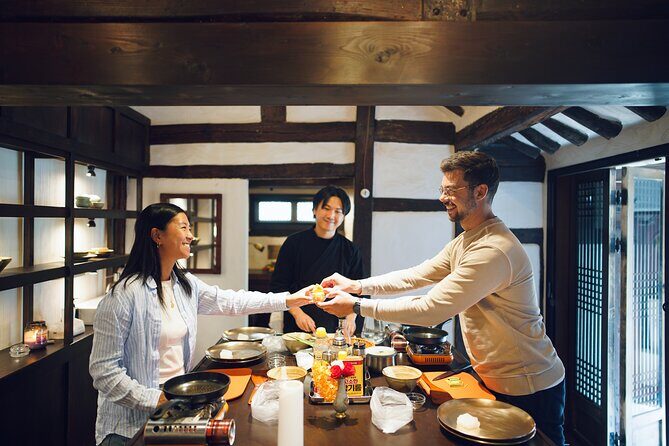
This is a great fit if you want something hands-on, cultural, and not overly complicated.
It works well for:
- First-timers to Korean cooking
- Couples looking for a memorable “first night in Seoul” kind of evening
- Solo travelers who want an activity where conversation happens naturally
- Families, since reviews mention it can work with kids around ages 11 and 13 and still stays structured enough for different paces
- Anyone who loves the idea of cooking and eating in the same traditional space
It may not be ideal if:
- You dislike cooking as an activity and want a more passive cultural experience
- You’re trying to do a full sightseeing day and a second late-night plan, because the experience is about 2h15 and designed to keep momentum
Practical tips so the evening runs smoothly
Here are the small things that make a big difference with this kind of class:
- Use the exact meeting address: 25 Samil-daero 32ga-gil, Jongno District, Seoul. It’s the start point and the activity ends back there.
- Bring your standard comfort kit: closed-toe shoes help, especially if you’re moving between landmark stops and then back to the hanok.
- Come with an open mind about seafood in pajeon, since the menu includes haemul pajeon in the class description.
- If you have mobility needs, it’s worth communicating your situation early. A review mentions the chef accommodating a stool request, which suggests they can handle reasonable supports.
- After the class, you’ll get photos and recipe materials shared afterward. Save them, because you’ll likely want to recreate at least part of the meal when you get home.
Should you book Royal Seoul Cooking Class?
Yes, if you want one of the best kinds of Seoul “nights”: a small-group cooking lesson that ends with a real Korean meal in a restored hanok. The combination of Chef Park’s teaching, the short list of iconic dishes, the included makgeolli and desserts, and the traditional bangjja plates makes the price feel more justified than many basic classes.
Skip it only if you’d rather spend your limited time purely sightseeing inside the palaces for long stretches. This experience is built to teach you, feed you, and leave you with recipes you can use again.
If you do book it, treat it like an event: arrive ready to cook, ask questions, and plan to enjoy the meal slowly after you finish cooking.
FAQ
How long is the Royal Seoul Cooking Class?
It runs about 2 hours 15 minutes.
What is the maximum group size?
The class has a maximum of 6 travelers.
Where is the meeting point?
The meeting point is 25 Samil-daero 32ga-gil, Jongno District, Seoul, South Korea. The activity ends back at the meeting point.
What dishes will I make during the class?
The class focuses on royal cuisine and includes dishes such as LA galbi, fresh kimchi, pajeon (including haemul pajeon), and tapyeongchae/tangpyeongchae.
What is included with the meal besides the food?
You’ll enjoy a glass of freshly brewed makgeolli and a selection of traditional Korean desserts, and you’ll dine on handmade bangjja bronzeware plates.
Is it beginner-friendly if I don’t have cooking experience?
Yes. The class is designed so you do not need cooking skills.
Is there a mobile ticket?
Yes. The experience includes a mobile ticket.
Can I cancel for a full refund?
You can cancel for a full refund if you cancel at least 24 hours in advance of the experience start time. If you cancel less than 24 hours before, the amount paid is not refunded.