REVIEW · SEOUL
DMZ Highlights & Exclusive Defector Interview – True Human Story
Book on Viator →Operated by Cosmojin Agency · Bookable on Viator
The border feels personal on this DMZ day. This is a full day out of Seoul focused on major DMZ sights, and the big differentiator is an interview and Q&A with a North Korean defector you can ask questions to. You also get the Dora Observatory and the Third Tunnel in the same itinerary, so you see the peninsula division from multiple angles, not just one stop.
I love two parts most: the defector interview itself, and the way the tour stacks the key DMZ locations into one long circuit. Meeting people who lived inside the system adds weight to every fence, sign, and distance you’re looking at. And having guided context at sites like the Third Tunnel makes the experience feel less like sightseeing and more like learning how the border works in real life.
One drawback to plan around: it’s a long day with a lot of walking, and lunch isn’t included. If you hate waiting between stops or you arrive unprepared with snacks and good shoes, the day can feel more work than wow.
In This Review
- Key highlights I’d plan around
- Morning pickup at Seoul City Hall: the setup for a long day
- Imjingak Park, Freedom Bridge, and the 13,000 POW story
- Entering the DMZ: what “40 minutes” teaches you
- Third Infiltration Tunnel: 435 meters and a very real workout
- Dora Observatory: binocular-style views and the propaganda village concept
- Tongilchon-gil and the Unification Village idea
- Gamaksan Suspension Bridge: optional, but choose it with eyes open
- Tour pace, group size, and what to pack so you stay sane
- Value for $27: why the defector interview changes the math
- Should you book this DMZ highlights and defector interview tour?
- FAQ
- How long is the tour?
- What time does the tour start, and where do I meet?
- Is a passport required?
- Is lunch included?
- What’s included in the tour price?
- What’s not included?
- Does the tour include Dora Observatory and the Third Tunnel?
- Is the Gamaksan Suspension Bridge included for everyone?
- What happens if the DMZ closes suddenly?
- What if I need to cancel?
Key highlights I’d plan around
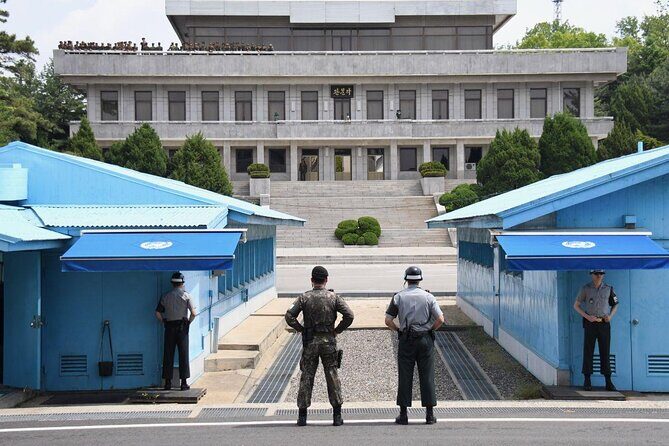
- North Korean defector interview and Q&A that gives context you won’t get from monuments alone
- Third Tunnel experience (including a short documentary before/along the visit) and a real physical workout
- Dora Observatory views of North Korea sites, plus binocular-style viewing mentioned as a highlight
- Imjingak Park and POW Freedom Bridge/Mangbaedan Bridge stories tied to the number 13,000
- Optional Gamaksan Suspension Bridge if you choose that course and can handle an uphill walk
- Small details explained by an English guide with a strong Q&A style, including names like SP Hong and Ms Cho in recent experiences
Morning pickup at Seoul City Hall: the setup for a long day
Your day starts early, with a meeting point at 92 Sejong-daero in Seoul’s Jung District (near City Hall). The listed start time is 7:30am, and once everyone is together, you transfer toward the DMZ by air-conditioned vehicle. It’s about 50 minutes on the road before the first major stop.
What I like about this structure is that you’re already in “DMZ mode” before you start ticking off sights. You also avoid the awkward half-day problem where you get to one site, rush through it, and miss the bigger picture.
Two practical notes that matter here. First, you need your passport for the visit. Second, bring comfortable sneakers; the day includes walking that can get tiring fast when schedules tighten.
You can also read our reviews of more tours and experiences in Seoul.
Imjingak Park, Freedom Bridge, and the 13,000 POW story

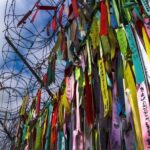
Imjingak Pyeonghoa-Nuri Park is the emotional warm-up before you reach the military lines. The park is described as a symbol of reunification desire, but it’s not sentimental in a simple way. You’ll see barbed wire fences mixed with rides, and that mix is the point: the peninsula’s tension is treated as both history and a present-day reality.
The Freedom Bridge connection is one of the key anchors. It’s known for the escape of 13,000 POWs, which makes the area feel less like a theme park moment and more like a memorial space. The Mangbaedan Bridge on the Imjing River repeats that same 13,000 story from another angle, tied to 1953.
Why this works in your favor: when you later stand at DMZ viewpoints and look toward the North, you’re not just seeing geography. You’re seeing human movement, forced and hoped-for, tracked through the landscape.
If you’re the kind of traveler who likes to ask questions, bring that energy here. The best moments on this type of tour are when the guide turns a scene into a sequence: what happened, what it meant, and why it still shapes behavior today.
Entering the DMZ: what “40 minutes” teaches you
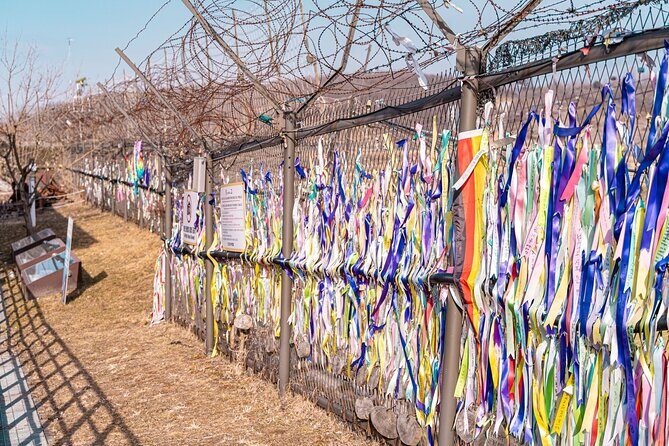
The DMZ stop is short by design, about 40 minutes, and that’s worth understanding before you go in thinking you’ll have time to wander. This is a military demarcation zone where military activities are prohibited, and the security reality around it affects how the day flows.
I like that the tour doesn’t pretend you’ll soak in the DMZ at your own pace. Instead, the guide frames what you’re seeing so the time you do get feels productive. With the right commentary, even a brief stop can help you connect the dots between fences, observation points, and the way the peninsula stays tense.
The key thing to remember: this is not a theme park. The DMZ can be closed suddenly without notice, and the tour provider says you’ll receive an alternative tour with no refunds if that happens. So keep your expectations flexible. You’re booking for highlights and context, but you’re also entering a security-sensitive area.
Third Infiltration Tunnel: 435 meters and a very real workout
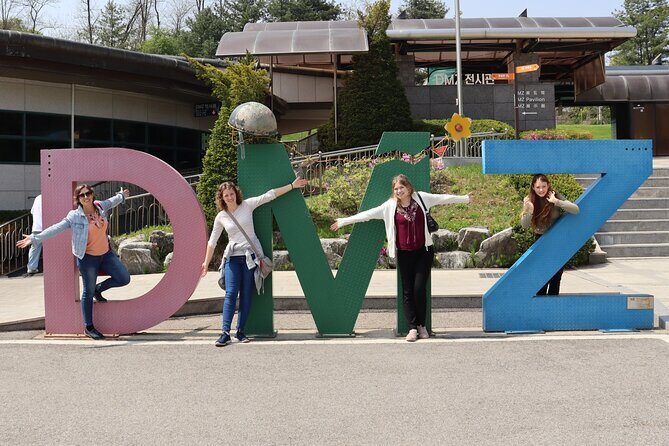
The Third Infiltration Tunnel is the kind of stop that grabs your attention immediately, because it’s built around physical reality. The tour includes exploring a tunnel that extends 435 meters into South Korea, with time for a documentary as part of the visit.
This is where you learn the difference between hearing about conflict and walking into the kind of environment people were trained to use. Even if you’re not a tunnel person, this stop gives you a sense of scale and planning that’s hard to get from photos.
Do expect it to be tiring. The tour notes and on-the-ground feedback point out that walking can be challenging and the tunnel experience is a workout. If you have mobility limitations, this is a place to think twice and plan accordingly.
The good news: if you’re physically up for it, the tunnel tends to be a high-impact moment. It’s also the sort of stop where a guide’s explanation matters, because you’re moving through space, not just standing still. When you understand what you’re looking at, it clicks faster.
Dora Observatory: binocular-style views and the propaganda village concept
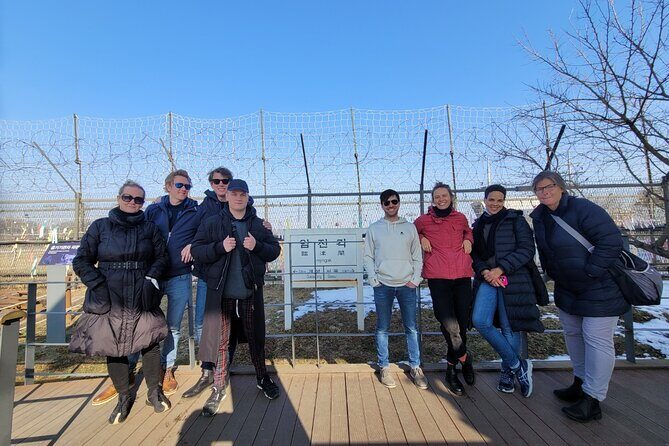
Dora Observatory is one of the big “see it from here” stops. You’ll have about an hour here, and the focus is a close-up view of North Korea, including Gaeseong City and the Gaeseong Industrial Complex.
A notable feature is the fake North Korean border village sometimes referred to as Propaganda Village. That detail matters because it gives you a chance to compare what’s meant to be shown versus what’s meant to be hidden. In other words, you’re not only looking outward. You’re also learning how information gets managed.
The tour also leans on guided explanation and viewing tools like binoculars, which are specifically called out as a helpful way to understand what you’re looking at. If you like to read the scene rather than just stare at it, this is where the commentary really helps.
If weather is poor, your view might be limited. That’s not a tour flaw. It’s just how long-distance viewing works. Either way, Dora still works as a stop because the guide ties the visual experience to what those places symbolize.



Tongilchon-gil and the Unification Village idea
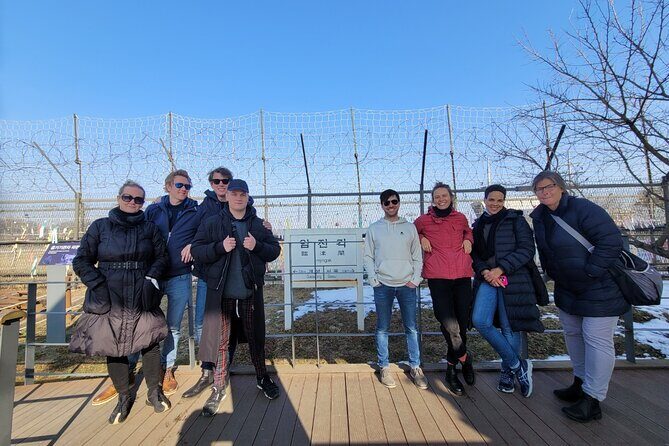
After the larger DMZ anchors, the tour includes a shorter stop at Tongilchon-gil, part of the Unification Village concept. It’s located north of the Civilian Control Line, and it’s known for agricultural products such as Jangdan ginseng and Jangdan soybeans.
This is a smaller, lighter stop compared to tunnels and observatories. But it’s still valuable because it shows how reunification gets discussed in practical, even everyday terms. Food, farming, and trade talk are not abstract here. They’re tied to the geography you’ve been looking at all day.
If you’re expecting a museum-style explanation only, you might find this stop shifts your pace. It can feel brief, but it adds a human scale to the bigger political story.
Gamaksan Suspension Bridge: optional, but choose it with eyes open
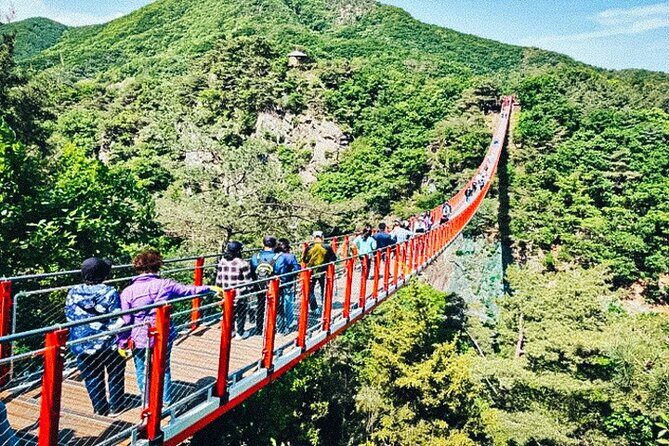
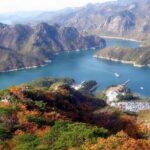
There’s an optional course element for the Gamaksan Chulleong Bridge (Gamaksan Suspension Bridge). The tour information describes a 20–30 minute uphill walk to reach it, with comfortable shoes recommended.
This option can be worth it if you like viewpoints and you’re okay with a climb after a full day of DMZ walking. The bridge is described as having once been Korea’s longest suspension bridge at 220 meters, and it’s opened in 2016. You’ll also be looking over Silmari Valley.
The key caution is that this part is not for everyone and it’s not automatic for every booking. The tour notes say visiting the bridge requires a minimum number of participants to proceed, and if that minimum isn’t met, they’ll inform you and you may need to revise or change the tour.
So, if this bridge matters to your plan, confirm you’re actually booked in that specific course before the day starts. It’s better to verify once than to assume it will happen.
Tour pace, group size, and what to pack so you stay sane
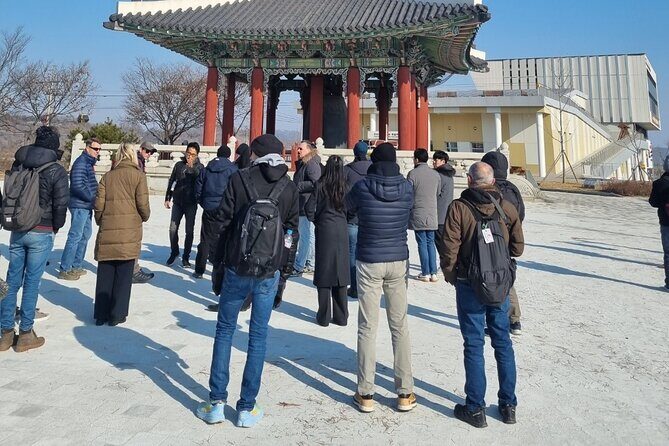
This is a full-day experience, listed as about 7 to 9 hours. The group size can be up to 90 people, and that means the day runs on a schedule. You’ll rely on the guide to keep you moving and to explain what you’re seeing without wasting time.
The guides and interview structure are a big reason people rate this tour highly. In recent experiences, SP Hong is specifically mentioned as punctual, organized, and strong in English, with a style that balances seriousness with comedy. The defector Q&A format is also praised for encouraging real questions, not just passive listening, and the guide is there to translate.
There’s one practical planning point that comes up again and again in this kind of tour: no lunch is included. Build your snack strategy around the reality that you may not have enough time for a proper meal. Bring enough to keep your energy steady through the tunnel and observatory.
Also plan for the possibility of DMZ delays or closures. The tour states DMZ can close suddenly with no notice, and you’ll get an alternative tour with no refunds if it happens. That’s rare, but it’s real enough that you shouldn’t schedule something tight right after the tour ends.
The day finishes back at the meeting point in the City Hall area. You won’t be dropped off at your hotel, so keep that in mind if you’re staying far away.
Value for $27: why the defector interview changes the math
At $27 per person, this tour is priced low for what you get on paper: major DMZ highlights, transportation, an English guide, and an interview with a North Korean defector. Most tours that focus only on sites cost more, and they usually don’t include a human story you can ask questions about.
That’s the core value here. You’re not only visiting the border. You’re learning how someone who escaped North Korea described life on the inside. For many people, that personal perspective is the difference between seeing the DMZ as a map line and understanding it as a lived system.
That said, the value depends on how you show up. If you treat the defector interview as a quick checkbox, you’ll miss its power. If you come with questions and a willingness to listen, the same sites will feel more connected.
Should you book this DMZ highlights and defector interview tour?
Book it if you want a single-day plan that hits the big DMZ anchors while also giving you the one element that site-only tours rarely provide: a structured meeting with a North Korean defector and time for Q&A. This is also a good pick if you like guided context, because the value here is strongly tied to how well the guide explains what you’re seeing.
Skip it or choose another option if you can’t handle long walking, if tunnels are a dealbreaker for you, or if you mainly want long, independent time at each location. This tour is guided and schedule-based, not free-roam.
Finally, do yourself a favor: pack snacks, bring your passport, wear sneakers, and if the Gamaksan bridge matters, confirm the option is actually included in your booking. If you do those three things, the day tends to land exactly where it should: educational, intense, and memorable for the right reasons.
FAQ
How long is the tour?
The tour lasts about 7 to 9 hours.
What time does the tour start, and where do I meet?
It starts at 7:30am. The meeting point is 92 Sejong-daero, Jung District, Seoul, South Korea.
Is a passport required?
Yes. All participants must bring a passport.
Is lunch included?
No. Lunch is not included.
What’s included in the tour price?
Included items are a certified English guide, an interview with a North Korean defector, all fees and taxes, and an air-conditioned vehicle.
What’s not included?
Travel insurance is not included.
Does the tour include Dora Observatory and the Third Tunnel?
Yes. The itinerary includes Dora Observatory and the Third Infiltration Tunnel, and their admissions are listed as included.
Is the Gamaksan Suspension Bridge included for everyone?
It’s an option. Visiting it requires a 20–30 minute uphill walk, and it depends on the minimum number of participants for that course.
What happens if the DMZ closes suddenly?
The DMZ can close suddenly without notice. The tour provider states you’ll get an alternative tour with no refunds.
What if I need to cancel?
You can cancel for a full refund if you cancel at least 24 hours before the experience start time. If you cancel less than 24 hours before, the amount paid is not refunded.