REVIEW · SEOUL
Blood & Tears: Korea Dark History Guided Walking Tour
Book on GetYourGuide →Operated by KTOURSTORY · Bookable on GetYourGuide
Seoul’s darkest corners have names. This guided walk turns modern politics and colonial violence into real places you can stand in, like Seodaemun Prison History Hall, not just chapter headings. You get two route choices, so you can match the story to your time and interests.
I love the tour’s human pacing and strong interpretation, and the guide quality shows in real-world examples from English guides such as Joseph, Laura, Gina, and Chuck. The small group size (10 max) also keeps things conversational, with enough room to ask questions and move at a sensible speed.
One consideration: the day is long and the topic is emotionally heavy, and you’ll travel by public transit. Plan for a long walk, possible delays from traffic and weather, and shoe rules at Dilkusha—slippers are provided.
In This Review
- Key highlights that make this tour worth it
- Two routes through Seoul’s hard decades: pick the story you need
- Seodaemun Prison to Tapgol Park: what Package 1 actually shows you
- Seodaemun Prison History Hall: cold cells with a purpose
- Dongnimmun Arch: independence turned into a warning
- Dilkusha and Albert W. Taylor: who told the world
- Tapgol Park 13:00: the 1919 independence spark
- National Museum to KCIA sites to democracy: Package 2’s Seoul timeline
- National Museum of Korean Contemporary History: set the frame before the hard stops
- Tongin Market and lunch: history you can taste
- Namsan KCIA headquarters: surveillance with a face
- Korea Democracy Foundation at 16:00: repression turned into warning signs
- The guides make or break it: how to use this tour to learn fast
- Timing, transport, and the real-world stuff you should plan for
- Price and value: is $61 a fair deal?
- Who should book this tour, and who might want to reconsider?
- Should you book Blood & Tears: Korea Dark History Guided Walking Tour?
- FAQ
- How much does the tour cost?
- How long is the tour?
- What time do the two packages start?
- Where do I meet for each package?
- What are the main stops in Package 1?
- What are the main stops in Package 2?
- Is lunch included?
- Is the tour wheelchair accessible?
- Do I need to remove my shoes?
- What’s included in the price?
Key highlights that make this tour worth it
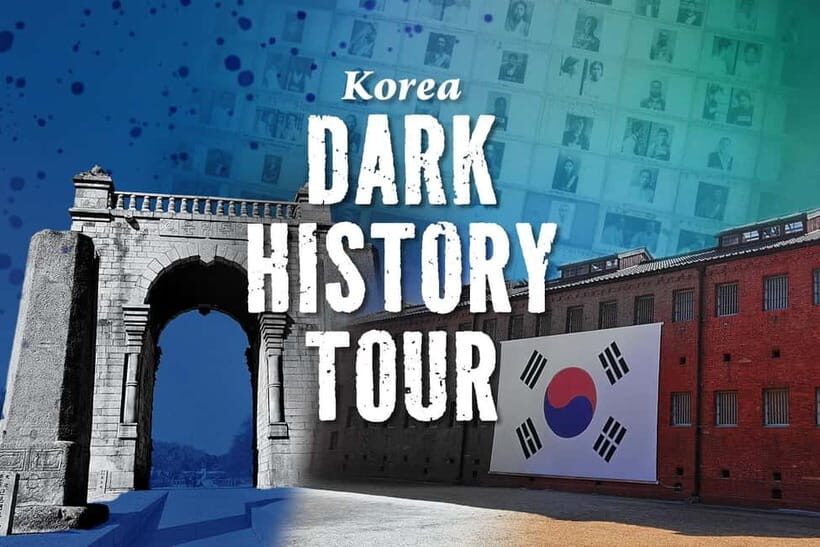
- Two distinct packages: independence-era oppression (Package 1) or the road to democracy (Package 2)
- Real historical sites in Seoul tied to imprisonment, torture, surveillance, and resistance
- English-speaking guides with strong storytelling, including Joseph, Laura, Gina, and Chuck
- Small group limits (10 max) that often feel more like a focused conversation than a lecture
- Thoughtful stop design that links the why behind events to what you see at each landmark
Two routes through Seoul’s hard decades: pick the story you need
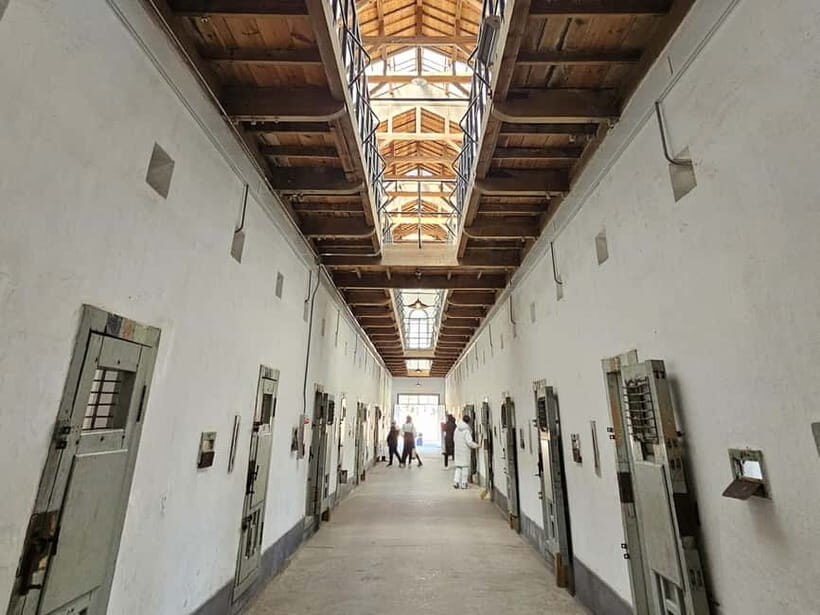
This tour is built in two parts, and that matters. If you want the independence fight under Japanese colonial rule, go Package 1. If you’re more curious about post-war dictatorship, surveillance, and citizen resistance, go Package 2.
Both options are long by design: 210 to 330 minutes, depending on the exact routing and conditions on the day. You’ll move using public transportation, so you’re not just looking at buildings—you’re seeing how the city connects these eras, stop to stop.
One smart strategy: if it’s your first trip to Seoul or you’re short on time, choose the package that matches what you most want to understand today. If you can handle two days (or do both in sequence with a plan), doing both gives you the full timeline feel—occupation pressure first, then the later struggle for democratic control.
You can also read our reviews of more walking tours in Seoul
Seodaemun Prison to Tapgol Park: what Package 1 actually shows you
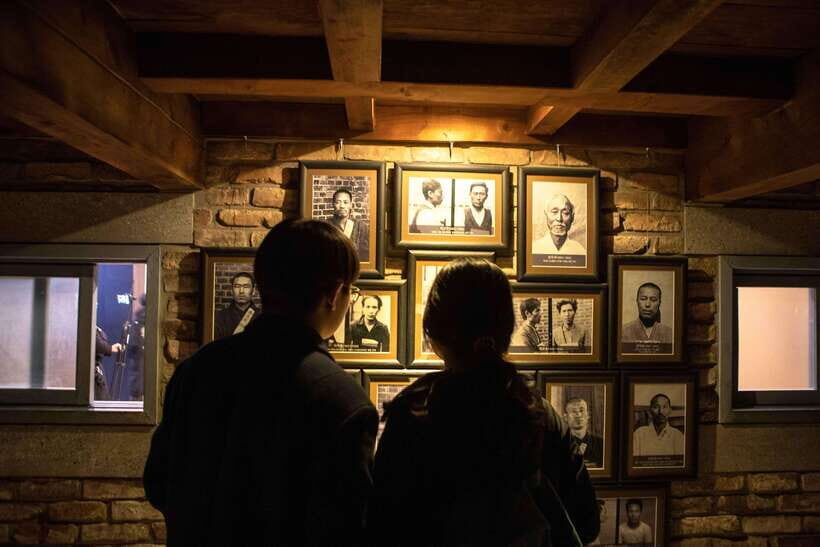
Package 1 runs with a 9:30 AM meeting at Dongnimmun Station Exit 5 and ends at Tapgol Park at 13:00. The theme is simple: resistance met brutal punishment, and those events still shape how Koreans talk about freedom.
Seodaemun Prison History Hall: cold cells with a purpose
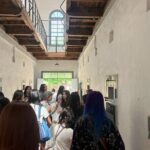
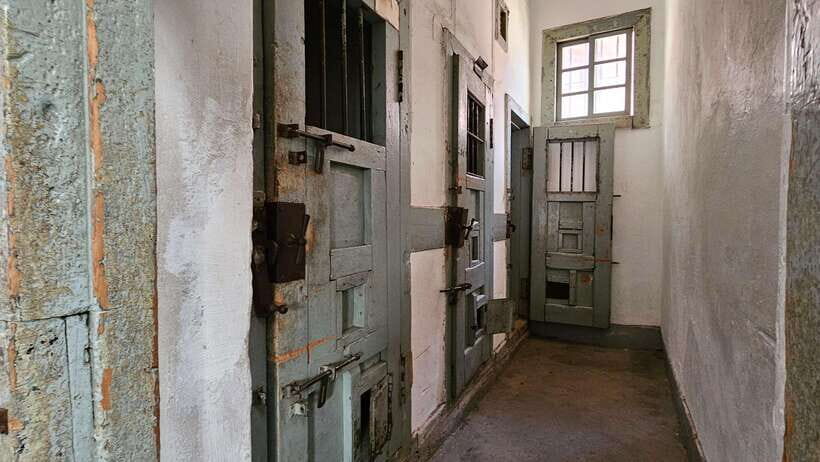
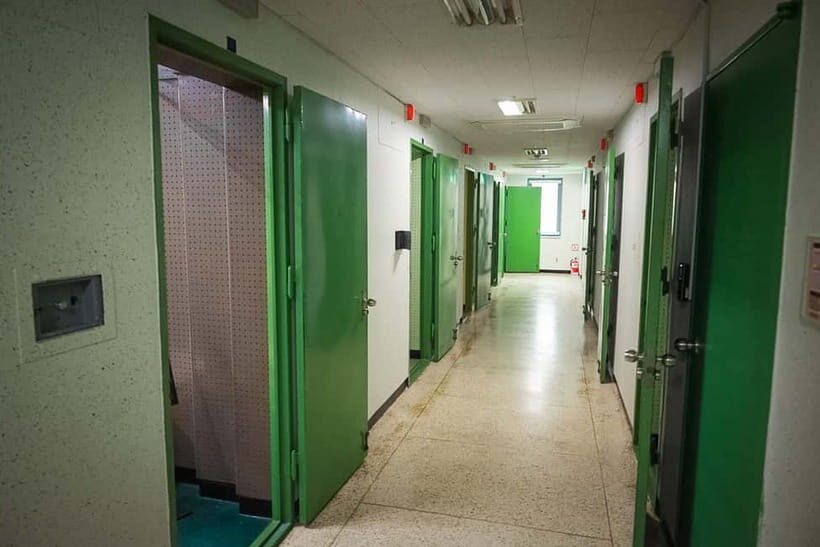
Your first major stop is Seodaemun Prison History Hall, where Korean freedom fighters were imprisoned, tortured, and executed for resisting. The tour approach here is very much about emotional weight: you walk through cold, dimly lit spaces and look directly at what confinement and abuse meant in practice.
This is one of those places where a guided explanation changes everything. Without context, you might see old rooms. With a guide, you understand why these sites became symbols and how political awakening can be forced—and also fueled—by suffering.
Dongnimmun Arch: independence turned into a warning
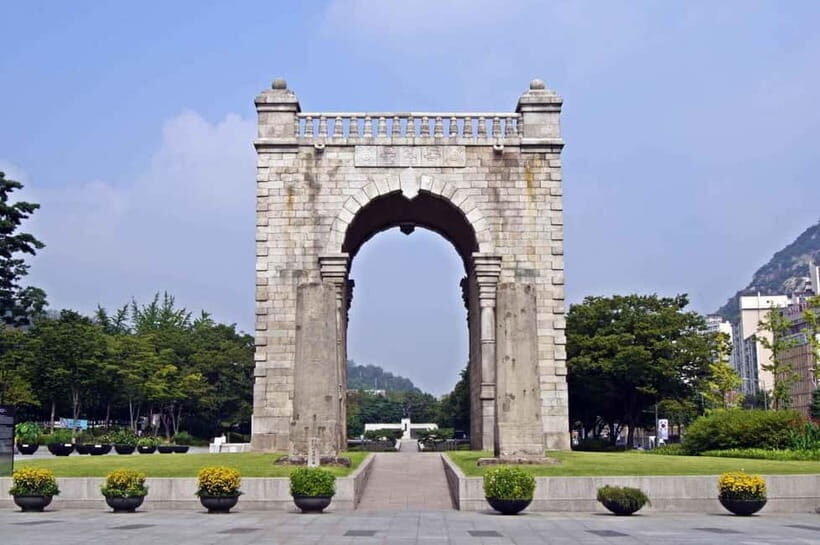
Next you head to Dongnimmun Arch. The arch was built to celebrate national independence, but it later became a witness to the crushing reality of Japanese colonization.
What I like about this stop is the contrast. It’s the same physical location idea, but the meaning changes. That’s a big lesson in this whole tour: history isn’t only in documents. It’s in what a society builds, and what later power does to those structures.
Dilkusha and Albert W. Taylor: who told the world
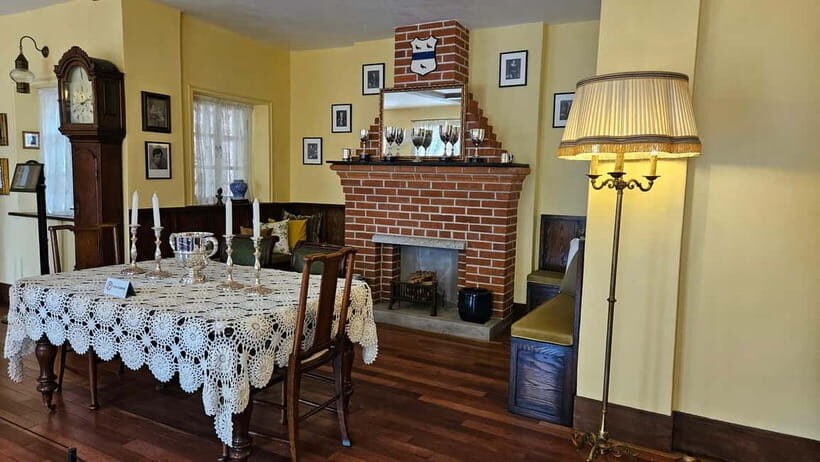
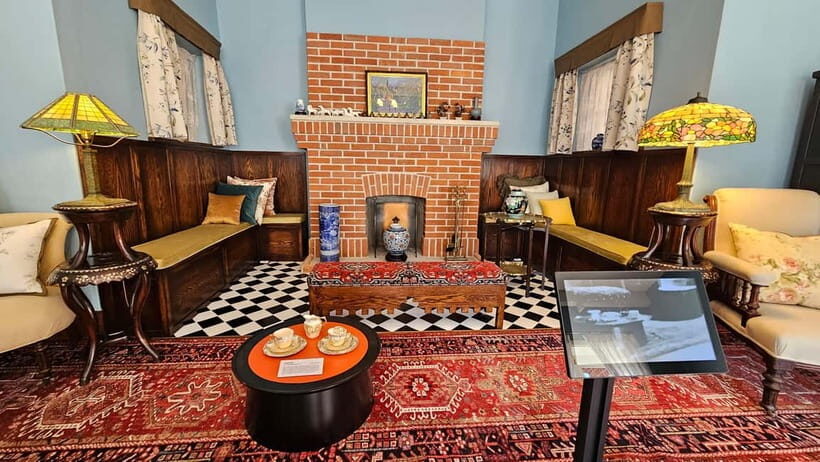
Then you go to Dilkusha, the former residence of Albert W. Taylor, an American journalist known for exposing Japan’s brutal rule. This stop adds an outside perspective, and that’s useful when you’re trying to understand how information spread, how propaganda worked, and why international attention mattered.
Practical note: you may need to remove your shoes at Dilkusha to help preserve the historic residence, and slippers are provided on-site. Wear socks you don’t mind wearing all day if you get the shoe-removal rule.
You can also read our reviews of more guided tours in Seoul


Tapgol Park 13:00: the 1919 independence spark
The package ends at Tapgol Park. In 1919, this area saw the first cries for independence spread through the streets and helped spark a nationwide uprising.
Ending here is powerful because it ties the earlier suffering to action. You don’t just leave with tragedy; you leave with momentum—how people responded when political control became intolerable.
National Museum to KCIA sites to democracy: Package 2’s Seoul timeline
Package 2 starts with a 9:50 AM meeting at Gwanghwamun Station Exit 7 and ends at Korea Democracy Foundation at 16:00. The focus shifts from colonial occupation toward the later, darker machinery of state control and the eventual fight for democratic space.
National Museum of Korean Contemporary History: set the frame before the hard stops
Your day begins at the National Museum of Korean Contemporary History. This isn’t just a warm-up. It’s your context layer for Korea’s post-war reconstruction, military regimes, and citizen resistance.
If you usually find museums overwhelming, this part is still worth it because it aims to give you the story thread before you see the places tied to surveillance and repression later in the day.
Tongin Market and lunch: history you can taste
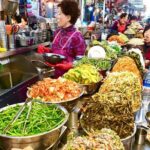
From the museum, you’ll walk to Tongin Market, where you’ll enjoy a traditional lunch. Meals are listed as not included overall, so budget for lunch like you would at any market, but the stop is part of the tour design.
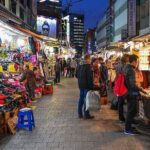
This is also a nice breathing point. After heavier sites, you get a real Seoul moment—food, street energy, and the normal life around the political history you’ve been learning. It makes the contrast sharper when you head back into the harder locations after lunch.
Namsan KCIA headquarters: surveillance with a face
Next comes Namsan KCIA headquarters, a site tied to surveillance, political oppression, and torture. This is where the tour’s tone shifts toward how dissent was monitored and punished.
On tours like this, the guide’s job is to help you read what you’re seeing without turning it into shock-only tourism. A good guide helps you connect the mechanisms—how control worked—to the outcomes: fear, resistance, and long-term change.
Korea Democracy Foundation at 16:00: repression turned into warning signs
Finally, you reach the Korea Democracy Foundation, former sites associated with surveillance, political oppression, and torture. The visit can be adjusted depending on on-site conditions, so don’t treat the end time like a guarantee of identical access to every room.
Still, the idea is clear: these places now function as reminders of how difficult democratic rights were to win. And that’s the lesson you carry forward after leaving the buildings.
The guides make or break it: how to use this tour to learn fast
This tour leans hard on interpretation, and that’s where it earns its top reviews. Multiple English-speaking guides have been praised for telling the story behind each site, not just reading exhibit text. Names that show up in verified experiences include Joseph, Laura, Gina, and Chuck.
What you’ll likely feel in practice is a more personal rhythm. One verified booking described a tour where the group was just two people, which turned the walk into real conversation. Even if you don’t get that tiny group size, the max of 10 tends to prevent the usual herd-like experience.
Here’s how to get more out of it:
- Ask questions early, especially about what happened before and after each site.
- Pay attention to why the guide links one stop to the next, not only what each place is.
- If you care about a specific movement or period, tell the guide what you want to understand. Several guides are described as tailoring explanations during the walk.
Timing, transport, and the real-world stuff you should plan for
The tour’s 210 to 330 minutes range matters, because Seoul traffic and weather can change pacing. Plan for delays without panicking, and don’t schedule a tight appointment right after the tour end time.
You’ll travel by public transportation, and that’s part of the value. It also means you should dress for walking between stops. The tour is listed as wheelchair accessible, but strollers or wheelchairs may be inconvenient during transit, so plan accordingly.
Also note the shoe-removal possibility at Dilkusha during Package 1. Slippers are provided, but the logistics can still catch you off guard if you’re wearing tight shoes or sandals you don’t want to remove.
Meals are not included. For Package 2, you will have a stop at Tongin Market with time for traditional lunch, but you should still treat lunch as your own expense.
Price and value: is $61 a fair deal?
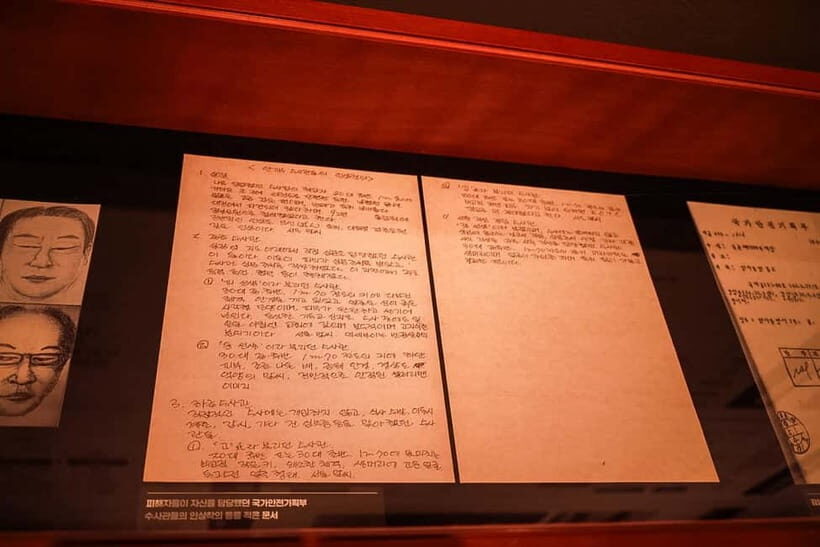
At $61 per person, you’re paying for more than a walking loop. The included items are practical: public transportation fees, an English-speaking guide, and admission fees. That package matters in Seoul, where museums and historic sites add up fast on your own.
The value also comes from design. You aren’t just paying to get into one place. You’re getting a guided sequence of multiple high-impact locations tied to oppression, resistance, and political change. Without a guide, many visitors would miss the connections that make the day feel coherent.
The other value piece is group size. With a limit of 10 participants, you can usually ask questions and get answers in real time, which turns the tour from a passive experience into active learning.
Who should book this tour, and who might want to reconsider?
Book this if you:
- Want Korea’s modern history tied to specific places in Seoul
- Like learning with a guide who explains the human reasons behind political events
- Prefer a small-group pace rather than big-bus tourism
- Are trying to understand the chain from oppression to resistance to democracy
Consider another style of tour if you:
- Want light, casual sightseeing
- Are sensitive to sites connected with torture and executions
- Don’t like long walking days using public transit
If you’re a first-timer in Seoul, this is also a smart early-day choice. It helps you understand what you’ll later see and hear in conversations, media, and history museums.
Should you book Blood & Tears: Korea Dark History Guided Walking Tour?
Yes, if you’re ready for a serious, well-guided day and you want history that doesn’t hide behind neat textbook timelines. The strongest reason to book is the structure: two route options that follow the story across eras, paired with an English-speaking guide who explains why each landmark matters.
If you choose between the two, I’d make it simple:
- Choose Package 1 for independence-era oppression and the uprising spark at Tapgol Park.
- Choose Package 2 for post-war reconstruction through surveillance-era control and the democracy message at Korea Democracy Foundation.
FAQ
How much does the tour cost?
The price is $61 per person.
How long is the tour?
The duration is 210 to 330 minutes, and the exact time can vary by availability and conditions on the day.
What time do the two packages start?
Package 1 starts at 9:30 AM. Package 2 starts at 9:50 AM.
Where do I meet for each package?
For Package 1, meet at Dongnimmun Station Exit 5. For Package 2, meet at Gwanghwamun Station Exit 7. The meeting point may vary depending on the option you book.
What are the main stops in Package 1?
Package 1 includes Seodaemun Prison History Hall, Dongnimmun Arch, Dilkusha, and ends at Tapgol Park at 13:00.
What are the main stops in Package 2?
Package 2 includes the National Museum of Korean Contemporary History, Tongin Market (with traditional lunch), Namsan KCIA headquarters, and ends at the Korea Democracy Foundation at 16:00.
Is lunch included?
Meals are listed as not included. Package 2 includes time at Tongin Market for a traditional lunch, so you’ll need to pay for what you order.
Is the tour wheelchair accessible?
Yes, it is listed as wheelchair accessible, but traveling by public transportation may be inconvenient for wheelchairs or strollers.
Do I need to remove my shoes?
For Package 1, you may need to remove your shoes when visiting Dilkusha; slippers are provided on-site.
What’s included in the price?
Included items are public transportation fees, an English-speaking guide, and admission fees.