REVIEW · SEOUL
Gangnam Walking Tour on Youth and Society in Seoul Korea
Book on Viator →Operated by SeoulDude's Walking tours · Bookable on Viator
Gangnam has a reputation, then the tour complicates it. This small-group walk looks at how South Korea’s younger generation handles pressure tied to education, appearance, and relationships, using real places in one of Seoul’s most famous districts. You’ll cover topics that are usually skipped on classic sightseeing days, but you’ll do it on foot, at street level, with a guide who explains the “why,” not just the “what.”
I especially like that the tour keeps it human and local: the guide’s commentary uses everyday Gangnam locations to explain youth culture and social strain. I also like the pacing and format—ask questions as you go, and you get room for dialogue in a group capped at 15. One consideration: this is not a low-walking, photo-stop parade. It’s a serious, talk-heavy walk, so if you’re tired easily, plan to take breaks when your guide offers them.
In This Review
- Key things you’ll notice on this Gangnam walk
- Gangnam Station: where money, housing, and youth pressure meet
- Hotel Seattle: love hotel culture without the awkward fog
- Gangnam Daeseong cram school: the education treadmill in street form
- Sinsa-dong’s plastic surgery culture: how “lookism” moves through a neighborhood
- Hangang Park Playground: development on one side, suicide stories on the other
- Price and value: what $31.98 buys you in Gangnam time
- Walking style, timing, and your day plan
- Who this Gangnam Youth and Society tour is best for
- The biggest strengths: why people consistently recommend it
- Should you book this Gangnam Youth and Society walk?
- FAQ
- How long is the Gangnam Walking Tour on Youth and Society?
- What’s the group size?
- How much does it cost?
- Where do I meet the guide, and where does the tour end?
- What time does the tour start?
- Is the tour ticket mobile?
- What transportation is included?
- Are there any admission fees at the stops?
- What’s included in the price?
- What happens if the weather is bad?
- Can I cancel for a refund?
Key things you’ll notice on this Gangnam walk
- Small group size (max 15), so you don’t get lost in the crowd.
- Gangnam as a teaching tool for beauty expectations, education pressure, and dating norms.
- Real-world stops tied to specific themes: love hotels, cram schools, plastic surgery culture, Han River stories.
- Guides named Jessica or June (depending on your date) who translate modern Seoul into clear, practical explanations.
- A “ask questions” vibe, so you can steer what you want to understand.
Gangnam Station: where money, housing, and youth pressure meet

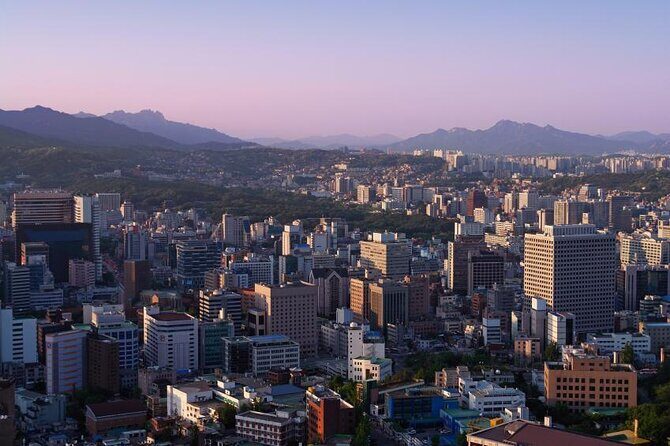
Most tourists touch Gangnam from the outside. This tour starts at Gangnam Station (강남역사거리), a fitting place because it’s tied to development and wealth in a way that’s easy to feel as soon as you arrive. The guide uses this spot to set context—why Gangnam became a symbol for economic achievement, and how that symbol affects what younger people think they must achieve, too.
You’ll also hear about housing problems and how the area developed, which matters because education and appearance pressures don’t exist in a vacuum. When housing is a constant concern, expectations get sharper. When wealth is visible, comparison gets easier.
What I like here is that the tour doesn’t turn this into a lecture you can’t connect to daily life. It stays grounded: in Korea, these big social ideas show up fast in where people live, where they study, and what they’re willing to spend on themselves.
Possible drawback: if you came to Seoul for historical palace-hopping, this start won’t feel “storybook.” It’s modern Seoul, and that’s the point.
You can also read our reviews of more walking tours in Seoul



Hotel Seattle: love hotel culture without the awkward fog
From Gangnam Station, you head toward Hotel Seattle—a famous shorthand for the love hotel district. This is one of the stops that makes the tour feel different from typical cultural walking tours. Instead of treating love hotels like a punchline, the guide explains the social role they play, and how relationship culture can look very practical (and sometimes complicated) in real life.
You’ll spend a short stretch here, but don’t let the time fool you. The value comes from what the guide connects it to: dating norms, privacy, and how young adults navigate relationships under pressure. This section can be a bit uncomfortable if you prefer tours that stay safe and surface-level. But if you want the real social texture of Seoul—this is the kind of stop that explains why the texture exists.
Also, because this is Gangnam, the “public image” and the “private reality” can feel close together. That contrast is useful for understanding why younger people may treat romance as something planned, negotiated, and budgeted—not just romantic.
Gangnam Daeseong cram school: the education treadmill in street form
Next up is Gangnam Daeseong Cram School, one of the most famous private education institutes in the area. Here the tour focuses on education culture and how it ties into things like expectations and even birthrate-related pressures.
This stop is short on paper—about 20 minutes—but it carries a lot of weight. Cram schools are not just extra classes. In many families, they become a schedule, a status symbol, and a definition of effort. By pointing to a known place in Gangnam, the guide shows how the system can feel both rational and exhausting at the same time.
What I like: the tour frames learning pressure as a social mechanism, not just an unfair system. You get context for why it’s so widespread—economic achievement is real, and the competition is real—while still acknowledging the cost to young people.
Consideration: if your comfort zone is only light culture (food, shopping, K-drama sets), this is where the tour shifts more serious. It’s still explained clearly, but it’s not candy-coated.
Sinsa-dong’s plastic surgery culture: how “lookism” moves through a neighborhood
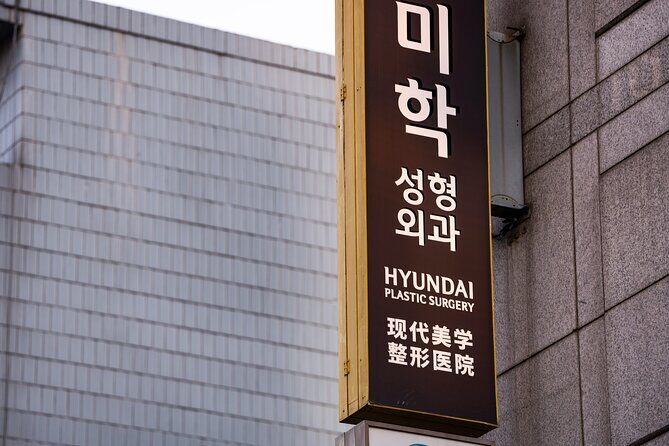
In Sinsa-dong (Gangnam-gu), the guide focuses on plastic surgery culture—and specifically the idea that appearance can feel like currency. This area is often associated with fashion, beauty, and polished images, so talking about surgery culture here makes sense. It’s an environment where the outward signals are visible, and the pressure to match them is easy to understand.
This stop is about cultural expectations, not shock value. You’ll hear how beauty industries can shape perceptions and how “looking good” can connect to social opportunities, employment vibes, and even romantic expectations. The tour’s tone is honest, but it doesn’t feel like sensational gossip.
What makes this section effective is that it doesn’t treat plastic surgery as a standalone topic. The guide ties it back to the bigger theme of youth pressure: education, competition, and appearance can all be part of the same system of evaluation.
Possible drawback: if you’re sensitive about body-image topics, come prepared mentally. This is a serious stop, and the tour doesn’t pretend it’s not.
Hangang Park Playground: development on one side, suicide stories on the other

The tour ends by Hangang Park Playground along the Han River, with the guide connecting development to heavy topics, including suicide. This is the emotional pivot of the walk.
It’s also a practical finish: the tour ends near Apgujeong Station Exit 4, and the setting gives you time to decompress after the tougher themes. In other words, you’re not forced to stay tense until the final minute.
This section works because the Han River is both ordinary and symbolic in Seoul. It’s where people relax, meet, and wander—yet it’s also connected to social realities the city can’t hide. The guide uses that reality to discuss what pressure looks like when it turns inward.
I appreciate that the tour doesn’t treat this as a dramatic “gotcha” ending. It’s more like: here’s where the physical city and the emotional city can intersect.




Price and value: what $31.98 buys you in Gangnam time
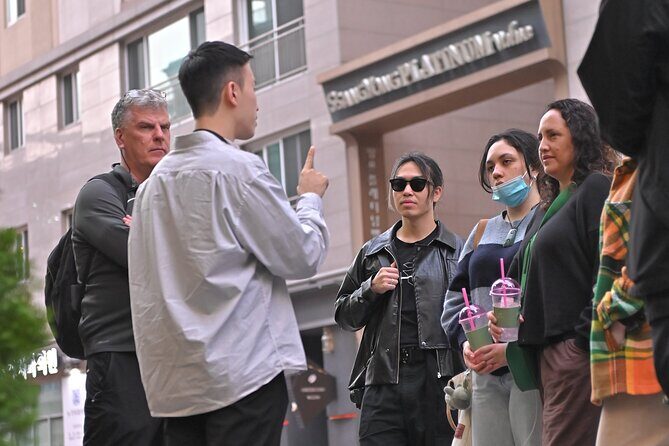
The price is $31.98 per person, and for a 2.5-hour small-group walking tour, it’s a fair deal if you care about understanding social context instead of just collecting landmarks.
Here’s what you’re paying for:
- A guide who uses Gangnam spots to explain youth culture, including beauty expectations and education pressure.
- A group capped at 15 people, which helps Q&A actually happen.
- Mobile ticket convenience.
- Gratuities included, so you don’t have to hunt for cash right before you start.
Also, multiple stops are listed with free admission, which keeps the tour from turning into a pay-more-and-wait-around day.
What’s not included: transportation (1800 won) for one subway segment during the tour. That’s a normal local cost, but it’s still money. Plan for it so you don’t get surprised.
If you’re the type who reads posters, listens to street stories, and wants cultural meaning rather than “check-the-box” sightseeing, this price makes sense. If you prefer lighter, purely scenic walks, you may feel the content is heavier than you want.
Walking style, timing, and your day plan
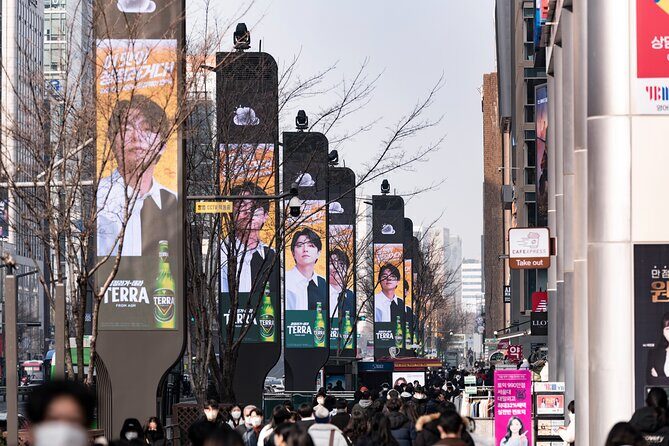
You’re looking at about 2 hours 30 minutes of walking and explanation. The tour starts at 10:30 am at 820-10 Yeoksam-dong, Gangnam District, Seoul, and finishes at the Han River area near Apgujeong Station Exit 4.
In practice, this means:
- Wear shoes you can walk in for real.
- Bring water, since Gangnam’s streets can keep you moving.
- Expect pauses for discussion. This tour isn’t just “walk, stop, photo, move on.” It’s a slow street read.
One more thing: the tour uses a mobile ticket, and it’s designed to connect you to the local setting quickly. If the weather turns, the experience says it requires good weather—in rainy conditions, the guide may adjust. That matters because Gangnam covers a lot of pavement time, and you don’t want to be soaked without a plan.
Who this Gangnam Youth and Society tour is best for
This tour fits best if you:
- Want a Serious-but-clear explanation of modern Korean youth life.
- Like walking tours that connect place to idea.
- Want to hear topics like beauty industry pressures, cram schooling culture, dating norms, and how the city relates to mental health concerns.
- Appreciate small groups (max 15) and the chance to ask questions.
It may be less ideal if you:
- Only want classic tourist sites.
- Want a mainly visual experience with minimal discussion.
- Have limited mobility or need minimal walking time.
A useful detail from how guides are described: whether it’s Jessica or June, the storytelling style seems to work across age ranges. Still, the route is walking-first, and you’ll feel it.
The biggest strengths: why people consistently recommend it
This is one of those tours that earns trust because the guide’s role feels real, not scripted. The most praised parts are consistent:
- The guide stays organized and on schedule, so you don’t feel yanked around.
- The explanations are detailed and grounded in specific places in Gangnam.
- The tone is honest about the pressures young people face, without turning it into pure gloom.
- Q&A and personal questions show up naturally along the way.
- The content covers both the social “highs” and the harder “shadows,” which helps you leave with a more balanced view of Seoul.
There’s also a practical strength: the pacing seems to work even when the weather isn’t perfect. One key theme is that the guide adjusts without dropping the important concepts.
If you like learning through neighborhoods (not museums), this tour does that in a focused way.
Should you book this Gangnam Youth and Society walk?
Book it if your goal is to understand Seoul as a lived place, not just a photo map. I’d especially recommend it if you’re curious about youth pressure, beauty expectations, and education culture—and you want those ideas tied to actual streets in Gangnam.
Skip it if you’re seeking an easy, light morning walk focused on iconic sightseeing. This is a thoughtful, sometimes heavy tour. It’s still approachable, but it’s not designed to keep things surface-level.
If you decide to go, I’d choose it for mornings at 10:30 am, show up with comfortable shoes, and come ready to ask questions. You’ll get more out of it when you treat Gangnam like a story you’re reading, one block at a time.
FAQ
How long is the Gangnam Walking Tour on Youth and Society?
It runs for about 2 hours 30 minutes (approx.).
What’s the group size?
The tour has a maximum of 15 travelers.
How much does it cost?
The price is $31.98 per person.
Where do I meet the guide, and where does the tour end?
You meet at 820-10 Yeoksam-dong, Gangnam District, Seoul and the tour ends near Apgujeong Station Exit 4 by the Han River Park.
What time does the tour start?
The start time is 10:30 am.
Is the tour ticket mobile?
Yes, it includes a mobile ticket.
What transportation is included?
One subway ride is included during the tour, but you should budget 1800 won since transportation is not included.
Are there any admission fees at the stops?
The listed admission for each stop is free.
What’s included in the price?
Gratuities are included.
What happens if the weather is bad?
The experience requires good weather. If it’s canceled due to poor weather, you’ll be offered a different date or a full refund.
Can I cancel for a refund?
Yes. You can cancel up to 24 hours in advance for a full refund. If you cancel less than 24 hours before the start time, the amount paid is not refunded.