REVIEW · SEOUL
Seoul: DMZ Guided Tour with Suspension Bridge and Gondola
Book on GetYourGuide →Operated by Korea Time Tour · Bookable on GetYourGuide
The DMZ turns a tour into a reality check. A guided day trip from Seoul to the world’s most militarized border takes you to Dora Observatory and then into the engineering of the 3rd Tunnel. I love how the stops connect into one clear story, so you’re not just collecting sites. I also like the built-in options for closer views across the river or over the mountains. One thing to plan for: it’s a long day, and the Third Tunnel can be physically demanding.
For about $48 per person, you’re getting round-trip transfers from central Seoul, DMZ entry, and a live English guide packed into a 7–9 hour outing. The day runs on tight timing because DMZ access is controlled, so “on time” really means early. And while the experience is serious, the guide style can keep it human—Roy and Patrick, for example, are repeatedly praised for keeping energy up and explanations clear.
This is the kind of tour where you’ll notice details you’d normally skip: the sheer scale of tunnels, the line-of-sight from observation points, and how Dorasan Station represents the idea of reunification. If you want a low-effort sightseeing loop, pick something else. If you want a grounded look at how history lives in the landscape and rules of the place, this is a strong choice.
In This Review
- Key highlights to know before you go
- Why the DMZ feels different from any other day trip
- Price and what $48 actually covers (and what it doesn’t)
- Pickup timing: why you should aim earlier than you think
- Gamaksan Suspension Bridge: the 150m swing with mountain views
- Imjingak and the river-side mood before you look north
- Gondola over the Imjingang River (the closer-view add-on)
- Visitor center + the 3rd Tunnel of Aggression: scale, steepness, and tight space
- Dora Observatory: the clearest day is the best day
- Unification Village shopping and Dorasan Station’s symbolism
- Monday differences: the swap to 2nd Tunnel and the Peace Observatory
- Guides and group feel: Roy, Patrick, Sean Kim, Ki, April, and more
- Staying comfortable through a serious day
- Should you book this DMZ guided tour with suspension bridge and gondola?
- FAQ
- How long is the DMZ tour?
- What is included in the tour price?
- Do I need a passport?
- Is food included?
- Is the gondola ride available on Mondays?
- Can I do the gondola and the defector meeting on the same day?
- Is the 3rd Tunnel suitable for everyone?
Key highlights to know before you go
- Dora Observatory with a clear-day chance to look into North Korea
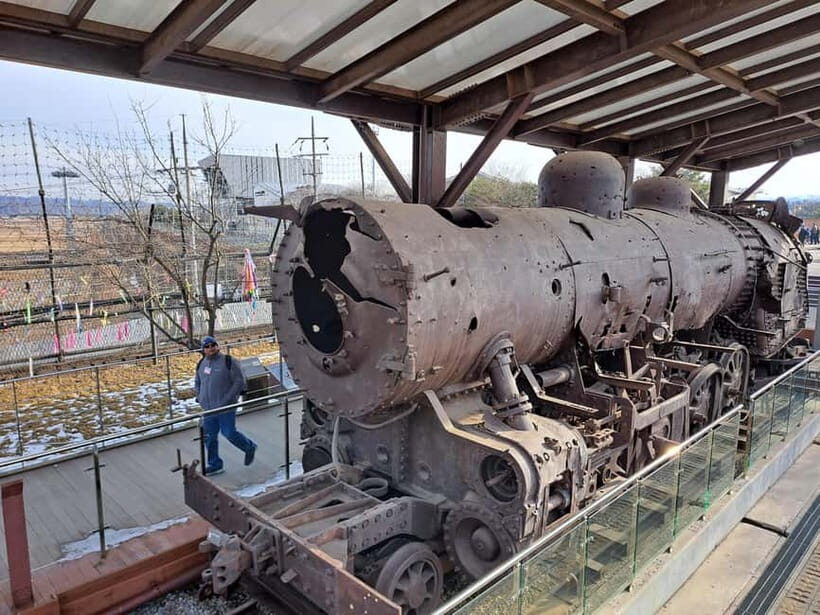
- 3rd Tunnel of Aggression, including the scale and the real hiking/space reality
- Imjingang River gondola option for a closer look across the water (not Mondays)
- Gamaksan Suspension Bridge for 150m of swinging views and mountain scenery
- Dorasan Station as the symbolic end of the South Korean rail line (often with closures affecting access)
- Guide-led pacing that gets you to everything, with plenty of photo and timing help from guides like Roy, Patrick, Sean Kim, Ki, and April
Why the DMZ feels different from any other day trip
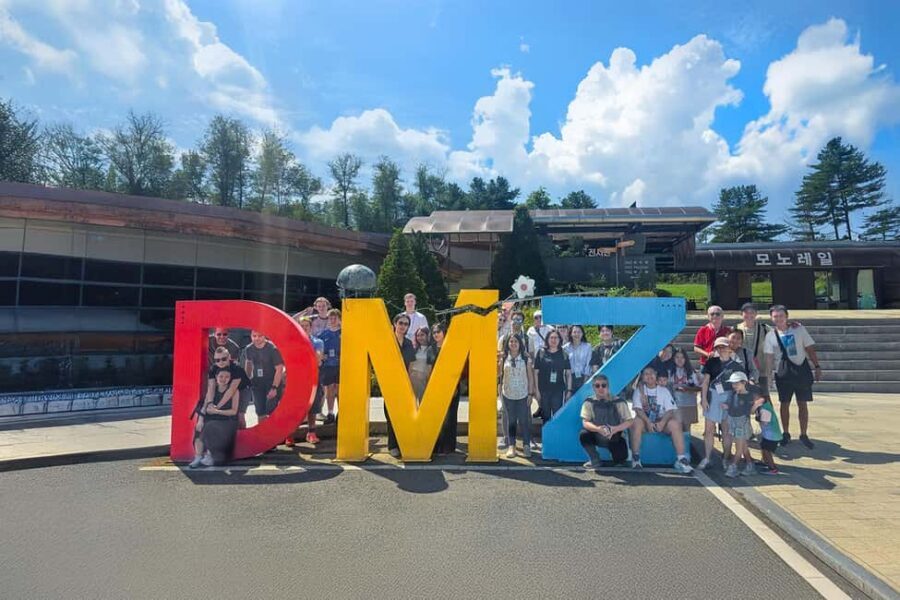
The DMZ is not a museum in the normal sense. It’s a controlled buffer zone where access, timing, and routes are managed under strict rules, and that changes the mood instantly. You’re not just hearing about separation—you’re standing in the geography and systems that keep it in place.
What makes this tour compelling is the sequence. You start with a view point that frames the modern political reality, then you move to the tunnel that shows how war planning worked at ground level. That contrast helps you understand why people treat these sites with care and why the day can feel emotionally charged even when the guide cracks a joke.
You can also read our reviews of more guided tours in Seoul


Price and what $48 actually covers (and what it doesn’t)
At $48 per person for this DMZ day, the value is largely about what you’re not doing yourself. You’re paying for transportation from Seoul, DMZ entry permissions, and a professional English-speaking guide who manages the day’s tempo and rules.
Food is not included, so you’ll want to budget for meals and snacks at stops along the route. The good news is that there are usually places to eat around the major stops, so you’re not stuck hunting for something once you’re hungry.
Also remember: add-ons matter. The gondola option and the suspension bridge option can change what you see and how close the views feel, so think of this as a base tour plus optional “extra sights” rather than a single fixed product.
Pickup timing: why you should aim earlier than you think
DMZ access runs on controlled schedules, so the day is tightly organized around drive times between sites. Your pickup location depends on what you book, and you should wait in the lobby about 10 minutes early.
The practical tip here is simple: you cannot rely on a leisurely morning. Guides repeatedly emphasize that everything needs to run on time, and the most common way to stress yourself out is to arrive at the pickup point right at the scheduled time.
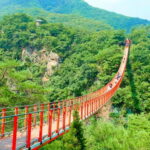
Gamaksan Suspension Bridge: the 150m swing with mountain views
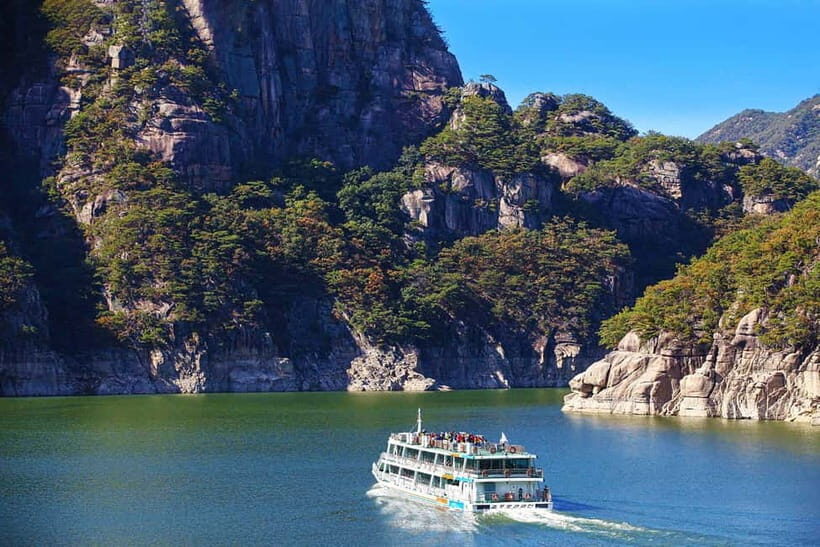
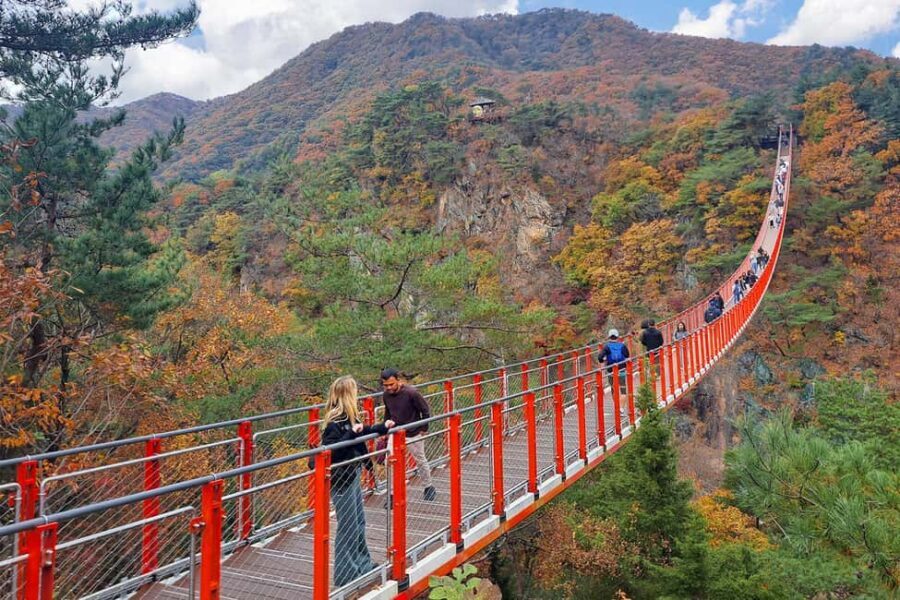
If you choose the suspension bridge option, you’ll stop at Gamaksan Suspension Bridge. This is a short visit (about 30 minutes), and it’s timed like a reset between bigger, heavier sites.
The bridge is 150m long and it swings. That makes it fun, not just scenic, but it also means comfortable shoes matter. If your feet or ankles are touchy, wear sneakers you trust and keep your balance slow and steady.
This stop also works as a mental breather. You’ll go from strict borders and controlled buildings to open air and wide views, then head back into the day’s more serious themes.
Imjingak and the river-side mood before you look north
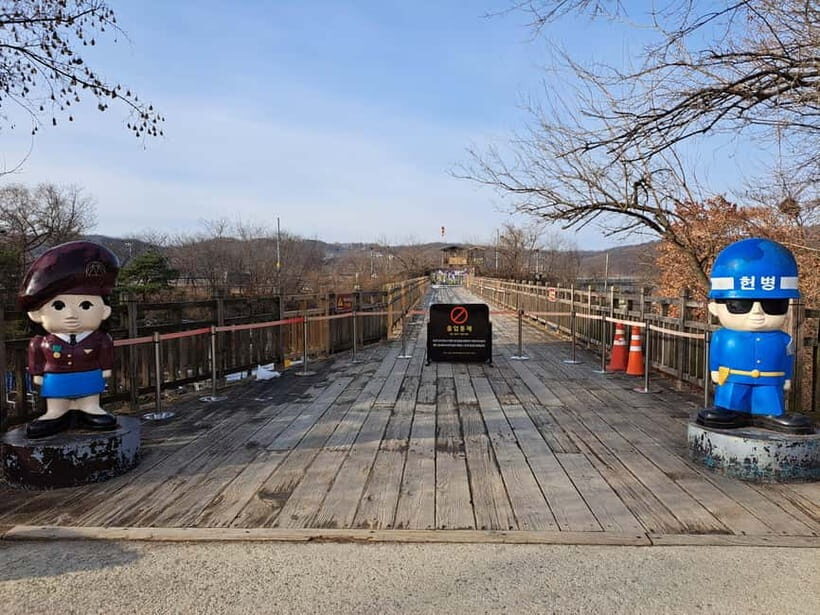
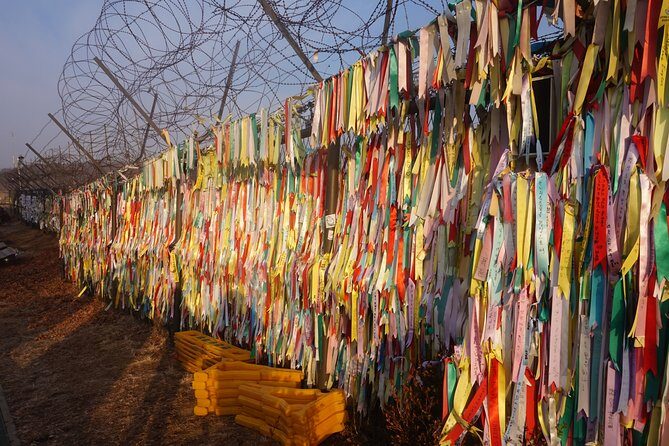
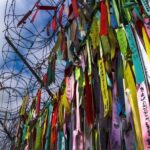
Next up is Imjingak, a key area that helps you understand how people on the South Korean side process separation and war legacy. It’s one of the points where the DMZ day shifts from geography lessons to human stories and national memory.
From here, you can also choose your “closer look” style.

Gondola over the Imjingang River (the closer-view add-on)
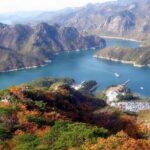
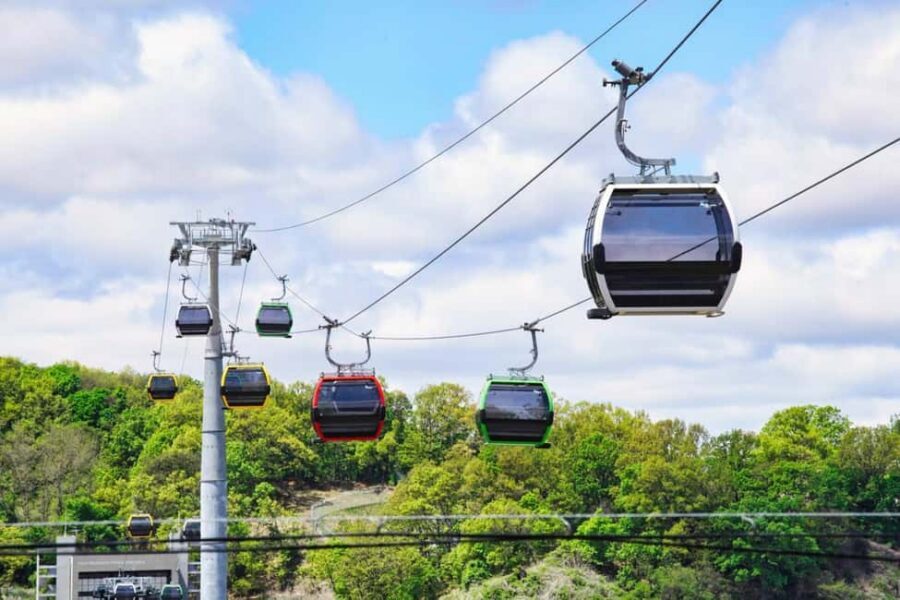
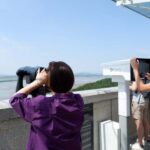
The gondola add-on runs over the Imjingang River and gives you a more direct look toward North Korea compared with staying only at ground-level observation points. It’s about a self-guided hour on site.
Two important limits:
- The gondola add-on is unavailable on Mondays.
- If you pick the gondola, you can’t also pick the North Korean defector meeting on the same day.
If you’re trying to maximize what you can see across the border, gondola is usually the most straightforward way to get a different angle without changing the overall tour structure.
Visitor center + the 3rd Tunnel of Aggression: scale, steepness, and tight space
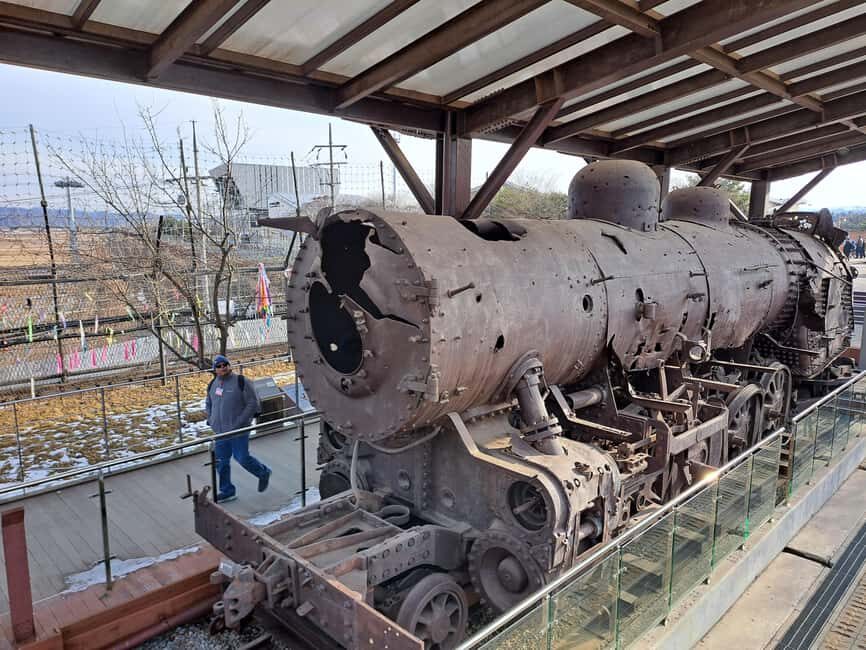
The highlight that people talk about most is the 3rd Tunnel of Aggression. It’s about 1,635m long, roughly 2m wide, and 2m high. The numbers matter, because this wasn’t some small spy passage—it was designed for moving large forces, with estimates saying it could move 30,000 soldiers per hour.
Your visit includes a guided tour (about an hour) after a visitor center stop. The tunnel is also described as requiring intermediate-level hiking, and that’s a big deal for planning. You’ll be dealing with inclines and changes in tightness, and you may feel claustrophobic even if you consider yourself “mostly fine.”
Before you commit to going inside, be honest about your limits:
- If you’re claustrophobic, this is the section most likely to get uncomfortable.
- If you have heart problems or low fitness, don’t push it.
- You can stay outside if you don’t think you can handle the conditions.
One more practical note: wear proper footwear. People don’t come out of the tunnel thinking about fashion. They come out thinking about grip, breath, and pacing.
Dora Observatory: the clearest day is the best day
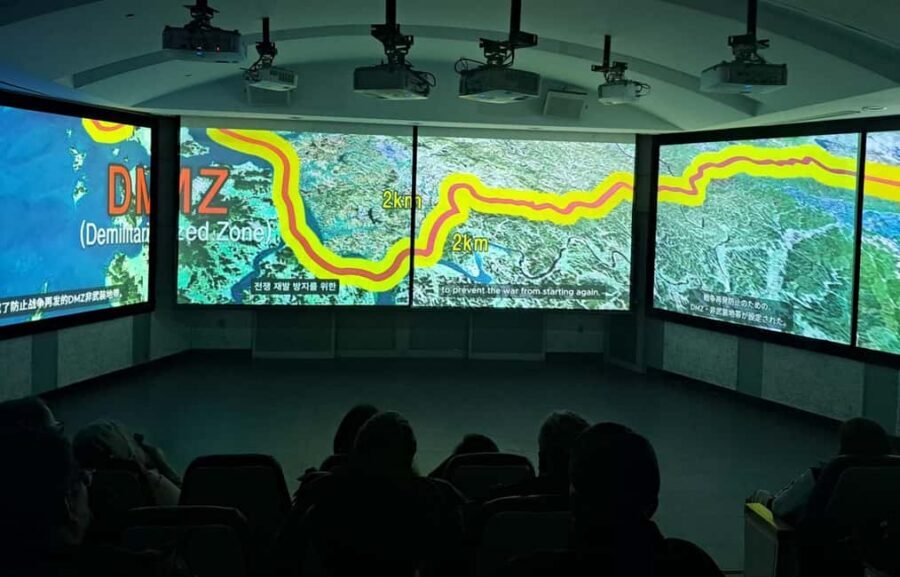
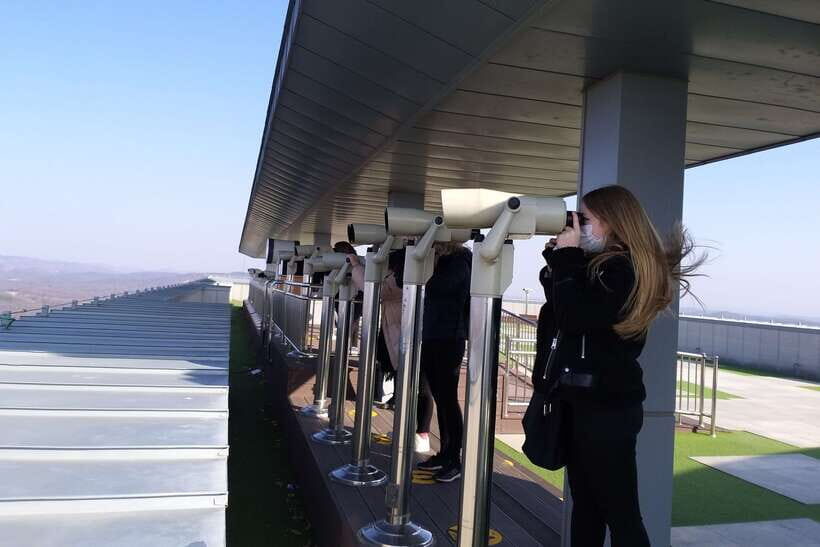
Dora Observatory is where the tour turns into pure line-of-sight. On a clear day, you can gaze toward North Korea, and the view is framed in guided context so it doesn’t feel like a random staring contest.
This stop is guided for about 50 minutes. If Dora Observatory is closed on your day, your tour replaces it with another site—so don’t panic if you hear the word closed. The route can change based on conditions outside the operator’s control.
Guides also help with practical viewing. Some groups report help with binocular viewing at the observatory, which is a nice upgrade if you want your photos to be more than just “I was there” shots.
Unification Village shopping and Dorasan Station’s symbolism
After the major DMZ sites, the day ends with Unification Village and a shopping stop (about 40 minutes). This is where you can pick up souvenirs tied to the theme of division and reunification, and it’s also a chance to slow down and reorient after the earlier intensity.
The tour also references Dorasan Station as the last stop in South Korea, with Pyeongyang Station about 205km away. If you’re hoping to see trains running, don’t count on it—Dorasan Station can be closed, and the day’s official access rules decide what’s possible.
Still, the point of Dorasan isn’t just transit—it’s symbolism. The fact that it exists as an end point for the rail line is one reason this day can feel hopeful even when it’s tense.
Monday differences: the swap to 2nd Tunnel and the Peace Observatory
DMZ rules shift by day, and Mondays follow a different route. On Mondays, the gondola and meeting a North Korean defector are unavailable.
Every Monday, the tour visits the 2nd tunnel, the Peace Observatory, and the northern most train station in the DMZ. So if you want the gondola specifically, avoid Mondays. If you want the tunnel experience, Mondays still deliver, just with different sites.
Guides and group feel: Roy, Patrick, Sean Kim, Ki, April, and more
A DMZ day lives or dies by pacing. You’re traveling between controlled access points, and there’s not much room for wandering off or losing track of rules.
This is where the best guides shine. Roy is repeatedly praised for keeping the day fun with jokes while staying informative and organized. Patrick is highlighted for smooth running and being patient with questions. Sean Kim is described as energetic, giving clear instructions and photo help. Ki is noted for pushing people gently when they’re unsure about the 3rd Tunnel and for making the day feel safe. April shows up in feedback as strongly communicative and accommodating for different needs.
One more real-world factor: your group size can change. Some people end up merged into a bigger crowd depending on how the DMZ day schedules groups, so your experience might be calmer or busier than you expect—but the guides tend to work hard to keep the timeline on track.
Staying comfortable through a serious day
You’re walking more than you think. Even if you’re not going deep into the tunnel, you’ll handle inclines, waiting lines, and multiple stops with limited time.
Pack like you’re doing a long hike:
- Comfortable shoes are non-negotiable.
- Bring your passport (and make sure it’s valid for at least 6 months).
- Wear clothing you can move in if the weather changes, since weather can also drive last-minute route substitutions.
Food and water are on you. The day is long enough that you’ll want to plan your snacks and meal timing rather than assuming you’ll find a perfect sit-down lunch.
Should you book this DMZ guided tour with suspension bridge and gondola?
Book it if you want more than photos of a border. This tour is strongest when you care about how war strategy, politics, and geography intersect—and you’re okay with a structured, sometimes physically demanding day.
It’s especially worth it if:
- You’re interested in DMZ history through specific sites like Dora Observatory and the 3rd Tunnel.
- You want a closer look option. The gondola over the Imjingang River is a smart add-on if it’s available on your day.
- You enjoy clear guidance. The guide experience is a major part of why this tour gets such consistently high marks.
Skip or rethink it if:
- Claustrophobia is a concern. The 3rd Tunnel is the risky section.
- You have heart issues or low fitness. The tunnel and inclines are not designed for “easy mode.”
- You want lots of free time. This day is run like a schedule, not a wander-at-will day.
If you’re the right fit, this is one of those once-per-trip experiences that makes the Korean Peninsula feel real—fast. You won’t leave with a vague sense of history. You’ll leave with a strong sense of how the border works, why it matters, and what reunification means when it’s measured in stations and tunnels.
FAQ
How long is the DMZ tour?
The duration is listed as 7 to 9 hours.
What is included in the tour price?
The tour includes transfers from Seoul, a professional English guide, DMZ entry tickets, and suspension bridge and gondola options if you select them. It also includes hotel pickup and drop-off for the private option, plus a North Korean defector session if you choose an option that includes it.
Do I need a passport?
Yes. You must bring a passport for everyone joining the tour, including infants, and it must be valid for at least 6 months.
Is food included?
No. Food and drinks are not included.
Is the gondola ride available on Mondays?
No. Gondola and the North Korean defector meeting are both unavailable on Mondays.
Can I do the gondola and the defector meeting on the same day?
No. Between the gondola add-on and meeting a defector, you can only do one.
Is the 3rd Tunnel suitable for everyone?
No. It is not suitable for people with claustrophobia or heart problems or those with low fitness. The 3rd Tunnel requires intermediate-level hiking, and you can stay outside if you don’t think you can handle it.