Night Seoul turns history into a live show. I especially love the city-light payoff as you walk up toward Hanyang City Wall, plus the way the guide stitches together real Korean daily life topics at places like Seoul National University. One thing to think about: this is a mostly uphill route with stairs, so plan your footwear well and know it may not work for people with mobility limits.
This 2-hour SeoulDude walk is built for English speakers who want more than photo stops. You meet at Hyehwa Station exit 2, then you’ll hop through several very different neighborhoods—campus life, a park with dragon lore, mural lanes, and finally a long stretch of wall views where the night sky feels close.
In This Review
- Key points before you go
- Why This Night Walk Feels Like Seoul, Not a Checklist
- Meeting at Hyehwa Station Exit 2: What to Wear and How to Prep
- Seoul National University After Dark: Student Life Behind the Campus Gates
- Naksan Park and the Art of the Naksan Dragon: How Seoul’s City Story Fits
- Ehwa Mural Village and Maronie Park: Hill Streets, Walls of Art, Better Photos
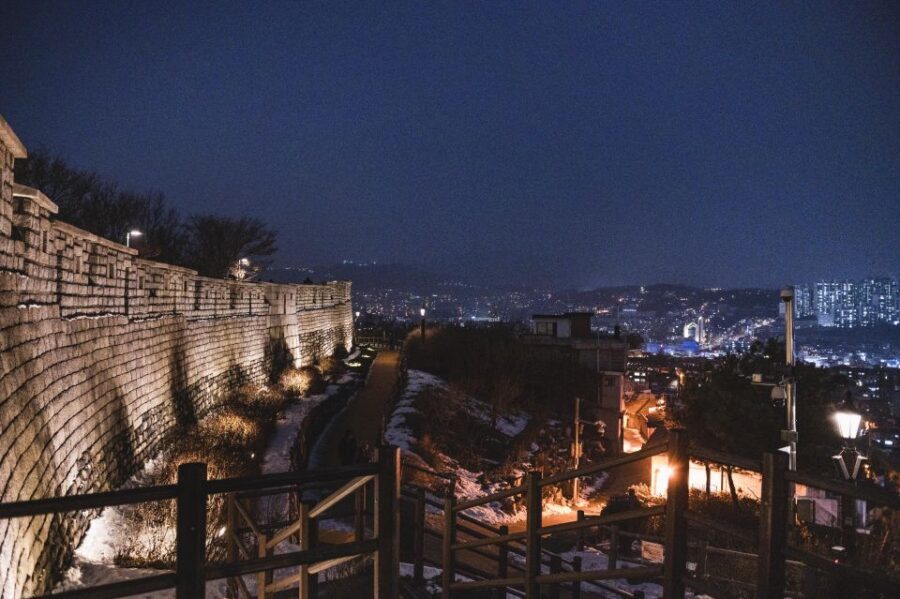
- Hanyang City Wall at Night: The “Lights Coming On” Moment
- How the Guide Makes Korean Society Feel Understandable
- Price and Value: Why $33 Can Make Sense for 2 Hours
- Who This Tour Fits Best (And Who Should Sit This One Out)
- Practical Tips for a Better Night on the Wall
- Should You Book This SeoulDude Night Walk?
- FAQ
- Where do I meet the guide for the tour?
- How long is the Seoul night walk?
- Is the tour guide available in English?
- What’s included during winter?
- Is the walk mostly uphill?
- Can people with mobility impairments join?
- What age limits should I consider?
- Are high-heeled shoes allowed?
- Is the booking flexible if my plans change?
- Which company runs the tour?
Key points before you go
- Hyehwa Station exit 2 start: easy to find, guides waiting outside exit 2
- Seoul National University by night: campus culture stories with a different angle
- Naksan Park and dragon art: location clues for how Seoul became the capital
- Ehwa mural village plus Maronie Park: photo-friendly walls and hill-street atmosphere
- Hanyang City Wall at night: lights “turn on” as you climb toward the best views
- Winter hot packs: small comfort for cold evenings, plus frequent breaks
Why This Night Walk Feels Like Seoul, Not a Checklist
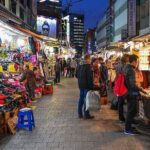
Seoul at night has a second personality. The big tourist zones get louder, while older corners get quieter—and that’s where this walk pays off. You’re not just moving from landmark to landmark. You’re learning how people live, study, and spend evenings in the same places you’re standing.
I like the structure: the route mixes campus culture, hill parks, street art alleys, and a proper city wall viewpoint. That variety matters because it changes what you notice as you walk. One hour you’re thinking about student life; the next, you’re looking out over Seoul as the lights gather.
The other strong point is pacing. The tour is designed with breaks at stops, so the evening doesn’t turn into nonstop climbing. Still, you should treat it as a hill walk. If you know your knees or ankles hate stairs, you’ll want to take that seriously.
You can also read our reviews of more walking tours in Seoul
Meeting at Hyehwa Station Exit 2: What to Wear and How to Prep
Your starting point is Hyehwa station, exit 2, and the guide waits outside that exit. This is the kind of meeting spot that saves time. You’ll spend less energy figuring out where to go and more energy soaking in the first neighborhood mood.
Dress for walking on uneven sidewalks and steps. High-heeled shoes are not allowed, so go for shoes with grip. In winter, the tour includes hot packs, which is a nice touch if you tend to get cold easily.
Also, bring the right mindset. This isn’t a sit-and-watch tour. Even with breaks, you’re going to be on foot for the full 2 hours, and you’ll spend part of it climbing upward.
Seoul National University After Dark: Student Life Behind the Campus Gates
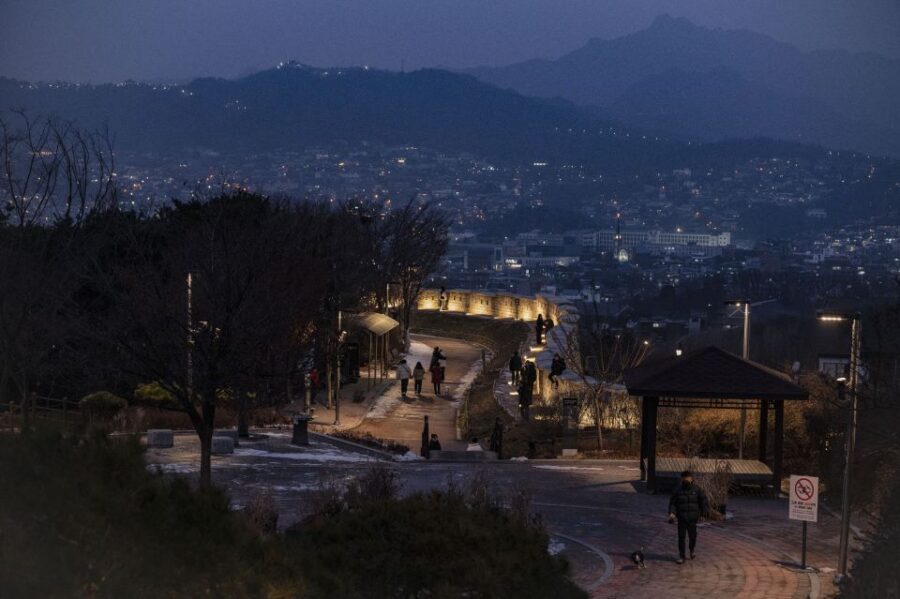
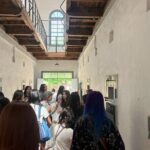
One stop that stands out is Seoul National University. The point isn’t just seeing a famous campus. It’s understanding what campus culture looks like in Korea, from how students move through daily life to the bigger social rhythm around education.
At night, SNU feels more open and atmospheric than daytime photos suggest. You’ll likely notice how the campus and surrounding areas support routines—study days, evenings out, and the way student neighborhoods feed city energy.
This is also where the tour’s culture lessons start to click. Instead of reciting dates, the guide connects the dots between education and how people think and act. If you’re the type who likes practical context—why things work the way they do—this part hits.
Naksan Park and the Art of the Naksan Dragon: How Seoul’s City Story Fits
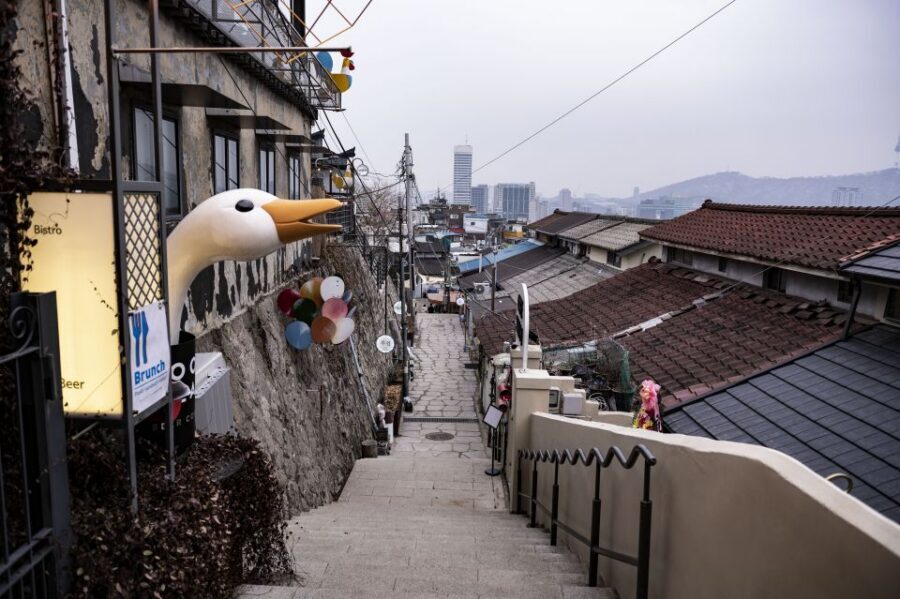
Next you’ll move through Naksan Park area, including a stop tied to the Art of Naksan dragon. This is one of those stories that makes Seoul feel planned rather than accidental.
The tour frames it as a way to understand where Seoul’s capital location makes sense. You’re not just learning folklore for fun. You’re picking up a local way of reading the city—how geography, tradition, and meaning often get tied together in Seoul’s older layers.
Night helps here. Parks and small paths can feel cinematic after dark, and the dragon concept gives your walk a theme. Even when you’re just passing a viewpoint or a street edge, you’ll have a reason to look closely.
Ehwa Mural Village and Maronie Park: Hill Streets, Walls of Art, Better Photos
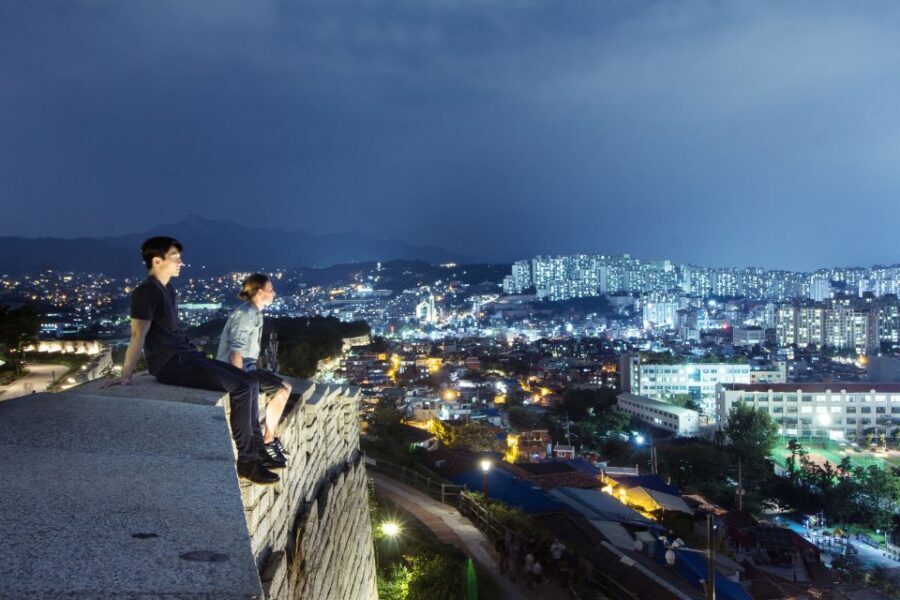
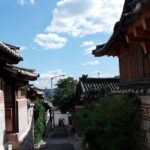
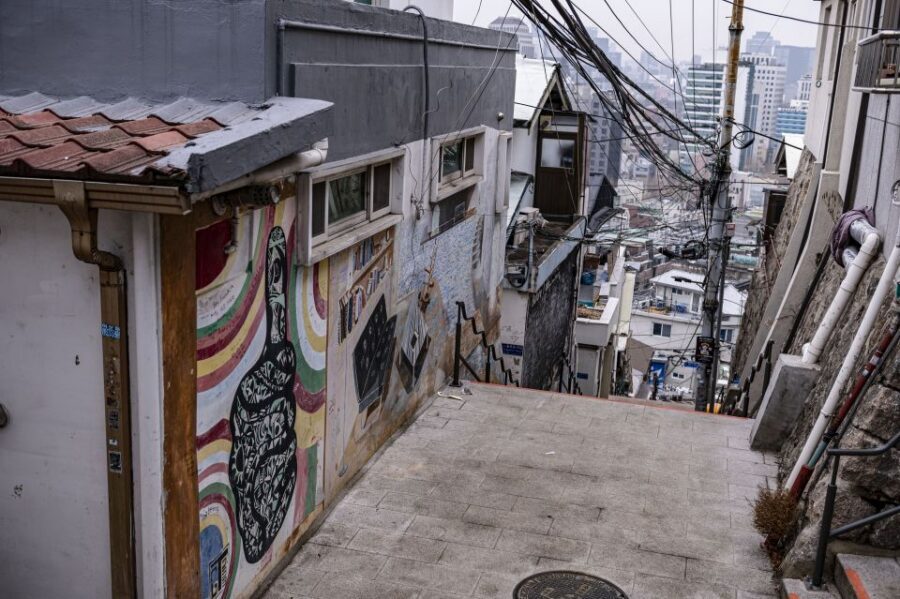
Ehwa mural village is exactly the kind of place that rewards slow walking. The walls bring color, the lanes feel lived-in, and the hill setting makes it easy to line up photos without fighting big crowds on every corner.
You’ll also hit Maronie Park. Together, these stops give you two different kinds of “old-meets-new” atmosphere. Mural streets feel casual and creative; a park stop feels more like a breath and a chance to reset before the big viewpoint climb.
The tour’s value here is the context. Street art isn’t treated like decoration only. You get stories that help you read the neighborhood vibe—why it looks the way it does, and how people treat these spaces as part of everyday Seoul. That’s how a mural village becomes more than a selfie stop.
One practical tip: if you care about photos, take your time at the mural walls, but also listen for the guide’s timing cues. Night photos can be tricky, and you’ll get better results when you follow the suggested angles and stop durations.

Hanyang City Wall at Night: The “Lights Coming On” Moment
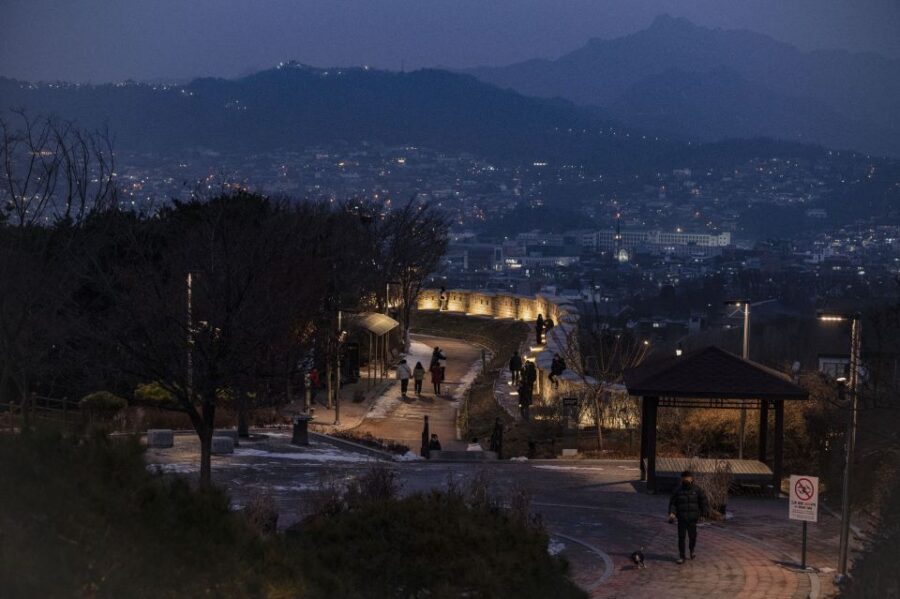
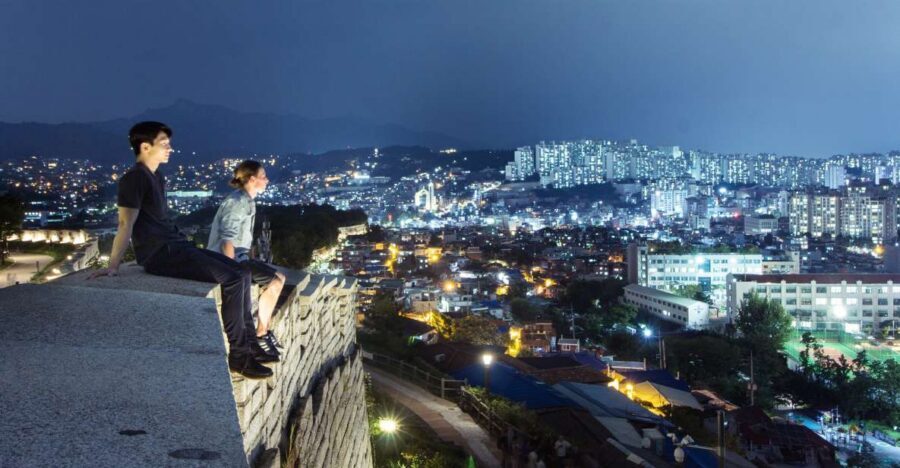
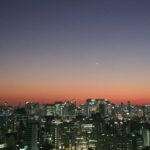
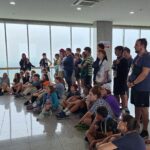
The walk’s big payoff is Hanyang City Wall. This is where the evening turns into a viewpoint experience. As you climb higher, the night skyline sharpens, and the city lights start to feel like they’re spilling out over the wall.
The tour description even hints at the kind of fan attention this area gets. It’s a well-known night-view section that people connect with Korean pop culture storylines. Even if you don’t care about that side of things, the real draw is the view.
A city wall at night does something special. It creates depth. You’re elevated above streets, so you see layers—neighborhood lights, darker gaps, and the brighter corridors that pull your eyes across Seoul.
This segment also explains why the walk has a fitness note. The higher you go, the more stairs and uphill path you’ll meet. The tour is paced with breaks, but you’ll still want solid shoes and a steady rhythm.
How the Guide Makes Korean Society Feel Understandable
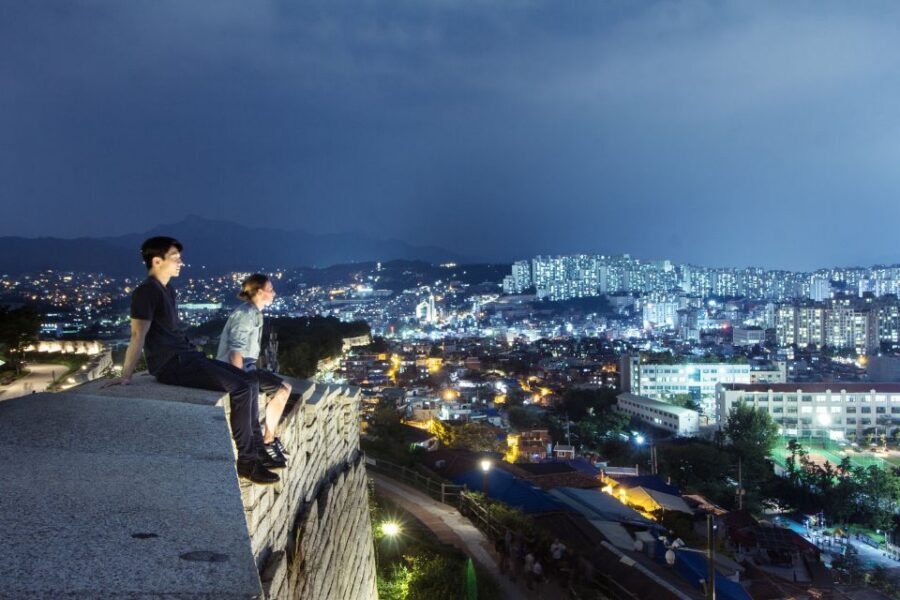
This tour isn’t only geography. It’s social context, delivered in story form. That’s what people love most: the feeling that Seoul is explainable, not just seen.
You’ll hear about Korean students and education culture through the SNU stop. You’ll get neighborhood stories around the mural areas. And at the wall, the guide ties in why these places matter in the larger sense of how the city evolved and how people relate to that past.
I also like the way the guide handles questions. In the standout guide feedback, you’ll see a common thread: guides like Leah, Jessica, Ethan, Jun, and Smin (and others) are described as helpful and ready for curiosity. If you go with questions—about work culture, daily life, or why neighborhoods feel different—you’re set up for a better evening.
There’s also support for hearing clearly. Some guides use microphone systems with personal receivers, which is a big deal in night air when sound can travel differently. If you tend to miss small details in group tours, this audio setup is a quiet advantage.
Price and Value: Why $33 Can Make Sense for 2 Hours
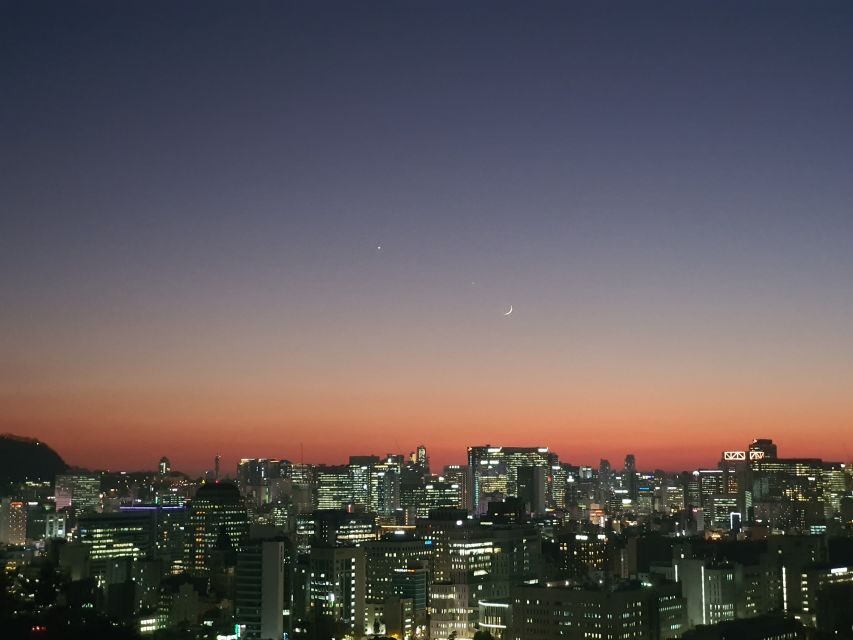
At $33 per person for a 2-hour group walk, the value depends on what you want out of Seoul. If you’re trying to see four areas (campus, park/dragon lore, mural lanes, and city wall viewpoints) with context, this is a cost-effective way to avoid bouncing between spots on your own without a plan.
You also get small included comfort in winter via hot packs, which matters more than it sounds. Cold evenings make people rush. Hot packs and breaks help you stay in the moment, so you actually enjoy the views instead of just enduring them.
Then there’s the guide factor. You’re paying for explanation and pacing, not just movement. The high rating you see consistently ties back to guide quality: humor, clarity, and the ability to answer questions without turning the evening into a lecture.
If you’re the kind of traveler who wants to wander independently, you might decide you can do parts on your own. But if you want the city to make sense quickly, $33 for two focused hours is a fair trade.
Who This Tour Fits Best (And Who Should Sit This One Out)
This works best for you if:
- you’re comfortable walking and don’t mind stairs on an evening route
- you want night views plus culture stories, not just photos
- you like guided context that connects education, neighborhoods, and city history
It may not be a fit if you:
- have mobility impairments (the tour notes this clearly)
- are over 70 (the tour says it isn’t suitable)
- have a walking issue that could make uphill and steps hard, even with breaks
Winter weather matters too. Even with breaks and hot packs, cold air plus uphill effort can be a tough combo. Go with a realistic fitness level and you’ll have a much better time.
Also remember the rule on footwear: no high-heeled shoes. That one is simple, but it affects comfort and safety during steps.
Practical Tips for a Better Night on the Wall
A great night walk isn’t luck. It’s small choices.
Wear shoes you’d trust on stairs and slightly uneven paths. If you bring light layers, you can adjust as you warm up from climbing. Bring a small bag for your phone and water. You’ll likely be stopping often enough that hydration is easy to forget.
When you’re at the city wall viewpoint zone, slow down before you take photos. Night shots often need a steady moment, and the view is better when you pause for the whole scene, not just your frame.
Finally, keep your expectations aligned with the format. It’s a group tour, 2 hours long. You won’t “finish” Seoul by doing this. You’ll finish with a clearer sense of how Korean daily life and local history sit side by side.
Should You Book This SeoulDude Night Walk?
Book it if you want a Seoul evening with real context and strong night views in a short time. The best part is the combination: campus culture at Seoul National University, themed stories around Naksan, mural-and-park atmosphere at Ehwa and Maronie, then the big viewpoint payoff at Hanyang City Wall. For $33 and 2 hours, it’s a smart way to get more meaning out of your limited time.
Skip it if stairs and uphill walking would stress your body too much, or if you fall into the tour’s stated limits for mobility and age. Also skip it if you want a totally flat, easy stroll.
If you do go, you’re signing up for an evening where the city lights don’t just look good—they explain Seoul.
FAQ
Where do I meet the guide for the tour?
You meet at Hyehwa station exit 2. A guide will be waiting outside of exit 2.
How long is the Seoul night walk?
The tour lasts 2 hours.
Is the tour guide available in English?
Yes. The tour includes a live tour guide in English.
What’s included during winter?
The tour includes hot packs for the winter season.
Is the walk mostly uphill?
Yes. The route includes walking up a hill and there are some stairs. The tour says it is an easy walk overall with breaks, but you will still be climbing.
Can people with mobility impairments join?
No. The tour is not suitable for people with mobility impairments, and it also notes that people with walking issues may find it hard to join.
What age limits should I consider?
The tour states it is not suitable for people over 70 years.
Are high-heeled shoes allowed?
No. High-heeled shoes are not allowed.
Is the booking flexible if my plans change?
Yes. You can reserve now & pay later, and you can cancel up to 24 hours in advance for a full refund.
Which company runs the tour?
The experience provider is 서울놈 (SeoulDude).