REVIEW · SEOUL
Seoul: Gyeongbok Palace and Bukchon Hanok Walking Tour
Book on GetYourGuide →Operated by Korea Linx · Bookable on GetYourGuide
Gyeongbokgung in the morning hits different. This 3-hour Seoul walking tour strings together royal ceremony, museum time, and Bukchon’s stair-steppy lanes so you get context fast, not just sights on a map. It also includes practical help for riding Seoul’s public transport and picking up basic local etiquette, which you’ll use again after the tour.
I love two things most. First, the changing ceremony of the royal guards at Gyeongbokgung comes with clear Joseon Dynasty background, so the uniforms and routines make sense in your head. Second, the stop inside the palace at the National Folk Museum of Korea (with over 98,000 artifacts) turns “old objects” into everyday stories about how people lived.
One possible drawback: it’s a lot of walking and standing, with some uphill in Bukchon, and weather can shift the route. If you’re sensitive to cold, bring proper layers like people did during snow and intense winter mornings.
In This Review
- Key things to know before you go
- How the tour flows: City Hall Station to Insadong in 3 hours
- Gyeongbokgung Palace: Joseon ceremony, courtyards, and what to actually watch for
- National Folk Museum of Korea inside the palace: turning artifacts into daily life
- Bukchon Hanok Village and Samcheongdong Alley: where old houses meet modern Seoul
- Public transport tips and local etiquette that stick after the tour
- Small group energy (max 8): why guides like Joe, Stella, and Jay Kim matter
- What to wear and when to expect a slower pace
- Price and value: what $88 buys you in Seoul’s palace-and-hanok maze
- Who this tour suits best
- Should you book this Seoul Gyeongbokgung and Bukchon tour?
- FAQ
- What’s the duration of the Seoul: Gyeongbok Palace and Bukchon Hanok Walking Tour?
- Where do I meet the guide?
- Is the tour entrance ticket included?
- Is the tour guided, and is it in English?
- How many people are in the group?
- What should I bring with me?
- Where does the tour end?
Key things to know before you go
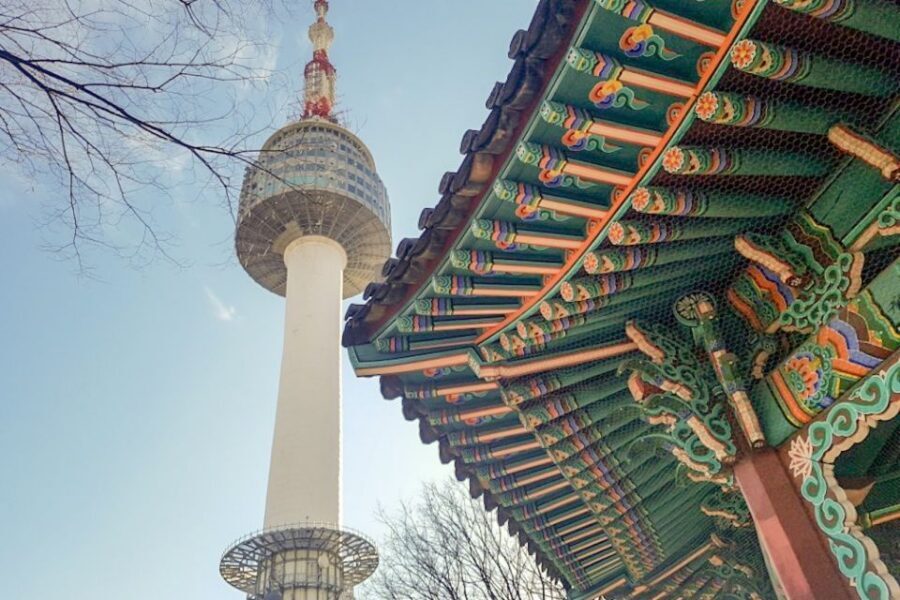
- Changing royal guard ceremony at Gyeongbokgung for that true palace-drama feeling
- National Folk Museum of Korea inside the palace, anchored by practical explanations
- Bukchon Hanok Village + Samcheongdong Alley for the old-houses-meet-modern-city contrast
- Small group limit of 8 keeps questions easy and pacing smoother
- Transit tips for using T-money and getting around so the morning isn’t your only learning moment
- Easy souvenir ending in Insadong where shopping and snack breaks are simple to plan
How the tour flows: City Hall Station to Insadong in 3 hours
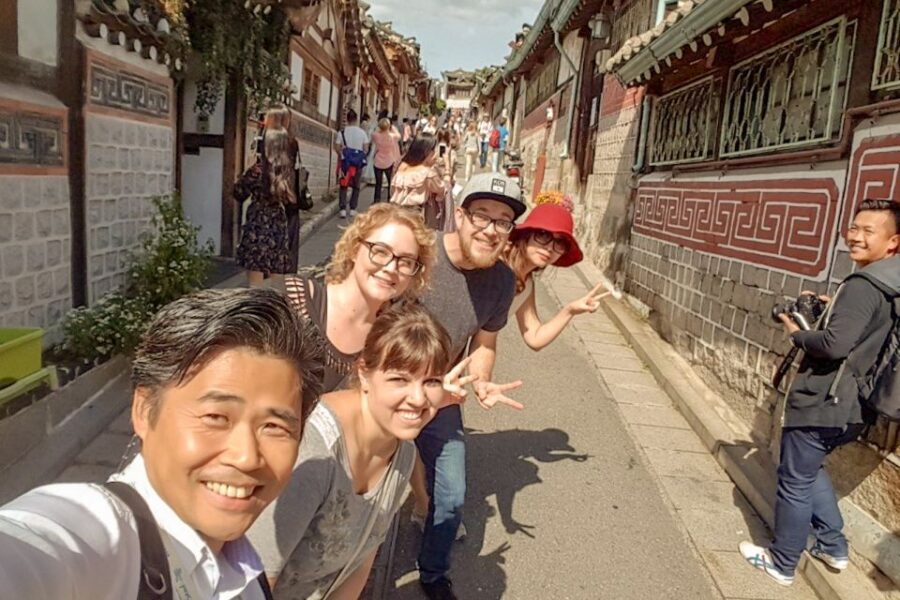
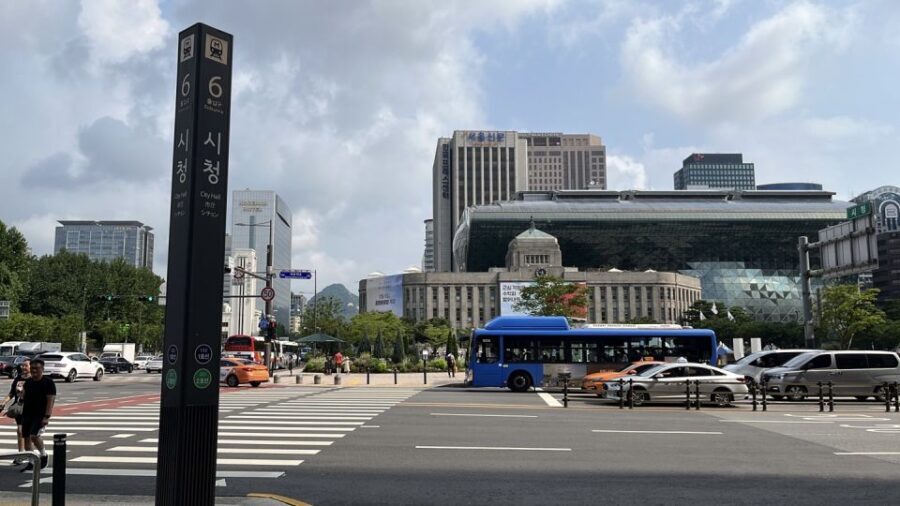
The meeting point is City Hall Station, Exit 6, outside the exit right next to The Plaza hotel. From there, the tour heads on foot toward Gyeongbokgung, which is a nice way to start your Seoul day with the city already moving around you.
The pacing is built for a morning hit list. You’ll spend time in the palace area first, then continue into Bukchon Hanok Village for the traditional-house streets, and finish in Insadong, a convenient place to browse and buy souvenirs without adding extra transit.
Because the itinerary can change with weather and traffic, I’d plan to stay flexible. In winter conditions, guides have handled snow and cold with calm adjustments, so expect a “keep moving, stay safe” approach.
You can also read our reviews of more walking tours in Seoul

Gyeongbokgung Palace: Joseon ceremony, courtyards, and what to actually watch for
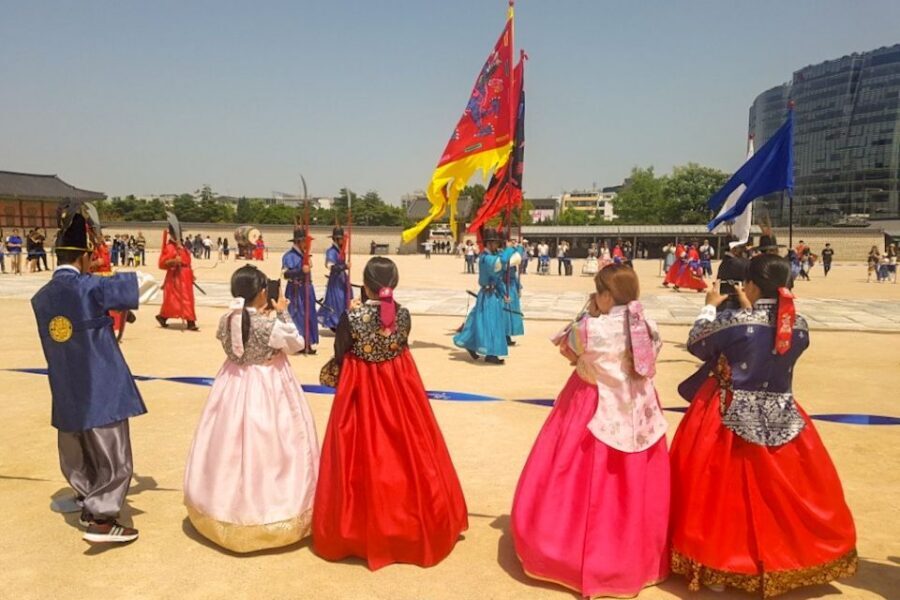
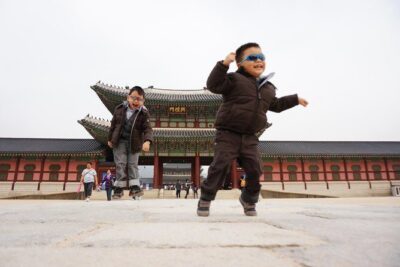
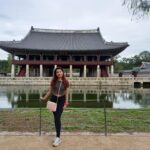
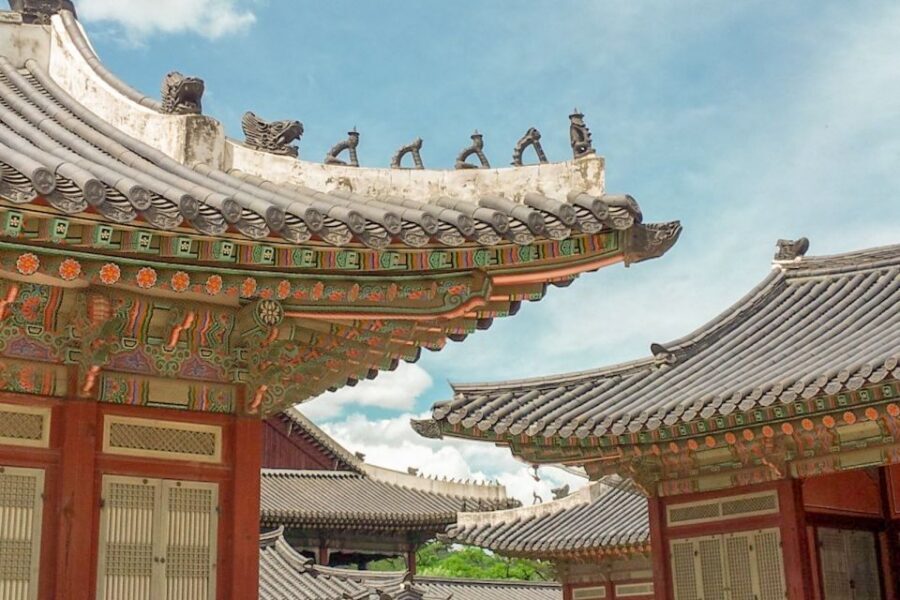
Gyeongbokgung is the anchor of this tour, and it’s not just there for pretty photos. The big moment is the changing ceremony of the royal guards, and the guide’s job is to help you understand what you’re seeing while you stand there.
What makes this stop feel worth your time is the way the history is tied to details you can observe. The palace is tied to the Joseon Dynasty’s story, and the tour focuses on the symbolism and daily meaning behind palace life—so you don’t leave with random facts.
Also, this is the kind of site where it helps to know where to look. Guides point out key elements in the courtyards and along your walking path, and they’ll keep nudging you toward better photo angles rather than letting you wander while trying to read signs.
Practical note: the palace grounds involve walking and standing. If you’re tempted to wear fashion sneakers, don’t. Comfortable shoes make the whole day feel easier.
National Folk Museum of Korea inside the palace: turning artifacts into daily life
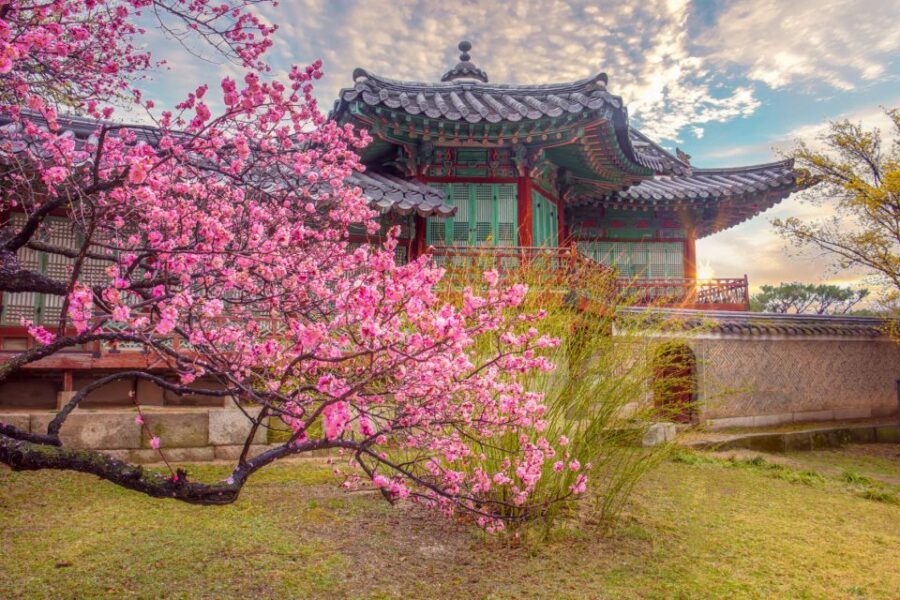
Next up is the National Folk Museum of Korea, located within Gyeongbokgung. The headline number is impressive—over 98,000 artifacts—but the value of this stop is how the guide helps you make sense of what you’re seeing.
Instead of treating the museum like a storage room of things you’ll never fully understand, the tour frames objects around Joseon-era daily life. That’s what makes the time feel efficient, especially on a 3-hour schedule.
You’ll get a clearer sense of what people wore, used, and valued, which then makes the next stop in Bukchon land better. When you walk those hanok streets afterward, you’re not just admiring rooftops—you’re connecting architecture to how life once worked.
If you like museums but get impatient when tours feel too fast, ask the guide a question. Guides on this tour often adjust their explanations to match your curiosity, and that’s where small-group pacing helps.
Bukchon Hanok Village and Samcheongdong Alley: where old houses meet modern Seoul
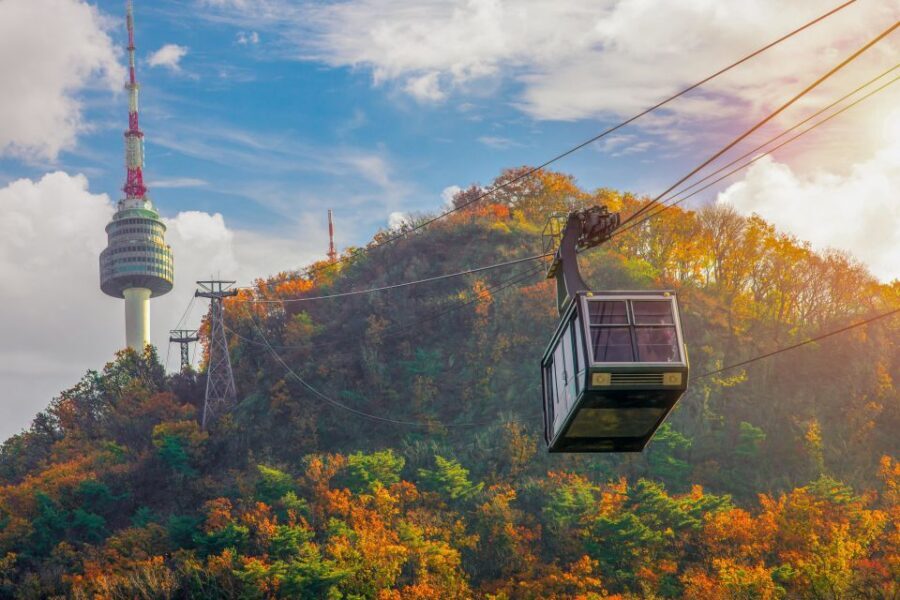
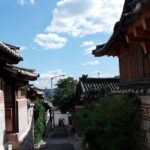
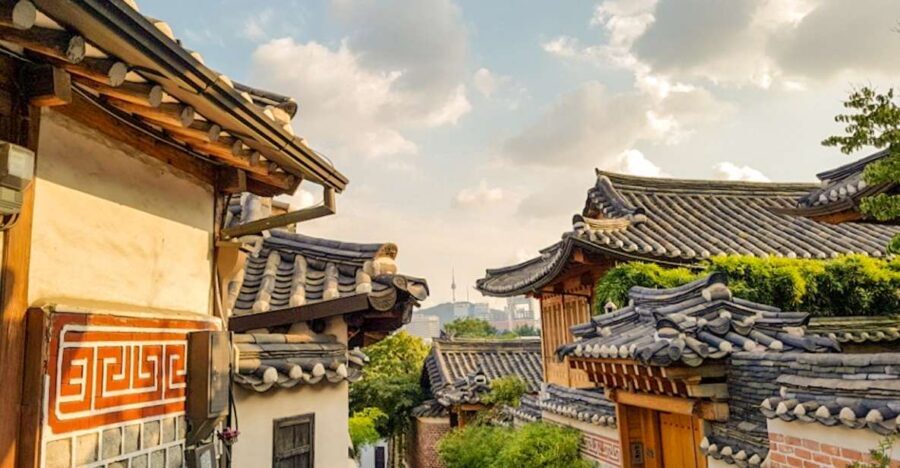
Bukchon Hanok Village is the second half of the personality of this tour. You’ll walk through Samcheongdong Alley, taking in traditional houses and the reality that Seoul’s modern city life sits right alongside older neighborhoods.
This isn’t a “drive past it” stop. It’s on foot, and you’ll feel the terrain. Some parts include a bit of climbing and uneven walking, which shows up in the feedback as the main physical challenge of the route.
The payoff is that Bukchon feels lived-in, not staged. You can look at the craftsmanship and then turn around and see newer buildings in the same view. That contrast is the point, and with the guide’s context, it reads like a story instead of a visual mismatch.
Bring patience and water. Even a short tour like this can feel longer if you’re rushing. The guides here are known for keeping the walk moving while still giving you time to look and photograph.
Public transport tips and local etiquette that stick after the tour
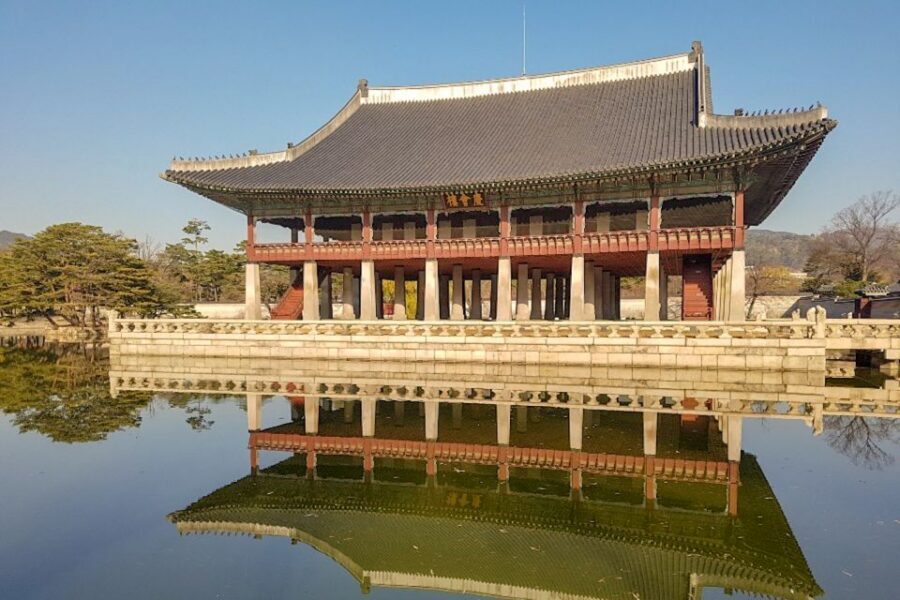
One highlight of this experience is learning how to use Korea’s public transport and how to interact with locals. Even though the core route is mostly walking, the guide’s tips can save you hours later.
In particular, guides have helped guests with using a T-money card, plus basics like where transit etiquette matters. That kind of guidance is small, but it’s exactly the difference between feeling lost and feeling like you belong even when your Korean is basic.
This is also why the starting point at City Hall Station matters. It’s central, transit-friendly, and easy to reference after your tour ends in Insadong. If you want to keep your morning as a springboard instead of a dead-end, you’ll appreciate learning the system while someone is right there with you.


Small group energy (max 8): why guides like Joe, Stella, and Jay Kim matter
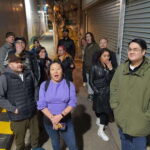
The group limit is 8 participants, and that’s not marketing fluff here. When you’re walking through dense historical areas, it’s the difference between waiting around and having questions answered on the spot.
The guide experience seems to be a major reason people rate this tour so highly. Names show up in a consistent pattern: Joe, Stella, and Jay Kim are cited for being attentive, funny, and strong at translating Korean culture into clear, usable understanding.
Here are some specific ways guides have made the tour better based on feedback:
- Joe is praised for going above and beyond during harsh cold and snow, while keeping the tone upbeat.
- Stella is repeatedly mentioned for patient explanations, a fun pace, and photo-friendly guidance through palace and hanok areas.
- Jay Kim stands out for tying history to modern life, including politics, food, and active rights movements.
That last part matters. Seoul is a fast-moving place, and it’s easy to think of history as something behind glass. When a guide connects past and present, your time feels more relevant.
Some guides also add small extras when appropriate—like a quick ice cream break during tougher uphill sections, or help with shopping suggestions after the official route. Those moments aren’t guaranteed, but the overall pattern is: if you ask, the guide tries to make your morning match your interests.
What to wear and when to expect a slower pace
This tour is mostly outdoors and includes standing time in palace areas plus a walking component through Bukchon. The official guidance is simple: wear comfortable shoes and comfortable clothes.
In real terms, winter and rain can change how the route feels. One guest experienced intense cold and snow and still had a great time, but the takeaway for you is to dress like you’ll actually be outside for a while.
Also, plan on taking your time with photos. Many people mention photo opportunities and picture angles as part of what they got from the guide, not just from chance. If you’re the type who stops to frame shots, bring that energy. Guides here seem to know how to work with it without turning the tour into a sprint.
A fair consideration: because it’s only 3 hours, you won’t have hours at every doorway. If you’re the kind of person who wants to read every label and linger in silence, you may feel a little time pressure—though the route is still designed to hit the main story beats.
Price and value: what $88 buys you in Seoul’s palace-and-hanok maze
At $88 per person for about 3 hours, this tour looks pricier than a DIY walking plan at first glance. Here’s why it can still be good value.
You get:
- A live English guide
- Gyeongbokgung entrance ticket included
- A focused route that combines palace, museum, hanok village, and an ending in Insadong
That ticket inclusion matters because it’s one less task on your morning checklist. But the bigger value is the guide’s ability to connect what you see—ceremony, architecture, artifacts—to what it means.
For first-time visitors, a guided morning can also prevent wasted time. Seoul’s old-city areas are beautiful, but signage, crowd flow, and transit choices can be confusing when you’re new. With transit basics and local etiquette tips built in, you’re paying partly for momentum.
So I’d frame the cost like this: you’re buying a “context fast pass” for Seoul’s most story-heavy neighborhoods, delivered by a guide, in a small group, with time saved on figuring things out.
Who this tour suits best
This is a strong fit if you:
- Want a morning intro to Seoul without committing to a full day
- Care about history, but also want it explained in plain language as you walk
- Prefer a small group where you can ask questions
- Like photo guidance, not just sightseeing
It’s also useful for solo travelers. A couple of feedback notes describe the tour feeling close to private at times, which shows how the small-group model can work in your favor depending on the day.
If you don’t like walking—especially standing and uphill segments in Bukchon—consider lighter alternatives or plan extra rest. The tour is short, but it isn’t “sit on a bus and look out the window” short.
Should you book this Seoul Gyeongbokgung and Bukchon tour?
Yes, book it if you want a structured, story-led morning that hits Gyeongbokgung, the National Folk Museum of Korea, and Bukchon Hanok Village without turning your day into logistics.
Skip it (or choose a different format) if you expect plenty of quiet time in each location, or if long standing and uneven footing will wear you down fast. The tour’s strength is momentum and explanation, not slow wandering.
If you do book, pack for the weather, wear your best walking shoes, and come ready to ask questions. When the guide is good—and names like Joe, Stella, and Jay Kim suggest you’re in that zone—you’ll leave with Seoul feeling clearer, not just photographed.
FAQ
What’s the duration of the Seoul: Gyeongbok Palace and Bukchon Hanok Walking Tour?
The tour runs for 3 hours.
Where do I meet the guide?
Meet at City Hall Station, Exit 6 (outside of the exit), right next to The Plaza hotel.
Is the tour entrance ticket included?
Yes. The Gyeongbokgung entrance ticket is included.
Is the tour guided, and is it in English?
Yes. It includes a live tour guide and the tour is in English.
How many people are in the group?
It’s a small group limited to 8 participants.
What should I bring with me?
Bring comfortable shoes and comfortable clothes.
Where does the tour end?
The morning tour ends in the Insadong area.
If you tell me your travel month and what kind of walking tolerance you have, I can help you judge whether this timing and pace will feel comfortable for you.