REVIEW · SEOUL
Small Group 7D Korea package Tour with Seoul Gyeongju Busan Jeju
Book on Viator →Operated by Here Korea Travel · Bookable on Viator
Seven days can feel impossible. Somehow, this one works.
This small-group package strings together Jeju volcanic sights and Seoul palaces with English guidance, included transport, and a pickup rhythm that keeps you from burning half your trip on logistics.
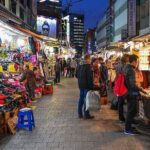
I especially like the food-focused parts that go beyond photo stops: a Gwangjang Market food experience plus a cooking class where you learn how Korean comfort classics come together. You also get free time windows in Hongdae and other areas, so the trip doesn’t feel totally locked to a schedule.
One consideration: the pace is full. You’ll move through a lot of stops, and the DMZ day requires your passport, plus there’s some waiting and walking involved, so plan for long travel days and good shoes.
In This Review
- Key things that make this tour worth a look
- A small-group Korea plan that handles the hard parts for you
- Jeju Day 1: Beaches, Sunrise Peak, cave walks, and a folk village
- Jeju Day 2: Hallasan area, optical illusions, waterfalls, and ARTE museum light
- Busan Day 3: Gamcheon stairs, two markets, fish snacks, temple by the sea
- Gyeongju Day 4: Bulguksa and Seokguram, then Tombs, ponds, and KTX
- Seoul Day 5: Cooking class, Hongdae free time, and optional NANTA
- Seoul Day 6: Palaces, Jogyesa, Hanok streets, markets, N Seoul Tower, and Insadong
- DMZ Day 7: Passport checks, Third Tunnel, Dora Observatory, and a bridge hike
- Hotels, group size, guides, and how the tour feels day to day
- Price and logistics: what $1,988 buys you here
- Who this tour fits best (and who should skip it)
- Should you book this Seoul–Jeju–Busan–Gyeongju + DMZ small-group tour?
- FAQ
- How long is the tour, and where does it go?
- Is pickup included?
- What meals are included?
- Does the tour include flights and train travel?
- Are there any compulsory shopping stops?
- Is the NANTA show included?
- Do I need my passport for the DMZ?
- Is there any flexibility in the itinerary?
- Cancellation changes
Key things that make this tour worth a look
- Small group (max 15) with an English-speaking guide and separate guidance by city segments
- Jeju on two action-packed days, mixing beaches, caves, waterfalls, and an art museum
- Busan includes markets and views, not just temples and beaches
- Gyeongju covers UNESCO-level temples and tombs, then you transition to Seoul by KTX
- Food tour + cooking class are the most hands-on pieces of the trip
- DMZ visit uses your passport, with stops like the Third Tunnel and Dora Observatory
A small-group Korea plan that handles the hard parts for you
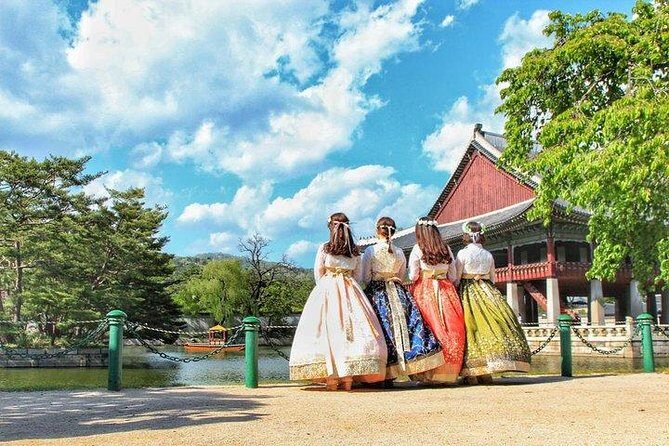
If you’ve ever planned Korea on your own, you already know the pain points: getting from island to city, timing trains, and figuring out where to eat without wasting time in the wrong places. This tour packages those moving parts for you. You get an AC vehicle, included domestic flight and KTX bullet train, and a set route across Seoul, Jeju, Busan, Gyeongju, and the DMZ.
The small-group size also matters. With a maximum of 15 people, you’ll spend less time stuck with giant bus energy and more time actually hearing your guide’s explanations. Plus, you’ll meet people from other countries, which often makes the free time in Seoul more fun since you’re not exploring completely alone.
The other subtle win: the itinerary mixes iconic sights with a few “how did they make that” moments, like volcanic cave formations on Jeju and the art-and-light style museum experience there too.
You can also read our reviews of more tours and experiences in Seoul.
Jeju Day 1: Beaches, Sunrise Peak, cave walks, and a folk village
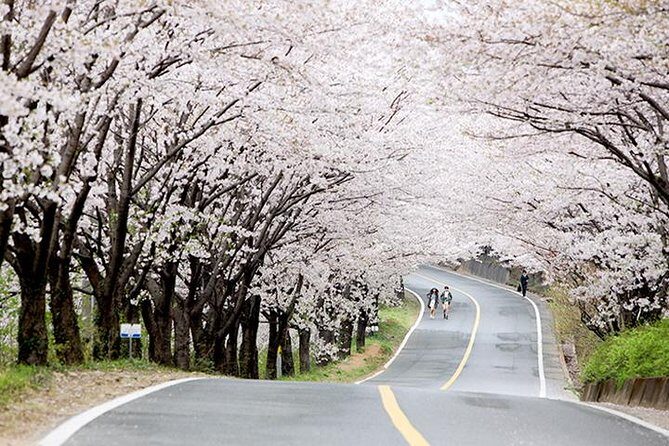
Jeju is the first curveball of the trip, and it’s a good one. Day 1 lands you on a classic Jeju sequence: coastline views, then dramatic geology, then a look at island life.
Start with Woljeongri Beach and the nearby café street. Even if you’re not a café person, this is a low-pressure way to reset after travel and get your bearings on the island. Next you move to Gwangchigi Beach, known for its unusual look—soft black sand that comes from weathered basalt rocks. It’s the kind of detail your photos won’t capture unless you’re standing right there and noticing the texture.
Then comes Seongsan Ilchulbong, also called Sunrise Peak. You’ll climb up to see that crater shape and the grass-filled interior. Even if you don’t catch sunrise, the top views still feel like a reward.
From there, the itinerary pivots to seasonal nature. Seongsan Canola Flower Field changes with timing—canola blooms from spring into summer, and the description also points to cherry blossoms earlier in the year. If you’re traveling around early spring, this stop can add a very different mood to the day.
Later you get Manjanggul Cave, one of those places where you walk into a cooler world and watch the rock forms hold their shape over time. It’s scheduled at about half an hour, so you’re not stuck for hours, but you still get a real underground stop instead of just peeking from the entrance. The day ends at Seongeup Folk Village, a quick chance to see traditional Jeju houses and how island residents historically lived.
What to watch for on Day 1: You’ll likely do steady walking at multiple stops. Wear shoes you can trust on uneven paths, and keep water handy even when admissions are included.
Jeju Day 2: Hallasan area, optical illusions, waterfalls, and ARTE museum light
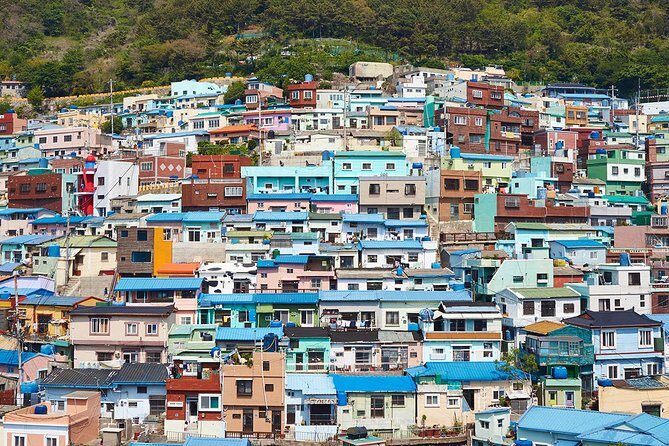
Day 2 keeps the island moving, but it’s more varied. It starts with a cherry blossom-focused stop at Jeju National University, Ara Campus (timing depends on the season and the specific bloom window). If your dates line up, this can be a pretty payoff after Day 1’s geology.
Then you’ll see an optical illusion stop described as objects that appear to roll uphill. Even when you know it’s not real, it’s still fun to test your own eyes and laugh at the brain’s logic. It’s a short reset before the bigger nature portions.
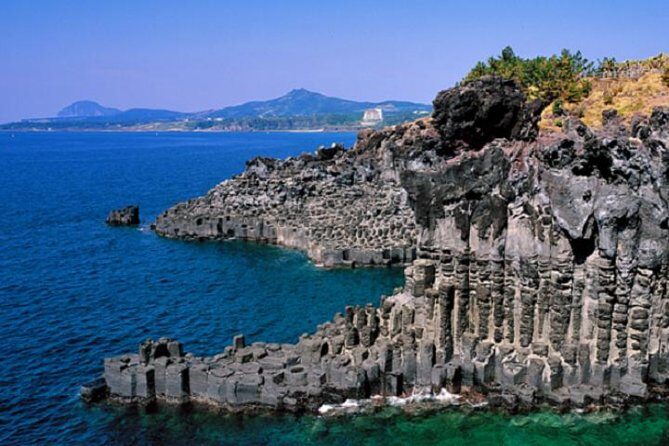
Next is Hallasan National Park area. Hallasan is Korea’s highest mountain (the tour notes it at 1,950m) and it’s described as a dormant volcano largely made of basalt. You’ll get a couple of different “rock-and-water” moments after that, including black rock formations referenced as cube- and hexagon-shaped pillars, which fits the famous kind of volcanic column look Jeju is known for.
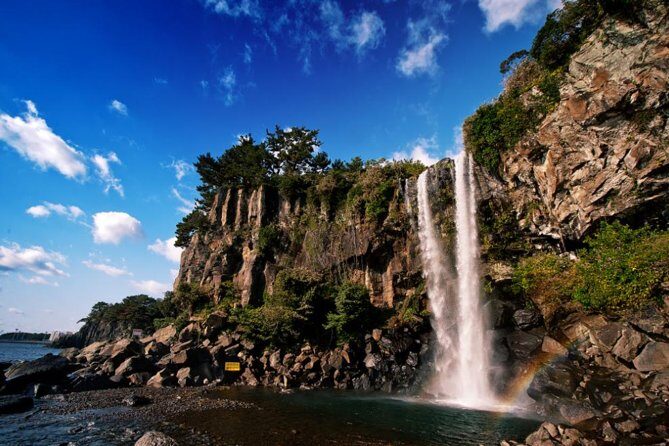
After the geology comes water. You visit Cheonjiyeon Falls, with local legend tied to fairies and a stair-stepped pond concept, then Jeongbang Waterfall, which is highlighted as descending directly into the ocean. That last part is a big deal visually: it changes your whole sense of scale when you can see the water drop and the sea meeting it.
The day finishes with ARTE MUSEUM Jeju, an art museum described around light and video effects. This is a smart placement because you’re done with outdoor walking and it turns the pacing of the day from sun-and-rock to cool indoor creativity.
What to watch for on Day 2: If you’re sensitive to crowds during blossom season, go slow at photo stops. Also, the day mixes nature and museum time, so bring a light layer if the weather shifts.
Busan Day 3: Gamcheon stairs, two markets, fish snacks, temple by the sea
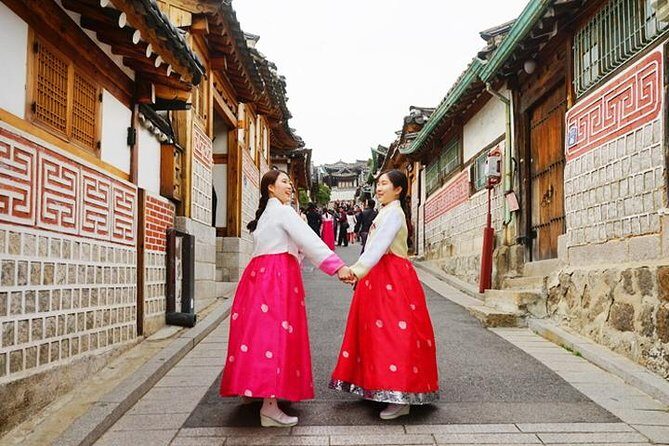
Busan is where the tour turns up the energy. Day 3 stacks a lot of recognizable Busan experiences: hillside neighborhoods, markets, and a coastal temple view.
You start with Haeundae Dalmaji-gil Road, a short scenic route that’s especially mentioned as a cherry blossom spot and set along the sea-facing mood of Haeundae. It’s a quick intro that frames Busan as both city and coast.
Then you head to Gamcheon Culture Village, built in staircase fashion on a coastal hillside. It started as a settlement for war refugees and later became an artistic district. The practical value here is that the neighborhood gives you lots of mini-scenes per photo stop, so even short time feels productive.
You’ll also get market time. Jagalchi Market is a signature Busan stop, known for fresh raw fish you can often eat on-site. After that, the itinerary includes BIFF Square, tied to the Busan International Film Festival area and its street-food reputation. Then you move on to Gukje Market, which is known for goods related to post-war refugee commerce and a mix of new and used items.
For a break from shopping and snacks, you visit Haedong Yonggungsa, described as one of Busan’s most beautiful temples and famous because it sits right near the coast. Finally, you get Haeundae Blue Line Park, where you take a train ride for coastal scenery. That last piece adds a low-effort sightseeing element when you’re already full from walking and eating.
How to enjoy Busan efficiently: pace your snacks. With markets and street food, it’s easy to overdo it early. Save room for a late bite after Haedong Yonggungsa so you end the day happy instead of sugar-and-seafood stuck.
Gyeongju Day 4: Bulguksa and Seokguram, then Tombs, ponds, and KTX
Gyeongju is often called a museum city, but this day gives you that feeling through movement: UNESCO-temple stops early, then tombs and royal-area scenery, then a train hop to Seoul.
You start with Bulguksa Temple, connected to the Silla capital and UNESCO heritage. Even if you’re not a temple-detail person, Bulguksa tends to hit hard because it looks engineered to last, from structures to staging. Next is Seokguram, a stone grotto temple on Mount Tohamsan. It’s described as being kept intact for over 1,200 years because of design and natural ventilation. That matters: it’s not just “old,” it’s “old and preserved.”
After the temples, you shift to Bomunho Lake Tourism Complex with a seasonal cherry blossom pathway mentioned. Then you head to Daereungwon Tomb Complex, where tomb shapes resemble round hills, and you can enter Cheonmachong Tomb inside the complex. That combination of outside scale and inside entry makes the stop feel more complete.
You also get a traditional neighborhood moment at Gyeongju Gyochon Traditional Village, then a royal-water vibe at Donggung Palace and Wolji Pond with night-view style energy. The itinerary then transitions to Gyeongju Station for the KTX bullet train back to Seoul (about two hours in the schedule).
What to watch for on Day 4: This is a long day with multiple sites and an evening train. Keep your essentials easy to reach on the train (passport/ID, a layer, water), because once you arrive in Seoul you’ll want to move quickly.

Seoul Day 5: Cooking class, Hongdae free time, and optional NANTA
Day 5 is where Seoul starts to feel more personal. Instead of only seeing landmarks, you’re doing something: cooking.
The centerpiece is an Omni-type cooking class where you learn to make three Korean dishes: bibimbap, a traditional pancake, and soup. You’re not stuck with one bland tutorial either; the menu can change by season. For me, a hands-on meal is one of the best value add-ons in any Korea trip because it gives you a new lens for what you’ll later see at markets.
Then you get time in Hongdae, described as a young, artsy street with shops and street performances. The practical value is that Hongdae gives you a different Seoul texture than the palace area. It’s also a good place to browse without turning every stop into a museum.
Next is Myeongdong NANTA Theater, marked as optional. The pricing by seat level is listed as:
- S: $35
- P: $45
- V: $55
If you’re into comedy that doesn’t require perfect language understanding, this is the kind of optional add-on that can make your evening feel lighter after a busy day. If you’re not, you still have a built-in day structure without being forced to attend.
How I’d plan your day in Seoul: If you do NANTA, eat earlier or choose lighter snacks in Hongdae so you’re not too full during the show.
Seoul Day 6: Palaces, Jogyesa, Hanok streets, markets, N Seoul Tower, and Insadong
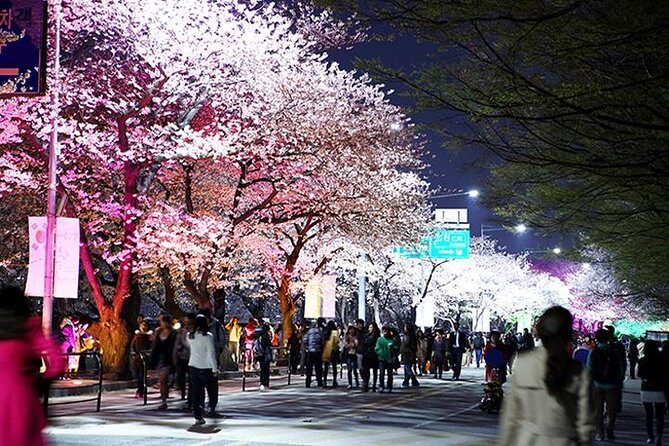
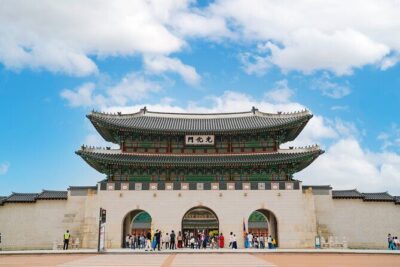
Day 6 is classic Seoul. It starts at Yeouido Park, a seasonal cherry blossom festival area, then heads to Gyeongbokgung Palace, described as the first and largest Joseon Dynasty palace built in 1395. The palace stop also sits right in the central city spine area, so it’s easy to understand Seoul’s geography while you’re walking.
Next is Jogyesa Temple, highlighted as the head temple of Korean Buddhism and located right in the city center. This stop is useful for perspective: Seoul isn’t only skyscrapers and shopping; it’s also religious spaces that function right inside city life.
Then you stroll through Bukchon Hanok Village, a maze of traditional houses called hanok dating back to the Joseon Dynasty. The value here is wandering between the packed walls and narrow lanes. It’s easy to walk slow, take photos, and try to spot how the houses cluster.
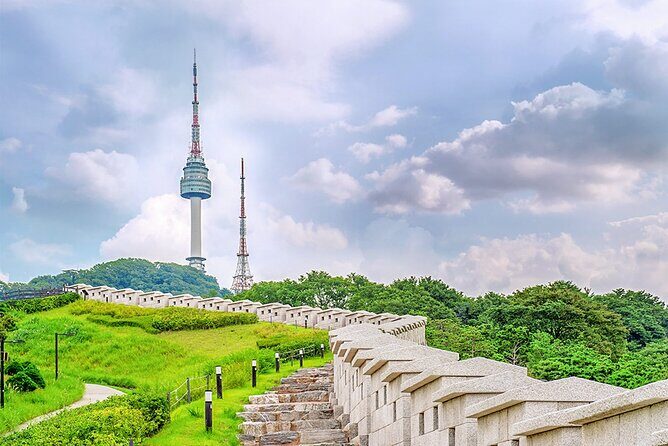
After that comes Kwangjang Market, the food-tour location. This is where your earlier cooking class pays off mentally: you start recognizing ingredients and cooking logic as you browse. The day continues with N Seoul Tower, set on Namsan with a 360-degree view concept and the tour notes its elevation at almost 480m above sea level. It’s the big-picture finish for a day of small streets and detail.
Finally, you end with Myeongdong Shopping Street and Insadong, described as an art and antique street with tea cafés, souvenir shops, traditional sweets, and restaurants. It’s a good pairing because you get both modern shopping energy and the older-style crafts-and-food vibe in one evening block.
Tip for photos on Day 6: If you want tower views without pushing your schedule, aim to arrive with daylight. The tour lists the tower time as about an hour, but sunset changes the whole mood.
DMZ Day 7: Passport checks, Third Tunnel, Dora Observatory, and a bridge hike
The DMZ day is the most serious section of the trip. It also has a very clear practical requirement: you need your passport because there’s an ID check point when entering the civilian control zone.
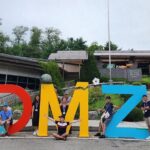
You begin at Imjingak Pyeonghoa-Nuri Park, where you stop to buy DMZ shuttle bus tickets and then board the shuttle. From there, the schedule moves to the Third Tunnel, described as the first stop of the DMZ tour. You’ll pass the south limit line of the DMZ and then enter the tunnel mentioned as dug by North Korea after the Korean War.
Next is Dora Observatory, described as one of the northernmost observatories open to the public in South Korea, where you can see North Korea with your naked eyes. Even if you don’t know much in advance, this stop forces your brain to shift from vacation planning to world realities.
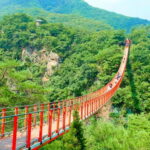
Then you visit Tongilchonan-gil, the last DMZ stop that functions like a souvenir and local products market inside the civilian control zone under curfew. The itinerary then ends with Gamaksan Chulleong Bridge, a short hike (about 40 minutes including walking time) in a former battle area now turned into a scenic viewpoint and bridge moment.
What to watch for on DMZ Day: Bring your passport in a secure place and wear shoes you can keep on all day. Even if some stops feel short on paper, waiting and transport add time.
Hotels, group size, guides, and how the tour feels day to day
This tour is built for short-time coverage, and that means 3-4 star hotels that are described as clean and in good condition for 6 nights. The vibe is practical rather than luxury: you’ll use the hotel as a base while you chase sights across islands and cities.
You’ll also benefit from the fact that it’s a private tour with flexibility. The itinerary is described as very flexible for private routing, but the company also notes you should keep around 12 hours available for the tour guide’s working condition. Translation: don’t book a separate long plan that requires zero interruptions during the day.
On the guide side, one of the strongest signals from past groups is that guides can be different by region, which keeps explanations grounded in local context. Names like Jung show up for Seoul with a mix of historical info and current cultural ties, while Sang and Clover appear as energetic guides for other segments. Harry is referenced as a lead point of contact in the planning and guidance experience.
You should also know this tour is designed to avoid compulsory shopping. You can travel for the sights and experiences without being pushed into fixed retail stops.
Price and logistics: what $1,988 buys you here
At $1,988 per person for about 7 days / 6 nights, this isn’t a budget-only trip. But for many people, the price starts making sense when you look at what’s included.
You’re not paying separately for:
- English-speaking guidance across multiple cities
- Domestic flight to Jeju plus KTX bullet train back to Seoul
- Entrance fees (listed as included)
- An AC vehicle for transfers and sightseeing days
- A minimum set of meals: breakfast (4 times) and lunch (7 times)
- Hotel stays in 3-4 star properties
- A cooking class and a food-focused market experience
- DMZ shuttle/tunnel/observatory components (with admissions noted)
So you’re mostly buying time and friction reduction. The alternative is doing the same routing by yourself, which often means paying for transportation anyway plus spending your own energy on booking, ticketing, and sequencing. In a short 7-day window, that trade often feels worth it.
Who this tour fits best (and who should skip it)
This package is a great fit if you:
- Want Seoul + Jeju + Busan + Gyeongju + DMZ without building the logistics yourself
- Like structure but still want some free time blocks (Hongdae, shopping streets, and similar breaks)
- Enjoy food experiences, especially learning to cook and then eating with a clearer sense of what you’re tasting
- Prefer a small group over a big bus format
It may not be your best match if you:
- Hate fast-paced schedules or long transit days between regions
- Want deep, unhurried time at only one place
- Need a highly flexible itinerary that changes every hour (this is flexible, but it’s still a set multi-city circuit)
Should you book this Seoul–Jeju–Busan–Gyeongju + DMZ small-group tour?
If you want a first-timer style introduction to South Korea that still includes hands-on food and a real DMZ component, I’d say yes—with eyes open. The strongest reasons to book are the multi-city coverage with built-in transport, the cooking class + market food experience, and the fact that you get both famous icons (like palaces and UNESCO temples) and practical moments that make the trip feel organized.
If you’re the type who loves slow travel and hates schedules, the pace could feel like a lot. But if you want your first week to feel like a guided map of the country, this is a solid pick, especially with the English guides and the small group size.
FAQ
How long is the tour, and where does it go?
It’s an approximately 7-day tour with 6 nights. It covers Seoul, Jeju, Busan, Gyeongju, and the DMZ, with the itinerary starting around Gimpo/Gimpo airport flights and ending after the Day 7 DMZ and final stops.
Is pickup included?
Yes. Pickup is offered, and tickets are provided as mobile tickets.
What meals are included?
Breakfast is included 4 times, and lunch is included 7 times. The included items list specifically mentions breakfast and lunch.
Does the tour include flights and train travel?
Yes. The package includes a domestic flight to Jeju and a KTX bullet train back to Seoul.
Are there any compulsory shopping stops?
The tour is described as having no compulsory shopping for travelers who just want to see and experience places in a short time.
Is the NANTA show included?
No. The NANTA theater in Myeongdong is optional, with seat prices listed at S $35, P $45, and V $55.
Do I need my passport for the DMZ?
Yes. The tour notes you need passports since there is an ID check point when going into the civilian control zone.
Is there any flexibility in the itinerary?
The itinerary is described as very flexible because it’s a private tour, but you should still keep about 12 hours available for the guide’s working schedule.
Cancellation changes
This experience is non-refundable and cannot be changed for any reason.