REVIEW · SEOUL
Downtown Seoul Guided Food & Market Tour with 8+ Local Tastings
Book on Viator →Operated by Secret Food Tours · Bookable on Viator
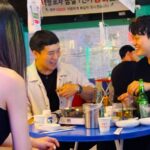
The streets of Seoul taste like a story. This guided food route mixes 8+ local tastings with major landmarks like Gyeongbokgung Palace and Bukchon Hanok Village. I also like the small group size, which keeps the lines short and the guide easy to hear, even at busy stalls. One thing to consider: the menu does lean toward sweets, so if you want lots of grilled meat or heavy savory only, you may want to set expectations before you go.
You’ll finish in Insa-dong near Anguk Station, with tea to cap it off. It runs about 3 hours and includes lunch, so you can treat it as a full reset after landing or before dinner plans.
In This Review
- Seoul in 3 hours: the quick hits you’ll feel immediately
- Price and value: what $98 buys you in real terms
- Route basics: from Jong-ro meeting point to Insa-dong tea-house finish
- N Seoul Tower stop: first landmark, first context (photo pause energy)
- Gyeongbokgung Palace area and the Gwanghwamun Gate moment
- Namdaemun Market: where you learn to order by instinct
- Bukchon Hanok Village: old streets, modern eating logic
- The Five Grand Palaces park stop: a breather before tea
- What you actually eat: 8+ tastings, lunch included, and why the mix works
- Lunch and the tea-house ending: how the tour avoids food fatigue
- Who this tour suits best (and who should think twice)
- Small-group reality: maximum 12, and why that makes food markets feel calmer
- What to ask your guide before you get food-marketed into oblivion
- Should you book Downtown Seoul Guided Food & Market Tour?
- FAQ
- How long is the Downtown Seoul food and market tour?
- What is the group size limit?
- Is lunch included?
- What are examples of the included tastings?
- Where does the tour start and end?
- Is hotel pick-up or drop-off provided?
- Can you accommodate dietary restrictions?
- What if I need to cancel?
- Are pets allowed on the tour?
Seoul in 3 hours: the quick hits you’ll feel immediately
- Small-group pacing (max 12) keeps you moving without feeling rushed.
- 8+ tastings plus lunch means you’re not paying “snack prices” all afternoon.
- Palaces + market in one flow helps you connect what you see with what you eat.
- Namdaemun Market time gives you a real street-food feel, not a staged food court.
- Tea-house ending in Insa-dong is a satisfying closer, not just a drop-off.
- Guide quality shows in the way tastings come with names and context, plus practical travel tips.
Price and value: what $98 buys you in real terms
At $98 per person for about 3 hours, this is not a cheap “wander and nibble” option. But it is good value for what you get: a guided route, 8+ tastings, and lunch included, all inside a group capped at 12.
The real question is what you usually spend when you travel. If you’ve ever bought a couple drinks, two street snacks, and then paid full price for lunch, that math adds up fast in central Seoul. This tour bundles food into a plan, so you’re paying for convenience, pacing, and someone to translate what you’re eating while you’re walking between key neighborhoods.
You’re also paying for the group size. Reviews repeatedly highlight guides like Alex, Jae, Youla, and Ji Yoon for staying organized, patient, and present. That matters because a food market without guidance can turn into a lot of staring and second-guessing.
You can also read our reviews of more food & drink experiences in Seoul
Route basics: from Jong-ro meeting point to Insa-dong tea-house finish
This tour starts at 214 Jong-ro, Jongno District and ends in Insa-dong at a tea-house. The end point is about 100 meters from Anguk Station (Line 3, orange), which is helpful if you want to jump back on the subway right after.
There’s no hotel pick-up or drop-off, so you should plan to arrive on your own using public transit. The good news is it’s set up around walkable central areas, and the tour notes it’s near public transportation.
Wear comfortable shoes. You’ll be doing a mix of sightseeing walking and market-stroll walking, and Seoul sidewalks can be uneven or crowded. Think practical, not cute.
N Seoul Tower stop: first landmark, first context (photo pause energy)
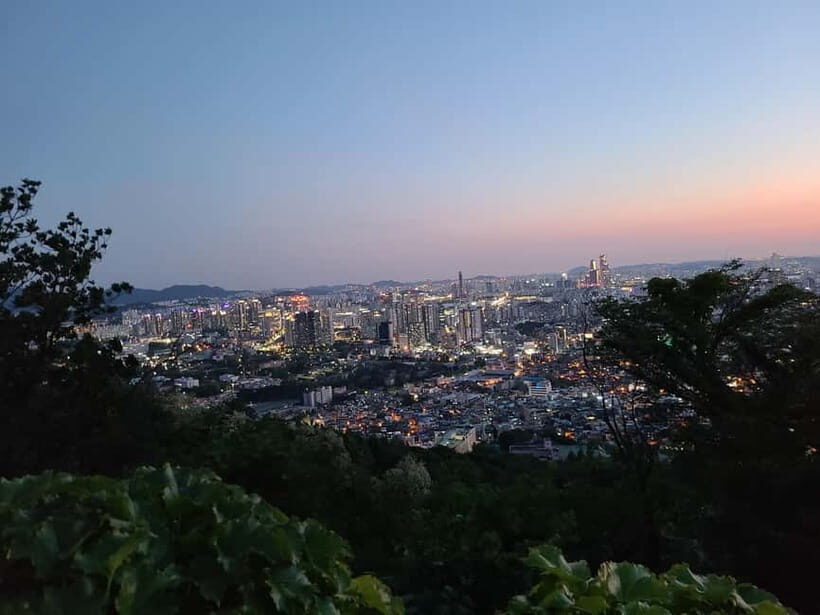
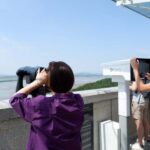
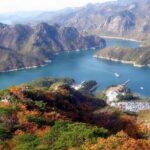
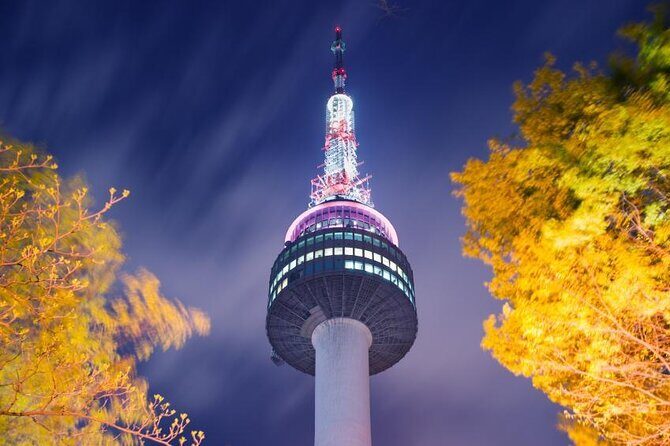
One stop on the route is N Seoul Tower, also known as the Namsan Tower. Even if your main goal is food, this pause gives you a sense of where you are in the city. It’s a good way to set the mood early, especially on a half-day tour.
In practical terms, expect a short viewing and orientation break rather than a whole sightseeing day. You’re on a food schedule, so the tower is part of the “Seoul backdrop” that your guide ties back to culture and daily life.
Drawback to know: if you hate walking uphill or crowded viewpoints, be mentally ready for Namsan-area foot traffic. The tour keeps things timed, but it’s still central Seoul.
Gyeongbokgung Palace area and the Gwanghwamun Gate moment
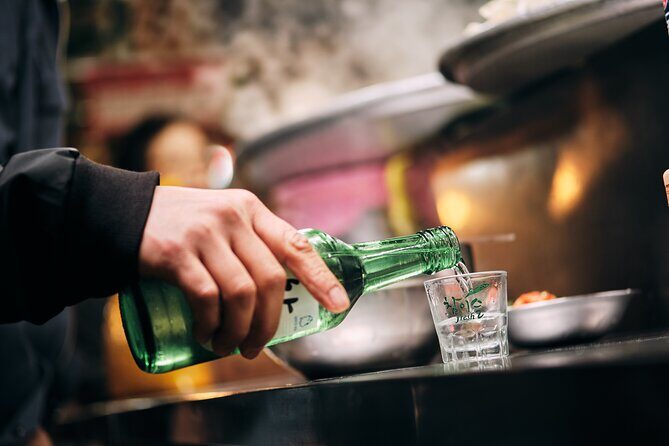
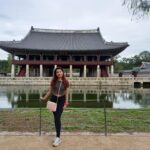
The tour includes Gyeongbokgung Palace—the main royal palace of the Joseon dynasty—and it also passes the palace’s main and largest gate, known as Gwanghwamun Gate.
This is more than a sightseeing checkbox. When a food tour adds royal-palace context, it helps you understand why certain ingredients, seasons, and court tastes shaped everyday Korean cooking over centuries. Your guide is likely to connect “what you see” (royal spaces, traditions) to “what you’ll taste” (comfort foods and street favorites that locals keep eating today).
Consideration: palace areas mean walking on paths and around crowds. If you’re sensitive to heat or cold, this can matter. Seoul in the afternoon can feel very different from early morning.
Namdaemun Market: where you learn to order by instinct
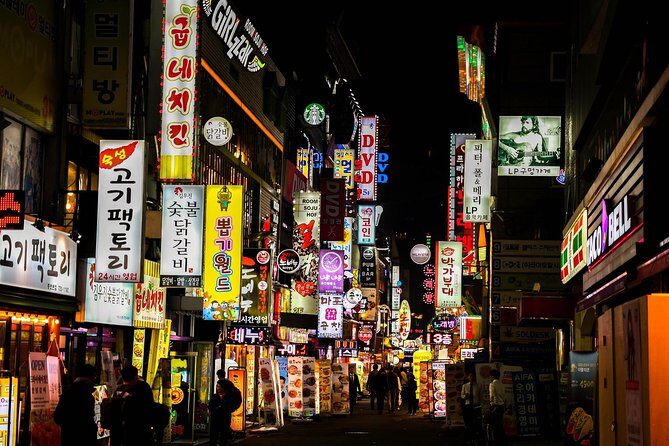
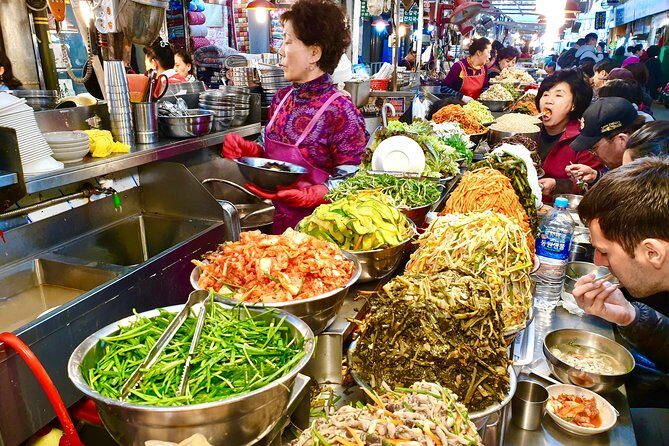
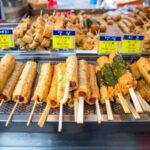
The big market stop is Namdaemun Market, located next to Namdaemun (the Great South Gate). The tour description calls it the oldest and largest market in Korea, which is a hint that you’ll be stepping into a wide, layered food world.
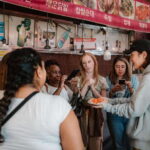
This part is where the tour shines if you like eating with purpose. Markets are overwhelming when you’re solo: too many stalls, unclear menus, and fear you’ll pick the wrong thing. Here, you get targeted bites, and your guide explains what you’re eating and why it’s paired the way it is.
What makes this stop especially valuable is that it’s not only about stuffing your face. You’ll learn how Koreans snack and how street foods work as fast meals. That changes how you shop after the tour. Instead of random browsing, you start recognizing flavors, textures, and familiar names.
One caution from the tour’s overall feedback: some food tours skew heavily toward sweet items, and this one can include plenty of dessert-style bites. If you’re worried you’ll be full on sugar before the savory stuff, keep an eye on your pace and ask your guide what the savory favorites are that day.
You can also read our reviews of more tours and experiences in Seoul
Bukchon Hanok Village: old streets, modern eating logic
The route includes Bukchon Hanok Village, described as the traditional village between Gyeongbok Palace, Changdeok Palace, and Jongmyo Royal Shrine.
Bukchon is a contrast moment. You go from market energy into quieter, historic streets with hanok houses. On a food tour, that matters because it slows you down long enough to notice how the city’s old neighborhoods still shape today’s food culture.
Possible drawback: Bukchon can be photo-heavy and crowded depending on the time of day. If your group gets stuck behind slower walkers, your market time could feel rushed. The small group size helps here, and the guides praised for staying organized often manage the flow well.
The Five Grand Palaces park stop: a breather before tea
The final major “landmark” style stop is a Joseon royal palace site in a large park—one of the Five Grand Palaces built by Joseon kings.
This is a smart pacing choice. After palaces, markets, and walking, you get at least a little green-space feel and a chance to reset your legs and appetite. It also keeps the tour feeling like a tour of Seoul, not just a snack crawl.
Expect this to be more of a guided pause than a long museum-style visit. Your guide is managing the food schedule, not running a full day of palace tickets.
What you actually eat: 8+ tastings, lunch included, and why the mix works
The tour description lists included tastings like this, with the expectation of more than eight bites across stops:
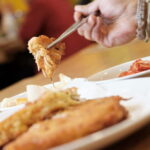
- Nukdujan mung bean pancake paired with sweet onions
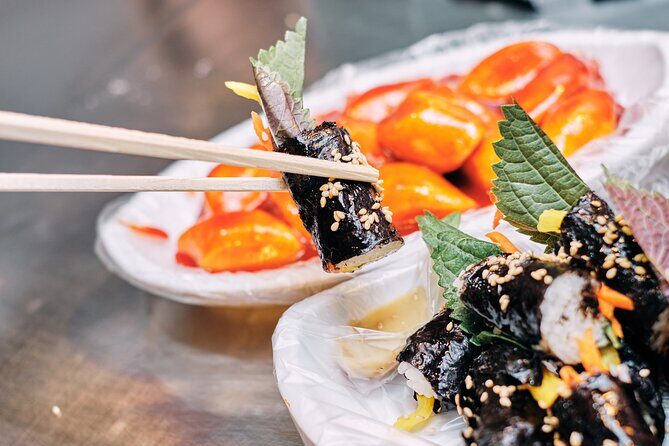
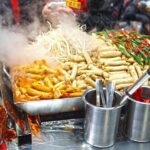
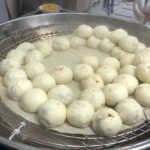
- Mandu (Korean dumplings) and tteokbokki (slightly spicy)
- Minced fish fillets with a bit of fish soup
- Freshly prepared kimbap
- Sweet & salty cream bread
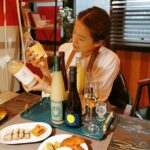
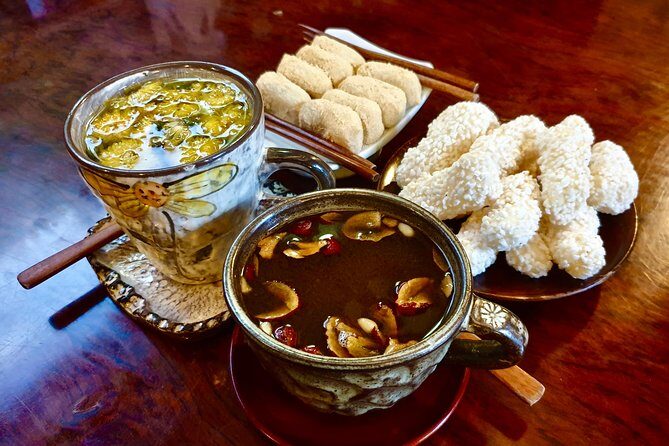
- Korean honey snack (grilled rice cake) paired with traditional tea
- A secret dish (the fun part)
Here’s why that lineup makes sense for first-timers. You get:
- One crunchy/starchy Korean comfort bite (mung bean pancake).
- One chewy street staple (tteokbokki).
- One dumpling or savory handheld (mandu).
- One umami-forward seafood note (fish fillets + fish soup).
- One rice-and-seaweed snack (kimbap).
- One dessert-ish contrast (honey rice cake and sweet-savory bread).
- One wildcard dish that keeps you from feeling like it’s predictable.
In the feedback, many people highlight the fried mungbean cake and the variety of bites, plus guides who explain dish names and what makes them taste the way they do. That explanation is a big deal. It turns “I ate a thing” into “I understand what I’m looking for later.”
A heads-up if you’re very picky about spice. Tteokbokki is noted as slightly spicy, so it’s not mild-sweet only. You’ll still be in control of your pace, and your guide can help you decide how much to take of each item.
Lunch and the tea-house ending: how the tour avoids food fatigue
Lunch is included, and the tour ends at a tea-house in Insa-dong. That matters because half-day food tours can fall apart if the finish is just more food with no reset. Here, the structure ends with something lighter and slower.
Tea helps your palate reset between savory and sweet. It also makes the ending feel like a cultural moment, not a rushed exit. The tour description even notes the finish point is near Anguk Station, so you’re not stranded far from transit if you want to continue exploring.
Practical tip: go into this tour hungry, not starving. Several guides’ styles get praised for managing the flow so you don’t eat everything too fast. If you start with a full breakfast, you might miss some of the textures.
Who this tour suits best (and who should think twice)
This tour is a strong pick if:
- You want Seoul landmark context paired with real food shopping logic.
- You like market walking but don’t want to plan every stop yourself.
- You’re trying Korean food for the first time and want a spectrum: savory snacks, dumplings, rice bites, and sweets.
- You want an organized guide who gives you names, context, and practical tips.
It’s less ideal if:
- You want strictly savory food with minimal sweets. One critical note says it felt heavy on sweets compared with other food tours they’d done.
- You’re extremely dietary-restriction dependent. The tour states it can’t accommodate many restrictions and you should contact prior to booking.
- You expect hotel pick-up. This one starts at a set meeting point.
If you fall into a “maybe,” your best move is to message ahead about your must-haves. Ask what dishes you’ll eat and how they handle substitutions.
Small-group reality: maximum 12, and why that makes food markets feel calmer
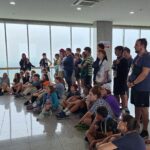
The tour says it’s a small-group experience with a group size capped at 12 (and described as just 10 people in the overview). That size is a big part of why people keep recommending it at a 4.9 rating.
In a market, small groups mean:
- Less time waiting while someone decides.
- Easier crowd navigation.
- More chances to ask questions without the guide repeating themselves to ten different people.
The guide attention shows up in feedback about English clarity, patience, and staying on schedule. You’re also walking between distinct neighborhoods, so a good guide helps you not waste time backtracking.
What to ask your guide before you get food-marketed into oblivion
You’ll get the tastings listed, but markets are also about choice and comfort. Ask your guide:
- Which items are the most savory versus dessert-heavy on your route that day.
- How spicy the tteokbokki portion is in practice.
- If you have allergies or a strict restriction, whether substitutions are possible before you commit.
This tour’s description is honest that not all dietary restrictions can be handled. A quick question now saves stress later.
Should you book Downtown Seoul Guided Food & Market Tour?
Book it if you want one afternoon that stitches together Seoul’s big-name sights and its street-food reality, without spending the whole day deciding where to eat. The combination of 8+ tastings, lunch included, a Namdaemun market stop, and a finish in Insa-dong is a smart use of limited time.
Skip it or ask more questions first if you’re mainly hunting for grilled meats and salty-only comfort. The tour can include sweets and dessert-style bites, and one critical comment suggested variety can feel less broad than some other food tours.
If you’re a first-time Seoul visitor, this tour is an easy win: you get a guided route, you learn what to look for, and you leave with a better instinct for ordering your next meal on your own.
FAQ
How long is the Downtown Seoul food and market tour?
The tour lasts about 3 hours.
What is the group size limit?
The tour has a maximum of 12 travelers, with the experience described as a small group of around 10.
Is lunch included?
Yes, lunch is included.
What are examples of the included tastings?
Included items listed for the tour include mung bean pancake with sweet onions, mandu and tteokbokki (slightly spicy), fish fillets with a bit of fish soup, kimbap, sweet & salty cream bread, and a grilled rice cake with traditional tea, plus a secret dish.
Where does the tour start and end?
It starts at 214 Jong-ro, Jongno District, Seoul, South Korea. It ends in Insa-dong at a tea-house about 100 meters from Anguk Station (Line 3).
Is hotel pick-up or drop-off provided?
No, hotel pick-up/drop-off is not included.
Can you accommodate dietary restrictions?
The tour notes that many tastings may not be able to accommodate certain dietary restrictions. It’s recommended you contact prior to booking to ask what’s possible.
What if I need to cancel?
Free cancellation is available up to 24 hours in advance for a full refund.
Are pets allowed on the tour?
No, pets can’t be accommodated on these food tours.