REVIEW · SEOUL
You’re Invited to Our Home in Seoul: The Only Cooking Class!
Book on GetYourGuide →Operated by Discover Seoul: Local Vibes · Bookable on GetYourGuide
Cooking in a real Seoul home feels personal fast. I love the chance to work side-by-side with hosts David and Hanna while learning classic dishes like assorted Jeon from scratch, and I also love the Han River-and-skyline view that makes the whole meal feel special. One thing to consider: you’ll need to handle the stairs/space yourself since this experience isn’t set up for wheelchair users.
You’re not just watching someone cook. You’re tasting, asking questions, and learning what locals actually do at home—then leaving with recipes you can follow later.
In This Review
- Why This Seoul Cooking Class Feels Different
- Entering a Korean Home Kitchen With Han River Views
- A quick reality check on logistics
- Your 2-Hour Menu: Jeon Pancakes, Doenjang-jjigae, Sikhye, Hotteok
- Why Jeon is such a smart choice for a class
- Doenjang-jjigae: the stew that ties it together
- How the Cooking Class Really Runs: From Pan to Plate
- Step-by-step: the Jeon workflow
- Banchan and the Korean dinner rhythm
- Hotteok and Sikhye: the sweet finish
- Tea, Photos, and Take-Home Recipes You Can Actually Use
- Welcome drink and ongoing tea
- DSLR photography session included
- Recipes to take home
- Optional Han River Walk and Local Area Tips After Class
- Price and Value: Is $110 Worth It?
- Dietary Needs, Spice Levels, and Pork-Free Options
- Practical Tips: What to Bring and How to Prepare
- Who Should Book This Seoul Cooking Invitation
- Should You Book This Tour?
- FAQ
- How long is the cooking class?
- How many people are in the group?
- What’s the price per person?
- What’s included in the experience?
- Is the class taught in English?
- Can the menu be adjusted for dietary restrictions?
- What dishes do I learn to make?
- Is the Han River walk included?
- What should I bring, and what isn’t allowed?
Why This Seoul Cooking Class Feels Different
- A small group (up to 4) means you get real attention, not rushed instructions
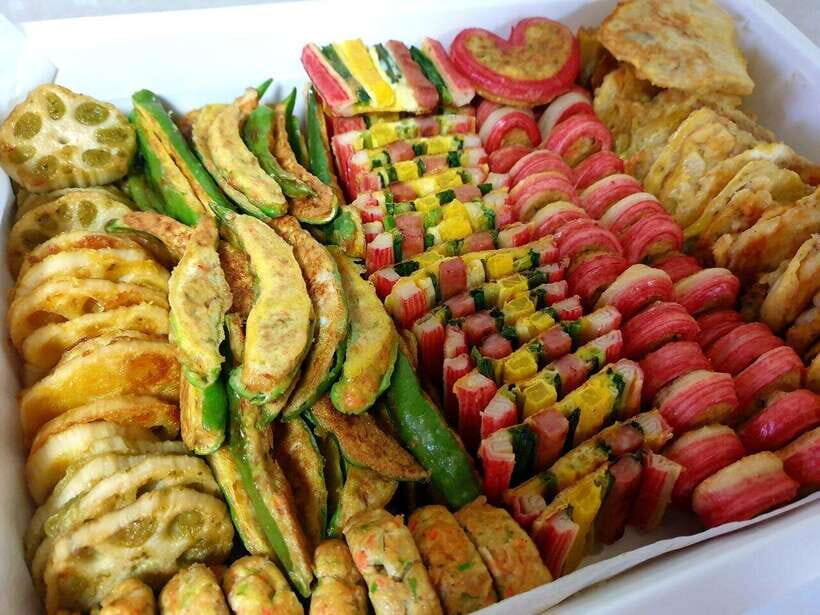
- Jeon from scratch: learn the pancake shapes, flipping rhythm, and why ingredients matter
- Han River view with your meal keeps this from feeling like a standard food tour
- Dietary flexibility: vegan/vegetarian options and spice adjustments are available when you tell them in advance
- Tea, desserts, and take-home recipes make it more than a one-time meal
- Optional Han River walk and local tips help you keep the good momentum after class
Entering a Korean Home Kitchen With Han River Views
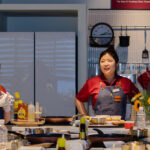
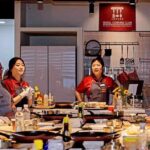
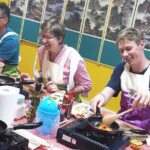
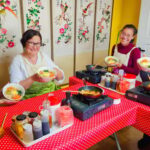
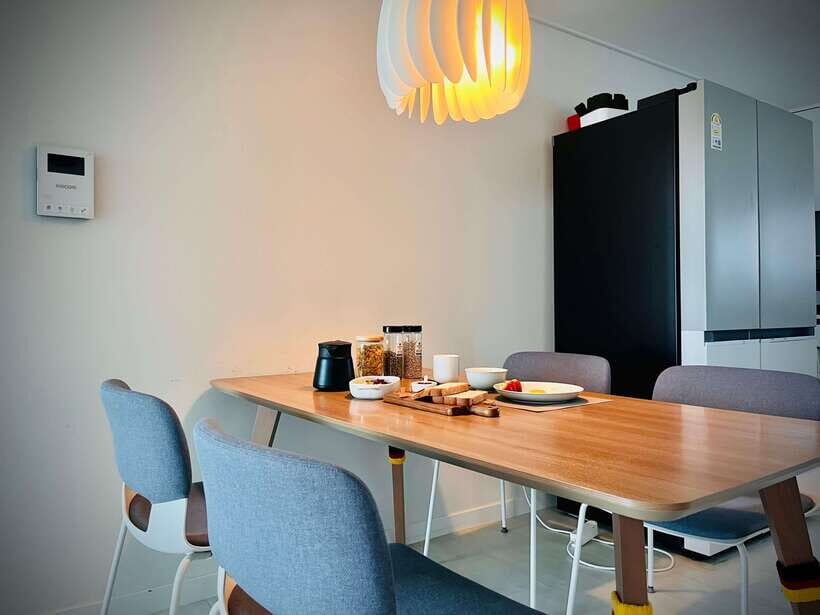
This experience starts with a simple idea that hits hard: you’re invited into a true Korean home for cooking, not a studio. In Seoul, that difference matters. A commercial cooking class can feel like theater. A home kitchen changes the pace. People talk. You ask questions. You notice small habits, like how sauces get portioned or how banchan is handled alongside the main dish.
The setting is part of the value. You’ll be eating with stunning views of the Han River and downtown Seoul. Even if you’ve seen photos online, it lands differently in person. It turns a 2-hour class into something that feels like a mini evening out with locals.
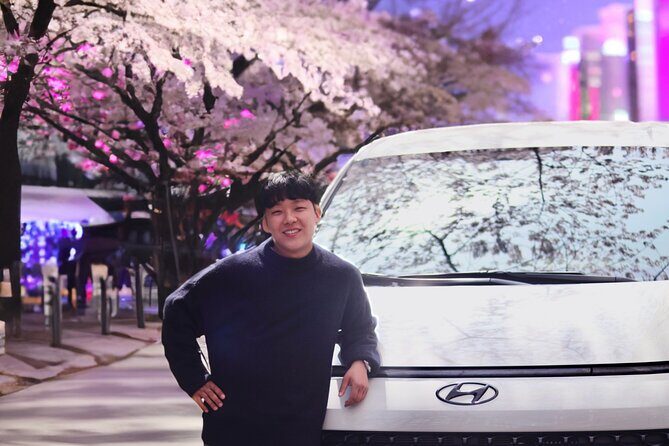
Hosts David and Hanna set the tone early. From the start, you get guidance in a way that feels welcoming and patient. Several past participants also shared that they could ask anything—food questions, everyday-life questions, and even practical Seoul tips.
You can also read our reviews of more cooking classes in Seoul
A quick reality check on logistics
Transportation isn’t included, so you’ll want to plan how you’ll get there and back. Also, because it takes place in a real home, it’s not designed for wheelchair users. If you’re comfortable navigating typical household spaces, you’ll probably be fine.
Your 2-Hour Menu: Jeon Pancakes, Doenjang-jjigae, Sikhye, Hotteok
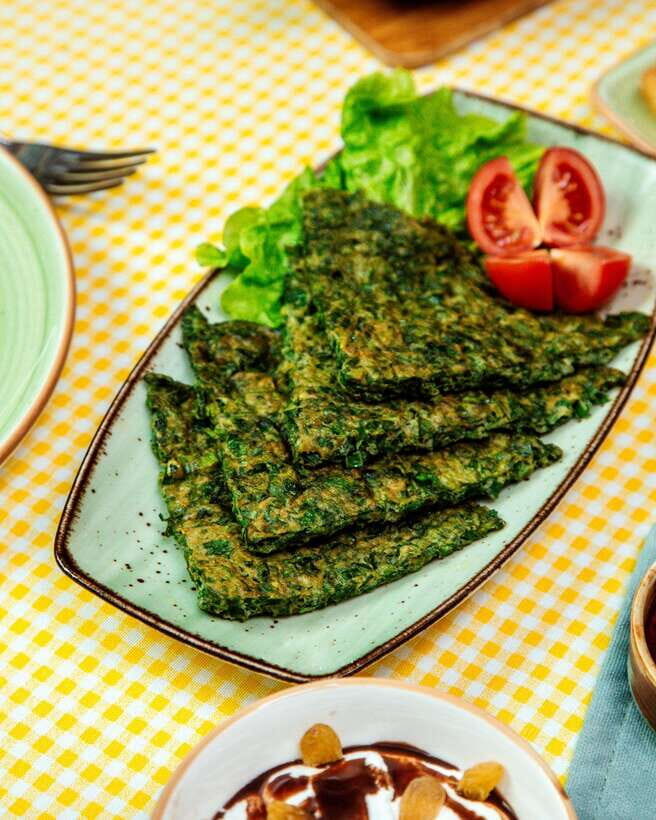
The heart of the class is Korean home cooking centered on Jeon—Korean pancakes that range from savory to vegetable-forward. You’ll make assorted Jeon from scratch, and the exact pancake lineup can shift based on what ingredients are available that day.
Here’s what you may see on the menu:
- Sikhye (sweet rice punch)
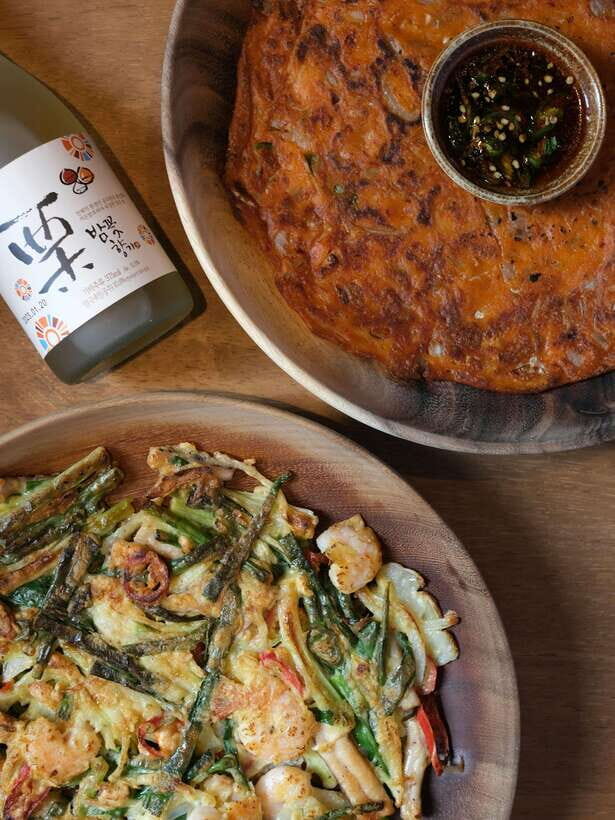
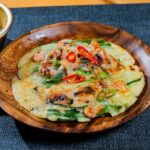
- Assorted Jeon with options like Donggeurangttaeng (meatball pancake), Pajeon (scallion pancake), Hobakjeon (zucchini pancake), Beoseotjeon (mushroom pancake), Dubujeon (tofu pancake), Yukjeon (beef pancake), Kkochi-jeon (skewered pancake), and Haemuljeon (seafood pancake)
- Doenjang-jjigae (soybean paste stew)
- Traditional Korean tea
- Hotteok (sweet Korean pancakes)
A couple of past sessions included extra items that can vary by day, so don’t be surprised if your table features additional dishes alongside the core menu. What stays consistent is the structure: you learn the pancake technique, you make the stew, and you finish with sweet comfort.
Why Jeon is such a smart choice for a class
Jeon looks simple, but it’s technical enough to be fun. The batter-to-pan timing, the way you distribute fillings, and the pan temperature all affect the final texture. You’ll get hands-on instruction, and you’ll taste the difference immediately—warm, crisp edges, tender centers, and that savory comfort people love about Korean home cooking.
Doenjang-jjigae: the stew that ties it together
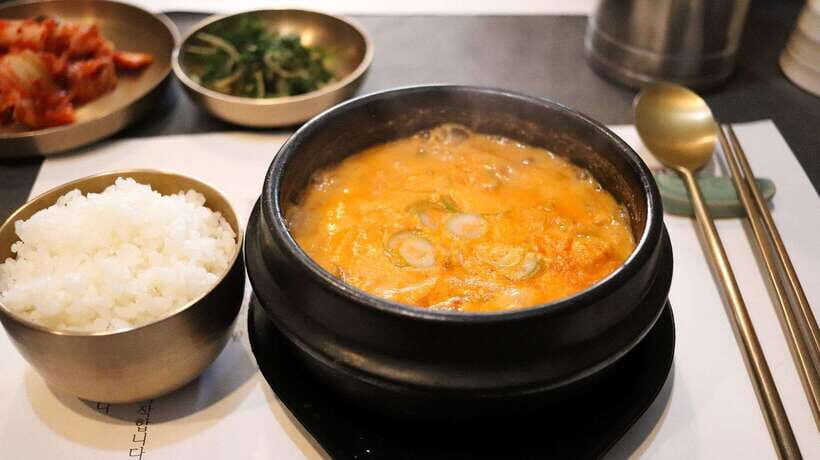
Doenjang-jjigae is the steady, salty-savory anchor. It’s the kind of dish that makes the meal feel complete even when you’re full. As you cook it, you’ll learn how the stew’s flavor builds and how it pairs with banchan.
You can also read our reviews of more tours and experiences in Seoul


How the Cooking Class Really Runs: From Pan to Plate
You won’t spend two hours passively watching. The class is built around doing, tasting, and learning the small decisions that make food Korean home-style, not generic.
Step-by-step: the Jeon workflow
You start with an introduction and then move into hands-on cooking. For Jeon, plan on learning how to:
- prep and portion fillings (so they cook evenly)
- work the batter without overthinking it
- pan-fry until the outside crisps while the inside stays tender
- handle flipping and timing with guidance from the host
What I like about this format is that it’s not just about getting a final dish. You learn why the pancake behaves the way it does. That helps you recreate it later with fewer guesses.
Banchan and the Korean dinner rhythm
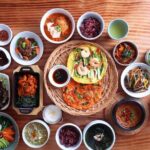
You’ll enjoy a full-course meal with 3 main dishes and Korean seasonal banchan (side dishes). This matters because Korean meals aren’t built like a Western plate where one dish dominates. Banchan is part of the experience—varied flavors, different textures, and a table that feels alive.
As you cook, the hosts also explain how Jeon fits into Korean celebrations and family meals. That context makes the hands-on part feel more meaningful instead of random technique.
Hotteok and Sikhye: the sweet finish
Dessert isn’t an afterthought here. You’ll make and enjoy Hotteok—sweet Korean pancakes—plus Sikhye, a sweet rice punch. Hotteok is warm and syrupy, a classic comfort dessert. Sikhye is lighter and refreshing, with a gentle sweetness that cools the meal down after all that savory cooking.
If you’re the type who likes ending tours with something you can recognize and recreate, this is a strong match.
Tea, Photos, and Take-Home Recipes You Can Actually Use
A cooking class is only half the value if you can’t bring the results home. Here, you leave with more than memories.
Welcome drink and ongoing tea
You’ll get a welcome drink of traditional Korean tea, and there’s complimentary tea and snacks available throughout the class. It keeps things comfortable while you cook and helps the meal feel like a real home dinner rather than a timed workshop.
DSLR photography session included
One detail I really appreciate for this kind of experience: you get a DSLR photography session during the class, and the photos are provided afterward. It’s not just a quick phone snapshot. You’re eating in a view-filled home setting, so having proper photos makes sense.
Recipes to take home
You’ll receive recipes to recreate the dishes later. This is where the class pays off long after you’ve returned to your hotel. Jeon and stew are absolutely cookable at home if you have clear steps and ingredient guidance.
And because the hosts speak English (and Korean), you can ask follow-up questions that make the recipes easier to interpret. Several previous participants also said they got helpful recommendations for what to eat and what to see in Seoul—and that they even got direction on how to catch the bus afterward. That kind of practical kindness is rare.
Optional Han River Walk and Local Area Tips After Class

The experience doesn’t have to end when the meal ends. After cooking and dining, you can join an optional free 1-hour walk by the Han River. You can choose it freely, so if you’re tired from a day of sightseeing, you can skip it without guilt.
This walk is a nice way to connect what you just learned with where you are. Korean food often feels tied to daily life—markets, family routines, evenings outdoors. The Han River area is exactly that kind of everyday Seoul scene.
On top of that, there’s also an optional local area tour component. The goal is simple: help you keep moving with better context, so you’re not just wandering.
Price and Value: Is $110 Worth It?
At $110 per person for a 2-hour class, the price may feel high if you compare it to quick street-food tastings. But this isn’t a tasting line-up. You’re paying for:
- a small group experience (limited to 4 participants)
- hands-on instruction in a real Korean home setting
- ingredients and equipment provided
- a full-course meal with banchan, plus Sikhye and Hotteok
- take-home recipes
- a DSLR photography session
- an optional Han River walk and local tips
If you want a souvenir, this is a tasty one. If you want a skill, this is a real one. And if you want something that feels like meeting people instead of collecting attractions, the home-invitation part is the biggest value driver.
Dietary Needs, Spice Levels, and Pork-Free Options
This class is designed to be adjustable. The menu can be adjusted for dietary restrictions if you inform the host in advance. That includes vegan and vegetarian options, and it can also accommodate specific needs and spice preferences. If you can’t handle spicy food, they can adjust the spice level or modify the menu.
That flexibility is a big deal in Korea, where “standard” often assumes everyone eats the same things. It also makes the class more relaxing. You can focus on learning the cooking technique rather than stress about what’s in the dish.
Practical Tips: What to Bring and How to Prepare
You’ll have utensils and an apron for use during the class, plus water is included. What you bring matters more than you’d think.
Bring:
- Comfortable shoes (you may be moving around in a home environment)
- A camera (or your phone camera, if that’s what you prefer)
- Snacks (just in case you’re hungry before the class starts)
- Water (extra hydration is always a good idea)
Not allowed:
- Pets
- Smoking
Also, check the timing for the day you book since the duration is fixed at 2 hours but starting times vary by availability.
Who Should Book This Seoul Cooking Invitation

This is for you if:
- you want a hands-on Seoul food experience, not a lecture
- you like learning techniques you can repeat later
- you care about cultural context while you cook
- you prefer smaller groups and more personal help
It’s also a great choice if you’re nervous about food allergies or spice levels, because the class is built to adjust when you communicate your needs early. One participant shared that shellfish allergy was handled with care, which is exactly the kind of reassurance you’ll want before booking.
Skip it if:
- stairs or home-environment access would be a problem for you (it’s not suitable for wheelchair users)
Should You Book This Tour?
If you’re looking for one Seoul activity that mixes cooking, culture, and an actual home atmosphere, I’d book it. The price works because you’re not just eating—you’re cooking, learning, tasting banchan, getting recipes, and leaving with photos. Add the Han River view, and it stops feeling like a routine cooking workshop.
My only caution is simple: plan your transportation on your own, and make sure the home setting works for your comfort level.
If that sounds good, this is the kind of experience that makes Seoul feel less like a checklist and more like a real place where people live.
FAQ
How long is the cooking class?
The experience lasts 2 hours.
How many people are in the group?
The group is limited to 4 participants.
What’s the price per person?
The price is $110 per person.
What’s included in the experience?
You get welcome Korean traditional tea, a full-course meal with 3 main dishes and seasonal banchan, Sikhye and Hotteok, complimentary tea and snacks during the class, personalized cooking guidance, all ingredients and equipment, recipes to take home, utensils and an apron, water, an optional local area and Han River tour, and a DSLR photography session with photos provided afterward.
Is the class taught in English?
Yes. The host or greeter speaks English and Korean.
Can the menu be adjusted for dietary restrictions?
Yes. The menu can be adjusted for vegan or vegetarian diets, specific dietary needs, and spice level if you inform them in advance.
What dishes do I learn to make?
The class menu centers on Sikhye, assorted Jeon (the exact pancake types can vary by ingredient availability), and Doenjang-jjigae. You also enjoy traditional Korean tea and Hotteok.
Is the Han River walk included?
There is an optional free 1-hour Han River walk after your meal.
What should I bring, and what isn’t allowed?
Bring comfortable shoes, a camera, snacks, and water. Pets and smoking aren’t allowed.