REVIEW · SEOUL
Half-Day South Korea DMZ Small-Group Tour from Seoul
Book on Viator →Operated by Etourism Co.Ltd · Bookable on Viator
A trip to the DMZ is never just another sight. This half-day tour packs in the places that symbolize war and separation, with a real chance to see North Korea from the south and walk through the 3rd Tunnel.
I especially like how the pacing is built for a short visit: a small group, an English-speaking guide, and transport that keeps you from wrestling Seoul traffic.
Two more things I like: you get a structured set of stops (from Imjingak to Dora Observatory) plus meaningful context at each one. And the group size stays small (up to 10), so questions don’t get lost.
One key drawback to watch: DMZ entry is tightly controlled—your original passport is mandatory, and DMZ tickets are limited and sold first come, first served.
In This Review
- Key things that make this DMZ tour worth your morning
- Why the DMZ day feels different from a normal Seoul outing
- Passport rule and DMZ ticket timing: the part you can’t wing
- Getting there from Seoul: 8:00 am City Hall meeting and efficient transport
- Stop 1: Imjingak Pyeonghoa-Nuri Park and the mood-setting monuments
- Stop 2: Paju Freedom Bridge and a quick look at return routes
- Stop 3: The 3rd Tunnel walk where the border becomes physical
- Stop 4: Dora Observatory views north toward Gaeseong and Songaksan
- Stop 5 in Seoul: ginseng museum and duty-free time
- Price and value: $500 per group (up to 4) for a border-day logistics package
- The guide factor: why Henry Park-style professionalism matters here
- Who should book this DMZ half-day tour?
- Should you book this Half-Day DMZ Small-Group Tour?
- FAQ
- Where does the tour start?
- What time does the tour begin?
- How long is the tour?
- How big is the group?
- What do I need to bring to enter the DMZ?
- Is lunch included?
- Is the tour weather dependent?
Key things that make this DMZ tour worth your morning
- Small-group size (max 10) with an English-speaking guide and commentary throughout
- Tunnel walk tied to the 3rd Tunnel stop, so this is more than just viewpoints
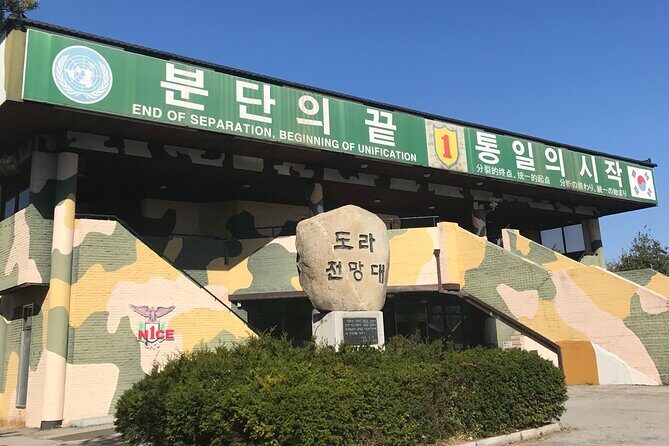
- Dora Observatory time for northward views toward places like Gaeseong and Songaksan (weather permitting)
- DMZ tickets are limited each day and follow first come, first served rules
- Imjingak Pyeonghoa-Nuri Park gives you monuments and context right before you head closer to the border zone
Why the DMZ day feels different from a normal Seoul outing
The DMZ (Demilitarized Zone) is one of those places where the distance is short, but the meaning is huge. On this tour, you’re not stuck with a long, vague bus ride and a quick stop. You move through several specific sites, each with its own angle on the Korean War and the continuing division.
This is a half-day format, about 6 hours 30 minutes total, starting at 8:00 am. That matters because you’ll still have your afternoon in Seoul, instead of sacrificing the whole day.
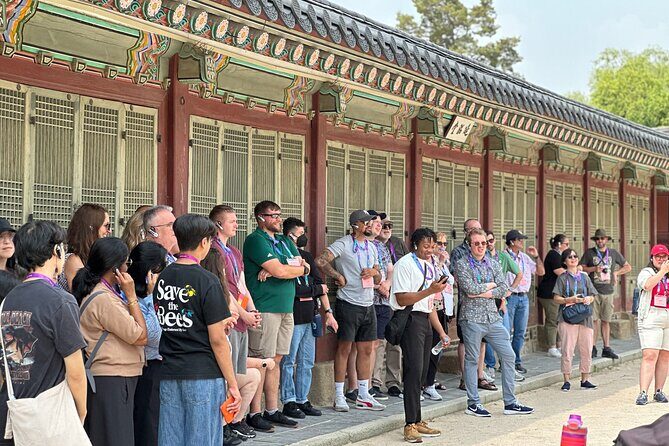
And since this is a small-group tour (maximum 10 travelers), the experience tends to feel controlled rather than rushed. Your guide can explain what you’re looking at, and you can ask follow-ups instead of just collecting photos.
You can also read our reviews of more tours and experiences in Seoul
Passport rule and DMZ ticket timing: the part you can’t wing
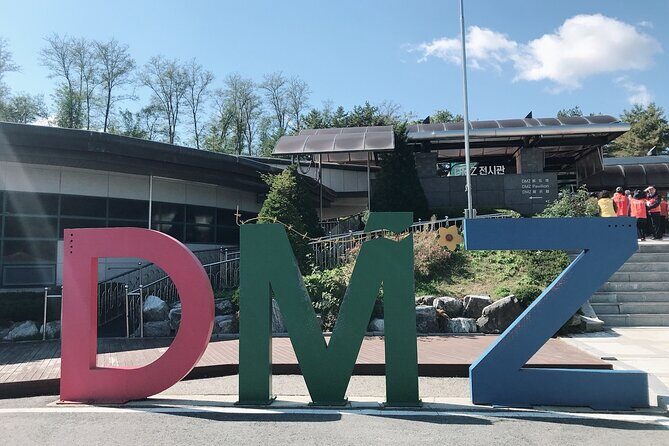
Let’s talk about the make-or-break details up front, because the DMZ doesn’t work like a museum.
You need your original passport to enter the DMZ. No copy. No photo. That’s a strict requirement. If you travel with a digital copy only, or you forget the passport, you’ll be the one who loses the trip.
Also, DMZ entrance tickets are sold in limited quantities each day and follow a first come, first served approach. A lot of people book around 6 days in advance on average, but the suggested timing here is earlier—about one month before. Last-minute availability can happen, but it’s random.
One more practical note: the tour gives a confirmation within 48 hours of booking (subject to availability). So if you’re planning tightly around other tours, don’t assume you’re set the moment you click buy.
Getting there from Seoul: 8:00 am City Hall meeting and efficient transport
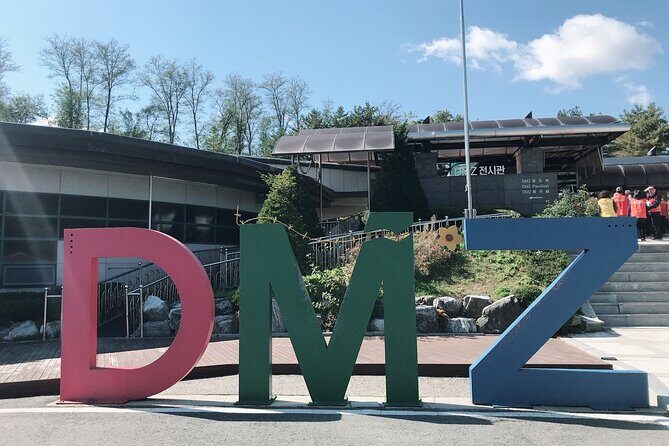
The meeting point is Seoul City Hall (address: 110 Sejong-daero, Jung District, Seoul), near Subway Line 1. That’s convenient because you’re already on a major rail line, and it avoids long transfers from outlying neighborhoods.
The tour includes all transportation, so you’re not coordinating buses or trains across Paju and the border region. A driver-and-guide setup is especially helpful here because timing matters: DMZ entry depends on your slot, and each stop has its own clock.
You’ll also carry a mobile ticket. It’s a small thing, but it reduces fuss when you’re checking in early.
Stop 1: Imjingak Pyeonghoa-Nuri Park and the mood-setting monuments
The first stop is Imjingak Pyeonghoa-Nuri Park, about 7 km from the military demarcation line. You’ll have around 45 minutes here, with an admission ticket included.
This park is packed with statues and monuments related to the Korean War. It was built in 1972, and the idea was hope for future unification. That’s not just a slogan on a plaque. It shows in the layout and in what the park chooses to emphasize: the emotional and political weight of separation, with a forward-looking theme.
Why this stop is valuable: it gives you a baseline before you reach the more technical border sites. If you go straight to tunnels and observatories first, it’s easy to treat them like set pieces. Starting at Imjingak helps you connect the physical structures to the larger story.
Possible drawback: 45 minutes can feel short if you like reading every sign or taking in each monument slowly. If you’re the kind of person who reads everything, decide early what you want to focus on, so you don’t miss the rest of the day.
Stop 2: Paju Freedom Bridge and a quick look at return routes
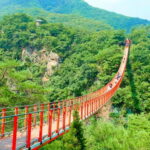
Next up is Paju and the Freedom Bridge, with about 20 minutes on the clock. Entry is free.
The bridge was built for temporary use, so don’t expect it to feel like a grand architectural landmark. The significance is more about symbolism. It’s named for the idea that South Koreans returned through this route.
This stop is short on purpose. It’s a pause for context. When you’re about to see fortification and border-era infrastructure, you want those earlier “what this meant to people” moments.
If you’re here for big photo angles only, you might find this brief segment less satisfying than the later stops. But if you want to understand how movement of people became a story of division and survival, this stop helps you connect the dots fast.


Stop 3: The 3rd Tunnel walk where the border becomes physical
Then comes one of the main reasons many people choose this tour: the 3rd Tunnel.
You’ll spend about 45 minutes here, and entry is free. The tunnel is known as having been discovered in 1978 by South Korean forces. It runs about 1,635 meters long, with small dimensions—about 2 meters wide and 2 meters high.
And it’s estimated that around 30,000 soldiers were involved in the tunnel’s purpose. Those numbers make the tunnel feel less like a curiosity and more like a serious piece of military planning.
The best part is what the overview promises: you can walk through the tunnel. That change is huge compared with staring at a distant structure. Your body understands scale immediately—confined space, the sense of being inside something designed for one outcome.
What to consider: since DMZ access can be influenced by conditions beyond your control, you might not always see everything exactly as expected. The tour is still designed around the key stops, but there can be limits on what’s available on the day.
Stop 4: Dora Observatory views north toward Gaeseong and Songaksan
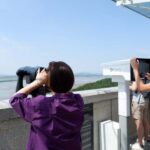
After the tunnel, you head to Dora Observatory for another 45 minutes, with an admission ticket included.
Dora Observatory opened to the public in 1987, and it’s positioned for overlooking North Korea. The tour description mentions you can look toward locations such as Gaeseong and Songaksan, along with other areas in the north.
This is the moment where you switch from “this is what happened” to “this is what you can still see.” Observatories can feel similar across countries, but here the stakes are different. You’re looking across a living political boundary.
Why it’s worth the time: when the visibility is good, it’s easier to grasp the reality of separation. The view isn’t just pretty; it’s loaded with history and present tension.
The biggest practical factor is weather. This experience requires good weather. If it’s canceled due to poor weather, you’ll be offered a different date or a full refund. So don’t plan an important last-minute commitment for the afternoon if you’re hoping to keep things simple.
Stop 5 in Seoul: ginseng museum and duty-free time
On the way back, the tour includes a stop in Seoul centered on ginseng, with about 30 minutes allocated.
You’ll visit a ginseng museum where you can learn about the history of ginseng, different types, and its positive effects. After that, there’s also a duty-free shop stop. The idea here is straightforward: a chance to shop for items like luxury fashion brands you might not want to hunt down on your own.
This final block is the least “border-zone dramatic,” so match your expectations. It’s not the heart of the tour, but it can be useful if you want a structured shopping break without losing time wandering.
Quick caution: since this is still part of a tight schedule, don’t plan to spend your whole focus budget reading every exhibit or browsing every rack. If you want souvenirs, decide what you’re looking for early.
Price and value: $500 per group (up to 4) for a border-day logistics package
At $500.00 per group (up to 4), this isn’t a cheap outing. But it’s also not just a “guide walking you around Seoul” kind of price.
You’re paying for several real costs that add up:
- DMZ-area transport from central Seoul
- an English-speaking guide with commentary
- all fees and taxes
- scheduled time blocks at specific sites, including paid admission stops like Imjingak and Dora Observatory
If you’re traveling solo, the cost per person can feel steep compared with other Seoul day tours. If you’re a pair or small family (up to four), it becomes much more sensible because you’re splitting the group rate while still getting a private-group feel inside a small tour.
Also, the group limit matters for quality. Maximum 10 means less noise, fewer rushed questions, and more of a chance to understand what you’re seeing.
The guide factor: why Henry Park-style professionalism matters here
A big theme in this tour’s reputation is the guide. A guide named Henry Park shows up repeatedly for being friendly, professional, and organized with time.
That last part is underrated for DMZ tours. When you’re dealing with tight entry windows and a schedule that runs like clockwork, time management can make the difference between feeling like you just got transported to landmarks versus actually understanding them.
Henry Park is also described as having strong cultural and driving skills, plus a willingness to answer questions with lots of context. That kind of guiding helps on stops like:
- Imjingak, where symbolism and monument choices matter
- Dora Observatory, where your eyes need help turning a view into meaning
- the tunnel visit, where you want the background without it turning into a lecture
So if you’re trying to get more than photos, you’ll likely appreciate a guide who can explain, not just narrate.
Who should book this DMZ half-day tour?
This tour fits best if you want:
- a focused, half-day DMZ experience from Seoul
- the main checkpoints tied to war memory and ongoing division
- a small-group format with English commentary
- the chance to walk through the 3rd Tunnel, not just look from afar
It might not be the right match if:
- you hate weather uncertainty and tight schedules
- you travel with only a copy of your passport
- you want long, slow museum time where you can read everything cover-to-cover
If you’re the type who likes a day plan that hits key sites efficiently, this works.
Should you book this Half-Day DMZ Small-Group Tour?
Yes, if you can meet the hard requirements and you’re ready for a morning that feels serious, not sightseeing-silly.
Book it if you:
- have your original passport ready well before the departure day
- want a small-group experience that uses time well
- care about meaning—Imjingak monuments, the tunnel visit, and the Dora Observatory view
Skip or reconsider if you’re traveling with uncertain documents, depend on perfect weather, or you’re hoping for a casual, flexible day.
Bottom line: for the $500 group price, you’re buying more than transport. You’re buying access to structured DMZ landmarks with the kind of guiding that helps you understand what the border actually does to daily life, history, and the landscape you’re standing on.
FAQ
Where does the tour start?
It starts at Seoul City Hall, address 110 Sejong-daero, Jung District, Seoul. It’s shown as near Subway Line 1.
What time does the tour begin?
The start time is 8:00 am.
How long is the tour?
The duration is about 6 hours 30 minutes.
How big is the group?
This tour has a maximum of 10 travelers.
What do I need to bring to enter the DMZ?
You must bring your original passport. No copy and no photo.
Is lunch included?
No. Lunch is not included.
Is the tour weather dependent?
Yes, the experience requires good weather. If it’s canceled due to poor weather, you’ll be offered a different date or a full refund.
If you tell me your travel dates and how many people are in your group, I can help you think through whether the timing makes sense versus other Seoul plans for that day.