REVIEW · SEOUL
Seoul : Taste of Korea, Authentic Home-Style Cooking Class
Book on Viator →Operated by Hansik Korean Cooking Class · Bookable on Viator
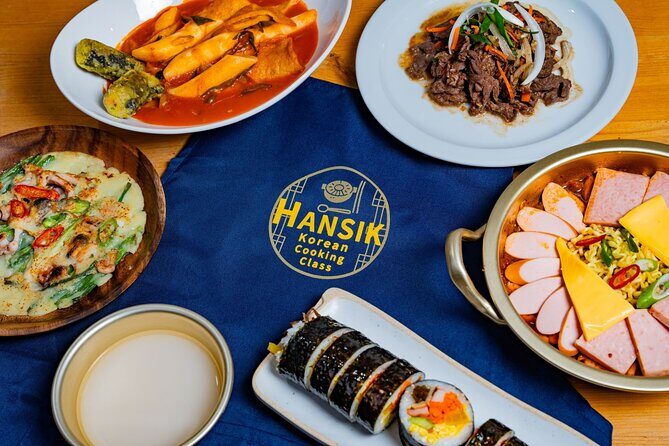
Four Korean dishes in one hands-on session. This Seoul class is built around cooking Hansik with your own hands and then eating the results, guided by instructor Jennifer in a clean, well-run kitchen near Jongno. What I really liked: the step-by-step pace keeps you moving forward even if you’ve never cooked Korean before, and the portions are so generous you’re likely to take leftovers with you.
One watch-out: the menu includes naturally spicy dishes like tteokbokki and budae jjigae, so if you’re sensitive to heat (or have any dietary limits), speak up early so the chef can adjust.
In This Review
- Key highlights to know before you go
- Why this Hansik cooking class feels different from a food tour
- Finding the kitchen in Jongno (Jahamun-ro) is easier than it sounds
- How the 3-hour session actually works (and why the pace helps)
- The four dishes: what you’ll learn from each one
- Gimbap: the skill of rolling and balancing flavors
- Tteokbokki: spice, sauce, and getting the chew right
- Haemulpajeon: savory pancake comfort (seafood + scallions)
- Budae jjigae: the stew that teaches depth
- After you cook: tea, Sikhye, Makgeolli, dessert, and leftovers
- Instruction style: Jennifer, Ms Lee, and learning what you can repeat
- Price and value: why $89 can make sense in Seoul
- Who should book this Korean home-cooking class
- Should you book Hansik Korean Cooking Class in Seoul?
- FAQ
- What dishes will I cook in this Seoul class?
- How long is the cooking class?
- What’s the group size?
- What food and drinks are included?
- Are alcoholic drinks included?
- Where do I meet and how do I find it?
Key highlights to know before you go
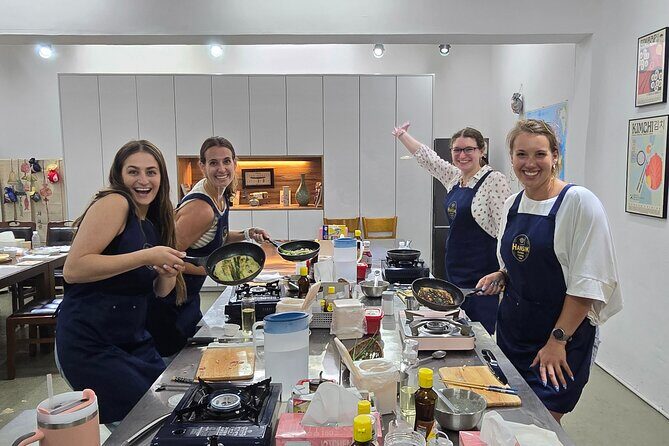
- Four classic dishes you cook yourself: gimbap, tteokbokki, haemulpajeon, and budae jjigae
- Small group size (max 10) means more time with the instructor and less waiting
- Jennifer’s teaching style mixes technique with stories and practical language notes
- Full-course meal plus drinks and dessert after you cook (including Sikhye and Makgeolli)
- Digital recipes afterward so you can recreate what you made back home
Why this Hansik cooking class feels different from a food tour
Seoul has no shortage of great places to eat. But a cooking class hits a different nerve. You’re not just tasting Korean food—you’re learning what makes it work: texture, balance, timing, and the small choices that turn a home dish into something you actually want to repeat.
This one is focused on home-style Korean cooking, the kind you’d find in real kitchens rather than a showpiece restaurant. The class centers on Hansik, the everyday Korean food you’d order when you want comfort, not ceremony. And because you’ll make four dishes from scratch, you’ll leave knowing more than how things taste—you’ll know how to build them.
Value-wise, I like that the price includes more than instruction. You get a full course meal of what’s prepared during the session, plus Korean tea, snacks, Sikhye (a sweet rice punch), and desserts. Even the drink offering has structure: Makgeolli is included, but alcohol is only served to travelers 21+, with non-alcoholic drinks for under 21.
You can also read our reviews of more cooking classes in Seoul
Finding the kitchen in Jongno (Jahamun-ro) is easier than it sounds
The meeting point is at 31-5 Jahamun-ro, Jongno District, Seoul, and the activity ends back at the same spot. That matters because you don’t have to plan a second transit headache right after class—your “where do we go next?” question gets handled.
The location is also described as near public transportation, which is a big deal in Seoul. A lot of cooking classes end up tucked into places that are doable only if you already know the neighborhood. Here, you have a real chance of getting there without playing map Tetris.
You’ll also get a mobile ticket, so you can keep everything simple on your phone. And since the group is capped at 10, the whole experience stays organized rather than turning into a long line of people waiting for equipment.
How the 3-hour session actually works (and why the pace helps)
The class runs about 3 hours. That’s long enough to learn hands-on and cook multiple dishes, but not so long that you feel trapped in an activity marathon.
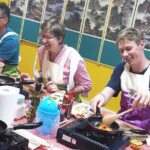
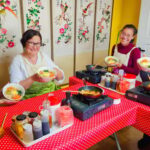
From what’s described, the kitchen has dedicated cooking stations in a fresh, hygienic setup. You’ll cook while your instructor and team circulate to help step by step. Jennifer is repeatedly praised for being patient and supportive, and for making sure you can succeed even when you’re still figuring out Korean cooking techniques.
You also get a sense that the class is interactive rather than lecture-heavy. You’ll be doing the work: prepping, cooking, assembling, and tasting as you go. Reviews mention that instruction includes explanations and guidance, with time to assist when needed. That’s the difference between watching a demo and actually gaining skills you can use later.
Most importantly, this class keeps momentum. The pace is guided so you don’t stall at one station for 45 minutes while everyone else moves on. If you’ve ever been in a cooking class where you spend half the time waiting, you’ll appreciate this structure.
The four dishes: what you’ll learn from each one
The heart of this class is four Korean home dishes. Expect to cook each one yourself, then eat as part of a larger meal. Here’s what each dish teaches, and what to consider.
Gimbap: the skill of rolling and balancing flavors
Gimbap is often described as Korean rice rolls, and that’s a good entry point for beginners. The value here isn’t only learning to make it—it’s learning how rice and fillings work together so the roll holds, slices cleanly, and tastes balanced.
Even if you don’t nail every roll shape on the first try, you’ll come away with a repeatable process. Gimbap is also a great “take it home” dish because it’s practical and familiar once you understand the basics.
You can also read our reviews of more tours and experiences in Seoul


Tteokbokki: spice, sauce, and getting the chew right
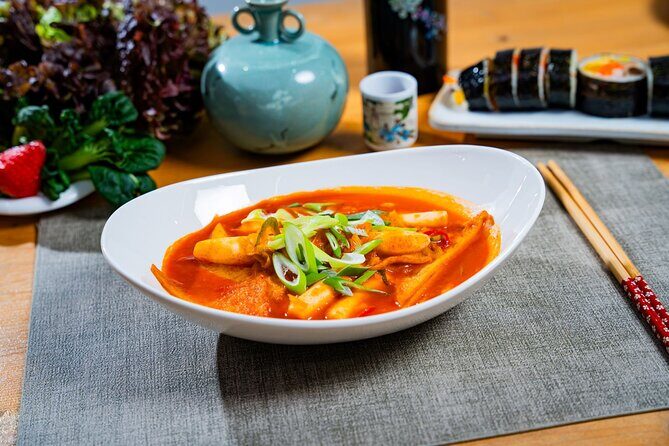
Tteokbokki is red chili paste sauce over rice cakes. You’ll learn the core idea: how the sauce clings, how flavors build, and how to handle the texture of rice cakes as they cook.
This is the dish most likely to be affected by your heat tolerance. If you don’t handle spicy well, don’t just quietly suffer. Tell the instructor and ask for adjustment. It’s also a dish where timing matters, so having hands-on guidance during the process is a real advantage.
Haemulpajeon: savory pancake comfort (seafood + scallions)
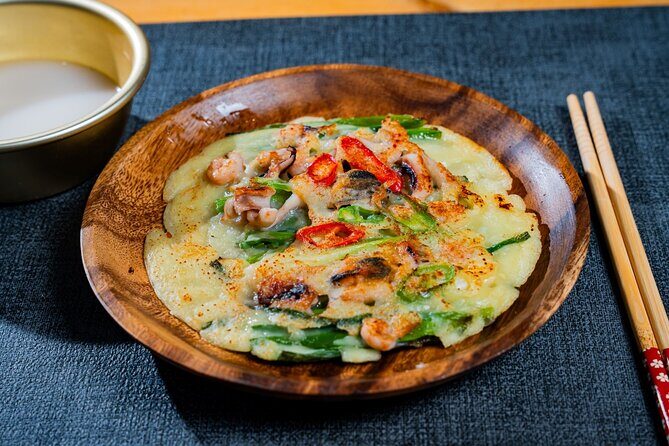
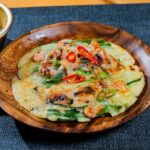
Haemulpajeon is a seafood and green onion pancake. This dish teaches a different cooking skill than the rolls and sauce-based rice cakes: batter consistency and pan technique.
It’s also a satisfying payoff dish. Pancakes are forgiving in a way, but the goal is still to make something that’s crisp where it should be and cooked through where it counts. Because the class keeps the group small, you’re more likely to get personal tips on pan heat and flipping.
Budae jjigae: the stew that teaches depth
Budaejjigae—often called army stew—is hearty and full of flavor. As a stew, it rewards understanding how ingredients interact in liquid: building a base, simmering for depth, and getting the right intensity.
This one also tends to be bold in flavor and often spicy depending on preparation. If you’re watching spice or ingredients, flag it early. The class notes that dietary restrictions can be accommodated with alternative recipes, which is especially important for a stew where ingredients can vary widely.
After you cook: tea, Sikhye, Makgeolli, dessert, and leftovers
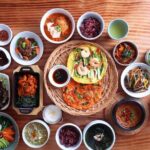
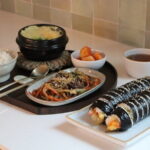
One of the biggest practical reasons I like home cooking classes is the food isn’t just a snack at the end. Here, you get a full-course home meal, along with Korean tea and snacks.
The drink lineup is part of the experience. You’ll see Sikhye served, plus Makgeolli. Alcohol is only for travelers 21 and older, and anyone under 21 is served non-alcoholic drinks. That makes it feel welcoming across ages without turning it into a separate rule-check at the bar.
Dessert is included too, so you’re not left scrambling for a sweet bite after your meal. And one of the best “real life” benefits: multiple reviews mention leftovers. That means you might leave with lunch tomorrow—or at least a couple extra portions to share. Come hungry really applies here.
Also, don’t eat a huge meal beforehand. The class is built so you’ll be cooking and then sitting down to eat what you made. If you show up already stuffed, you’ll miss the point.
Instruction style: Jennifer, Ms Lee, and learning what you can repeat
What makes this class feel worth it is the teaching approach. Jennifer is repeatedly described as talkative in a friendly way, patient, and supportive. That matters because Korean cooking can look intimidating at first—rice texture, sauce reduction, pancake technique, and rolling all have small details that make a big difference.
You’ll also pick up more than recipes. Reviews mention that Jennifer explains history and language around the dishes, which can be fun if you like context. It also gives your brain something useful to hold onto while you cook.
Digital recipes are provided afterward. That’s a big deal for value. You’re not relying on memory or sketchy notes. You’ll get instructions you can use later, which makes the class feel like a skill-building experience rather than a one-day event.
Dietary restrictions are also addressed. The teaching includes alternative recipes when needed, and there’s flexibility around preferences. If you have allergies or strong preferences, send them in when you book so the team can plan in advance.
Price and value: why $89 can make sense in Seoul
At $89 per person for about 3 hours, this isn’t a budget snack class. But it also isn’t just paying for a meal.
You’re paying for:
- Hands-on instruction while cooking four dishes
- A clean setup with dedicated stations
- A full meal plus tea, snacks, Sikhye, desserts, and Makgeolli where allowed
- Digital recipes afterward
- A class size capped at 10 travelers, which typically means more attention
In a city where cooking classes can be either too short (one dish, mostly watching) or too expensive (fewer people, more show), this sits in a workable middle. The portion size and leftover potential are a real value boost. If you’d normally spend a chunk of the day on meals anyway, this gives you that food time plus the skill to recreate it later.
One last value tip: this type of class gets booked ahead. The listing notes an average booking window of 34 days, so don’t wait until the last week if your schedule is tight.
Who should book this Korean home-cooking class
This is a great fit if you:
- Want a practical Seoul food experience where you cook, eat, and get recipes
- Like small groups and hands-on coaching rather than a crowd
- Are a food lover who wants classic Hansik dishes: gimbap, tteokbokki, haemulpajeon, and budae jjigae
- Are traveling with family, since kids have participated in past classes (and the drink rules are handled with age-appropriate non-alcoholic options)
It’s less ideal if you hate spicy foods and don’t want to adjust anything. You can still attend, but you’ll want to communicate your spice tolerance so you can enjoy the class rather than just endure it.
Should you book Hansik Korean Cooking Class in Seoul?
If you want an experience that feels like real Korean home cooking—not just tasting—you should book it. The combination of four dishes, supportive instruction from Jennifer (with help from her team), and the fact that you eat a full-course meal afterward makes the time feel well spent.
Do it especially if you value taking something concrete home: digital recipes and enough food to make leftovers worthwhile. Just come with the right mindset: you’ll be cooking, not spectating. And if you’re sensitive to spice or have dietary needs, plan to tell the team early so the class can adjust the food for you.
If that sounds like your kind of Seoul day, this is a strong pick.
FAQ
What dishes will I cook in this Seoul class?
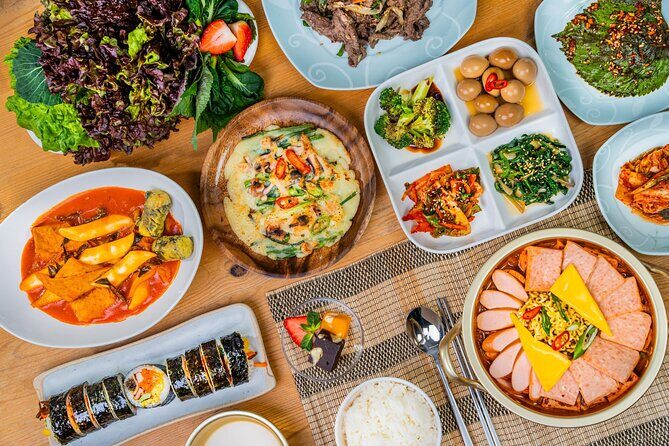
You’ll cook four Korean home-style dishes: gimbap (rice rolls), tteokbokki (rice cakes with gochujang sauce), haemulpajeon (seafood and green onion pancake), and budae jjigae (army stew).
How long is the cooking class?
The class runs for about 3 hours.
What’s the group size?
The class has a maximum of 10 travelers.
What food and drinks are included?
You’ll get Korean tea, snacks, Sikhye (Korean rice punch), desserts, and Makgeolli. Makgeolli is an alcoholic drink, so how it’s served depends on age.
Are alcoholic drinks included?
Alcoholic drinks are only served to travelers 21 years old and above. Minor travelers below 21 are served non-alcoholic drinks.
Where do I meet and how do I find it?
You meet at 31-5 Jahamun-ro, Jongno District, Seoul, South Korea, and the activity ends back at the same meeting point. The location is described as near public transportation.