REVIEW · SEOUL
Private Guided Tour in DMZ with Lake (Optional Incheon Layover)
Book on Viator →Operated by Awesome Tour · Bookable on Viator
A border day hits different. A private guided trip into the DMZ from Seoul lets you see a real slice of Korea’s political reality, not just slogans and photos.
I especially like two parts of this day. First, you start emotionally at Imjingak Pyeonghoa-Nuri Park, walking past symbols like the Bridge of Freedom and other reminders tied to displaced people. Second, the route stays structured and human—your guide walks you through what you’re seeing, including the Third Tunnel where you really feel the scale of what was built for movement and conflict.
One consideration: this is a long day (about 9–10 hours) and the Third Tunnel walk involves stairs/steps and some physical effort in a confined setting. If you’re not comfortable with that, plan ahead and wear shoes that won’t slip.
In This Review
- What You’ll Love Most About This DMZ Day
- Key Highlights You Should Care About
- Why the DMZ Feels Different From Other Seoul Day Trips
- Pickup, Timing, and How You’ll Spend the Long 9–10 Hours
- Imjingak Pyeonghoa-Nuri Park: The Emotional Setup Before the Border
- Entering the DMZ Area and the Third Tunnel Experience (73 m Down)
- Dora Observatory: What You’ll Notice From the Viewpoint
- Majang Lake (and Your Optional Post-DMZ Choice)
- Price and Value: Is $200 Worth It for a Private DMZ Day?
- Who This Tour Fits Best (And Who Should Think Twice)
- Should You Book This DMZ Tour?
- FAQ
- How long is the DMZ private tour?
- Do I get hotel pickup and drop-off?
- What’s included in the tour price?
- Is lunch included?
- What happens after the DMZ?
- Can I get a full refund if I cancel?
What You’ll Love Most About This DMZ Day

This tour is built for people who want clarity. You get a private vehicle, hotel pickup and drop-off, and admission tickets for the main stops, so you’re not stuck juggling logistics on a day that’s already intense. And if your schedule has an Incheon layover, the tour is offered with that in mind—just coordinate timing with the operator when you book.
The other big win is the guide. From the names I’ve seen associated with this experience—Hyun Soo, Taylor Woo, and Hun Lee—there’s a pattern: clear English, patient explanations, and an easygoing pace that helps you keep your footing (and your questions) through the heavier parts of the day.
Key Highlights You Should Care About
- Imjingak Pyeonghoa-Nuri Park first: a grounded start before you ever reach the DMZ zone
- Third Tunnel walk with the guide inside: you go in, not just look from a platform
- Depth and time matter: it’s about 73 m down and roughly 20 minutes round trip
- Dora Observatory viewing: you get a direct in-person look at what’s positioned across the border
- Majang Lake photo time: a short nature pause to reset after a serious morning
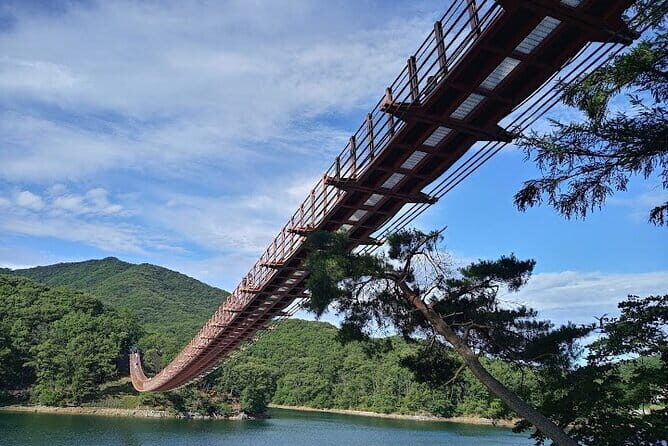
- Flexible final stop: choose between a post-war life museum-style stop or a suspension bridge area
You can also read our reviews of more guided tours in Seoul


Why the DMZ Feels Different From Other Seoul Day Trips
The DMZ isn’t a theme park border. It’s a living line in a divided country, and the experience is designed to make that feel real. You’ll move through places that connect politics to people—displacement, military planning, and the daily reality of what’s on the other side.
What I like is that the day doesn’t just ask you to stare. You’re guided to notice what matters: why certain sites exist, how they’re positioned, and what those viewpoints were built to do. That turns the day from a checklist into understanding.
It’s also emotionally weighty. Even with clear explanations, you should expect the tone to be serious at stops like Dora Observatory and the tunnel. If you go in with the right mindset—curious, calm, and ready to learn—you’ll get far more out of it.
Pickup, Timing, and How You’ll Spend the Long 9–10 Hours
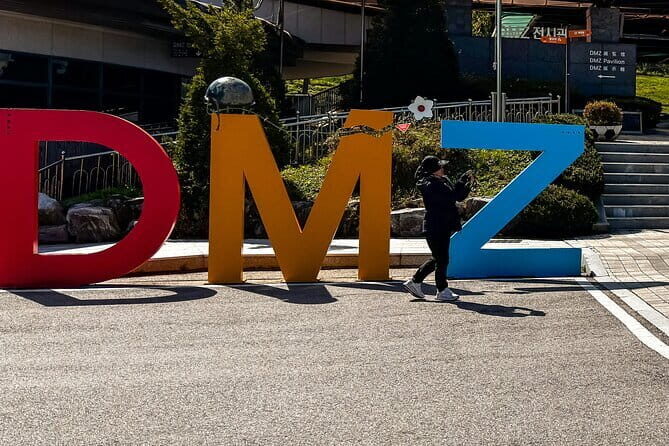
This is a private guided tour with only your group. That matters because the day is long and the DMZ stops can be rigid; being private gives your guide room to manage pacing for your people, not a mixed crowd.
The schedule is roughly:
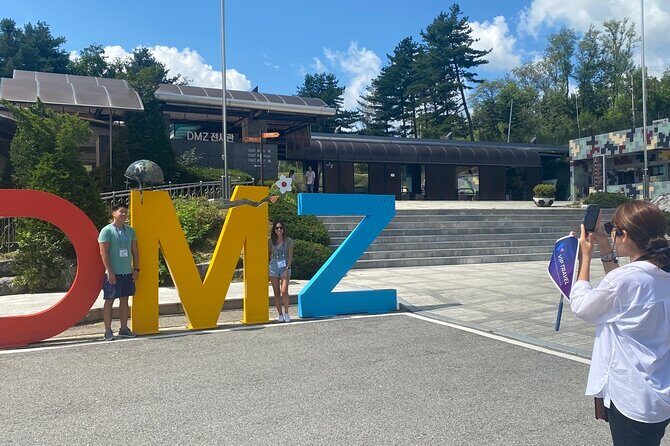
- Stop 1: Imjingak Pyeonghoa-Nuri Park (about 1 hour)
- Stop 2: DMZ area (about 2 hours)
- Stop 3: Third Tunnel (about 1 hour total on the site)
- Stop 4: Dora Observatory (about 1 hour)
- Stop 5: Majang Lake (about 30 minutes)
Lunch isn’t included, so plan to either eat before you go or budget for a midday meal on your own. Since the experience runs 9–10 hours, skipping a plan for food can turn a fascinating day into a cranky one.
If you’re coming from Seoul hotels, the pickup-and-drop-off convenience is a real value. You avoid the stress of getting to the right launch point and back—exactly what you want on a day focused on border logistics and timed viewing.
Imjingak Pyeonghoa-Nuri Park: The Emotional Setup Before the Border

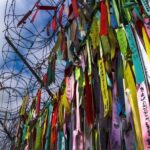
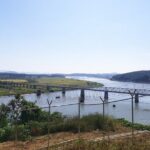
You start at Imjingak Pyeonghoa-Nuri Park, a place built for displaced people. The walk here is intentionally human. You start with symbols and reminders—like the Bridge of Freedom and things such as an abandoned steam train—before you move toward the DMZ area itself.
This first stop works because it gives you context fast. You learn that this isn’t only about modern geopolitics. It’s also about what separation did to families and communities, and why South Korea treats this border area with such gravity.
Practical tip: this is your best moment to slow down and take notes. Once you reach the DMZ viewing and the tunnel, the day gets more intense and there’s less room for reflection. Use Imjingak to get your bearings on what you’re about to see.
Entering the DMZ Area and the Third Tunnel Experience (73 m Down)
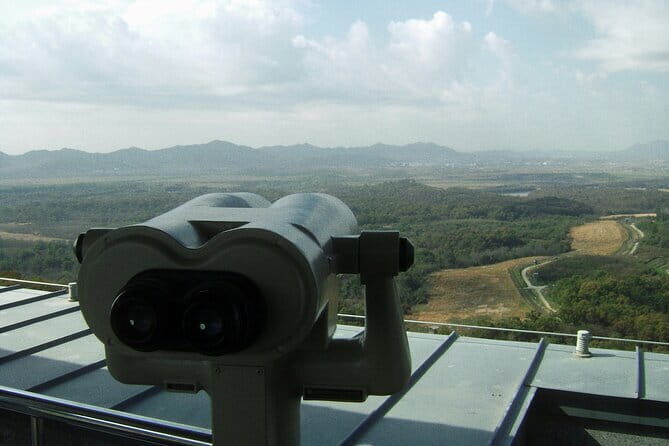
The DMZ stop is where the day turns from context to direct experience. You’ll spend about two hours here, guided through what you’re seeing and what you should be paying attention to.
Then comes the Third Tunnel. This is one of the most memorable parts because it’s not just looking—it’s walking where the story was engineered. The guide goes in together with you, and the tunnel is described as 73 m deep with around 20 minutes round trip.
A couple of real considerations:
- It’s a tunnel walk, so expect tight space and a physical commitment even if it’s not extremely long.
- Reviews connected to this experience note it can feel daunting for tall people, so if you’re long-limbed or easily uncomfortable in confined areas, factor that in.
This is also where the “scale” becomes clear. Your guide may discuss the idea of how many soldiers could be sent through such a route in a given time, because tunnels like this were built with speed and volume in mind. Even if you don’t memorize every detail, you’ll leave with a stronger sense of why this border matters so much to both sides.
You can also read our reviews of more private tours in Seoul




Dora Observatory: What You’ll Notice From the Viewpoint
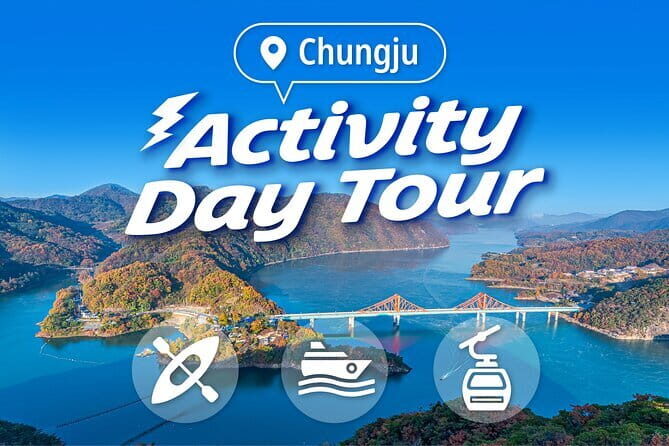
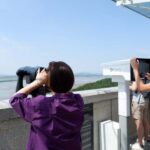
At Dora Observatory, you get the signature moment: seeing North Korea in person from a controlled viewing point. The tone here is often about limitations—what exists, what doesn’t, and what those constraints mean for everyday life.
You’ll spend about an hour at Dora Observatory, and the guide helps you connect what you see to the larger story of the Korean Peninsula: the contrast between South Korea’s development and the severe restrictions across the line.
Practical advice: keep your expectations realistic. You’re looking at a distant area and you’ll likely be focused on shapes, structures, and the logic of positioning. If you want a clear day for the best visibility, plan to dress for comfort and keep your eyes ready—sometimes weather changes the whole feeling of a viewpoint stop.
Majang Lake (and Your Optional Post-DMZ Choice)
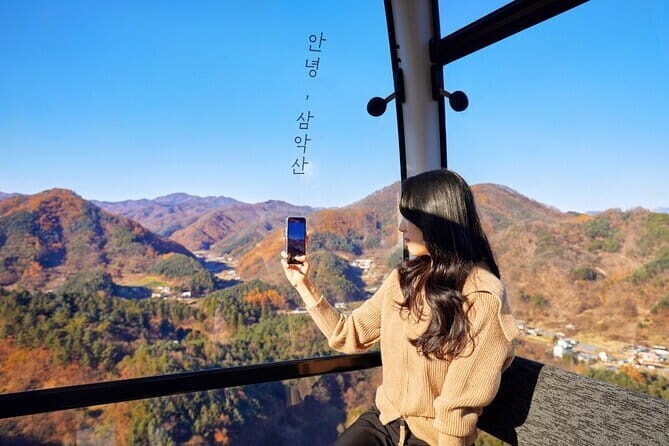
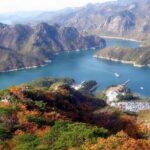
After the heavier parts of the day, you’ll get a reset. Majang Lake is a short nature break—about 30 minutes—where you walk together and the guide helps with photos. It’s brief, but it can be a helpful mental switch: less tension, more air, more ordinary scenery.
Then you have an additional choice after the DMZ portion. The tour description offers a couple of options:
- A museum-style stop showing life in Korea right after the war, with real collected items displayed
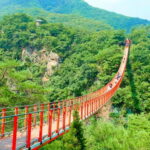
- Or a suspension bridge area, paired with lake and/or mountain views
Because this choice is up to you, decide based on your travel style:
- Pick the museum option if you want emotional context and tangible artifacts.
- Pick the suspension bridge if you want a scenic payoff and an easier pace after walking the tunnel.
Either way, it helps balance the day. Without that final choice, the experience could feel all weight and no release. With it, you leave with a clearer memory shape: context, border reality, then either reflection or scenery.
Price and Value: Is $200 Worth It for a Private DMZ Day?
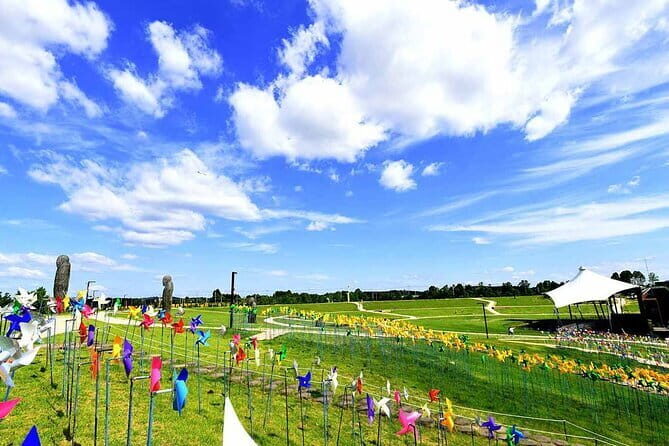
At $200 per person, this tour sits in the “serious experience” category—but it’s not just paying for distance. You’re paying for the combination of private logistics and guided access.
Here’s what’s included:
- Clean private vehicle
- Hotel pickup and drop-off
- Admission tickets, parking, tolls, and fuel
- A trained guide
Not included:
- Lunch
When you compare that to trying to assemble the day yourself, the value is the friction you don’t have to manage. The DMZ day has timing and route constraints. A private vehicle plus a guide who knows how to run the flow is the difference between learning and worrying.
Also, this experience has a proven booking rhythm—on average it’s reserved around 72 days in advance. That’s a clue: planning ahead is smart if you want a good slot and a smoother schedule.
If you’re traveling as a couple or small family group, the private format is usually where this price starts to feel very fair. You’re not sharing the day with strangers who might slow the pace or create constant question-churning.
Who This Tour Fits Best (And Who Should Think Twice)
This is best for you if you:
- Want a guided border experience with clear explanations and a human pace
- Prefer a private day over group tours
- Are comfortable walking through sites with real intensity, not just taking photos
It may not be ideal if you:
- Don’t do well with confined spaces or a physically demanding tunnel walk
- Need a very relaxed pace all day
- Get easily overwhelmed by heavy political topics
One more note: the tour calls for moderate physical fitness. That doesn’t mean extreme hiking, but it does mean you should be ready to walk, climb, and handle the tunnel portion without expecting it to be effortless.
For seniors or people who value a steady rhythm, the private guide format can help. The pacing is described as not rushed, which matters when you need time to rest and absorb the moment.
Should You Book This DMZ Tour?
If you want one Seoul day trip that actually changes how you understand the Korean Peninsula, I think this is a strong booking. The mix of Imjingak first, the Third Tunnel experience with the guide inside, and then Dora Observatory gives you a structured path through the story.
I’d book it if you value private guidance, want tickets and transport handled, and don’t mind a serious, long day. I’d skip or reconsider if you’re uncomfortable with the tunnel walk’s physical and confined-space feel, or if you need a lighter, purely scenic day.
If you’re debating between “DMZ as photos” versus “DMZ as understanding,” this one leans hard toward the second.
FAQ
How long is the DMZ private tour?
The tour runs about 9 to 10 hours.
Do I get hotel pickup and drop-off?
Yes. Pickup and drop-off are offered as part of the experience.
What’s included in the tour price?
The price includes a clean private vehicle, a trained guide, and all entrance/parking/toll/fuel costs. Mobile ticket is also mentioned.
Is lunch included?
No. Lunch is not included.
What happens after the DMZ?
After the DMZ portion, there’s one optional additional stop. You can choose between a museum showing real items from right after the war or a suspension bridge area with lake or mountain scenery.
Can I get a full refund if I cancel?
Yes. You can cancel for a full refund up to 24 hours before the experience’s start time.