REVIEW · SEOUL
10day Small Group Discover Korea Tour : History, Food and Culture
Book on Viator →Operated by Here Korea Travel · Bookable on Viator
Korea moves fast, and this tour follows that rhythm. You’ll go from volcanic Jeju to Seoul and the DMZ with an English-speaking guide, included domestic flights, and a packed route built around food, history, and modern Korea.
What I like most: you get hands-on highlights (markets, cooking class, and a live show) and you also slow down for real places like temples and countryside viewpoints. One thing to consider: this is a tight schedule, so you’ll spend lots of time on the move, and your first flight day can shift if weather disrupts Jeju travel plans.
If you love planning a trip but hate micro-managing, this tour is a strong match. I especially liked how the days mix geology and coast (Jeju), ancient royal Korea (Gyeongju/temples), and Seoul classics (palaces, hanok neighborhoods, tower views) with included meals to keep you fueled. The main drawback is that free time is limited in places, so if you want lots of independent wandering, you’ll have to work within the itinerary.
In This Review
- Key highlights at a glance
- What Your $3,800 Covers (and why it can feel worth it)
- From Gimpo to Jeju: Dokkaebi Road and the ARTE Museum start the story
- Jeju in full color: lava tubes, craters, black-sand beaches, and Dongmun Market
- Busan’s seaside energy: Gamcheon stairs, BIFF food, Jagalchi seafood, and Haedong Yonggungsa
- The Shilla kingdom stretch: Golgulsa Temple Stay, Bulguksa, and Seokguram
- Gyeongju after dark: tombs, Cheomseongdae, Wolji Pond nights, and Woljeonggyo views
- Jeonju and makgeolli energy: Maisan, Tapsa pagodas, hanok village food, and a rice-wine supper
- Seoul with a Suwon detour: palaces, hanok alleys, markets, tower views, and Jogyesa
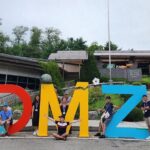
- DMZ day: first-come timing, Third Tunnel, Dora Observatory, and Tongil Park
- The Myeongdong closer: NANTA comedy plus your hands-on k-cooking class
- Should you book this Jeju-to-Seoul Korea tour?
- FAQ
- FAQ
- What time does the tour start?
- Do I get pickup, or do I need to find my own transport?
- Are flights included?
- Is the itinerary flexible if I want changes?
- What meals are included?
- What happens if my flight to Jeju is delayed or cancelled?
- How does the DMZ visit work?
- Is the tour refundable if I cancel?
Key highlights at a glance
- English-speaking guide + AC vehicle: fewer navigation headaches between cities.
- Jeju’s volcanic hits on schedule: caves, craters, black-sand beaches, and sunrise peak views.
- A real temple stay night at Golgulsa: not just a photo stop.
- DMZ visit with strict rules: no reservations and first-come timing shape your morning.
- Food-first Seoul days: Kwangjang Market snacks plus a k-cooking class to take home flavors.
- Myeongdong finale with NANTA: a nonverbal comedy show that works even if your Korean is still waking up.
What Your $3,800 Covers (and why it can feel worth it)
At $3,800 per person for 10 days, this isn’t a budget trip. It feels more like you’re paying for logistics that would otherwise eat your time: domestic flights (Gimpo → Jeju, then Jeju → Busan), airport transfers by included transport, and 3.5 to 4-star hotels for most nights. You also get entrance fees included for stops on the plan, plus a meal program (7 breakfasts, 7 lunches, and 2 dinners).
That matters because Korea is easy once you’re there, but it’s less easy when you’re switching regions every couple of days. Here, the guide and vehicle handle the move while you focus on the experience: Jeju geology, Busan seafood streets, royal-site sightseeing, and Seoul food culture.
Also, this tour is billed as a small-group/private style, meaning you’re not sharing it with random crowds. If you want a guided pace without the chaos of big group travel, the value lands better.
You can also read our reviews of more food & drink experiences in Seoul
From Gimpo to Jeju: Dokkaebi Road and the ARTE Museum start the story
Day one is all about setting the tone: you fly from Gimpo to Jeju (about an hour), then you’re off to your first stops without needing to sort transportation. One real practical detail: if your flight is delayed or cancelled due to weather, the plan can change and you do something else instead. That flexibility helps, but it also means you should keep expectations flexible on day one.
Once you’re on Jeju, Dokkaebi Road (Goblin’s Road) is a fun first win—uphill that messes with your sense of direction. It’s short, light on effort, and it gets everyone smiling fast. Then you hit ARTE Museum Jeju, a video and light arts museum, followed by Spirited Garden, a bonsai-style garden with an awards background.
You finish with coastal views: Hyeopjae Beach if you want a swim break, plus Jusangjeollidae (columnar rock formations) and Cheonjiyeon Falls. The drawback of day one? It’s a lot of stops before you’ve even fully settled into vacation mode, so comfortable walking shoes matter.
Jeju in full color: lava tubes, craters, black-sand beaches, and Dongmun Market
Jeju day two leans hard into geology and outdoors, which is great if you came for the island’s volcanic story. You start with Manjanggul Cave, one of the longest lava tubes in the world. Caves can feel cool and slippery, so wear shoes with grip and bring a light layer if you run cold indoors.
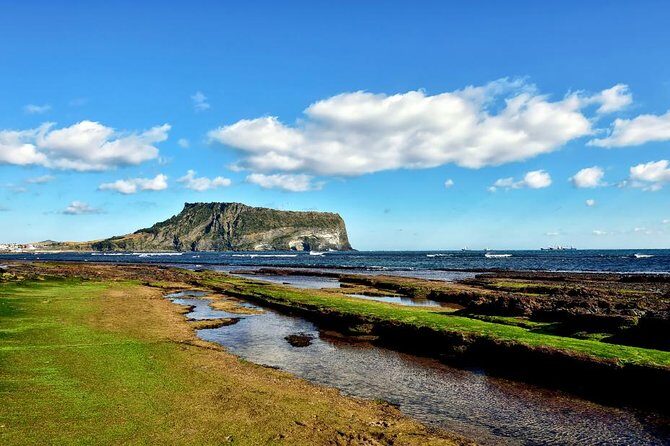
Next is Sangumburi Crater, described like a circular stadium from above—flat, wide, and dramatic from the viewpoints. After that, you get a different kind of beach at Gwangchigi Beach, known for its black sand made from weathered basalt rocks. It’s the kind of beach that looks different even from a distance.
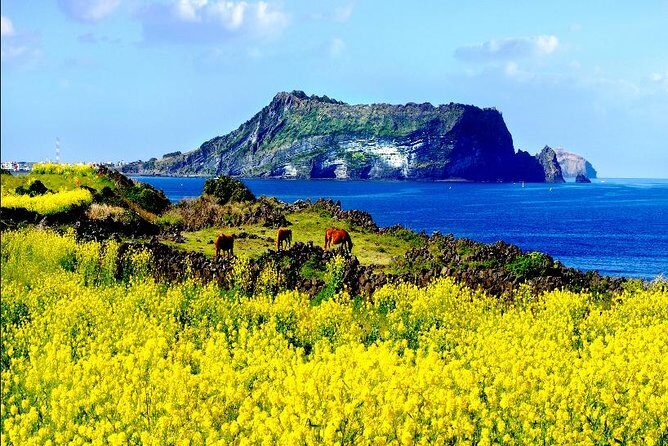
Then you climb to Seongsan Ilchulbong (Sunrise Peak). You’re moving uphill to reach the crater-top view, and it’s a “walk to the viewpoint, then take it in” experience. From there, Seongeup Folk Village gives you indigenous Jeju culture context, not just scenery. Finish at Dongmun Market, where inexpensive, everyday Jeju items and local snacks fit naturally into the day.
Tip: day two is a mix of cave + outdoor walking + market time. If you’re sensitive to long days, pacing yourself in the crater and cave is key.
Busan’s seaside energy: Gamcheon stairs, BIFF food, Jagalchi seafood, and Haedong Yonggungsa
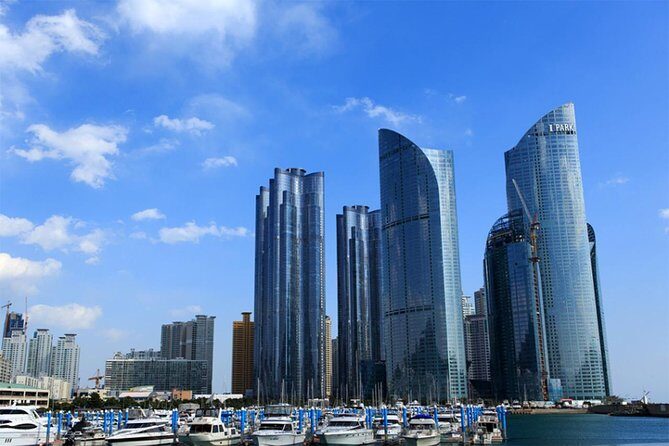
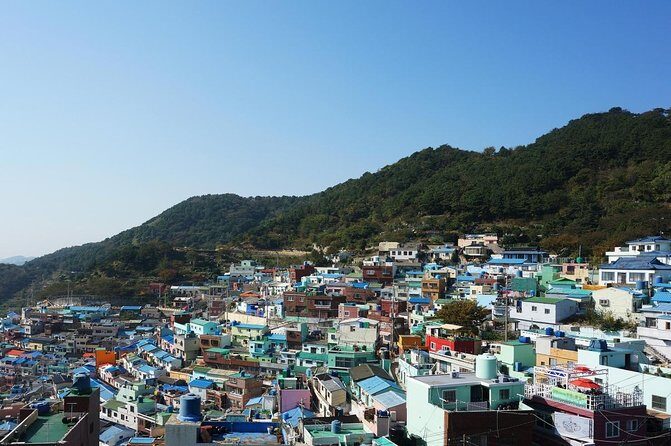
Busan day starts with a flight from Jeju, then you’re thrown into the city’s contrast: hills, sea views, food streets, and temples. Gamcheon Culture Village is built on a staircase layout on the coastal side of a mountain, so expect steps and angled streets. It’s a classic spot for colorful scenes and wandering.
Then comes Songdo Skywalk, plus an optional Ocean Cable Car add-on if you want a bigger view with less walking. After that, BIFF Square is a food-focused street stop as much as a film-festival landmark. The highlight here is the street-food vibe—especially sweet pancakes.
You also get a real market moment at Jagalchi Market, Busan’s big fish market. Seeing seafood life (and the “market reality” of it) is part of the experience, and it can be fascinating if you’re curious how coastal cities trade and eat.
The schedule also includes a long, double-decker bridge area that’s popular at night. The day suggests possible seasonal events like light festivals, fireworks, or drone events depending on timing, so you’ll want to keep that flexible. You end with Haedong Yonggungsa, a temple right by the sea—one of the most scenic temple settings in the country.
The Shilla kingdom stretch: Golgulsa Temple Stay, Bulguksa, and Seokguram
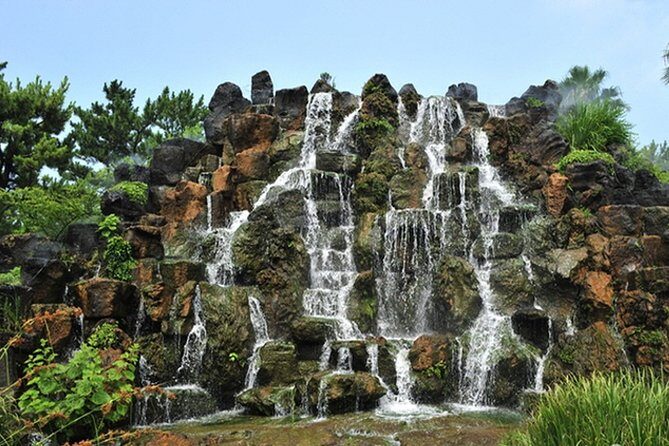
This is where the trip shifts from coast and food into deep historical Korea. You start with Golgulsa Temple, including a 1-night templestay component. Since templestay programs run 365 days a year, you’re not just visiting a site—you’re experiencing temple-life during at least part of a day and night.
After that temple block, you go to Bulguksa Temple, described as a 1,000-year-old Buddhist temple tied to the Silla Kingdom. It’s the kind of stop where the architecture and craftsmanship are the attraction, and the guide helps you appreciate what you’re seeing instead of just ticking off names.
Then there’s Seokguram, including a standout Buddha statue described as extraordinary. If you enjoy small “wow” moments over massive tour-bus crowds, you’ll likely find this pairing satisfying: one night that feels quiet, then high-impact monuments the next day.
Practical note: temple areas usually involve walking on uneven ground. Bring shoes that handle both paved areas and temple paths.
You can also read our reviews of more tours and experiences in Seoul
Gyeongju after dark: tombs, Cheomseongdae, Wolji Pond nights, and Woljeonggyo views
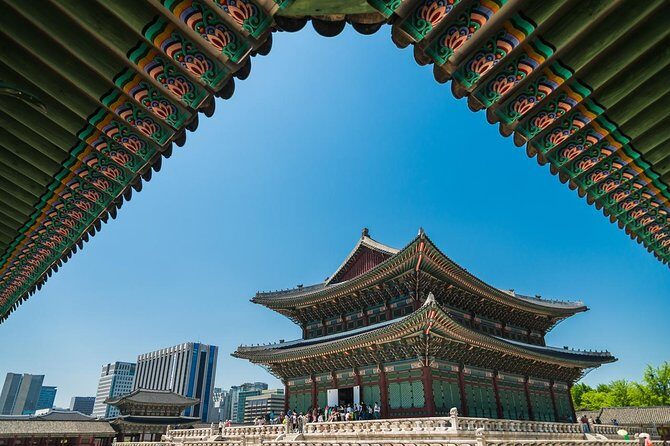
Gyeongju day is classic “royal Korea” sightseeing, and the route is smart because you’re not stuck in only museums. You start at Daereungwon Tomb Complex, which is a set of tombs spread across several areas. It’s historic without feeling like one long lecture.
Next is Cheomseongdae Observatory, the oldest surviving astronomical observatory in Asia (as stated on the plan). Even if astronomy isn’t your thing, it’s a neat reminder that scientific thinking shows up in everyday monuments.
You then visit Gyeongju National Museum for Silla dynasty artifacts. This museum stop helps you connect the tombs and temples to the people and era rather than treating them as isolated landmarks.
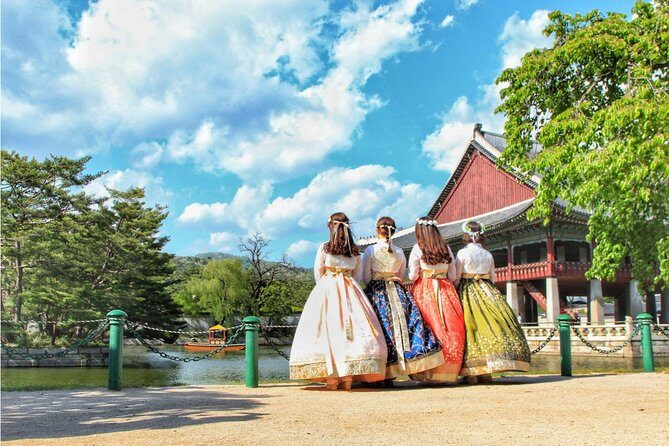
In the evening-time portion, you go to Donggung Palace and Wolji Pond, famous for its night view. This is one of those moments where timing matters: lights, reflections, and the feel of an old palace complex at night. You finish with Woljeonggyo Bridge, another evening-friendly viewpoint spot.
If you’re sensitive to cold evenings, plan for cooler weather around night photography time—without assuming you’ll always have warm breaks.
Jeonju and makgeolli energy: Maisan, Tapsa pagodas, hanok village food, and a rice-wine supper
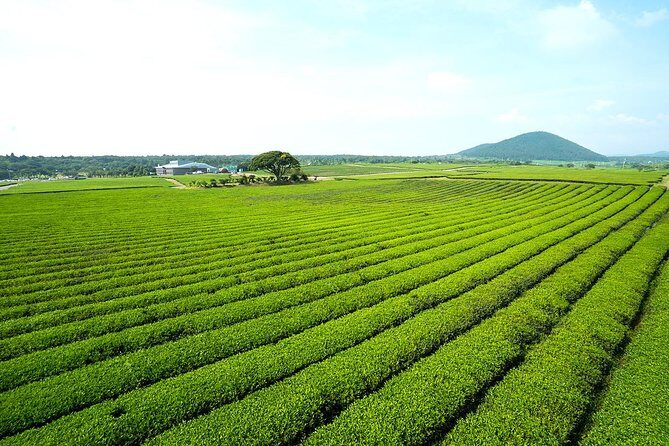
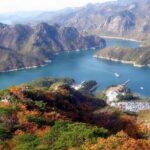
Day six shifts from Gyeongju into mountain country and then into Jeonju, a city known here as a food destination. You start with Maisan Mountain, described as looking like a horse ear, with a stop by Maisan observatory. Then you head to Tapsa Temple, famous on this itinerary for the over 80 stone pagodas attributed to Lee Gapyong, a retired scholar. That specific detail is the kind that makes a temple stop feel real instead of generic.
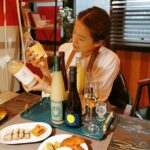
After that, you travel to Jeonju Hanok Village. You’ll get a food-focused introduction: bibimbab is on the menu, and at night there’s a traditional rice wine table. The point of this day is that Jeonju is not only a photo area. It’s a place where you eat your way through culture.
You also visit Gyeonggijeon Shrine (portrait of King Tae-jo as described), Jeondong Catholic Church, plus observatory stops Omokdae and Imokdae, where you can look down at the view with naked eyes. That “viewing points” structure helps you break the day into mental sections: food, then heritage sites, then vantage points.
Finally, you end with supper at 옛촌막걸리 삼천점, where the plan notes that the more rice wine you order, the more side dishes you get on the table.
If you want a trip where dinner is part of the itinerary, this day hits that goal.
Seoul with a Suwon detour: palaces, hanok alleys, markets, tower views, and Jogyesa
You start moving toward Seoul on day seven, with an in-between stop at Suwon Hwaseong Fortress, a UNESCO World Cultural Heritage site. The fortress is a history anchor before you hit the Seoul intensity.
Then there’s a fun food detour: the Suwon fried chicken street, noted for having many fried chicken spots lining the area. The plan emphasizes a special marinated, Korean BBQ-style sauce. It’s the kind of stop that feels like research disguised as snack time.
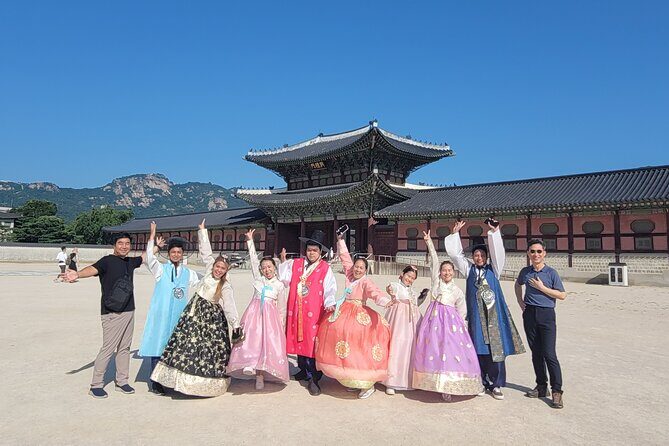
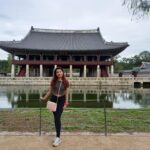
In Seoul on day eight, you begin at Gyeongbokgung Palace, then head to Insadong for traditional shopping and art galleries. Next is Bukchon Hanok Village, where you stroll through hanok streets packed close together. It’s easy to spend more time than you planned here, so I suggest letting the guide set the rhythm and then doing your own wandering in the time window you have.
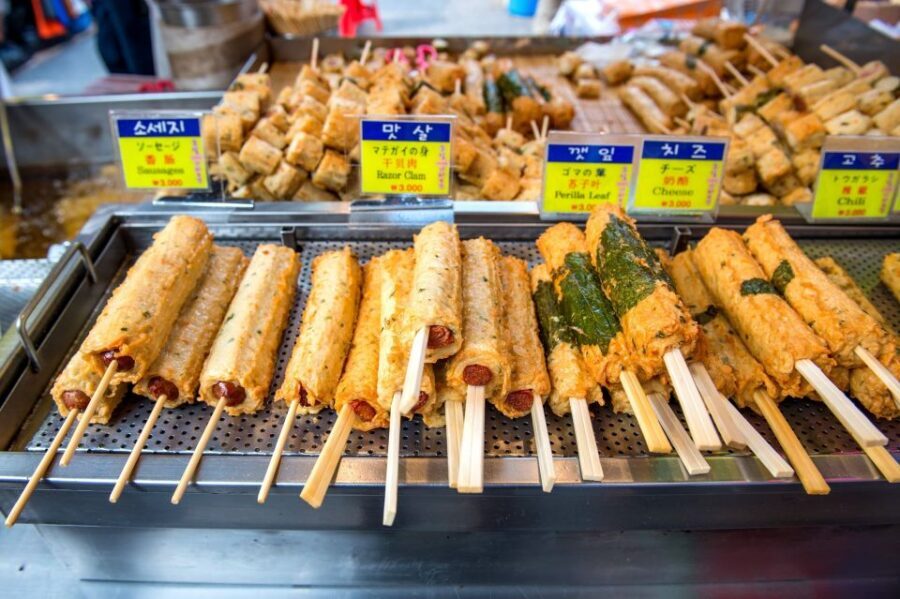
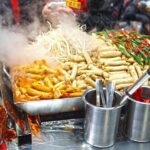
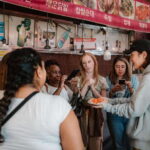
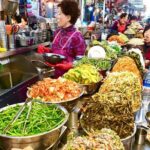
For eating, Kwangjang Market is one of the strongest stops on the day. The plan lists a long set of snack targets like mungbean pancakes, Korean donuts, gimbap, tteokbokki, and fruit juice. You’ll be able to sample without needing to commit to a single restaurant-style meal.
Then you get N Seoul Tower for a 360-degree viewpoint and Jogyesa Temple, described as meaningful for Seoul people and known for seasonal festivals.
This day is a lot of walking. If you’re planning shoe comfort, this is the day to prioritize it.
DMZ day: first-come timing, Third Tunnel, Dora Observatory, and Tongil Park
DMZ day is the most rule-heavy day on the whole trip, and you’ll feel that from the start. The plan emphasizes a key reality: there’s no reservation for DMZ tickets and it’s first come, first served, with an early meeting time. So even if you love sleeping in, you’ll be awake earlier than your usual vacation routine.
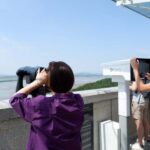
Once inside the DMZ program, you visit the Third Tunnel, dug after the Korean War as described, where you can go down into the tunnel. Then comes Dora Observatory, highlighted as a tour focus because you can see North Korea with binoculars. The plan notes views toward Gaeseong city and related industrial complex areas, plus a North Korean village area.
After that, you stop at Tongil Park (Unification Park), described as the only civilian control zone village where people actually live, with a chance to buy DMZ-related items and local products as part of the shuttle route.
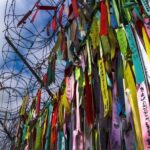
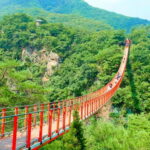
You also include Gamaksan Chulleong Bridge, with a short hike (about 10 minutes) and a viewpoint designed around Korean War context, including searching for missing people as described.
This day can feel intense. The good news is that you’re not guessing or researching—your guide walks you through the process, and the itinerary structure reduces stress.
The Myeongdong closer: NANTA comedy plus your hands-on k-cooking class
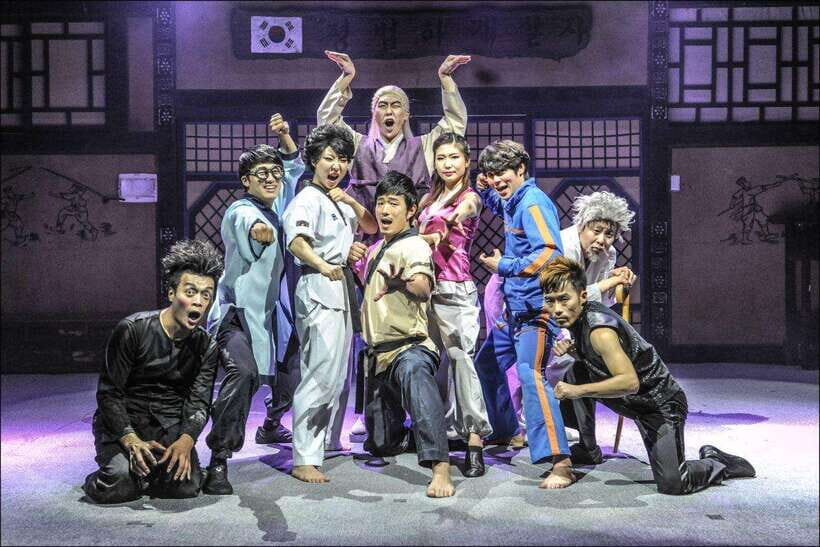
Your final day mixes entertainment, cooking, and last-chance Seoul vibes. You start with Cookin’ NANTA in Myeongdong, described as a nonverbal comic show using Korean traditional rhythm and fusion-style humor. Nonverbal comedy is a smart choice for international travelers: you can laugh without needing perfect language.
Then you do a small group k-cooking class in Seoul, with menu details stated as changing monthly. The plan lists possible dishes including bulgogi, gimbab, kimchi, and pancakes, which is ideal if you want meals you can recreate later rather than only taste once.
After cooking, you go to Seonyudo (described as a famous Han River walking park with panoramic Seoul views). Finally, you end with Myeongdong Shopping Street, packed with street food vendors and shopping energy—good for a last snack crawl and small gifts.
If you’re buying gifts, do it after dinner and show time so you’re not running around hungry.
Should you book this Jeju-to-Seoul Korea tour?
I’d book it if you want a guided route that hits the big regional contrasts in Korea without you doing the switching-country-against-the-clock work. It’s especially attractive for food lovers who like structure: markets in Jeju and Seoul, a rice-wine dinner in Jeonju, plus cooking class skills at the end.
I’d think twice if you hate early mornings or dislike packed days. The DMZ morning rules and the overall number of stops mean you’ll be moving most days. Also, day one can change due to weather flight disruptions, so you need flexibility.
If you’re traveling with someone who appreciates guided pacing and strong on-the-ground help, the English-speaking guide format and small-group/private setup are a big part of why this trip works.
FAQ
FAQ
What time does the tour start?
The start time listed is 9:00 am.
Do I get pickup, or do I need to find my own transport?
Pickup is offered, and the tour also includes an AC vehicle for the group.
Are flights included?
Yes. Domestic flights are included for Gimpo to Jeju and Jeju to Busan.
Is the itinerary flexible if I want changes?
Yes. The tour says destinations can be customized during this private tour, and the original itinerary is always up for discussion and change with your guide.
What meals are included?
The tour includes 7 breakfasts, 7 lunches, and 2 dinners. Not planned meals are not included.
What happens if my flight to Jeju is delayed or cancelled?
The plan notes that sometimes flights can be delayed or cancelled due to weather. In that case, the tour changes the plan and does something else.
How does the DMZ visit work?
DMZ tickets follow first come, first served rules, with an early meeting time. The plan also states there are no reservations for DMZ tickets.
Is the tour refundable if I cancel?
No. The experience is non-refundable and cannot be changed for any reason. If you cancel or request an amendment, the amount paid is not refunded.