REVIEW · SEOUL
Private DMZ the 3rd Tunnel Tour from Seoul (optional Red Bridge)
Book on Viator →Operated by VIP TRAVEL Co.Ltd · Bookable on Viator
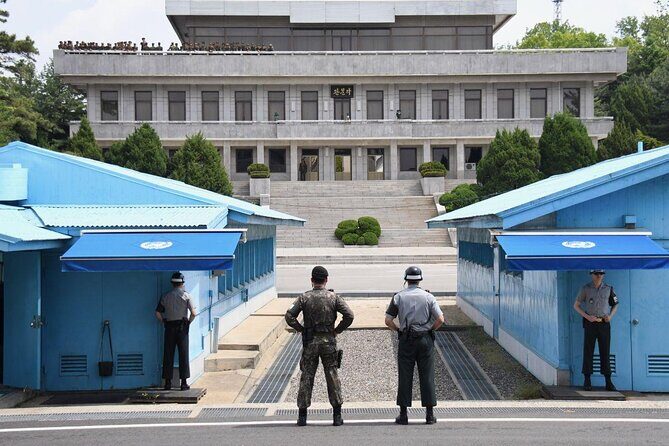
A visit to the DMZ can feel surreal fast. This private day trip is built around seeing key DMZ sites in a small group and getting expert context from your own guide. You’ll spend the day moving between the peace memorial areas near Imjingak and the most intense parts of the DMZ, including the Third Tunnel and Dora Observatory.
Two things I really like: you get free hotel pickup and drop-off (so you’re not wrestling Seoul transit), and the tour is structured as a smooth, guided route with the right admissions bundled for the main stops. One thing to consider: your schedule can shift due to military guidelines, and refunds aren’t offered if that happens.
In This Review
- Key Things You’ll Notice on This Private DMZ Day
- Private DMZ Tour From Seoul: What Makes This Route Work
- How the Day Starts: Pickup, Driver, and Timing Reality
- The Heart of Imjingak Park: Peace Memory Near the DMZ
- Memorial Stops That Explain the Human Cost
- The Gyeongui Line Steam Locomotive: War Marks You Can Still See
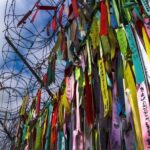
- The Peace Bell and Unification Bridge: Hope With a Physical Presence
- Entering the DMZ: What You Should Expect Once You’re There
- The Third Tunnel of Aggression: The Most Intense Part of the Day
- Dora Observatory: Your Closest Look at North Korea
- Tongilchon-gil: A Calm Road Right Next to the Control Line
- The Optional Gamaksan Chulleong Red Bridge: If You Want a Scenic Stretch
- Transport, Comfort, and Real-World Weather Notes
- Price and Value: What $500 Per Group Buys You
- Guides You Might Get: The Big Difference Is the Explanations
- Who This Private DMZ Tour Is For
- Should You Book This Private DMZ Tour From Seoul?
- FAQ
- Do I need a passport for the DMZ tour day?
- How many people are in the private group?
- What’s included in the ticket price?
- Is lunch included?
- What if my hotel pickup is inconvenient?
- Will the tour always start at the same time?
- Do I need to transfer once inside the DMZ?
- Is there a dress code?
- Is the Gamaksan Chulleong Bridge optional add-on included?
Key Things You’ll Notice on This Private DMZ Day
- Door-to-door convenience: hotel pickup/drop-off in downtown Seoul, or meet at a nearby subway stop if that’s easier
- Small-group feel: up to 6 people in your private group with an English- or Chinese-speaking guide
- The Third Tunnel visit: a 1,635-meter-long, low-profile infiltration tunnel linked to the tension of the late Cold War
- Dora Observatory access: South Korea’s close viewing point toward North Korea, with time to use binoculars
- Imjingak Park stops: a focused set of peace-and-memory sites tied to family separation and prisoner-of-war history
- Optional Gamaksan red suspension bridge: extra scenery if you want a lighter stretch of the day
Private DMZ Tour From Seoul: What Makes This Route Work
This is one of those tours where the logistics matter as much as the sights. The DMZ isn’t just a “go stand here” outing. Your day is organized around moving through the most meaningful checkpoints, memorials, and viewing points without you needing to figure out the order.
The private part is also practical. When you’re with just your group, your guide can adjust pacing, answer follow-up questions, and explain what you’re actually seeing instead of rushing you through. It’s a big difference when the subject matter is heavy.
And because several major sites include admissions, you’re less likely to end up surprised by what you still have to pay at the end. That matters when you’re splitting the cost among up to 6 people.
You can also read our reviews of more private tours in Seoul


How the Day Starts: Pickup, Driver, and Timing Reality
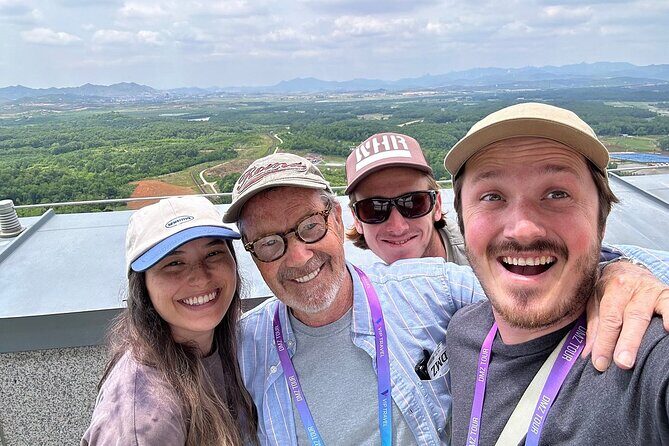
Your tour begins with convenient pickup in downtown Seoul. If pickup near your hotel isn’t ideal, you can meet your guide and driver at a nearby subway station. Either way, you’ll be in a car or van with a skilled driver for the day’s travel segments.
The day is about 8 hours. That includes transit time, multiple short stops, and the two longer “main event” segments: the Third Tunnel and Dora Observatory. You should also plan for the fact that start times can change due to military guidelines, and the overall schedule can be modified for weather or security reasons.
One more detail that’s easy to miss: once you’re inside the DMZ area, groups under 30 people may need to transfer to a group shuttle bus. Your private guide stays with you, but you might not ride the same vehicle for every final segment.
The Heart of Imjingak Park: Peace Memory Near the DMZ
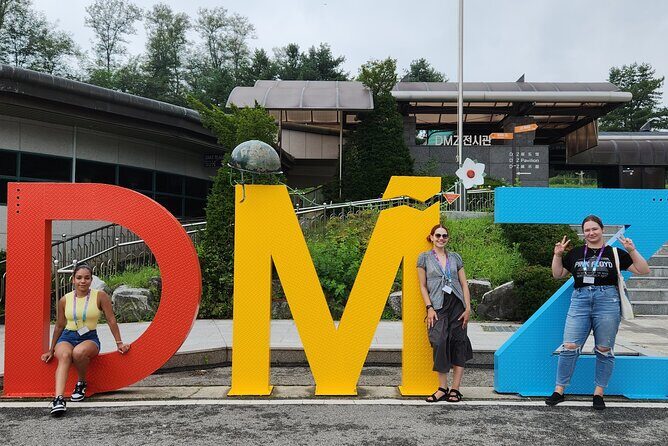
Before you get anywhere near the most restricted areas, you’ll spend time around Imjingak Peace Nuri Park and the surrounding Imjingak complex. This is where the mood turns from travel to meaning.
You’ll start at Imjingak Pyeonghwa Nuri Park, a sanctuary opened in 2005 to symbolize peace near the DMZ. The atmosphere there is reflective, and it sets the tone for the stops that follow—especially if you’re coming into this day with only general knowledge.
Then you’ll walk to the Bridge of Freedom. This is a temporary wooden span built in 1953 to carry 12,773 prisoners of war back to South Korea across the Imjin River. The story behind it is direct and human, and it helps you understand why the DMZ isn’t just “a border on a map.”
Memorial Stops That Explain the Human Cost
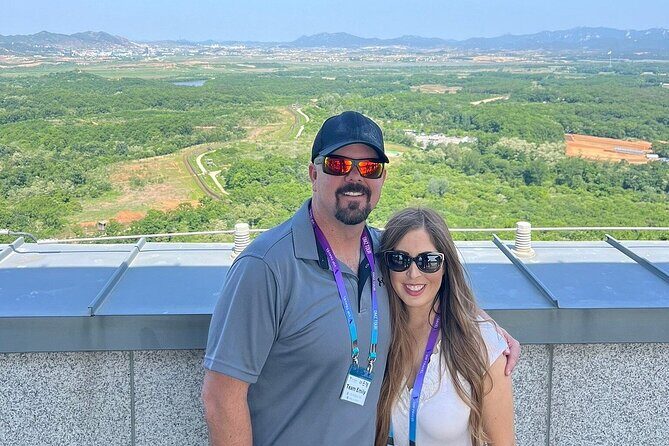
After the bridge, the route tightens into memorial territory. You’ll visit Mangbaedan Memorial Altar, built in 1986 near the DMZ area. It’s especially tied to families who gather to honor relatives left in North Korea, and that connection hits hard in a way photos can’t.
Next comes the Imjin River Dokgae Bridge viewpoint. This steel bridge was rebuilt after the Korean War destroyed earlier structures, and you get a prime sightline over the river. Even if you’re not a history buff, it’s the kind of structure that makes you think about how many lives were disrupted around this same waterway.
The Gyeongui Line Steam Locomotive: War Marks You Can Still See
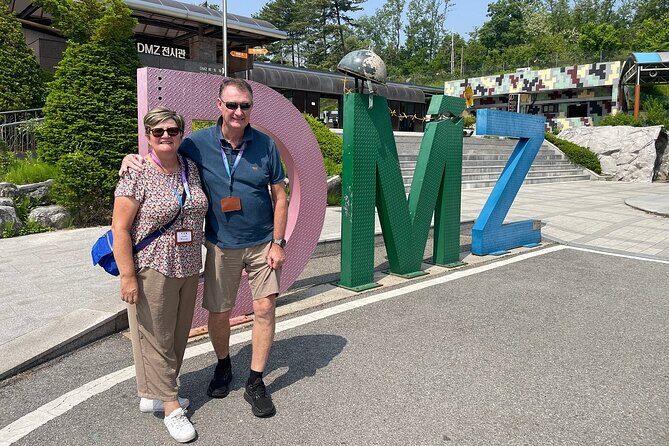
At Jangdan Station of the Gyeongui Line, you’ll see the steam locomotive preserved after it was derailed by bombings in 1950. It’s been left since 1953, and it carries a kind of visual evidence you can’t easily replace with storytelling.
This stop is only about 10 minutes, but it works because it shifts your brain from “big geopolitical ideas” to “objects and damage.” If you’ve ever struggled to visualize how conflict reaches everyday life, this is one of the best ways to get your bearings fast.


The Peace Bell and Unification Bridge: Hope With a Physical Presence

Two of the most striking Imjingak-area icons are The Peace Bell and the Unification Bridge.
You’ll stand at Pyeonghwauijong (The Peace Bell), a 21-ton bronze bell cast in 2000 to signal hope for reunification. The route gives you time to take it in, and the scale alone makes it feel more than symbolic.
Then you’ll cross the Unification Bridge, opened in 1998 as a vital link over the Imjin River toward the DMZ. There are military checkpoints around the area, and even without going into technical details, you can feel how controlled and serious the border zone is.
Entering the DMZ: What You Should Expect Once You’re There
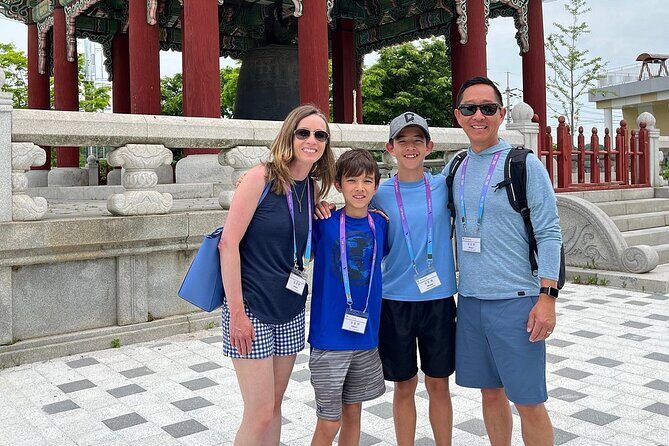
The DMZ itself is a 4 km-wide buffer created by the 1953 Korean War armistice. On this tour, you get around 30 minutes at the DMZ stop with admission included, and that time is used for orientation and key viewing moments.
This isn’t a long walking tour through miles of border. It’s more like a carefully planned sequence of “here’s the point, here’s what it means, here’s why it matters,” punctuated by a couple of major sites later.
If you tend to get restless waiting between stops, keep your expectations realistic. The DMZ is scheduled and regulated. Your guide’s job is to keep you moving while still making sense of what’s happening around you.
The Third Tunnel of Aggression: The Most Intense Part of the Day
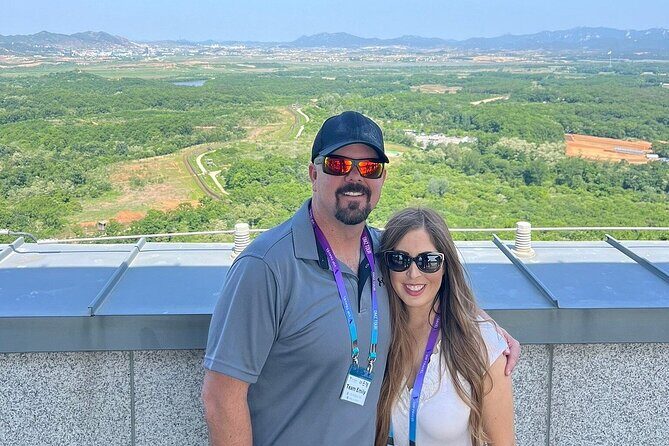
The Third Tunnel of Aggression, also called the Third Infiltration Tunnel, is the tour’s headline stop. It was discovered in 1978 about 52 km from Seoul and is 1,635 meters long. It was built with a low profile (around 2 meters high and 2 meters wide), which means the experience is physically humbling.
Your time here is about 30 minutes, and admission is included. You’ll descend into the tunnel, and that’s where the day stops feeling like a historical lecture. It becomes a firsthand encounter with engineering made for infiltration and tension.
This is the stop I’d prioritize if you’re only doing one DMZ day. Even if you don’t memorize facts, your brain tends to remember the feeling of the space.
Dora Observatory: Your Closest Look at North Korea
After the Third Tunnel, you’ll head to Dora Observatory, established in 1986 and renovated in 2018. This is South Korea’s closest glimpse point toward North Korea, focused on views from Dorasan.
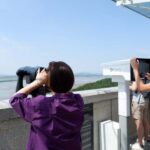
You get about 30 minutes here, with admission included. The key value is that you can use binoculars to try to spot Kijong-dong’s propaganda village and views toward Kaesong City (depending on what’s visible on the day).
This stop is especially good if you like the “this is what I can actually see” side of travel. The DMZ is abstract until you stand where sightlines exist. Then it becomes specific.
Tongilchon-gil: A Calm Road Right Next to the Control Line
The tour includes a quieter walk along Tongilchon-gil in Tongilchon village. It’s described as a serene road beyond the Civilian Control Line, with views over farming areas where Jangdan soybeans are known.
This is a 30-minute stop. It helps break up the emotional intensity of the day with a more ordinary scene—fields, a road, and the sense that life still happens near the border.
Not every DMZ tour includes a walk like this, and I like it because it gives your day a breathing spot.
The Optional Gamaksan Chulleong Red Bridge: If You Want a Scenic Stretch
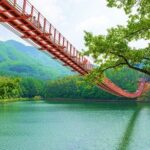
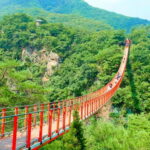
There’s an optional add-on: Gamaksan Chulleong Bridge, a 150-meter-long red suspension bridge built in 2018 to honor Korean War heroes. It’s offered as free admission on this itinerary and takes about 1 hour.
I see this as a personal choice. If you’ve got limited energy after the tunnel and Dora Observatory, you might skip it and use the time to rest. If you love photos and you want a different color in your travel day besides muted memorial tones, this can be a worthwhile extra.
Transport, Comfort, and Real-World Weather Notes
Expect longish sitting time between stops and at least some outdoor moments around memorials and viewpoints. The tour also runs through parts of the day where heat can be an issue, so come ready for warm weather.
A simple plan helps: water, sun protection, and comfortable shoes. There’s no strict dress code mentioned, but you’ll move between stops and you’ll likely do some walking at multiple points.
Also remember that you’ll need your passport on tour day. This isn’t optional for the DMZ experience, and it’s the kind of requirement that can ruin a day if you forget.
Price and Value: What $500 Per Group Buys You
The tour price is $500 per group, up to 6 people. That’s important because your cost per person drops fast if you’re traveling as a small group or family.
What you’re really paying for isn’t only the DMZ access. You’re also paying for the full-day management: free pickup and drop-off, a private guide (English or Chinese speaking), a driver, and admissions included for the main DMZ-related attractions like the DMZ segment, the Third Tunnel, Dora Observatory, and the Unification Bridge.
Lunch isn’t included. Also, there may be optional admission fees, plus any parking or toll fees if applicable. So build in some extra spending power for meals and minor add-ons.
If you’re comparing DMZ options, I’d think in terms of day ownership. This is the kind of service that handles the hardest parts—getting you to the right places on a regulated schedule—so you don’t waste your one DMZ day figuring things out.
Guides You Might Get: The Big Difference Is the Explanations
A DMZ tour lives and dies on the guide’s explanations. I like that this private setup puts you with a guide who can answer lots of questions and tailor the tone to your group.
Some guide names that show up strongly include Ray, Alice, Lina, and Diane (with Tom mentioned alongside Diane). If you see those names available when booking, it’s worth choosing them when possible because the emphasis in their feedback is on clear explanations and good coordination.
Who This Private DMZ Tour Is For
This tour fits you if you want a guided, structured DMZ day without turning it into a DIY puzzle. It’s especially good for small groups that want the comfort of hotel pickup and a private guide who can pace the day around your interests.
It can also work for families, since the format includes short stops and a focus on major sites instead of a long endurance hike. Still, keep expectations realistic about the emotional intensity of tunnel and border-area stops.
If you hate tight schedules or you’re extremely sensitive to regulated environments, understand that the DMZ operates under military guidelines and timing can shift.
Should You Book This Private DMZ Tour From Seoul?
Yes, if your priority is a well-run, explanation-heavy DMZ day with the big-ticket stops. This route checks the boxes people actually care about: Third Tunnel, Dora Observatory, Unification Bridge, and key Imjingak memorials—without you needing to coordinate tickets and sequencing.
I’d say book it if you’re traveling in a group of up to 6 and want value through shared costs. It’s also a solid choice if you want the reassurance of private transport and a guide who can talk through the hard parts of Korean War and border history in a way that makes sense.
Skip the optional red bridge if your energy is limited. Keep your plan flexible because start times may change due to security or weather, and the schedule can be adjusted.
FAQ
Do I need a passport for the DMZ tour day?
Yes. A passport is needed on the tour day, and you should bring it with you.
How many people are in the private group?
The tour is private for up to 6 people per group.
What’s included in the ticket price?
The tour includes free hotel pickup and drop-off in Seoul, a professional English- or Chinese-speaking guide, transport with a driver, and admissions ticket inclusion for key stops listed in the itinerary.
Is lunch included?
No. Lunch is not included.
What if my hotel pickup is inconvenient?
You can also meet your guide and driver at a nearby subway station instead of using hotel pickup.
Will the tour always start at the same time?
The start time may change due to military guidelines. The operator will inform you if there’s a change, and the schedule may be adjusted depending on military issues or weather.
Do I need to transfer once inside the DMZ?
If your group has fewer than 30 people, you may need to transfer to a group shuttle bus once inside the DMZ.
Is there a dress code?
No special dress code is mentioned for the DMZ.
Is the Gamaksan Chulleong Bridge optional add-on included?
It’s optional. The bridge is offered as an add-on and is listed as an optional stop with admission ticket free on this itinerary.
If you tell me your travel month and how many people are in your group, I can help you decide whether the red bridge add-on is worth the extra hour for your pace.