Seoul clicks when a local guides your feet. This private, customizable walking tour helps you pick your own blend of Gyeongbokgung Palace and lesser-known neighborhoods, with guides like GJ (and other locals) translating the city into stories you can actually use.
I especially like the flexibility: you’re not locked into a rigid route, so you can steer toward history, food stops, K-pop flavor, or viewpoint time, depending on your energy. The second big win is how much context you get while you walk, so landmarks turn from photos into something that makes sense.
One consideration: it’s a walking experience, and while a pickup is offered, you should expect breaks, plus some transfers by public transport or local taxis between sites. Food, drinks, and attraction tickets are not included, so you’ll want to budget for lunches and any optional extras like hanbok rental.
In This Review
- Key things this Seoul tour does well
- Why this private walking style works in Seoul
- Price and value: what $76.87 really buys you
- Setting your itinerary before you meet: the questionnaire and host chat
- The core route: Cheonggyecheon, palaces, statues, and hanok lanes
- Strolling Cheonggyecheon Stream for a city break
- The plaza framed by royal history and modern skyline
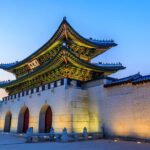
- Gyeongbokgung Palace: what to watch for
- Bukchon Hanok Village: quiet alleys and old house details
- The human part: how guides make it feel personal
- Food and culture stops: markets, temples, and everyday Seoul
- How long should you book: 2 hours vs 6 hours
- Walking logistics: transfers, heat, and what to bring
- Who should book this tour, and who might skip it
- Should you book? My straight answer
- FAQ
- How long is the Seoul highlights tour?
- Is this a private tour?
- Is pickup included?
- Does the price include food and attraction tickets?
- How do I customize what we do in Seoul?
- Is it all walking, or do we use transit?
Key things this Seoul tour does well
- Custom itinerary: a pre-tour questionnaire and direct chat lets your guide shape the day around your interests and must-sees.
- Iconic + off-the-beaten-path stops: you can hit major sights like Gyeongbokgung Palace, then swap in calmer corners and market alleys.
- Local context while you walk: guides share cultural and historical meaning in plain language, not a lecture dump.
- Strong first-day orientation: the route is built to help you understand where things are and how to move around later.
- Private group attention: it’s just your party, so questions and photo stops stay part of the plan.
Why this private walking style works in Seoul
Seoul is a city where small streets and big plazas both matter. Doing it with a local guide on foot helps you clock the layout faster than you would solo, especially in areas where signage and street names can feel confusing at first.
What I like most about this format is the control. You decide how much time you want at a palace gate versus wandering lanes, and your guide adjusts as the day goes on. If you want history context, you’ll get it. If you want food and everyday life, you’ll get that too.
Also, the tour stays personal even though it covers major highlights. In practice, that means you can ask what things mean as you walk, not just hope you remember from reading a plaque.
You can also read our reviews of more private tours in Seoul



Price and value: what $76.87 really buys you

At about $76.87 per person, the headline price looks “reasonable” for a private guide, but the real value is what you’re avoiding: confusion, wasted transit time, and the stress of building your own route.
This tour runs 2 to 6 hours, so you can match it to your schedule. If you only have half a day, you can still get a smart orientation. If you’ve got more time, you can spread out to include markets, neighborhoods, and at least one viewpoint or extra cultural stop.
One cost note: food, drinks, and attraction tickets aren’t included, and transportation between sites may use public transit or local taxis (extra cost). So the best mental math is to treat this as “guide time + walking route,” then add your personal spending for entrances and meals.
If you’re traveling as a small group or family, the experience can feel even better because you get true one-on-one attention for your party, instead of sharing a guide with strangers.
Setting your itinerary before you meet: the questionnaire and host chat
This tour uses a pre-tour questionnaire to tailor your plan. After booking, you share interests, preferences, and must-sees, and then your host reaches out to craft an itinerary that fits your style.
That matters because Seoul has multiple versions of the same day. You can do palaces plus a neighborhood photo walk, or you can swap some palace time for markets and temples. You can also ask for practical help like learning how to handle public transport for your solo days afterward.
A nice touch from real guide experiences: some guides arrive with an efficient plan and then adjust quickly once they learn how your group likes to move. So you’re not locked into a “one size fits all” route.
The core route: Cheonggyecheon, palaces, statues, and hanok lanes
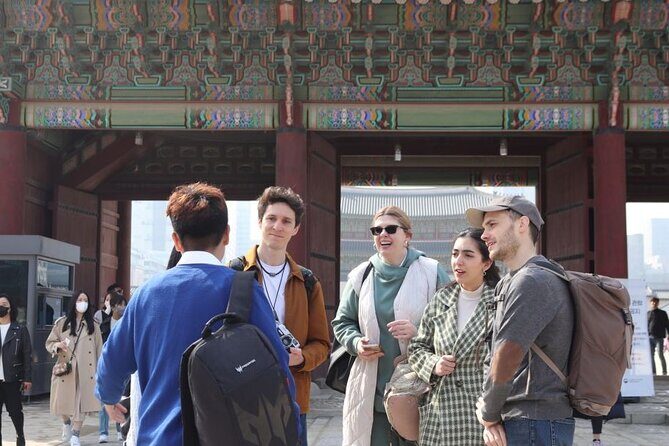
The tour’s main theme is Seoul’s contrast: modern city power next to older layers of culture. It often strings together waterways, royal-era spaces, and traditional neighborhoods in a way that feels like a guided story, not a checklist.
Strolling Cheonggyecheon Stream for a city break
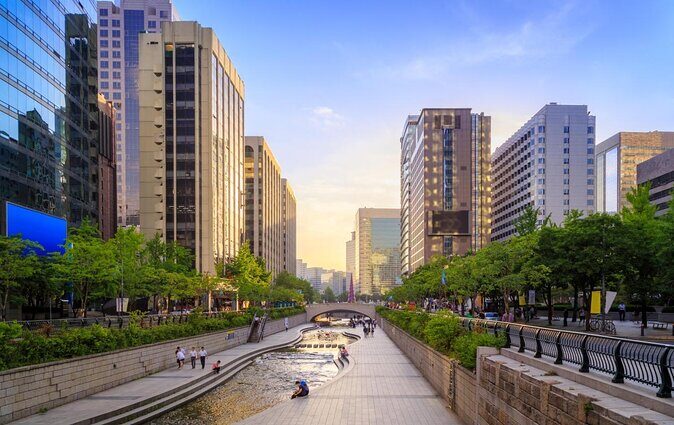
One common starting point is a walk along Cheonggyecheon Stream, an urban waterway that feels calmer than the streets around it. You’ll see the blend of nature and city life, often under bridges and near public art.
Why this is a smart move: it’s a reset after the noise of Seoul traffic, and it gives you an easy warm-up before thicker sightseeing blocks. If you’re tired from jet lag, this part can keep the day from feeling like pure marching.


The plaza framed by royal history and modern skyline
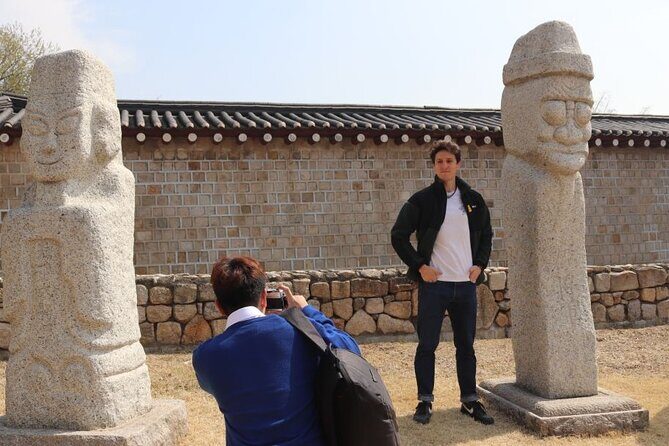
Next, the itinerary often brings you to a grand plaza connected to Gyeongbokgung Palace. It’s a strong storytelling stop because you can point your attention at monuments like statues of King Sejong and Admiral Yi Sun Shin, then connect those names to the broader history in a way that sticks.
This is also where you get good photo angles. You’re standing in a space where old and new Seoul visibly share the frame, so you understand why people photograph it from multiple directions.
Gyeongbokgung Palace: what to watch for
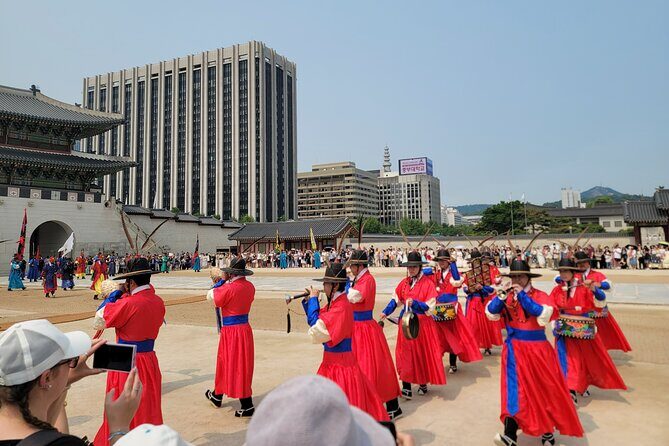
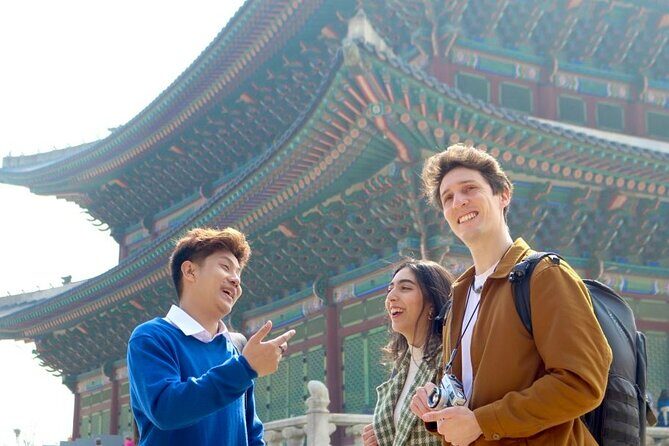
At Gyeongbokgung Palace, you’re walking through the largest royal palace in Seoul’s core area. The experience is built around scale: courtyards, architectural details, and the feeling of stepping into another pace of life.
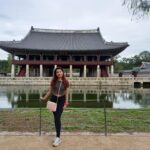
You may notice visitors in hanbok near key areas. In at least some guided days, the guide helps set up hanbok for a fuller experience. If that’s something you care about, ask your host in advance so it’s planned instead of last-minute.
One practical tip: this is the part where your shoes matter most. Wear comfortable footwear, because palace walking adds up.
Bukchon Hanok Village: quiet alleys and old house details
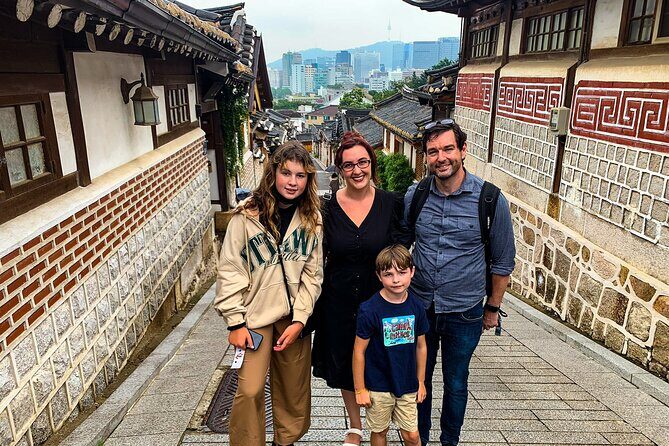
Then you often move into Bukchon Hanok Village, where preserved hanok houses line the neighborhood. Your guide helps you read what you’re seeing: how the area developed, and how it shifted over time from a noble district into a place visitors recognize today.
This is also a photo-friendly zone, but it’s easy to get turned around on your own. With a guide, you’re more likely to find the best lanes without backtracking through the same crowd flow.
The human part: how guides make it feel personal
Seoul sightseeing can become “photo, walk, repeat” fast. The best guides on this tour avoid that by mixing what you see with why it matters—and they adjust for the group in real time.
You’ll notice patterns in guide styles from past experiences:
- GJ often focuses on balancing big landmarks with food-market time and surprise stops like a marble pagoda.
- Jeeseon has a reputation for building a day that fits families well, including street markets, an introduction to K-pop as a cultural thread, and a clear pace over a long walk.
- Young is known for moving efficiently between neighborhoods while still giving enough historical context that you feel oriented, not overwhelmed.
- Hans has handled details like arranging hanboks for palace time, plus photo help so you don’t spend your energy struggling with shots.
Even when your route includes major sites, the day stays flexible. If you want more time shopping or you’re hungry, the guide can adjust—within reason—because this is built as a private, custom experience.
Food and culture stops: markets, temples, and everyday Seoul
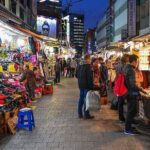
Food isn’t included, but the tour is designed to build cultural appetite. Many itineraries include market walking where you can choose your own lunch, snacks, or desserts.
A standout type of stop is a traditional market experience. For example, some guided days include places like Namdaemun Market, where you can wander side alleys and find simple, satisfying snacks such as dumplings. Your guide can help you navigate what to order so you’re not stuck translating a menu in the moment.
Temple and arts stops can also appear depending on your choices. Some itineraries include spots like Jogyesa Temple or an extra design-focused stop, which adds a modern creative layer to the day.
If you love street life, this is a strong fit because you spend more time where people actually move through the city, not just at the most photographed corners.
How long should you book: 2 hours vs 6 hours
The time range is one of the biggest decision points.
- 2 hours: best for a compact orientation hit—enough walking to understand major areas, plus a taste of where to return later.
- 3 to 4 hours: the sweet spot for a palace area + a traditional neighborhood lane walk, with some time for food and questions.
- 6 hours: ideal if you want a “full day of Seoul” feeling, with room for markets, additional cultural stops, and viewpoint options.
One thing I’d do: if it’s your first day in Seoul, lean toward the longer option. You’ll use the knowledge later when you plan the rest of your trip, and you’ll move with more confidence on public transport afterward.
Walking logistics: transfers, heat, and what to bring
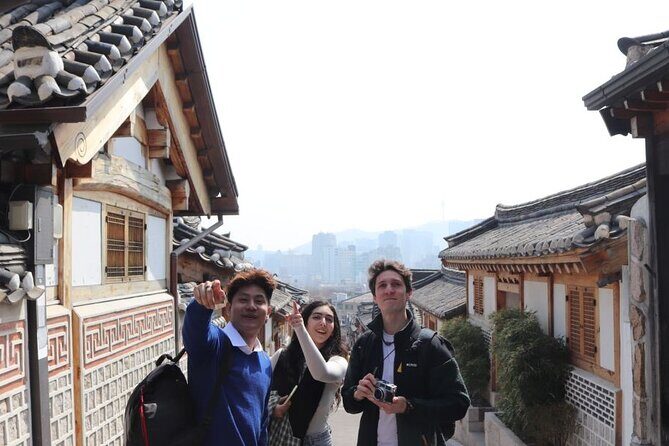
This is a walking tour, so plan like one. Even if your guide uses buses or subways between sites, you’ll still be on foot for most of the sightseeing.
Here’s how to make it smoother:
- Wear comfortable shoes with traction.
- Bring water, especially if you’re going in summer. Some guides may help with water for the group, but don’t count on it.
- If you’re interested in hanbok, ask early. Some tours arrange it for palace time, but it’s not guaranteed in the base price.
- Have a card or cash ready for market snacks and any attraction entries you choose.
Also remember: public transport or taxis may be used to transfer between locations, and exact transportation costs may be discussed after booking with your host. So you’ll want a small extra budget for movement.
Who should book this tour, and who might skip it
Book this if:
- You want a private day where you can ask questions without feeling rushed.
- You like mixing big landmarks with calmer neighborhoods.
- You want help understanding how to get around in Seoul after the tour.
- Your group has different interests (history people and food people can both win).
You might skip it if:
- You strongly prefer a fully seated or low-walking tour.
- You’re trying to minimize any extra spending beyond the tour price, since meals and tickets aren’t included.
If you’re on a tight schedule and only want one famous site, this may feel like more walking than you need. But if you want a better sense of the city as a place, not just a list, it’s a solid choice.
Should you book? My straight answer
Yes, I’d book it if it’s your first time in Seoul or if you want to stop guessing. The combination of custom planning, a guide who can steer you toward what you care about, and a route that covers palace area + traditional neighborhood + calm breaks is exactly how you get real traction in a new city.
Just go in with the right mindset: wear good shoes, budget for meals and possible tickets, and be ready to walk. If you do that, you’ll leave with both great photos and a clearer mental map of Seoul.
FAQ
How long is the Seoul highlights tour?
It runs for 2 to 6 hours depending on the option you choose.
Is this a private tour?
Yes. It’s a private tour/activity and only your group participates.
Is pickup included?
Pickup is offered, and the tour starts at 109 Jae-dong, Jongno District, Seoul and ends back at that meeting point.
Does the price include food and attraction tickets?
No. Food, drinks, and tickets to attractions are not included.
How do I customize what we do in Seoul?
After you book, you’ll receive a short questionnaire. Your host then contacts you to tailor a customized itinerary based on your interests, preferences, and must-sees.
Is it all walking, or do we use transit?
This is a walking experience, and public transport or local taxis may be used between sites. Transportation costs may be discussed with your host.