REVIEW · SEOUL
Seoul Palace Morning Tour
Book on Viator →Operated by SEOUL CITY TOUR CO. LTD. · Bookable on Viator
Three hours, two royal worlds. This Seoul Palace Morning Tour strings together Jogyesa Zen Temple, a pass by the Blue House, and Joseon grandeur at Gyeongbok Palace, ending with the changing of the guard near Gwanghwamun.
I love the convenience of hotel pickup in an air-conditioned van, and I like that entrance fees are included, so you don’t have to sort out ticket lines or add costs mid-morning. The guide is described as informative and professional, which matters when you’re trying to make sense of palaces built for 500+ years of court life.
The main trade-off to consider is the included stop at a ginseng center, which some people found too sales-focused, and the tour can feel pretty fast-paced if you prefer lots of quiet time.
In This Review
- Quick Hits Before You Go
- A Tight Three-Hour Morning Circuit Through Seoul’s Royals and Zen
- Morning Logistics: Pickup, No Lunch, and a City Hall Finish
- Jogyesa Temple: Zen First, Then You Understand Why Seoul Feels Different
- Passing the Blue House: You See It, But You Don’t Stop
- Gyeongbok Palace Highlights: Where Joseon Court Life Comes Into Focus
- The Korean National Folk Museum Moment (Inside the Palace Area)
- Gwanghwamun Changing of the Guard: The Big Finish
- The Ginseng Center Stop: Value for Some, Frustration for Others
- Price and Value: Why $40 Can Be a Good Deal (or Not)
- Who This Tour Fits Best (And Who Should Skip It)
- Final Verdict: Should You Book the Seoul Palace Morning Tour?
- FAQ
- How long is the Seoul Palace Morning Tour?
- What time does the tour start?
- Is hotel pickup included?
- Are entrance fees included?
- What major stops are included?
- Is lunch included?
- Is there any shopping during the tour?
- How big is the group?
- Do I get a mobile ticket?
- Is there free cancellation?
Quick Hits Before You Go
- Hotel pickup and air-conditioned transport make a 3-hour morning plan feel easy, especially if you’re not close to the main sights.
- Jogyesa Temple details you can actually picture, like the 500-year-old locust and baeksong trees and the seven-story stone pagoda.
- A Blue House pass by from the road, with the reality that you can’t stop right in front due to security rules.
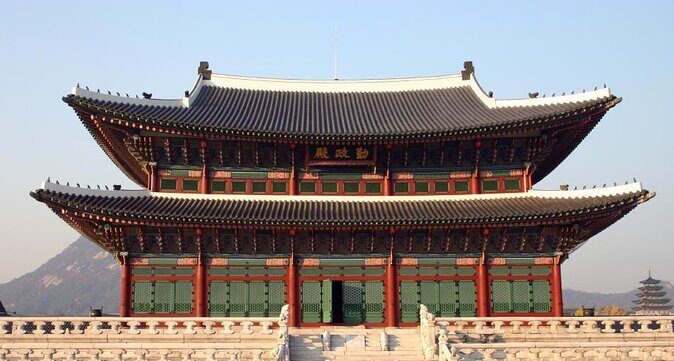
- Gyeongbok Palace highlights in a short window, including throne and royal living quarters areas.
- Changing of the guard at Gwanghwamun is the big finale moment many people remember.
- A ginseng center stop is included, so go in with the right expectations if you’re not into shopping.
A Tight Three-Hour Morning Circuit Through Seoul’s Royals and Zen
If you’re short on time, this tour is built for that exact problem. You start in the morning, get picked up, and then you move through two of Seoul’s most iconic storylines: Zen Buddhism at Jogyesa and Joseon royal life at Gyeongbok Palace. The schedule is compact by design, so you’re not wandering randomly—you’re getting guided context as you walk.
For me, the best part of a tour like this is that it saves your brain from doing homework. Palaces can feel overwhelming when you’re staring at buildings without a clue what each one was for. Here, the guide points you toward the main rooms people associate with power—throne areas, king and queen quarters, and formal banquet space—so the place starts making sense while you’re still there.
One practical note: this is a group tour (maximum 30). That’s great for meeting other travelers, but it also explains why the pace can feel brisk. If you want a slow, flexible morning, this may not feel like your style.
You can also read our reviews of more tours and experiences in Seoul
Morning Logistics: Pickup, No Lunch, and a City Hall Finish
The tour starts at 9:00 am, and it runs about 3 hours. Pickup is included from your hotel, and you ride in an air-conditioned vehicle—useful in Seoul when weather shifts quickly.
You should also plan around what isn’t included. There’s no lunch, and the day ends with drop-off at City Hall (not at your hotel). That’s actually a smart setup for many people: City Hall sits in a central area, so you can switch gears quickly for shopping, cafés, or public transit.
This tour also uses a mobile ticket, and you’ll receive confirmation at booking time. If you’re the type who likes everything to be straightforward, that’s a plus.
Jogyesa Temple: Zen First, Then You Understand Why Seoul Feels Different
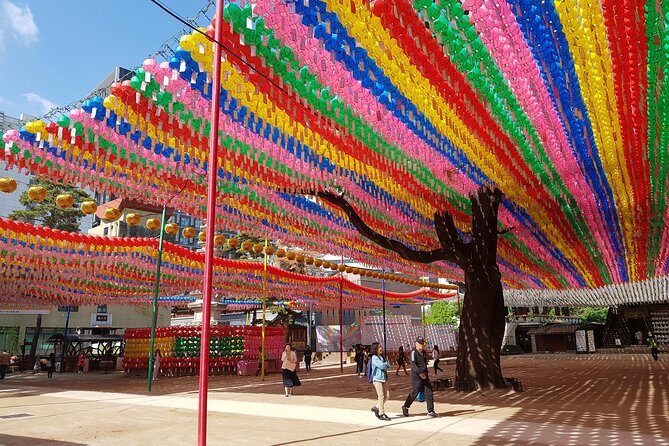
The morning begins at Jogyesa Buddhist Temple, described as the center for Zen Buddhism in Korea. Even if you’ve never visited a Buddhist site before, you’ll get enough orientation that it doesn’t feel like you’re just walking through decorations.
Look for the area around the main hall, where there are two standout landmarks in front of the Daeungjeon building: locust trees and baeksong trees. These trees are described as about 500 years old, and the baeksong tree is designated as a Natural Monument. That’s the kind of detail that changes your experience—suddenly the temple doesn’t feel like a museum prop. It feels like a place people have been returning to for a very long time.
You’ll also see the Daeungjeon building, with its painted colors and a construction date noted as 1938. Inside is the statue of Seokgamoni, which gives you a focal point rather than making the space feel like a maze.
Another feature you’ll be guided to: a seven-storey stone pagoda that contains Jinsinsari. Pagodas are common across Asia, but the “why it matters” is what a good guide gives you. In this case, you’re not just noticing it—you’re learning what you’re looking at.
Why I think this stop works: starting with Jogyesa shifts your mindset before you hit the palace. The contrast—quiet temple atmosphere, then the formal power of a royal court—makes the rest of the tour land harder.
Passing the Blue House: You See It, But You Don’t Stop
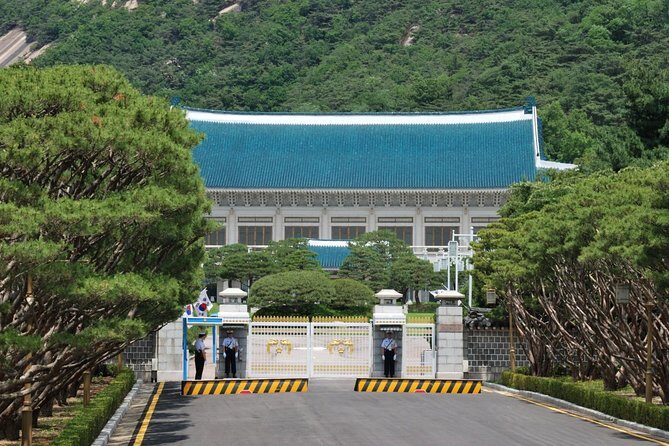
After Jogyesa, the tour goes toward Gyeongbok Palace, and along the way you’ll get a pass-by view of the Blue House (where the Prime Minister’s work and residence are described in the tour notes).
Here’s the important reality check: it’s a security area, so the group cannot stop in front. That can disappoint people who assume every highlight means a photo stop on the sidewalk. Still, seeing it as you travel gives you a “this is modern Korea too” moment, not just a history-only morning.
If you’re the type who hates being told you can’t do something, plan for a quick, roadside sight view and move on. It’s part of how the itinerary stays tight.
Gyeongbok Palace Highlights: Where Joseon Court Life Comes Into Focus
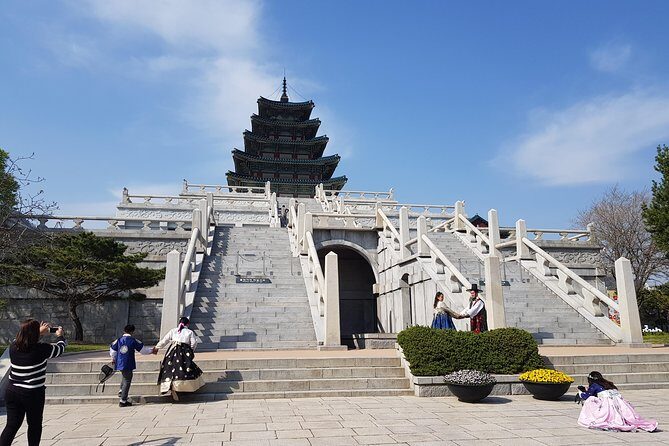
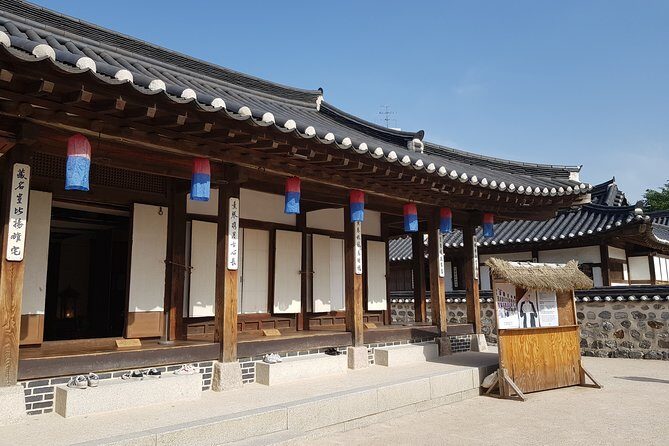
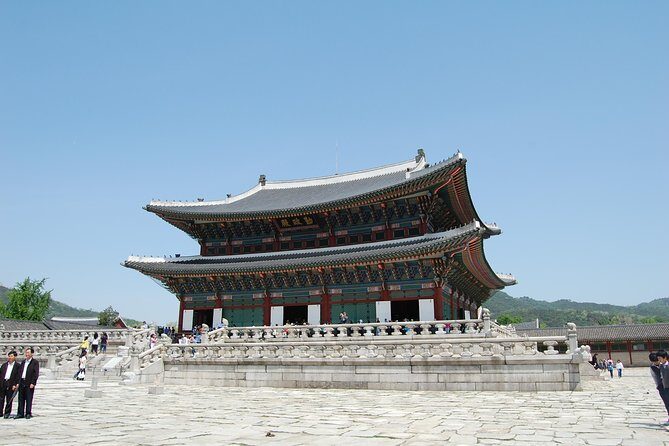
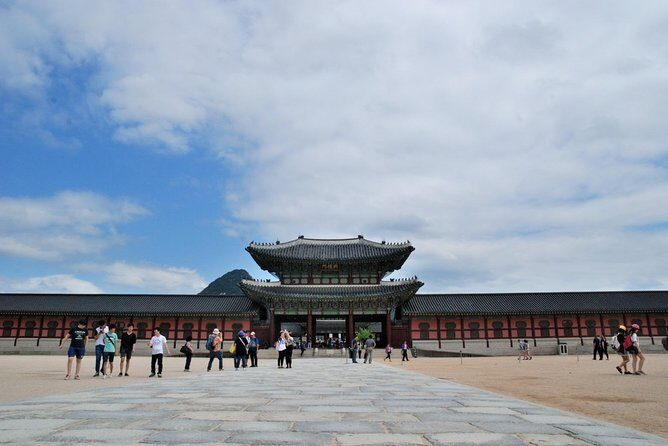
Then you’re at Gyeongbok Palace, described as the most famous royal residence from the Joseon Dynasty. The palace is famous for a reason: you can’t help feeling scale and structure here. But a place like this is also easy to misunderstand if you’re only looking at walls and courtyards.
This tour points you toward several key areas, including:
- Geunjeongjeon, the main throne hall
- Sajeongjeon, the king’s office
- Gangnyeongjeon, the king’s living quarters
- Gyotaejeon, the queen’s living quarters
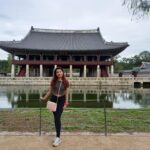
- Gyeonghoeru, where the king held formal banquets for foreign envoys
That list matters because it traces how power worked day to day: governance, daily residence, and ceremonial diplomacy. Even in a short visit, you can start noticing how separate spaces would control who was allowed where.
The Korean National Folk Museum Moment (Inside the Palace Area)
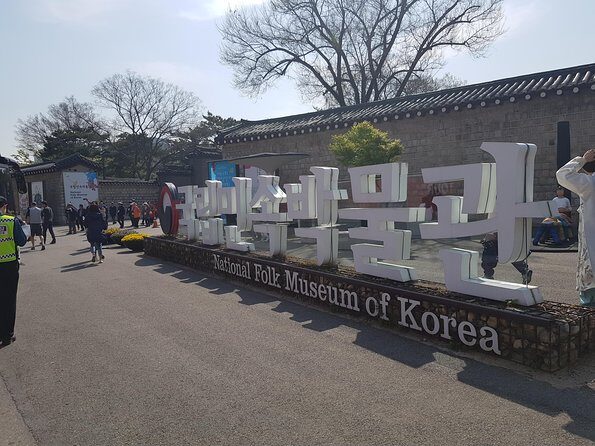
During your time at Gyeongbok, you’ll also visit the Korean National Folk Museum, which is part of the palace complex. The emphasis here is everyday culture—daily life and traditional customs—so you’re not stuck thinking only about the court.
This stop is especially helpful if you’re traveling with kids or anyone who gets tired of “only palaces, only facts.” It gives you cultural context without requiring you to memorize timelines.
Gwanghwamun Changing of the Guard: The Big Finish
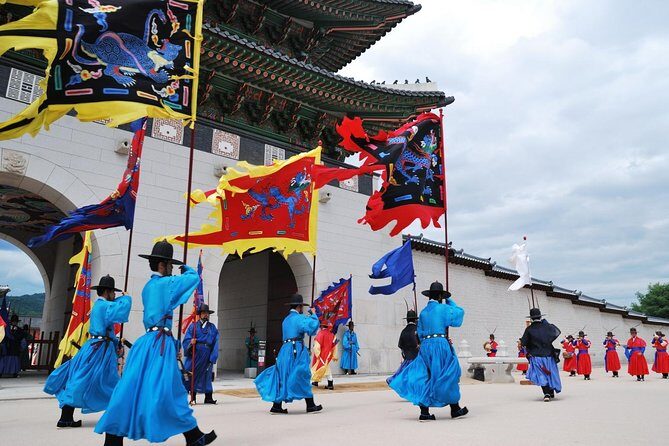
The finale is timed for one of Seoul’s most recognizable ceremonial moments: the changing of the guard at Gwanghwamun Gate, described as the south gate of Gyeongbok Palace.
This is the part many people remember most clearly. It’s not just the visuals; it’s the structure. A palace visit can feel like history-as-architecture, but ceremonies turn it into history-as-motion.
If you’re taking photos, have your settings ready before you arrive. This is one of those moments where stopping to fix your camera can cost you a big chunk of the action.
The Ginseng Center Stop: Value for Some, Frustration for Others
After the main sights, the tour includes a stop at a ginseng center. The tour notes say that one of the shopping centers is included, and this stop happens before you finish back at City Hall.
Here’s the honest take: if you’re not into shopping, you may feel like the day’s energy shifts from history to retail. Some people like it as a cultural stop—others call it a tourist trap and wish the time had gone back to the palace area.
You’ll get to decide what kind of traveler you are today:
- If you’re curious about local products and want a quick look, treat it like a short detour.
- If you’re allergic to sales pressure, go in ready to spend minimal time there and keep moving.
Either way, don’t think of this as an optional add-on. It’s part of the itinerary as written.
Price and Value: Why $40 Can Be a Good Deal (or Not)
At $40 per person, this tour competes in the “great for a tight schedule” category. The value comes from what’s included:
- Hotel pickup
- Air-conditioned vehicle
- All entrance fees included
- Access to top stops like Jogyesa and Gyeongbok areas
When entrance tickets and transport are folded into the cost, you spend less time budgeting on the spot and more time doing the actual sightseeing. That’s especially useful if you’re visiting during a busy time when lines and ticket logistics can eat your morning.
That said, the pace and the ginseng stop can affect your overall satisfaction more than the price itself. If you’re the type who wants a slower, deeper palace experience and refuses any shopping segment, you might feel you paid for something that didn’t match your style.
This is one of those tours where $40 buys convenience, not a custom pace.
Who This Tour Fits Best (And Who Should Skip It)
This tour is a solid match if you want an organized morning sampler of Seoul’s top heritage sights without doing logistics math first. It’s also family friendly, which usually means the guide keeps explanations clear and the walking isn’t presented as a hardcore hike.
It’s especially good for:
- First-timers who want the “main hits” in a few hours
- People who appreciate a guide explaining what each palace building did
- Travelers who like ceremonies and photo moments, especially at Gwanghwamun
You might want a different option if you:
- Don’t want any shopping time (the ginseng stop can be the deal-breaker)
- Hate feeling rushed between stops
- Prefer a slower tour style where you can linger without moving on quickly
Also remember: because it’s a group format, it’s not built for private customization.
Final Verdict: Should You Book the Seoul Palace Morning Tour?
Book it if you want a smart, time-efficient morning that connects Zen temple sights, Joseon palace highlights, and the changing of the guard into one guided story. The combination of hotel pickup, included entrance fees, and a guide described as friendly and professional makes it easy to get value out of a short stay.
Skip it if your ideal tour is slow, shopping-free, and heavily flexible. The ginseng center stop and the possibility of a brisk pace are real factors here.
If you’re on the fence, I’d base your decision on one thing: do you enjoy being guided through big historic spaces, or do you prefer wandering at your own rhythm? Choose based on that, and you’ll end up happier with your $40 morning.
FAQ
How long is the Seoul Palace Morning Tour?
The tour is about 3 hours.
What time does the tour start?
It starts at 9:00 am.
Is hotel pickup included?
Yes, hotel pickup is included. You’ll be dropped off at City Hall at the end (not at your hotel).
Are entrance fees included?
Yes. All entrance fees are included.
What major stops are included?
You’ll visit Jogyesa Buddhist Temple, see the Blue House by passing it from the road, tour Gyeongbok Palace (including areas like the throne hall and royal quarters), visit the Korean National Folk Museum, and end at Gwanghwamun Gate for the changing of the guard.
Is lunch included?
No. Lunch is not included.
Is there any shopping during the tour?
Yes. One shopping center stop is included, at a ginseng center.
How big is the group?
The group maximum is 30 travelers.
Do I get a mobile ticket?
Yes, a mobile ticket is included. Confirmation is received at the time of booking.
Is there free cancellation?
Yes, you can cancel for a full refund up to 24 hours before the experience’s start time.