REVIEW · SEOUL
Korean Cooking Class in Seoul with a Professional Chef
Book on Viator →Operated by Traveling Spoon · Bookable on Viator
Two dishes, one Seoul home kitchen.
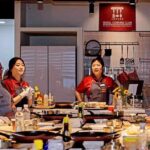
This private class in central Seoul is built around hands-on cooking with Na Young, plus a sit-down meal you’ll actually make. You’ll learn what drives Korean flavor, not just how to follow steps, and you can add a guided walk through Mangwon Market for seasonal ingredients and street-food style snacks.
I love the private, home-based setting. It feels relaxed and personal, and you’re not squeezed into a big group rhythm. I also like that you finish by eating what you cook, with soup, kimchi, and a glass of soju, so the lesson turns into a real meal.
One thing to consider: this is at a real home. That means taking off your shoes and using provided indoor sandals, and you’ll walk about 10–12 minutes if you choose the Mangwon Market add-on.
In This Review
- Key things to know before you cook
- Why a home-based Korean cooking class works so well in Seoul
- Getting to 247-111 Seogyo-dong without stress
- The 3-hour flow: optional market, hands-on cooking, then the shared meal
- What you’ll cook: bulgogi, bibimbap, and the sides that make it real
- Mangwon Market: the quick, practical ingredient lesson
- Meal time: soup, kimchi, and the soju glass
- Professional instruction you can actually use at home
- Price and value: is $122 a good deal?
- Who this cooking class suits best (and who should think twice)
- Should you book this Seoul cooking class?
- FAQ
- How long is the cooking class?
- Is the Mangwon Market visit included?
- Where do we meet for the class?
- Do I need hotel pickup?
- What dishes will we cook?
- Is there dietary accommodation?
- Do I need to take my shoes off?
- Is this a private class?
- What’s the cancellation policy?
Key things to know before you cook
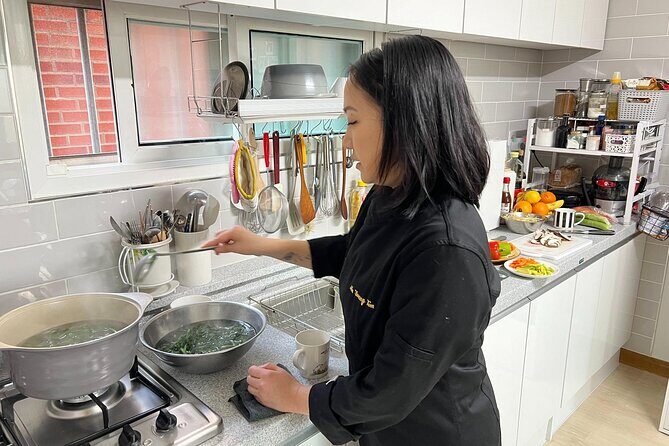
- Private cooking with Na Young: only your group, led in a home kitchen setting in central Seoul
- Two dishes from scratch: the menu varies, but you’ll cook traditional favorites like bulgogi and bibimbap options
- Optional Mangwon Market tour: guided, about 30 minutes, with a snack stop and seasonal ingredient ideas
- You eat what you make: your meal includes soup, kimchi, and a glass of soju
- Dietary needs can be accommodated: gluten-free, vegetarian, and vegan options are available if you request ahead
- Shoes off, sandals on: you’ll remove shoes to enter the home, as is customary in South Korea
Why a home-based Korean cooking class works so well in Seoul
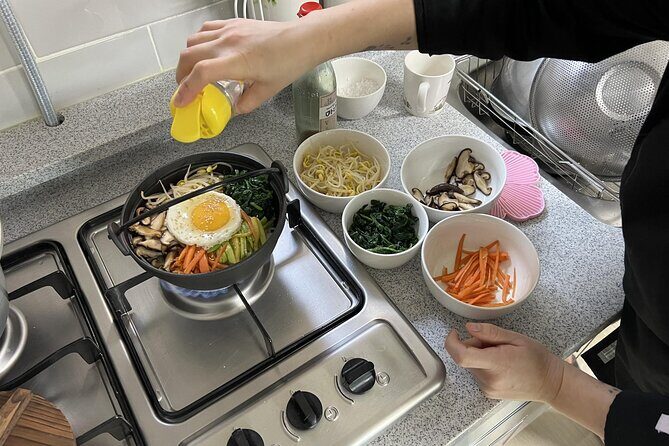
Seoul has plenty of cooking experiences, but this one has a different feel. You’re not just watching from the sidelines. You’re in the kitchen, working with fresh ingredients, learning the logic behind Korean cooking as you go. That’s what makes it more than a food show.
In a professional home kitchen, the pace usually clicks fast. One person guides, your group cooks, and then you eat together. And because the menu can change with the season, you’ll get a lesson that feels current rather than stuck in a single, memorized version.
You also get cultural signals that are part of the meal itself: shared table time, practical portioning, and the way Korean food treats sides (banchan) as part of the main event. Even if you’re only there for a few hours, you walk away with a clearer sense of how flavors build.
You can also read our reviews of more cooking classes in Seoul
Getting to 247-111 Seogyo-dong without stress
This experience starts and ends at the meeting point: 247-111 Seogyo-dong, Mapo-gu, Seoul. There’s no hotel pickup or drop-off, so plan to make your own way there using nearby public transportation.
That’s a plus for value: you keep the budget focused on the cooking and the meal, not on transportation overhead. The tradeoff is you’ll need to arrive on time and find your way confidently. If you’re running late, you can WhatsApp or call your host for directions.
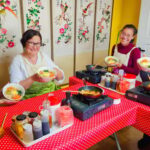
The other big logistics detail is simple but important: take off your shoes when you enter the home. Na Young provides indoor sandals so you’re not stuck in socks-only mode. It’s an easy adjustment, but if you’ve got “I hate sandal life” energy, just know it’s part of the cultural setup.
The 3-hour flow: optional market, hands-on cooking, then the shared meal
The experience runs about 3 hours total. The structure is straightforward: you start with guided cooking in the home, and you end by eating the meal you helped create.
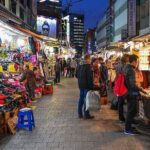
If you choose the market option, you add a guided visit to Mangwon Market. The home-to-market walk is about 10–12 minutes, so it’s not a long commute. Once you arrive, you’ll explore stalls for around 30 minutes, learning about seasonal ingredients and sampling a traditional Korean snack. This part is valuable because it turns the class into a full food story: where ingredients come from, how they’re sold, and how people snack while shopping.
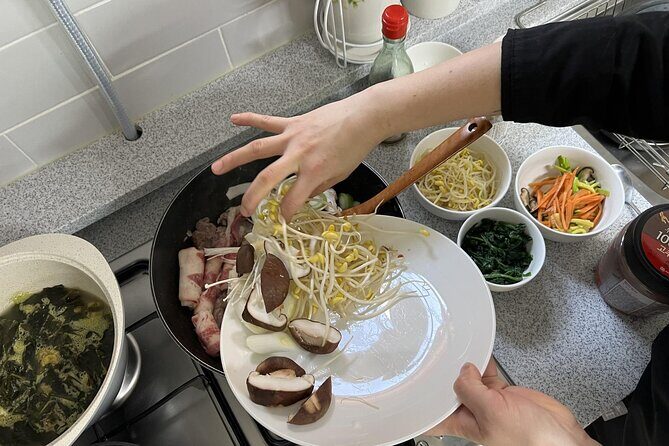
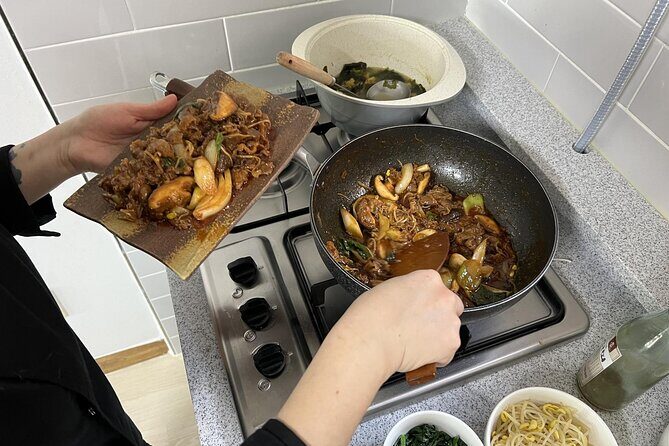
Back at the kitchen, the hands-on portion begins. You’ll learn to prepare two traditional Korean dishes from scratch, with the menu shifting depending on the day. You may make a main dish and a side dish, so even if your final plates look different from what you expected, you’ll still practice the core building blocks: chopping, mixing, seasoning, and cooking technique.
Then comes the best part: you sit down and enjoy your meal with soup, kimchi, and soju. It’s not an afterthought. It’s part of the lesson, because you get to taste how your cooking choices play out when everything hits the table together.
What you’ll cook: bulgogi, bibimbap, and the sides that make it real
Korean food can look intimidating online. Real life is different. In this class, you’re taught the approach behind classic dishes, and you practice it directly.
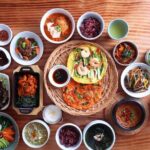
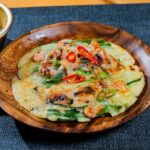
You can expect traditional dishes such as bulgogi or bibimbap, plus accompanying components. Sometimes the day’s plan may include kimchi as part of the dish lineup, and sometimes kimchi may be served as part of the meal alongside your cooked dishes. Either way, kimchi shows up during the eating portion, and it helps you understand how Korean meals balance heat, tang, and crunch with warm cooked food.
Here’s why this format helps you later. When you cook the dish yourself—rather than simply tasting it—you start to recognize the flavor patterns:
- sweetness and savory depth in sauces and marinades
- proper seasoning timing (not just what goes in, but when)
- how toppings and sides change texture, not only taste
Because the menu may vary by season, your exact dishes might not match a friend’s memory from a different month. But that’s also the point. Seasonal ingredients and seasonal shopping habits matter in Korean cuisine, and this experience keeps that in view.
If you’re vegetarian or vegan, you’ll want to request it when booking, since you’re selecting from the available dietary adaptations. The good news is that gluten-free, vegetarian, and vegan diets are supported when you notify the host ahead of time.
Mangwon Market: the quick, practical ingredient lesson
Mangwon Market is a spacious indoor market, and that matters. You can browse comfortably without fighting weather, and it’s easier to focus on food than on logistics.
The walk there is short, which keeps the day from turning into “half market, half transit.” Once inside, you’ll explore stalls for about 30 minutes with guided context. The aim is not to turn you into a produce expert overnight. It’s to help you spot what’s in season, learn how items are used, and understand how Korean shoppers think about daily meals.
You’ll also sample a traditional snack. That’s a smart move because it links the market vibe to the cooking lesson. You taste while you browse, so ingredient choices don’t feel abstract.
If you’re the type who likes “show me where the food comes from,” this add-on is worth it. If you’re more focused on getting straight to cooking (or you’re short on appetite), you can still do the core class without the market portion.
You can also read our reviews of more tours and experiences in Seoul


Meal time: soup, kimchi, and the soju glass
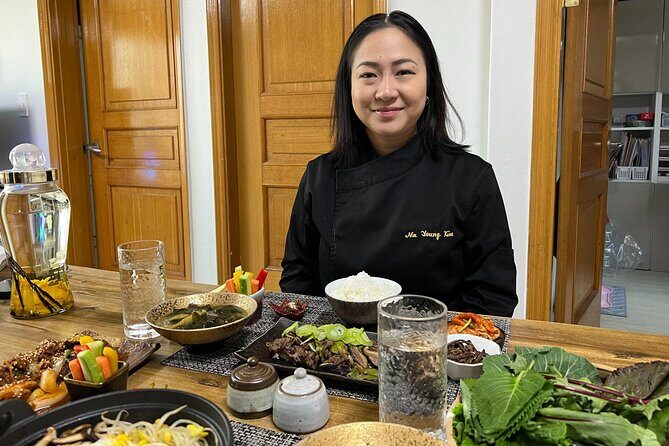
The meal after cooking is part of the value. You’re not just going through motions and then leaving hungry. You eat what you made, and you get the Korean table experience in one go.
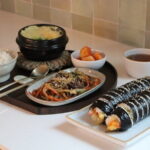
Your meal includes soup and kimchi, plus a glass of soju. That trio is classic for Korean dining rhythms: something warm, something fermented and sharp, and an alcohol pairing that keeps conversation going.
A practical note: if you don’t drink alcohol, plan ahead before the day. The soju glass is included, so it helps to clarify what flexibility—if any—you may have with your host when you book.
Also, expect a relaxed pace at the table. One of the best parts of private classes is that you’re not rushed into eating and moving on. This is when questions land naturally: why an ingredient is used, what to look for at the store, and how Koreans balance flavors in everyday meals.
Professional instruction you can actually use at home
This class is built around practical skill. You’re not learning only recipes. You’re learning techniques and ingredient behavior.
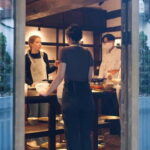
As you chop, mix, stir, and cook, you get direct coaching in how Korean dishes are structured. And because you cook two dishes, you don’t leave with just one “win.” You build repeatable instincts for seasoning, texture, and timing.
I also like that the host keeps things grounded in ingredients. Korean cooking depends a lot on freshness and on using the right components together. When you see ingredients handled in a real kitchen, you’re less likely to try a dish at home and end up with a bland or off-balance version.
One more detail that makes home cooking easier: you’ll be in a kitchen setup where the basics are already organized. That reduces frustration. You’re learning, not wrestling with tools you’ve never used before.
And if you’re traveling with a shopping mindset, the market option gives you a short list of what to buy and what to prioritize. Even after one visit, you’ll know what seasonal items should look like and how people handle snack stops alongside shopping.
Price and value: is $122 a good deal?
At $122 per person for about 3 hours, this sits in the “small but premium” category. You’re paying for three things that are hard to replicate on your own:
- Private instruction (only your group participates)
- A professional home-kitchen experience led by Na Young
- Your meal included, including soup, kimchi, and a glass of soju
Compared with group classes, the private setup usually makes a big difference. You can ask questions, get feedback, and move at your kitchen pace. That matters because cooking is physical. If you’re forced into a crowded class line, you miss half the learning.
Also, the market add-on can increase value because it turns ingredients into a guided story. You’re not just eating; you’re choosing ingredients and tasting what Koreans actually snack on while shopping.
If you’re the kind of traveler who wants a hands-on cultural experience and you’ll actually cook at home later, this price feels fair. If you simply want a quick food tasting with no interest in technique, you might find the cooking portion a better fit only if you’re genuinely curious about Korean flavors.
Who this cooking class suits best (and who should think twice)
This experience is ideal if you want:
- a private class rather than a big group cram session
- hands-on cooking guidance in a real home setting
- a meal at the end that includes Korean staples like kimchi, soup, and soju
- optional market time for ingredient context at Mangwon Market
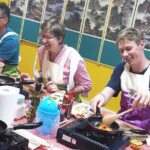
It’s also a good fit for couples and small groups who like conversation and slower travel. Because you’re in one kitchen, you get time to ask questions and build understanding.
One consideration: Na Young can host only 1 child per experience. If you’re traveling as a family and you’re bringing multiple children, you’ll want to double-check fit before booking.
Should you book this Seoul cooking class?
If you want Korean food with real structure—ingredients, technique, and then the meal—you should book it. The private home-kitchen format, the included sit-down dining, and the option to pair it with Mangwon Market are the three pieces that make this a strong value in Seoul.
Book it especially if you care about going beyond restaurant meals. This class helps you connect what you taste to how it’s made. And that kind of takeaway is what makes cooking experiences worth your time.
Skip it only if you hate the idea of cooking in a home setting (including the shoes-off rule) or you’re only looking for a short tasting experience. Otherwise, this is the kind of day you remember because you take it home with you—at least in your hands, your nose, and your seasoning instincts.
FAQ
How long is the cooking class?
It lasts about 3 hours in total.
Is the Mangwon Market visit included?
You get the Mangwon Market guided tour only if you select the market option. If you do, it includes about 30 minutes at the market and a snack sampling.
Where do we meet for the class?
You’ll meet at 247-111 Seogyo-dong, Mapo-gu, Seoul, South Korea. The activity ends back at the meeting point.
Do I need hotel pickup?
No. Hotel pickup and drop-off are not included.
What dishes will we cook?
You’ll prepare two traditional Korean dishes from scratch. The menu may vary by season, but options mentioned include bulgogi and bibimbap.
Is there dietary accommodation?
Yes. Gluten-free, vegetarian, and vegan diets are available if you advise the host at the time of booking. The menu may vary depending on the season.
Do I need to take my shoes off?
Yes. You should remove your shoes before entering the home. The host provides indoor sandals.
Is this a private class?
Yes. It’s private, and only your group participates.
What’s the cancellation policy?
The experience is non-refundable and cannot be changed for any reason. The provider states they offer a 48-hour cancellation instead for this experience to add flexibility.
If you want, tell me your dietary needs and whether you’re adding Mangwon Market, and I’ll suggest the best way to time your day around this class.