REVIEW · SEOUL
Seoul: National Museum of Korea Guided Tour
Book on GetYourGuide →Operated by Korea Guide Tour · Bookable on GetYourGuide
Korea’s museum stories start well before the main hall. What I like most is how this guided visit sends you past the obvious entrance sights to focus on hidden treasures and the big ideas behind them. You’ll also get clear connections between Buddhism and ceramics, not just object facts, so the museum feels like a living story instead of a hallway of cases.
One thing to keep in mind: the group is limited, and if the number of participants is under 4, the tour can be canceled. That’s usually not a deal-breaker, but it can matter if you’re planning tight days around Seoul museum time.
In This Review
- Key highlights you’ll care about
- A smart way to see the museum beyond the entrance hall
- The English guide makes or breaks the experience
- Starting at the Great Hall: a calm, easy beginning
- The hand axe and comb-pattern pottery: why these get attention
- Buddhism in Korea: the stories behind relics and beliefs
- Ceramics and everyday beauty: more than pots on shelves
- Pacing for a 2-hour museum plan (and how not to rush)
- Price and value: is $38 for 2 hours worth it?
- Who should book this guided tour in Seoul?
- Should you book this Seoul National Museum guided tour?
- FAQ
- How long is the Seoul National Museum of Korea guided tour?
- What is the meeting point?
- Is the tour guided and in English?
- What’s included in the price?
- What’s the group size?
- How much does it cost?
- Can I cancel for a refund?
Key highlights you’ll care about
- Meet in the Great Hall: start at the 1st-floor lobby of the Exhibition Hall for an easy, clear first step.
- Small group, real Q&A: limited to 10 people, so your English-speaking guide can answer questions without rushing.
- Spotlight on early artifacts: the hand axe and comb-pattern pottery get special attention for a reason—people remember them for good cause.
- Buddhism made understandable: you’ll see how Buddhist traditions shaped ideas, not just religious settings.
- Ceramics as culture: you’ll learn why pottery styles and techniques influenced Korean daily life and taste.
- Guides with patient teaching styles: names like Sue, Minju, MJ, and Sally pop up with the same theme—clear explanations.
A smart way to see the museum beyond the entrance hall
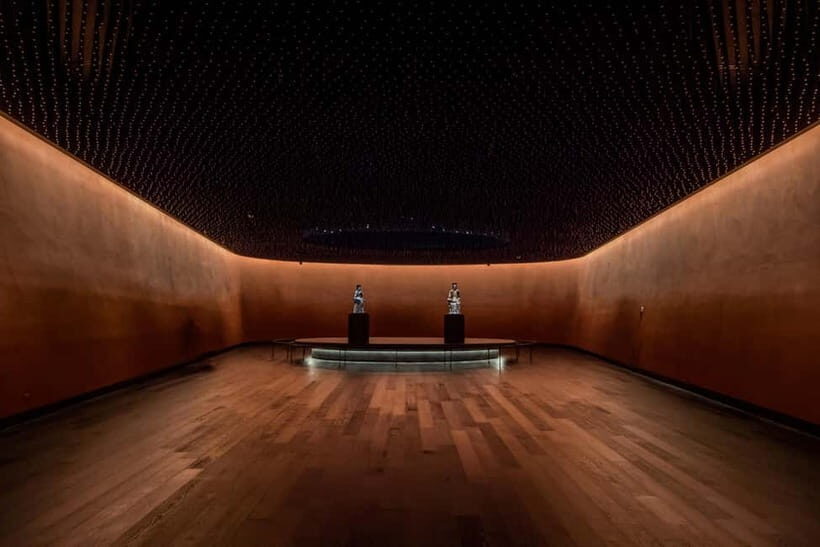
Seoul’s National Museum of Korea is big enough that first-time visitors often feel like they did a sprint, not a tour. That’s exactly why this format works: it’s designed to pull you toward the stories that many people miss when they only remember the entrance hall.
In about 2 hours, you’re not just watching artifacts. You’re building context for them—how objects connect to Korean life across time, especially through religion and craft. The result is that you leave with a framework, so even if you wander afterward, you’ll know what you’re looking at.
You can also read our reviews of more guided tours in Seoul



The English guide makes or breaks the experience
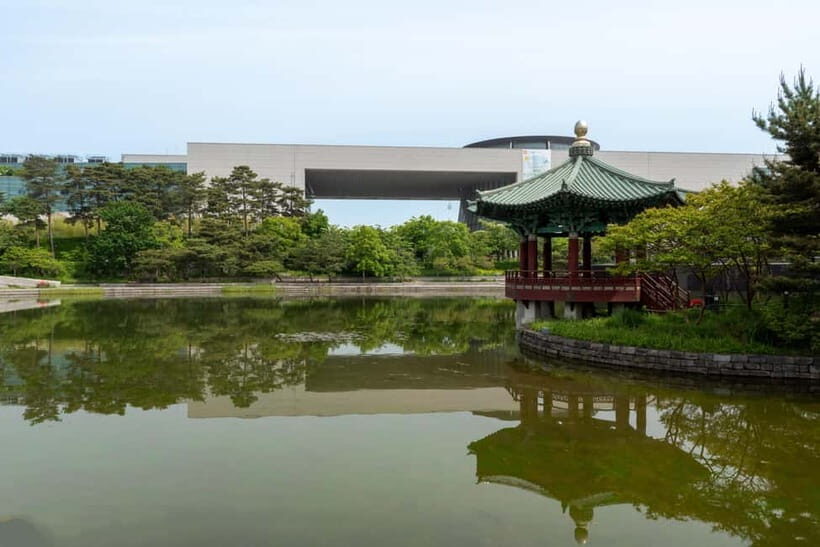
This tour is led by a live English guide and capped at 10 participants, which is the sweet spot for a museum visit. When the group is small, the guide can slow down when someone asks a question—and they often do.
The names mentioned in past guide experiences show a consistent pattern. Guides like Sue are praised for explaining things clearly and engagingly, while Minju is noted for keeping the pace interesting without losing focus. MJ is highlighted for connecting history to everyday cultural understanding, and Sally is recognized for giving an overview that makes you want to come back and see more.
If you’re visiting Seoul with limited museum time, this matters. A self-guided museum can be great, but a good guide helps you avoid the slow trap of wandering and wondering what each thing is really saying.
Starting at the Great Hall: a calm, easy beginning
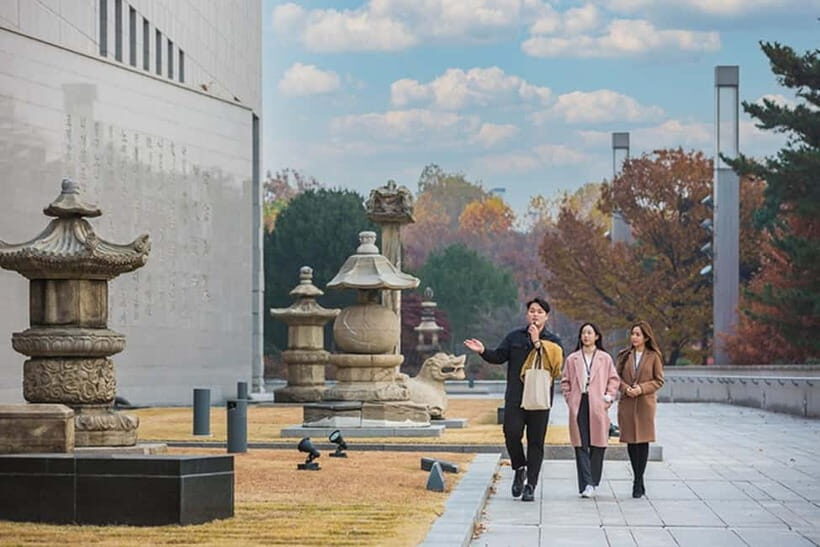
You meet at The Great Hall, 1st Floor Lobby of the Exhibition Hall, National Museum of Korea. Starting in a clear indoor meeting point helps you get oriented fast—no frantic searching across wings of the museum while you’re trying to get on the tour clock.
From there, the guide’s job is basically to set your lens. You’ll hear how the museum’s collections connect to Korea’s deeper cultural forces, so your attention lands on the items and themes that truly matter during the time you have.
The hand axe and comb-pattern pottery: why these get attention
Early Korean archaeology can be a tough entry point, because it’s not always obvious why a simple tool or shard should feel meaningful. The tour leans into that problem with two specific focal objects: the hand axe and comb-pattern pottery.
A standout detail is that a 2017 survey by the museum found many people remember these items as their most memorable exhibits. That tells you something useful as a visitor: these are not just random “cool objects.” They’re the kinds of pieces that grab attention quickly and help you imagine daily life long ago.
So what does the guide do with that? You’ll get the story behind what you’re seeing—how early craftsmanship and patterned pottery reflect habits, technologies, and cultural preferences. Instead of treating pottery as decoration, you start to see it as evidence of how people lived and made sense of their world.
Buddhism in Korea: the stories behind relics and beliefs
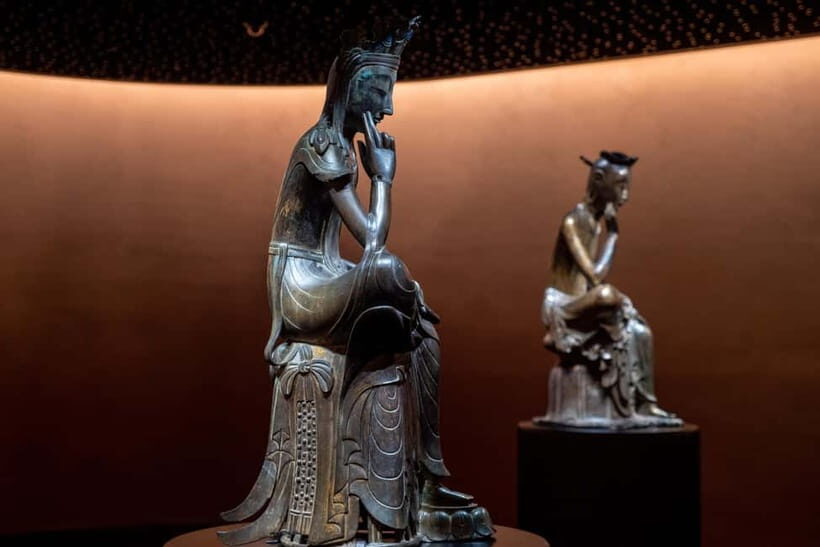
A big theme of this tour is Buddhism and how it shaped Korean culture. This is where the guided part earns its keep: Buddhism in artifacts can feel abstract unless someone explains how beliefs translate into objects and symbols.
You’ll be shown relics and linked cultural stories, with the guide connecting them to the bigger picture of Korean history. The goal isn’t to turn the tour into a lecture—it’s to help you notice patterns: recurring ideas, influences on artistic choices, and why certain forms and objects mattered to people.
One practical advantage for you: when the guide explains context in plain language, you stop asking the museum to do all the work. You’re actively interpreting, even if you don’t know the subject before you arrive.
You can also read our reviews of more museum experiences in Seoul
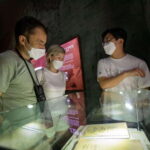


Ceramics and everyday beauty: more than pots on shelves
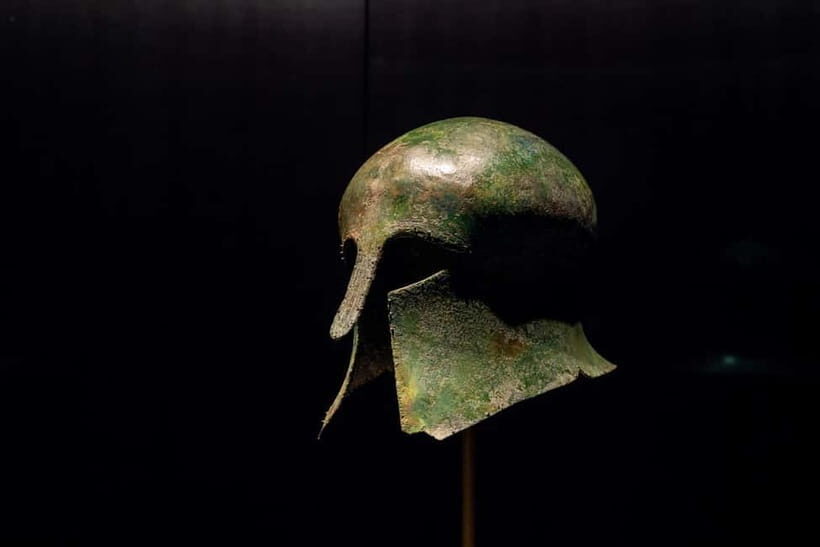
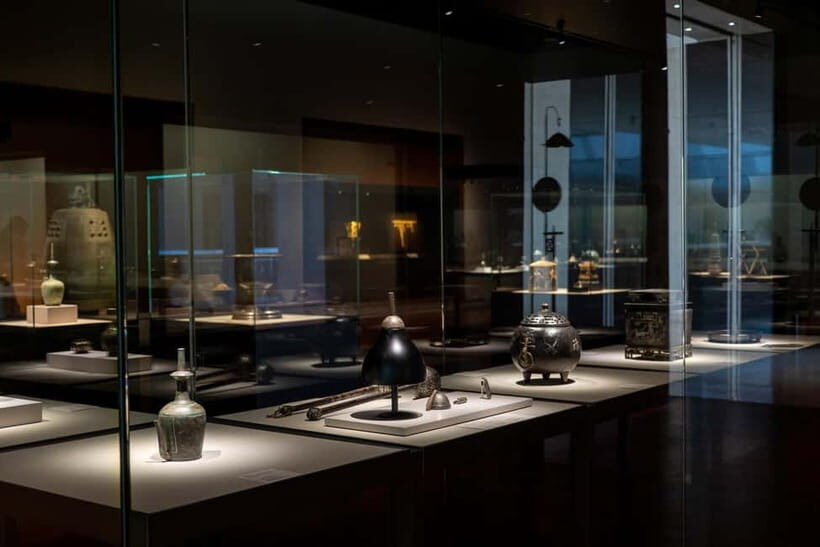
If you’ve ever looked at ceramics and thought, Okay, it’s pretty, but why does it matter, this section is for you. The tour highlights how ceramics influenced Korean life and culture, not just aesthetic taste.
Ceramics are one of those areas where small details carry big meaning—patterns, techniques, and how objects were made. The tour uses the museum’s collections to show how these choices connect to daily routines and cultural identity. That’s also why comb-pattern pottery gets mentioned so often: patterns help you see order, repetition, and craft skills across time.
You’ll also come away with a better sense of what to look for when you wander the rest of the museum. Once you learn how to read ceramics as a cultural record, the experience gets easier—and more enjoyable.
Pacing for a 2-hour museum plan (and how not to rush)
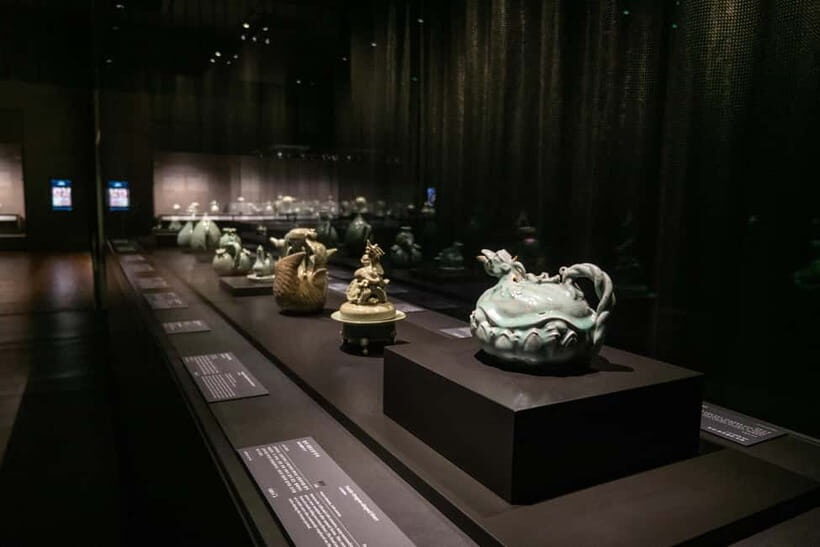
A 2-hour tour is a helpful constraint. It’s long enough to get real stories and not just a quick scan, but short enough to fit into most Seoul itineraries without wrecking your day.
Still, pacing matters. If you tend to move slowly in museums, you may feel slightly pressed—but the guide’s structure keeps you from getting lost in the endless collection. That’s a good trade-off: you’re choosing depth in a focused route rather than trying to see everything.
What you can do to make it work: wear comfortable shoes and plan to arrive a few minutes early for your meeting point. Once the tour starts, it’s much easier to follow the thread of Buddhism, ceramics, and early artifacts when you’re not scrambling to find the group.
Price and value: is $38 for 2 hours worth it?
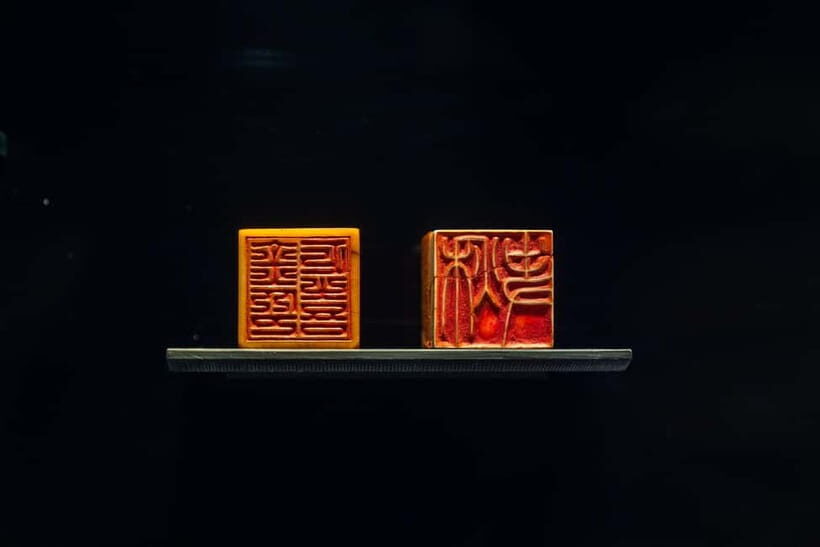
At $38 per person for a 2-hour guided visit, the value comes from two things that are explicitly included: the local tour guide and admission to the National Museum of Korea.
For many visitors, admission is the baseline cost you’d pay anyway. When a tour includes that plus an expert guide, you’re paying mainly for the interpretive layer—someone to connect objects to Korea’s cultural story and help you understand what you’re seeing.
And the small-group size isn’t just a comfort perk. It’s part of the value. When you can ask questions and get patient answers, the tour becomes more than a show-and-tell. That’s what guides like Minju, Sue, MJ, and Sally are repeatedly praised for: clarity, engagement, and answering with care instead of speed.
Who should book this guided tour in Seoul?
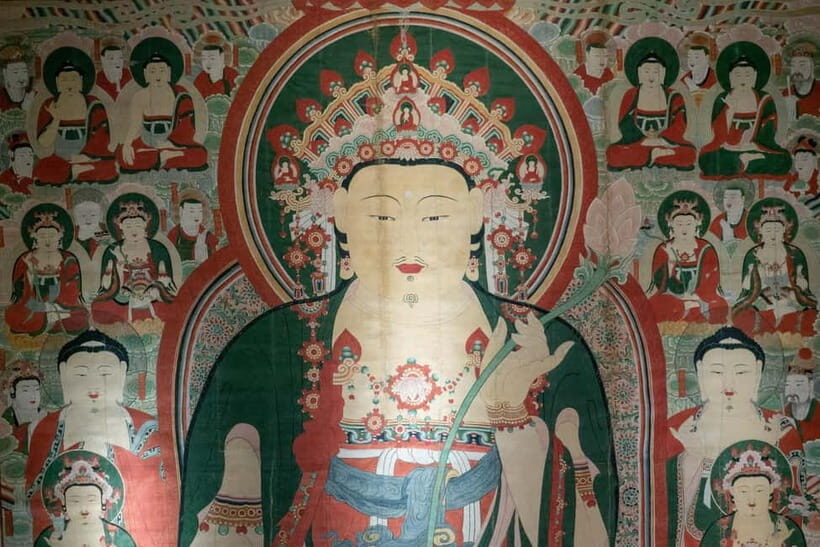
This is a great fit if you’re:
- In Seoul for a short time and want meaningful museum time instead of an exhausting self-guided marathon.
- Interested in Korean history through themes you can remember—Buddhism and ceramics are big, memorable anchors.
- The type of person who likes asking questions and getting thoughtful answers. The small group setup supports that.
- A first-timer at the National Museum of Korea who wants a strong “start here” path.
It may be less ideal if you already know the museum collections very well and want a completely independent route. The tour is designed for focus, not for maximum coverage of everything in the building.
Should you book this Seoul National Museum guided tour?
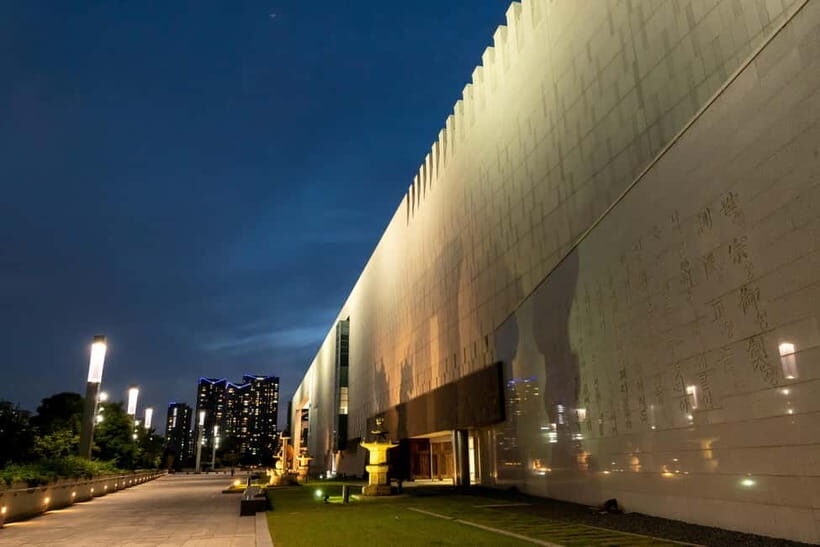
I’d book it if you want a museum visit that feels like it has a point. The combination of included admission, a small group size, and guides known for clear, engaging storytelling makes the experience feel efficient without being rushed.
Also, this tour’s themes are practical: early artifacts like the hand axe and comb-pattern pottery are a smart way to build context, and Buddhism and ceramics give you cultural connections that last after you leave. If you’re someone who enjoys learning how everyday beauty and belief show up in objects, you’ll likely find this time well spent.
FAQ
How long is the Seoul National Museum of Korea guided tour?
The tour lasts 2 hours.
What is the meeting point?
Meet at The Great Hall, 1st Floor Lobby of the Exhibition Hall, National Museum of Korea.
Is the tour guided and in English?
Yes. It includes a live local tour guide, and the language is English.
What’s included in the price?
The price includes the local tour guide and admission to the National Museum of Korea.
What’s the group size?
It’s a small group limited to 10 participants. If the number of participants is under 4, the tour will be canceled.
How much does it cost?
The price is $38 per person.
Can I cancel for a refund?
Yes. You can cancel up to 24 hours in advance for a full refund. No refund is issued for no-shows or cancellations on the day of the tour.