REVIEW · SEOUL
Time Travel in Seoul: Gyeongbokgung, Folk Museum & Bukchon
Book on GetYourGuide →Operated by Minari Travel · Bookable on GetYourGuide
Seoul’s old stories feel close up here. I like how the tour pairs Gyeongbokgung Palace with everyday life at the National Folk Museum, so the city makes sense fast. I also love the small-group pace, which keeps you from feeling like you’re herded from one photo spot to the next. One thing to consider: it’s a walking-heavy route through backstreets, and it’s not a good fit if mobility is an issue.
This afternoon tour runs about 3 hours with an English-speaking, certified local guide from Minari Travel. You’ll meet at Gyeongbokgung Station (Line 3), Exit 4 (outside), and your guide will be holding a sign that says Minari Travel. The biggest payoff is having Mina guide the route: she’s known for answering questions, offering food and shop ideas, and helping you keep momentum after the tour.
You’ll start at the palace, then head into museum exhibits, and finally shift into Bukchon’s quieter hanok lanes. Even in bad weather, the tour runs rain or shine, so bring a practical umbrella or raincoat and wear comfortable clothing. If you want a structured way to see three major areas without spending your whole day planning, this is a strong pick.
In This Review
- Key things that make this tour worth it
- Gyeongbokgung Station to royal gates: the smartest start
- Inside Gyeongbokgung Palace: what the palace means, not just what it looks like
- National Folk Museum: how people lived, and why that changes your view
- Bukchon Hanok Village backstreets: quiet lanes, still-living culture
- Tea time in a hanok café: the view break that actually helps
- The Mina factor: why this tour feels personal in practice
- Timing and logistics: 3 hours that don’t over-stretch you
- Price and value: is $54 a fair deal for what you get?
- Who this tour suits best (and who should skip it)
- Before you go: what to pack for walking in Seoul weather
- Should you book this Minari Travel afternoon tour?
- FAQ
- How long is the Time Travel in Seoul tour?
- What does the tour cost?
- What’s the meeting point and where do I wait?
- How big is the group?
- What’s included in the price?
- Is transportation included?
- Does the tour run in bad weather?
- Is the tour suitable for mobility impairments?
Key things that make this tour worth it
- Gyeongbokgung first: you get palace context before you move on to smaller neighborhoods
- Small group (max 6): more time for questions and less waiting around
- National Folk Museum in the middle: everyday objects and traditions connect the dots
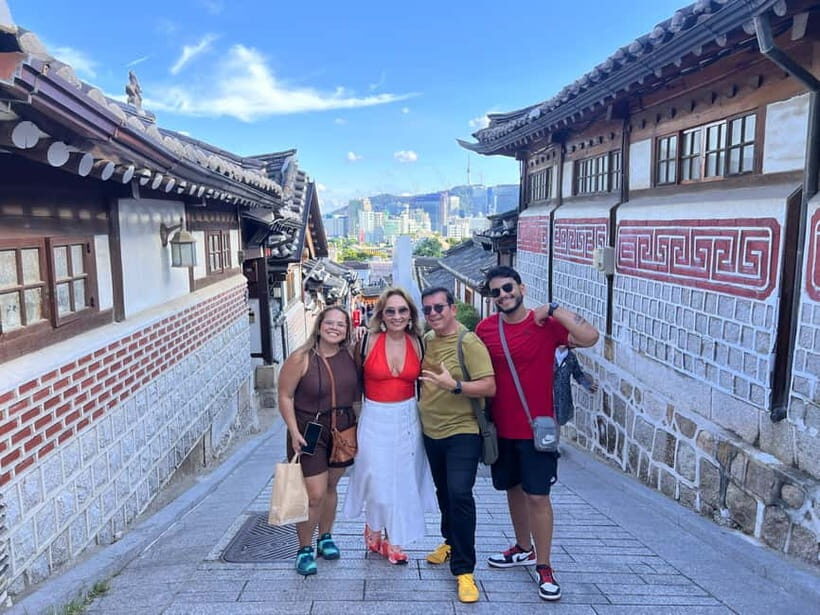
- Bukchon backstreets: you see hanoks and cultural stops beyond the busiest paths
- Tea in a hanok café: you get a calm pause with a view back toward the palace area
- Guide support beyond the itinerary: recommendations for where to eat and what to do next
Gyeongbokgung Station to royal gates: the smartest start
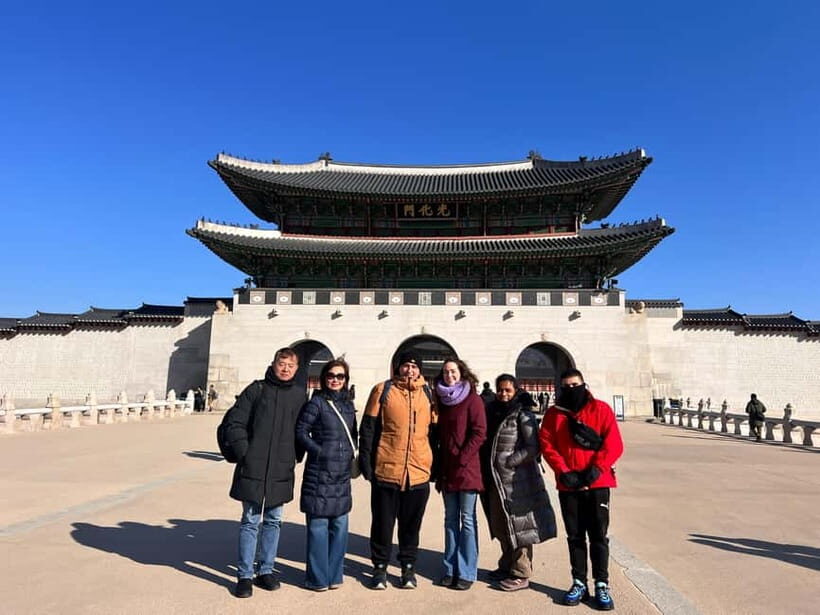
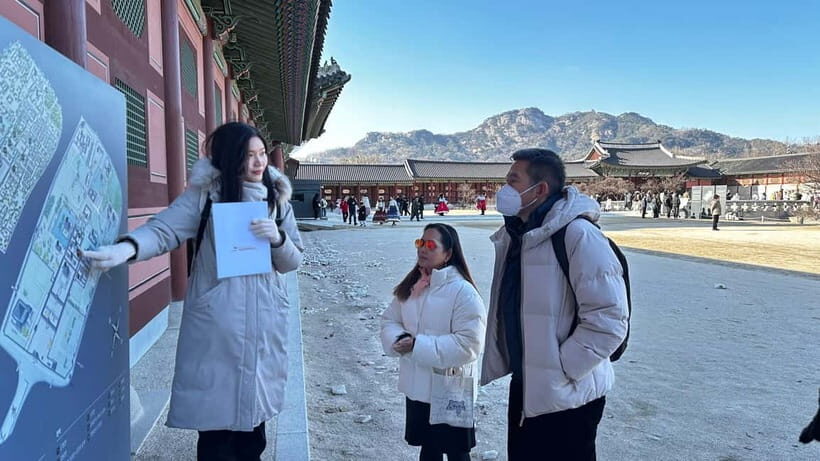
Starting at Gyeongbokgung Station (Line 3), Exit 4 is a smart move because it puts you close to Korea’s grandest Joseon-era palace. With a guide waiting outside with a Minari Travel sign, you skip the awkward moment of hunting for your group after you’ve already stepped off the subway.
I also like that the tour is built for a short time window. You’re not trying to do everything solo across multiple zones. Instead, you get a clean flow: palace → museum → Bukchon → tea. That matters in Seoul, where travel time and walking distances add up quickly.
You can also read our reviews of more museum experiences in Seoul

Inside Gyeongbokgung Palace: what the palace means, not just what it looks like
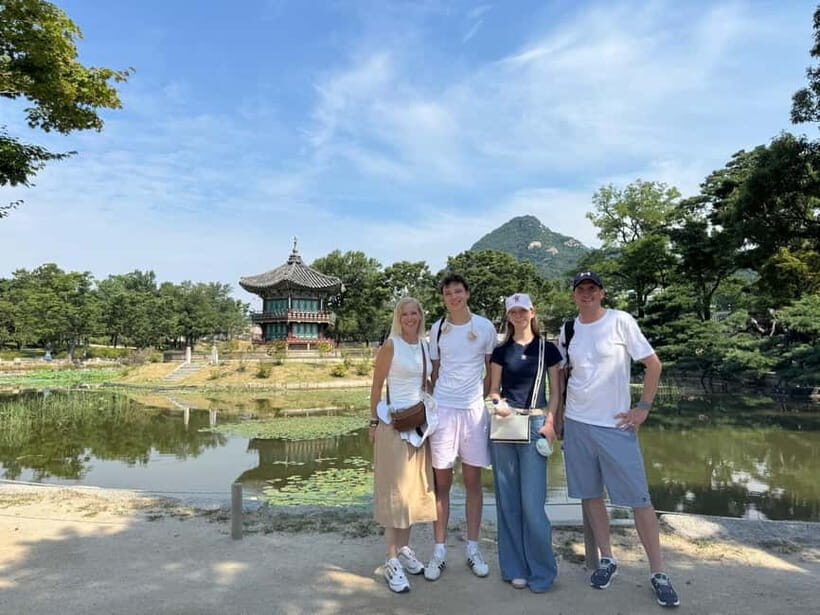
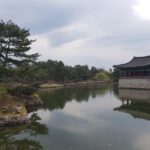
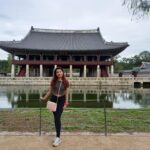
Your route begins with a photo stop and then a guided walk through Gyeongbokgung Palace for about an hour. The focus isn’t only on impressive architecture, but on the stories behind it—kings, queens, and the way the palace worked as a center of power and daily order.
This is where a guide earns their keep. A palace can look gorgeous but still feel distant if you don’t understand why certain areas matter. Here, you’ll get the kind of context that helps you read the space as more than a backdrop for photos.
Practical tip: comfortable shoes matter a lot inside palace grounds. You’ll be walking and looking around, often with stairs or uneven spots. And since there’s plenty worth shooting, bring your camera and expect time for photos without feeling rushed.
National Folk Museum: how people lived, and why that changes your view
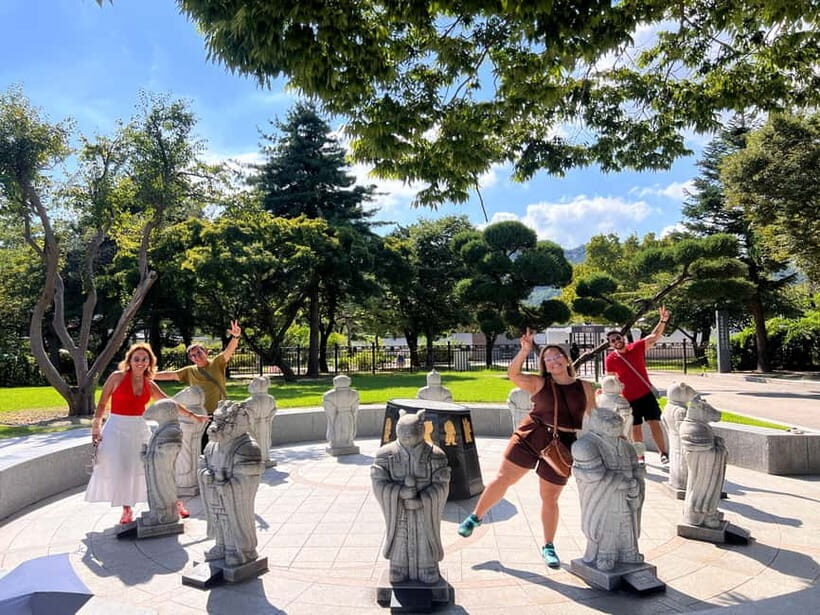
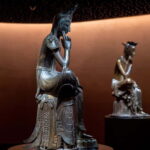
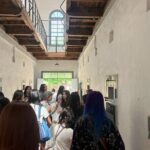
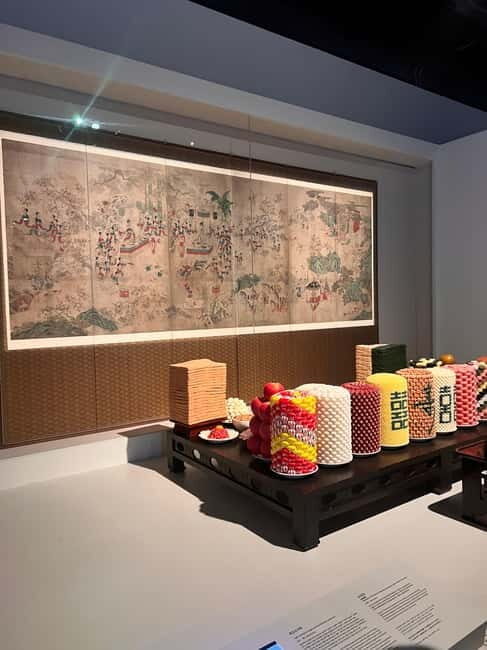
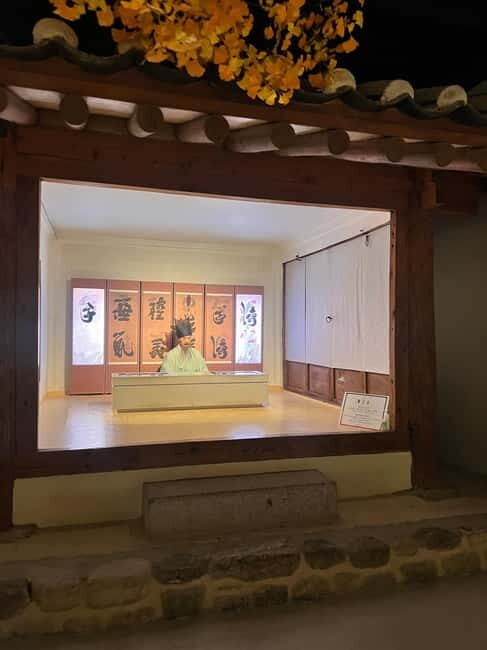
Next comes the National Folk Museum of Korea for about 30 minutes of guided time. This stop shifts your perspective from royal spaces to everyday Korea. The exhibits are built around how Korean people lived across different eras—through everyday objects, traditions, and cultural habits you can recognize as human, not just historical.
I like this placement in the itinerary. It prevents the classic “palace-only” problem, where you admire the grandeur but miss the culture that sustained it. After the museum, Bukchon’s hanoks make more sense because you’ve just learned how daily life shaped design, routines, and values.
Even with a shorter museum window, having a guide helps you focus on what to look for. If you wander on your own, it’s easy to get stuck reading everything. Guided direction keeps it moving while still giving you a real takeaway.
Bukchon Hanok Village backstreets: quiet lanes, still-living culture
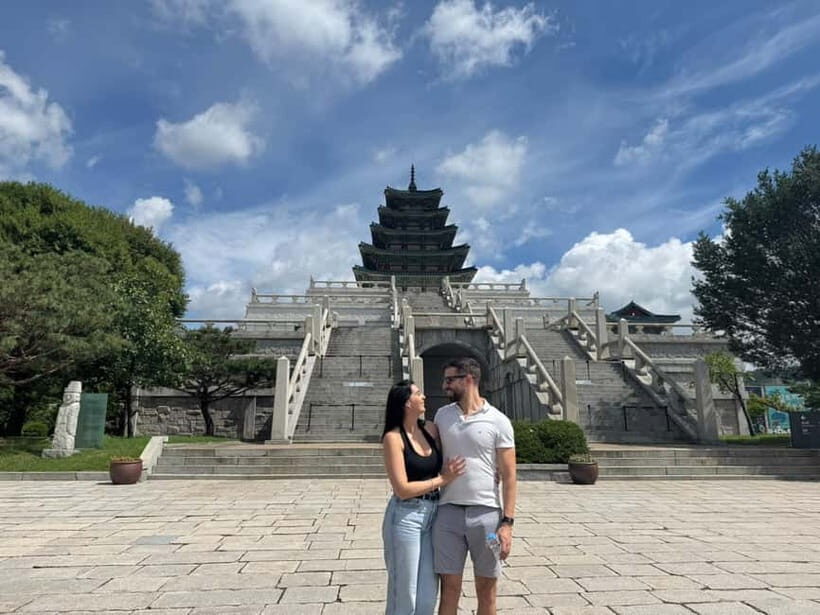
After the museum, you move into Bukchon Hanok Village for about 1.5 hours, but the key is how you enter it. Instead of only sticking to the busiest tourist paths, you’ll explore quieter backstreets and find cultural spaces, galleries, and artisan shops tucked into the alleys.
This is the part you’ll feel most once you’re actually walking. Bukchon can look repetitive if you only skim from courtyard to courtyard. With a guide route, you’re more likely to notice differences in how hanok houses are used, arranged, and preserved. The tour also includes visits to multiple traditional hanok houses that are still tied to local culture, which is more interesting than simply looking at rooftops from the sidewalk.
Why this section is a big deal: Bukchon works best when you slow down just a bit. The tour format does that. You get time to look, ask questions, and take photos in places that feel calmer than the main drag.
If you love photography, keep your camera ready. The narrow streets and layered rooftops can create great frames, especially with light changing as you move deeper into the neighborhood. Just keep an eye on footing—alley streets aren’t always perfectly even.
Tea time in a hanok café: the view break that actually helps
The tour ends with a cup of tea or coffee at a hanok café with a view. This isn’t just a perk. It’s a smart reset after walking through palace grounds, museum halls, and Bukchon lanes back-to-back.
A nice detail here is that the café’s upstairs seating is the kind of spot that rewards you with a better view. If you see stairs and a vantage point, it’s worth considering that option so you can enjoy the palace-meets-neighborhood atmosphere from above.
I also like that the drink is included. It turns the last part of the tour into a real pause, instead of you scrambling to find a place and ordering while you’re still thinking about what you just saw.

The Mina factor: why this tour feels personal in practice
This is a small-group walking tour limited to max 6 participants, and that shows in the way the experience flows. When the group is small, it’s easier for the guide to adjust on the fly—answering the questions that matter to you instead of racing through a script.
The guide, Mina, is repeatedly described as kind, patient, and very engaging. One practical advantage I’d count on: she’s known for helping with details beyond the core route, like pointing you toward good lunch or suggesting what to do after the tour. That kind of local “what next” guidance can save you time later.
You’ll also feel the difference in pacing. The tour is designed to be comfortable, not a marathon. You’re walking and looking, but you’re also given enough rhythm to absorb stories and enjoy stops instead of just passing them like checkboxes.
And yes, there’s a social side too: in small groups, it’s easier to get photos where everyone looks like they belong in the scene, not like they’re hiding from the camera.
Timing and logistics: 3 hours that don’t over-stretch you
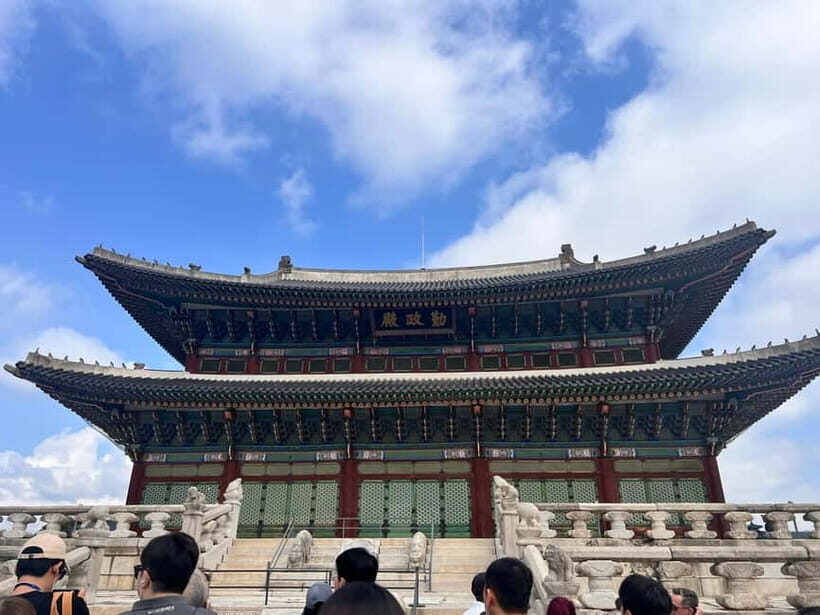
With a total duration of about 3 hours, you get a packed but controlled afternoon. Gyeongbokgung takes about an hour, the National Folk Museum is around 30 minutes, and Bukchon runs about 1.5 hours. That’s a balanced split: one big anchor attraction, one context stop, and one neighborhood experience.
What you should know before you commit: this is rain-or-shine. The itinerary still runs even if the weather turns. That’s why I recommend an umbrella you can actually hold comfortably while walking, or a raincoat that won’t flop into your view.
Also, keep in mind transportation isn’t included, so budget for getting to and from the meeting point. The good news is that the meeting location is straightforward—Line 3 makes it easy for many visitors to reach.
Price and value: is $54 a fair deal for what you get?
At $54 per person, this tour isn’t the cheapest thing you could do. But it also isn’t overpriced when you look at what’s included.
You get:
- entry to Gyeongbokgung Palace
- entry to the National Folk Museum of Korea
- a certified, English-speaking local guide
- small-group time (max 6)
- visits to multiple hanok houses in Bukchon
- tea or coffee at a hanok café
What’s not included is meals and transportation to and from the meeting point. Still, the guide-driven route helps you avoid wasted time and reduces the mental load of figuring out which hanok houses are worth your stop versus which are mostly photo fronts.
If you’re short on time in Seoul and you want three major stops connected by clear explanations, this is the kind of price that can feel worth it quickly.
Who this tour suits best (and who should skip it)
This tour is a great fit if you:
- want history plus context, not just photos
- like walking routes and backstreets
- enjoy small-group experiences where you can ask questions
- want a structured afternoon that still includes downtime for tea
It may not be ideal if you have mobility impairments, because it involves walking through backstreets and alleys. If you prefer minimizing walking, or you need frequent breaks, you might find a different style of tour more comfortable.
Before you go: what to pack for walking in Seoul weather
Plan around the fact that you’ll be moving a lot on foot. Bring comfortable shoes first. You’ll thank yourself halfway through Bukchon when the streets narrow and the pace includes frequent looking and small detours.
Bring a camera if you want to capture palace details and hanok architecture. And for weather: the tour runs rain or shine, so pack an umbrella or raincoat. If your umbrella is delicate, consider replacing it with something you can trust in wind.
Should you book this Minari Travel afternoon tour?
If you’re thinking about a “best use of one afternoon” plan, I’d lean toward booking. You’re getting a guided route through the palace, a context-setting museum stop, and Bukchon’s hanok neighborhood experience with a real pause at the end.
I’d skip it only if your priority is minimal walking, or if mobility limits make alley routes hard. Otherwise, this is exactly the kind of small-group experience that helps Seoul feel less like a checklist and more like a place with continuity—royal life, everyday life, and the living hanok streets in between.
If you want a Seoul afternoon that feels guided but not stiff, and you’d rather be pointed to the right lanes than just wander, this one is worth reserving.
FAQ
How long is the Time Travel in Seoul tour?
The tour lasts about 3 hours.
What does the tour cost?
It costs $54 per person.
What’s the meeting point and where do I wait?
Meet at Gyeongbokgung Station (Line 3), Exit 4 (outside). Your guide will be waiting with a sign that says Minari Travel.
How big is the group?
The group is limited to a small size of max 6 participants.
What’s included in the price?
Entry is included for Gyeongbokgung Palace and the National Folk Museum of Korea, plus visits to multiple traditional hanok houses in Bukchon. You also get 1 drink (tea or coffee) at a hanok café, and a certified English-speaking local guide.
Is transportation included?
No. Transportation to and from the meeting point is not included.
Does the tour run in bad weather?
Yes. The tour runs rain or shine, so bring an umbrella or raincoat.
Is the tour suitable for mobility impairments?
No. It’s not suitable for people with mobility impairments.