REVIEW · SEOUL
DMZ Tour + The War Memorial of Korea Museum
Book on Viator →Operated by YEHA TOUR · Bookable on Viator
A line of history runs straight through this day trip. It starts with the Korean War impact at Imjingak Pyeonghoa-Nuri Park and then moves on to the DMZ sites most visitors can only see with strict rules. I especially like how the itinerary keeps building context—DMZ exhibitions first, tunnel next—so the morning makes sense by lunchtime. I also love that guides such as Bill Hwang and Kane Kim seem to run the day with tight timing and clear explanations. One possible drawback: the Third Tunnel part is steep and narrow, so you’ll want comfortable shoes and a moderate fitness level.
You’ll ride in an air-conditioned coach, get tickets included for multiple stops, and return to the same area in Seoul by the afternoon. Start is 7:00 am from Myeong-dong, so yes, plan to be awake early. If DMZ conditions change due to military or bad weather, the schedule can shift, and refunds can depend on the reason.
In This Review
- Key highlights you’ll care about
- Early 7:00 AM from Myeong-dong (and why it matters)
- Imjingak Pyeonghoa-Nuri Park: Bridge of Freedom and war scars you can see
- The DMZ exhibition hall video stop: how you get the big picture fast
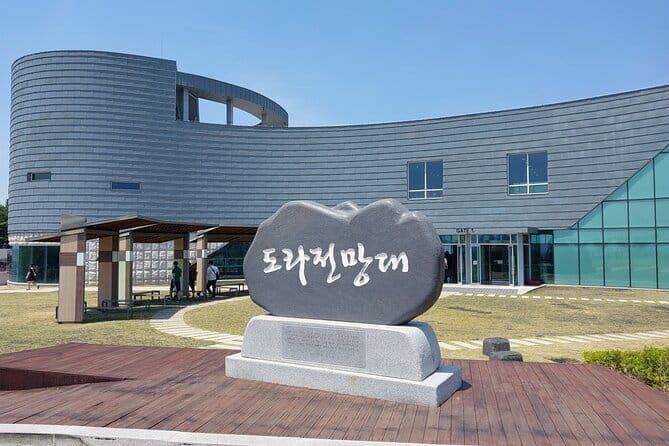
- Dora Observatory: binocular views across the DMZ (and what to do with them)
- The Third Tunnel walk: steep, narrow, and very real
- War Memorial of Korea: the free museum stop that adds meaning
- Price and value: $65 for a full day of DMZ stops
- Guide quality: why names like Bill and Kane come up often
- What to pack (so the day doesn’t trip you up)
- Who should book this DMZ + War Memorial day trip
- Should you book this DMZ + The War Memorial tour?
- FAQ
- How much does the DMZ tour with the War Memorial cost?
- How long is the tour?
- What time does the tour start, and where do I meet?
- Where does the tour end?
- What’s included in the ticket price?
- Is lunch included?
- Do I need to carry my passport?
- What should I wear for the Third Tunnel?
- How big are the groups?
- What if the DMZ visit is affected by bad weather or military issues?
- When can I cancel for a full refund?
Key highlights you’ll care about
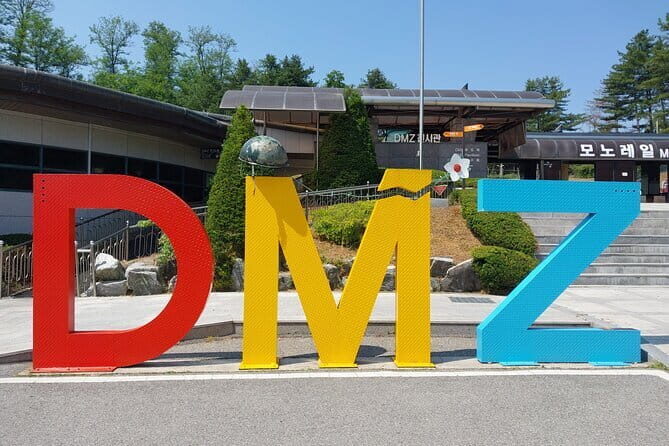
- Context in order: DMZ exhibition and video set you up before the tunnel experience.
- Binocular viewing at Dora: you get scenic looks across the Demilitarized Zone from the observatory.
- Third Tunnel walk (with guidance): a guided visit down a steep, narrow passage with rest moments.
- War Memorial of Korea added at the end: a free museum stop that ties the story together.
- Small-group feel: capped at 40 people, and guides often keep everyone organized and together.
Early 7:00 AM from Myeong-dong (and why it matters)
This tour begins at 7:00 am, meeting at Myeong-dong Station, Exit 4. It’s an early start, but that timing matters for an all-day outing that mixes strict border-area rules with multiple scheduled stops.
You’ll get picked up from points close to your hotel, then head toward the South–North border area. Expect 8 to 9 hours total, and plan your day around a full morning and afternoon.
You can also read our reviews of more museum experiences in Seoul


Imjingak Pyeonghoa-Nuri Park: Bridge of Freedom and war scars you can see
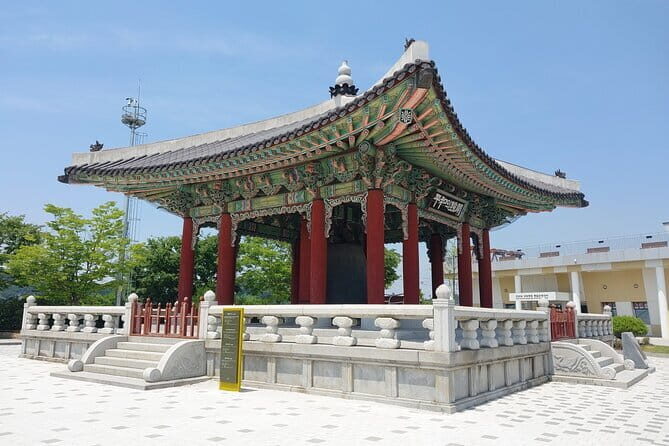
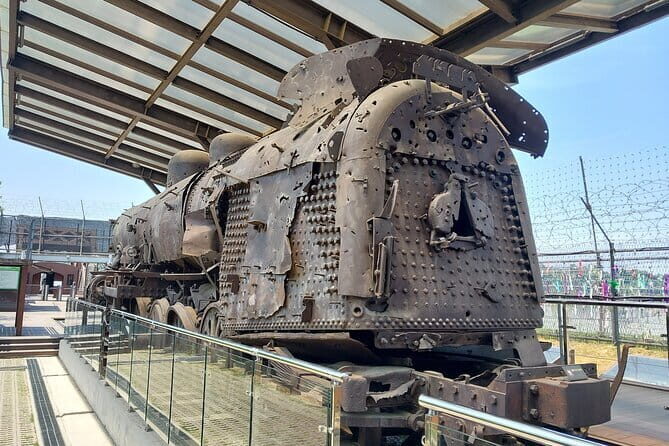
The first stop is Imjingak Pyeonghoa-Nuri Park, where the focus stays on the Korean War’s lasting impact. The signature photo spot is the Bridge of Freedom, a temporary bridge. It may not look “architecturally important,” but it’s heavy with meaning, and that contrast is the point.
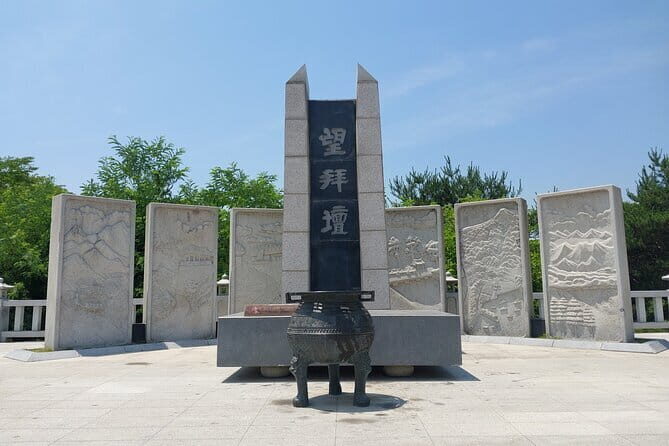
You’ll also move through exhibits around the park, including the Mangbaedan Memorial Alatar and the steam locomotive at Jangdan station. I like this stop because it’s not about politics as an argument—it’s about visible symbols and physical reminders, which makes the later DMZ portion land harder.
Practical note: this portion is a walking-and-looking start to the day. If you’re someone who likes to understand your photos later, take a moment here before the morning speeds up.
The DMZ exhibition hall video stop: how you get the big picture fast
Next comes the DMZ segment, starting with a short video at a theater. Then you’ll visit the DMZ exhibition hall, where you can see relics and records connected to the Korean War, plus general information about the DMZ.
This is one of the smartest parts of the plan because it gives you a framework before you move into the more dramatic, on-site experiences. If you’re the type who likes to connect what you see to what it means, the exhibition hall helps you do that right away.
One small downside: the DMZ portion you do here is more informational than scenic. So if you came only for views, you may feel slightly “museum-y” early on. The good news is the day pivots quickly toward Dora Observatory.
Dora Observatory: binocular views across the DMZ (and what to do with them)
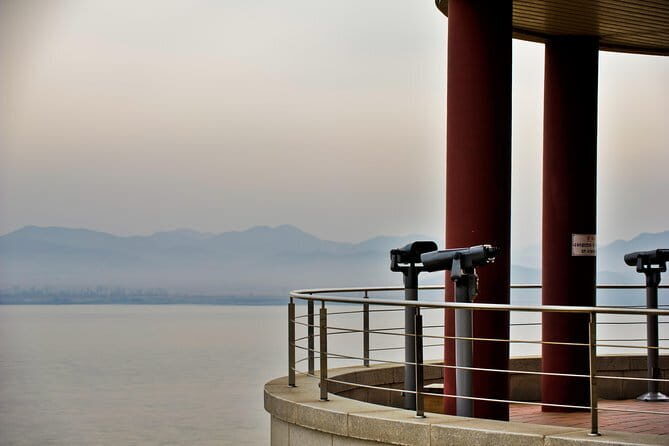
At Dora Observatory, you’ll use binoculars to view across the Demilitarized Zone, including North Korean territory from the designated viewing area. This stop also includes a look at elements associated with the North Korean side such as a Propaganda Village and a jamming tower concept (as explained during the visit).
What I like here is that it gives you a controlled type of awe: you can see distance, but you’re still in a structured observation setting. It’s also a good time to slow down, because the rest of the day gets more physical with the tunnel.
A reality-check you should keep in mind: on some days, rules and setup can shift. One participant noted seeing the north-side view through an auditorium option rather than the usual exterior viewing setup. So if the viewing angle feels different than you expected, that doesn’t mean you missed the point—it just means the day’s conditions changed.
The Third Tunnel walk: steep, narrow, and very real
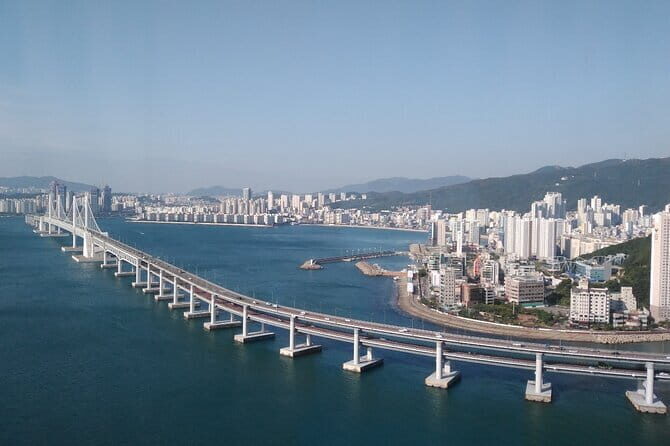
Then you hit the Third Tunnel, an infiltration tunnel dug into the South. The visit is designed around showing evidence connected to how it was intended, and you’ll learn details as you explore the tunnel itself.
This is the stop where the “travel day” becomes a “physical experience.” The tour explicitly recommends comfortable clothes and shoes because the passage is steep and narrow. Even if you’re not claustrophobic, this is still a place where you’ll feel the slope and the tight space.
Here’s what helps based on on-the-ground advice: plan for rest moments. People have noted that there are benches/rest points during the descent. Also, camera restrictions can apply in tunnel areas, and you may not be allowed to take photos facing North Korea. Bring your focus, not your photo roll, for this one.
If you’re lucky enough to be in a group led by Bill Hwang, one review mentioned he walked into the tunnel with the group. That kind of on-site guidance can make a steep visit feel calmer, because you’re not trying to decode what’s happening while everyone else waits behind you.


War Memorial of Korea: the free museum stop that adds meaning
The last major stop is the War Memorial of Korea, and admission here is free as part of the tour. You’ll spend about an hour looking at records and exhibits covering Korea’s long history and the Korean War.
I like ending here because it’s less about controlled viewing and more about interpretation. You’ll leave the border area with visuals in your head, then the museum helps translate that into a broader story. It’s also a useful counterbalance: after the intensity of DMZ sights, the museum gives you space to process without moving from one viewing point to another.
One practical tip: since the tour covers a lot in a single day, you won’t see everything at the memorial museum in an hour. If you’re a detail person, treat this as a curated introduction and plan a separate, slower visit later if you want more.
Price and value: $65 for a full day of DMZ stops
At $65 per person, this tour is priced like a serious “one-day package,” not a bare-bones transfer. You’re paying for an air-conditioned vehicle, parking fees, and a professional guide, plus tickets for multiple stops. That ticket coverage matters because border-area entries often add up.
Also, your time is optimized. The day bundles several different types of experiences: park symbols, DMZ exhibition info, binocular observation, a tunnel walk, then a museum. If you tried to piece these together solo, you’d spend time figuring out transport and timing, and you might still miss the flow that makes the history coherent.
Group size is capped at 40 travelers, which usually helps the day feel organized rather than chaotic. Reviews also suggest a smaller group can mean more attention and less rushing, which is exactly what you want for a tunnel visit.
Guide quality: why names like Bill and Kane come up often
A DMZ day lives or dies by the guide. The tour includes a professional tour guide, and several participants gave high marks to guides including Bill Hwang and Kane Kim.
What consistently comes through in the feedback: guides communicate clearly ahead of time, keep the group on schedule, and explain not just what you’re seeing, but why it matters. One participant described a guide reaching out via WhatsApp before departure to answer questions and clarify meeting details. Another mentioned snacks and water being provided by the guide on the day.
Even if your guide isn’t one of those named examples, the role matters. Look for calm leadership in the morning and clear instructions before each viewing area.
What to pack (so the day doesn’t trip you up)
This tour is long and structured, so your job is simple: make it easy for yourself.
- Bring and carry your passport on the day. If you don’t have it, you won’t be allowed to enter the DMZ.
- Wear comfortable clothes and shoes. The tunnel is steep and narrow.
- Don’t count on lunch being provided. Lunch is not included.
- If you like snacks, consider planning ahead. Some guides provide water or snacks, but it’s safer to bring your own backup.
Timing is early. If you’re staying near Myeong-dong, that’s convenient for returning to the end point, since the tour finishes back near Myeong-dong Station.
Who should book this DMZ + War Memorial day trip
This is a strong fit if you:
- want a structured day that connects the Korean War story to DMZ sites
- like guided context, not just sightseeing photos
- can handle a steep, narrow tunnel walk with rest stops
- prefer returning to Seoul the same day instead of staying near the border region
It may be less ideal if you:
- have mobility concerns for the tunnel area
- hate early mornings (the start is 7:00 am)
- need lunch included in your price, because lunch isn’t part of the package
Should you book this DMZ + The War Memorial tour?
Yes, if you want a single-day hit that makes the DMZ understandable, not just dramatic. The best part is the order: park symbols first, DMZ context next, observation at Dora, then the Third Tunnel, and finally the War Memorial of Korea to bring it together.
If you book, treat the Third Tunnel as the physical centerpiece. Wear the right shoes, bring your passport, and accept that photo opportunities can be limited in tunnel zones. Then let the museum portion do its job—help you process what you’ve seen instead of just collecting locations.
FAQ
How much does the DMZ tour with the War Memorial cost?
It’s $65.00 per person.
How long is the tour?
The duration is about 8 to 9 hours.
What time does the tour start, and where do I meet?
It starts at 7:00 am. The meeting point is Myeong-dong Station, Exit 4 (near the bus drop-off point in the Myeong-dong area).
Where does the tour end?
It ends back at Myeong-dong Station.
What’s included in the ticket price?
The tour includes an air-conditioned vehicle, parking fees, a professional tour guide, and admission tickets for the DMZ-related stops. The War Memorial of Korea stop is free and included in the tour.
Is lunch included?
No. Lunch is not included.
Do I need to carry my passport?
Yes. Your passport must be carried on the day of the tour, and if you don’t have it, you won’t be allowed to enter the DMZ.
What should I wear for the Third Tunnel?
Wear comfortable clothes and shoes. The tunnel is steep and narrow, so comfortable footwear matters.
How big are the groups?
The tour has a maximum of 40 travelers. It also requires a minimum of 10 travelers; if the minimum isn’t met, you’ll be offered another date/experience or a full refund.
What if the DMZ visit is affected by bad weather or military issues?
The tour can be subject to cancellation or delay due to unexpected military issues or bad weather in the DMZ, and meeting/departure times can change. The details provided say no refund for those DMZ-related issues.
When can I cancel for a full refund?
You can cancel up to 24 hours in advance for a full refund. If you cancel less than 24 hours before the start time, you won’t receive a refund.