REVIEW · SEOUL
Best Walking Tour to Gyeongbok Palace Bukchon Hanok Village
Book on Viator →Operated by Korealinx Corporation · Bookable on Viator
Seoul history walks with you. This is a 3-hour Gyeongbokgung Palace + Bukchon Hanok Village tour that hits the palace architecture hard and then slows down for old-neighborhood life. I love how entrance fees are included, and I love the friendly, professional guide approach that actually connects what you’re seeing to Joseon-era Seoul. One thing to plan for: there’s a decent amount of walking, including steps and some uphill streets in Bukchon.
If you’re new to Seoul, this is a fast way to get your bearings without feeling lost in the crowds. You’ll also get a small-group vibe (max 8), so questions don’t get swallowed. The route ends in Insadong, which is handy if you want to keep exploring right after.
In This Review
- Key Things to Know Before You Go
- Price and Value for a 3-Hour Seoul Classic
- Where You’ll Start, and How You’ll End (So You Can Plan the Rest)
- The Opening Context Stop: From The Past to the Street-Level Present
- Gyeongbokgung Palace: Royal Guard Changing Ceremony + Architecture You Can Actually Read
- National Folk Museum of Korea: The “Daily Life” Bridge Most Palaces Need
- Walking Toward Bukchon: Between Gyeongbokgung and Changdeokgung for Real Context
- Bukchon Hanok Village: Hidden Looks in 30 Minutes (With a Stairs Warning)
- The Best Guides Make or Break It (And This One Tries Hard)
- What You’ll Actually Do From Start to Finish (Without Guesswork)
- Who This Tour Is Perfect For (And Who Should Skip It)
- Handy Tips to Make the 3 Hours Feel Easier
- Should You Book This Best Walking Tour to Gyeongbokgung and Bukchon?
- FAQ
- How long is the walking tour?
- How much does the tour cost?
- What’s included in the price?
- How many people are in the group?
- Where does the tour start and where does it end?
- Is this a mobile-ticket experience?
- Is it suitable for people with walking difficulty?
- What happens if weather is bad?
- Is free cancellation available?
Key Things to Know Before You Go
- Small group, max 8: More time for questions and back-and-forth with your guide.
- All entrance fees included: You can focus on the sights, not ticket math.
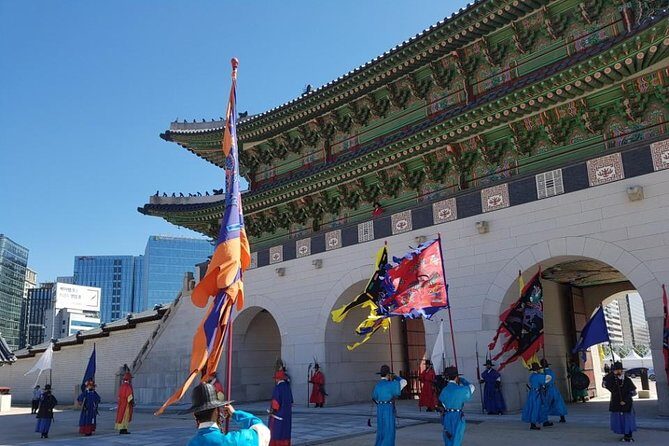
- Royal guard changing moment: A signature palace experience built into the visit.
- Bukchon Hanok Village in about 30 minutes: Enough time for “street-level” views without dragging.
- National Folk Museum of Korea stop: Helps explain daily life and history behind what you see.
- Walking + stairs: Comfortable shoes matter, and Bukchon’s slopes can be tough for some.
Price and Value for a 3-Hour Seoul Classic
This tour costs $88 per person and runs about 3 hours. For central Seoul sightseeing, that’s not cheap, but the value comes from two practical points: you’re in a small group (max 8) and admission fees are included. That combination usually saves you time and reduces the hassle of figuring out tickets while you’re already surrounded by tourists.
Also, it’s one of those “first-day in Seoul” deals. You’re not just checking landmarks. You’re getting a guided story that ties palace design, Joseon leadership, and everyday life together. If you only have a limited number of hours and you want them to count, this is a strong use of your time.
One more smart detail: you’ll get a mobile ticket, which is a relief when you’re trying to keep your phone organized instead of juggling paper confirmations.
You can also read our reviews of more walking tours in Seoul

Where You’ll Start, and How You’ll End (So You Can Plan the Rest)
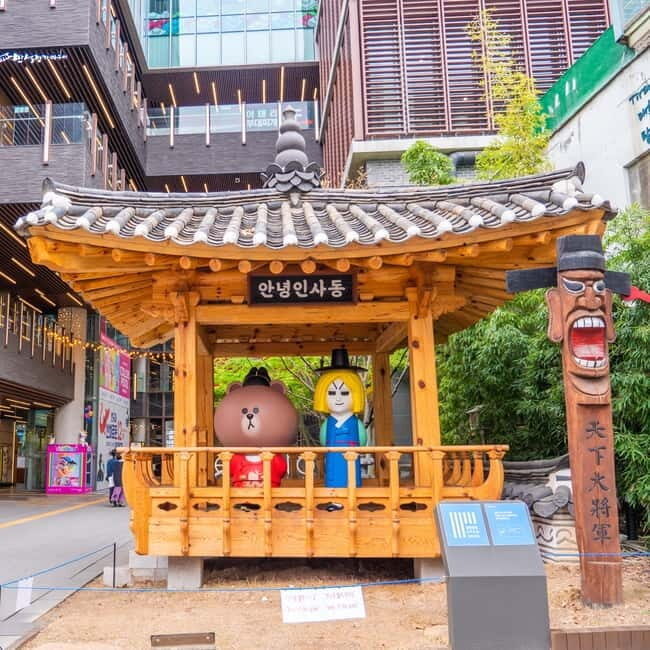
The tour starts at 24-1 Taepyeongno 2(i)-ga, Jung District, Seoul and ends at 75-5 Insa-dong, Jongno District, Seoul—right in the Insadong area. That end point is useful because Insadong is an easy place to transition into shopping, tea breaks, and more sightseeing without needing another commute.
It’s also described as near public transportation, which matters in Seoul. If you’re coming from a hotel far from the palace area, you’ll likely appreciate not having to fight multiple transfers just to meet your guide.
The Opening Context Stop: From The Past to the Street-Level Present
Before you get deep into palace grounds, the tour sets context with stops like The past and the present and a King Sejong Statue moment. This kind of warm-up matters more than people expect. When you arrive at a place like Gyeongbokgung, it’s easy to stare at buildings and miss why they look the way they do.
Here, the guide role is the difference between sightseeing and understanding. Guides named in the experience include Jay Kim, Stella, Joe, Jack, and Paul—and the common thread in the feedback is story-first teaching. That means you’re primed to recognize what parts of the palace connect to governance, status, and daily life in Joseon Korea.
If you like tours that start with the “why,” you’ll probably click with this format.
Gyeongbokgung Palace: Royal Guard Changing Ceremony + Architecture You Can Actually Read
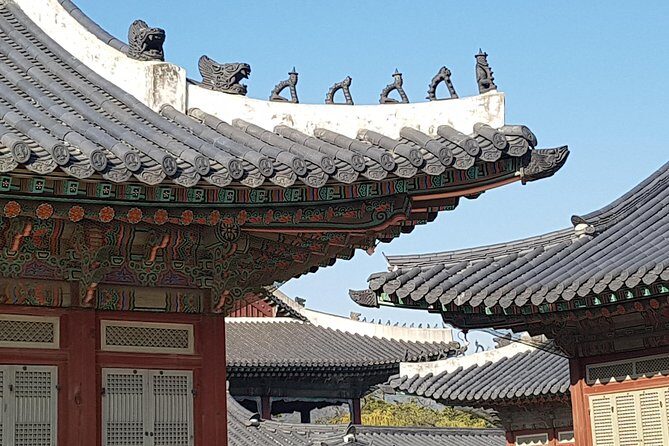
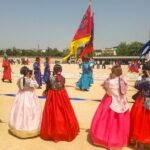
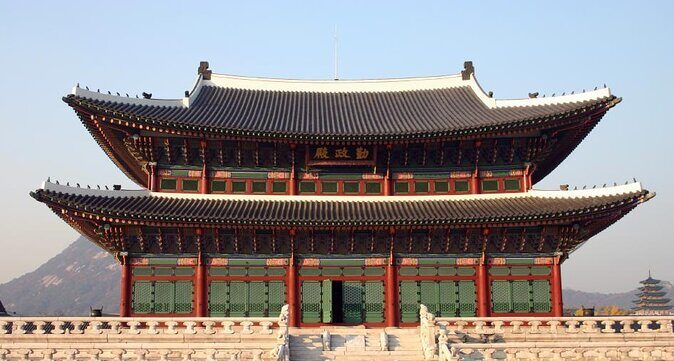
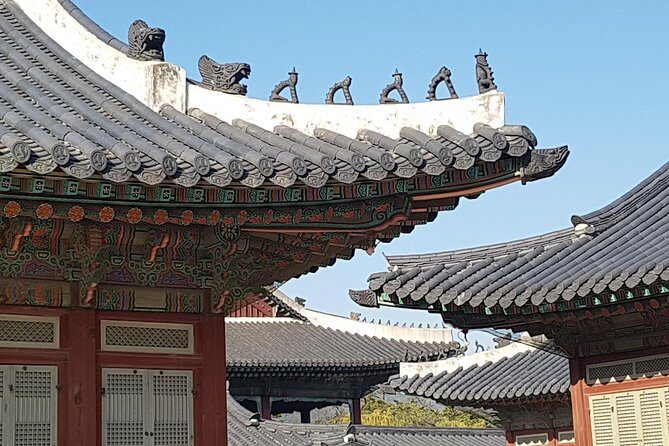
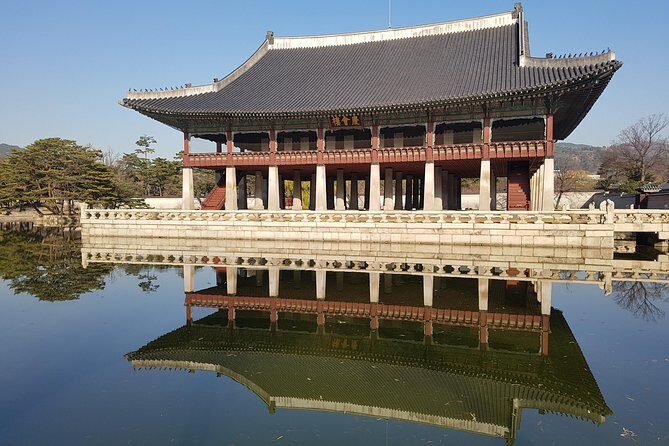
The main block of time is Gyeongbokgung Palace (about 1 hour). A highlight is the royal guard changing ceremony, which tends to be the moment people feel Seoul’s history click into place. There’s something about watching the formal rhythm of palace ceremony that turns the site from background scenery into a living performance.
This stop is also where you’ll appreciate the guide’s pacing. With only about an hour, you can’t wander every courtyard and museum room. Instead, you’ll get a guided route that helps you notice traditional construction techniques and palace layout—things you’d otherwise miss if you go at your own speed.
A helpful detail: the tour doesn’t just throw you into palace buildings. It uses what you see to explain the larger story—how Joseon-era court life shaped the capital and how that connects to what remains visible today.
Possible drawback to consider: one-hour palace time goes fast. If your dream is to linger for long photo sessions in every corner, you may want to plan a bit of solo time afterward—especially near the palace complex.
National Folk Museum of Korea: The “Daily Life” Bridge Most Palaces Need
Between palace and neighborhood exploring, the tour includes the National Folk Museum of Korea. This is a valuable add-on because palace tours can sometimes feel like they’re only about power. Here, you get a sense of Korea’s broader social history.
The museum is noted as having over 98,000 artifacts showing South Korea’s history. You won’t see everything in a short stop, but even a guided taste can help you make sense of what you’re seeing in Bukchon Hanok Village—homes, domestic life, and the way people lived.
For first-time visitors, this stop often feels like the missing link. You see the grand symbolism of Gyeongbokgung, then you get the human scale—objects and stories tied to everyday life.


Walking Toward Bukchon: Between Gyeongbokgung and Changdeokgung for Real Context
The tour includes time walking between Gyeongbokgung and Changdeokgung to reach Bukchon Hanok Village. That approach is smart. Rather than treating Bukchon as a single “photo street,” it frames the neighborhood as part of the historical fabric between major palace sites.
And yes, you’ll be moving with other people. But because the group size is capped at 8, it doesn’t feel like you’re in a conga line. You can keep your pace, and your guide can slow down at points where questions pop up.
In the feedback, guides like Joe and Jack get high marks for answering questions and adding personal-style explanations. That kind of Q&A flexibility can make this walking segment more useful than you might expect.
Bukchon Hanok Village: Hidden Looks in 30 Minutes (With a Stairs Warning)
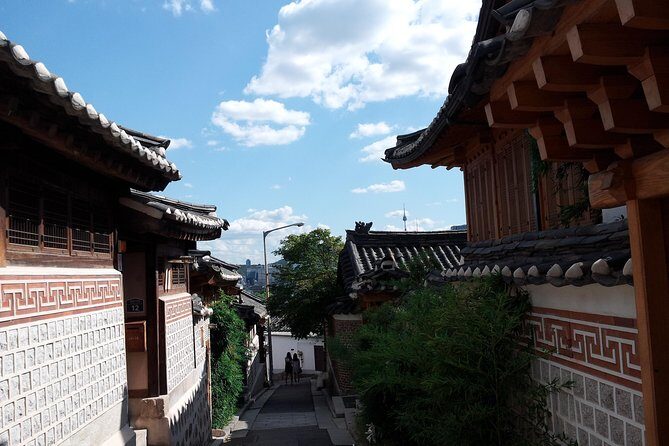
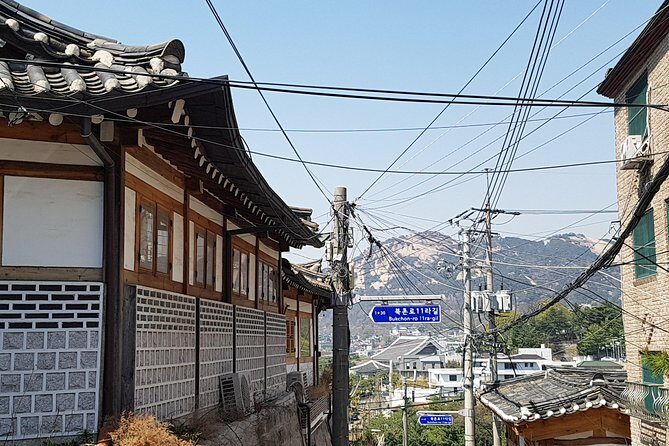
Bukchon Hanok Village is where the tour shifts from ceremonial history to lived-in heritage. You’ll get about 30 minutes here, with a focus on hidden looks—basically, side views and details that are hard to spot if you only walk the main lanes.
The tour also includes time to peer inside traditional houses and learn about Korean lifestyles from the past to the present. That interior peek is the kind of thing that makes Bukchon more than postcard scenery.
But here’s the practical caution: multiple comments flag that Bukchon includes uphill walking and steps. The tour also states it’s not recommended for travelers with walking difficulty on steps and uphills. So if your mobility is limited or stairs are a struggle, I’d treat this as a real “check first” item.
If you’re generally steady on your feet, though, come ready to enjoy the contrast: palace gravity in one direction, neighborhood texture in the other.
The Best Guides Make or Break It (And This One Tries Hard)
The standout theme in the guide experience is consistent: people praise informative, friendly, and professional guiding. Names that show up include Jay Kim, Stella, Joe, Jack, Kang Hyun Soo (spelled variably), and Paul. Different guides, similar results: they connect architecture to history and answer questions without brushing people off.
One detail I really like from the feedback pattern: guides were not just reciting facts. They were making connections. For example, you might notice earlier explanations echo later as you move through palace and then into Bukchon.
That “connect the dots” approach is exactly what you want if you don’t have time to study beforehand. It also helps if you’re traveling with kids. One comment notes a child stayed engaged because the story felt interesting rather than lecture-like.
What You’ll Actually Do From Start to Finish (Without Guesswork)
Here’s the practical flow of how the day usually unfolds, based on the described structure:
You meet near the Taepyeongno area, then warm up with context stops like The past and the present and the King Sejong Statue. After that, you spend around an hour at Gyeongbokgung Palace, including the royal guard changing ceremony and guided focus on key palace buildings.
Next, you go through the story-supporting stop at the National Folk Museum of Korea. Then you walk toward Bukchon Hanok Village via the historic corridor area between Gyeongbokgung and Changdeokgung, before spending about 30 minutes exploring Bukchon’s traditional streets and details, including a chance to look into traditional homes and learn daily-life context.
Finally, you finish in Insadong, which is convenient if you want food, shopping, or just to keep wandering after the guided part ends.
Who This Tour Is Perfect For (And Who Should Skip It)
This tour is a great fit if:
- You’re a first-time visitor to Seoul and want a guided history “skeleton” for the landmarks.
- You want entrance fees included and a smooth, low-stress schedule.
- You like asking questions and getting story-based explanations tied to what you’re looking at.
- You want a compact route that still covers palace, museum context, and Bukchon neighborhood life.
You might want to skip it (or choose a different format) if:
- Walking on steps and uphills is difficult for you.
- You prefer long, slow time in a single site. This is paced to fit multiple places in a short window.
Handy Tips to Make the 3 Hours Feel Easier
I’d plan around these practical realities:
- Wear comfortable shoes. This is not a flat stroll.
- Bring water, especially on hot or humid days. The tour is short, but the walking adds up.
- If it’s rainy, consider the possibility that the day could shift. The experience notes it requires good weather, so poor weather can trigger a different date or a refund.
- If you’re sensitive to crowds, go in knowing palace areas can get busy. The guide helps you navigate what matters.
And one small mindset tip: treat Bukchon like a neighborhood, not just a museum. You’ll enjoy it more if you look for small details and rhythms, not just the biggest photo angle.
Should You Book This Best Walking Tour to Gyeongbokgung and Bukchon?
I’d book it if you want a smart, time-efficient introduction to two of Seoul’s most important history scenes, with a small group and entrance fees handled. It’s also a good call if you don’t want to research everything first—you’ll leave with a framework that makes the city easier to explore afterward in Insadong and beyond.
I’d hesitate if stairs and slopes are a problem for you, because Bukchon’s terrain is part of the experience. And if you’re the type who wants to linger for half a day inside one major site, you might feel rushed in a tour designed to cover palace, museum context, and Bukchon together.
If that all fits your style, this tour is a strong choice.
FAQ
How long is the walking tour?
The tour duration is about 3 hours.
How much does the tour cost?
It costs $88.00 per person.
What’s included in the price?
A professional guide is included, and the admission fee is included as well.
How many people are in the group?
The maximum group size is 8 travelers.
Where does the tour start and where does it end?
It starts at 24-1 Taepyeongno 2(i)-ga, Jung District, Seoul, and it ends in the Insadong area at 75-5 Insa-dong, Jongno District, Seoul.
Is this a mobile-ticket experience?
Yes, it uses a mobile ticket.
Is it suitable for people with walking difficulty?
It’s not recommended for travelers with walking difficulty on steps and uphills.
What happens if weather is bad?
The experience requires good weather. If it’s canceled due to poor weather, you’ll be offered a different date or a full refund.
Is free cancellation available?
Yes. You can cancel up to 24 hours in advance for a full refund.