REVIEW · SEOUL
Carve Your Personal Korean Stone Seal with Jeongju in Insadong
Book on Viator →Operated by Feel So Good Calli · Bookable on Viator
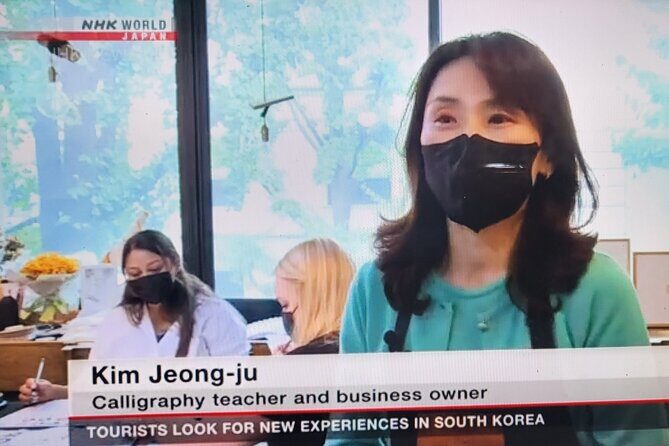
One hour and a half can feel peaceful. In Insadong, I love that this workshop turns a quiet craft into something hands-on: you carve a stone seal that’s truly yours while Jeongju Kim guides you step by step. You also learn why seals matter in Korean life, not just how to make one.
What I liked most is the way the class builds skills without making you feel behind. You start with tool practice (including straight lines and circles), then move into carving your own design, and finally you stamp it using traditional ink. The finished seal comes with an elegant case, so it’s not just a project—it’s a keep.
One consideration: this experience is in a small traditional studio area in Insadong, and the space requires stairs (no elevator). If stairs are a challenge for you, plan extra time and consider whether you’ll be comfortable with the walk-up.
In This Review
- Key highlights you’ll feel in your hands
- Where Korean seals fit into real everyday life
- Meeting Jeongju Kim in Tongmoongwan, Insadong’s craft zone
- The class flow: tool practice, carving technique, then your name
- Step one: learn the basics of seal carving
- Step two: design your name in seal style
- Step three: carve carefully, guided the whole time
- The satisfaction moment: ink stamping and your first real impression
- The thoughtful extras: a calligraphy message and a calmer Seoul break
- Price and value: what you’re really paying for
- What it’s like for different types of travelers
- Solo travelers
- Couples and friends
- Families
- People who want a rainy-day plan
- Practical tips so your seal turns out clean
- Should you book this Korean stone seal workshop?
- FAQ
- Is this workshop only available in Insadong?
- How long does the seal carving workshop take?
- Can I participate if I’ve never carved before?
- What do I make at the end of the workshop?
- Do I get to take anything home besides the stone seal?
- How do I access the booking information?
- Is the studio accessible by elevator?
Key highlights you’ll feel in your hands
- Small-group, personal attention from Jeongju Kim, even if you’ve never carved anything before
- A calm, meditative process that balances art, history, and technique
- Structured practice first (straight lines and circles), then you carve your name or chosen design
- Traditional ink stamping so you leave with proof that your seal works
- A finished seal with a protective display case plus a calligraphy message card
Where Korean seals fit into real everyday life
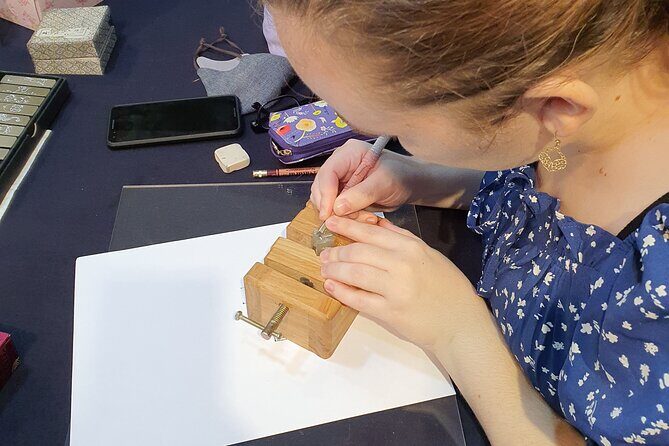
Korean stone seals are not just decorative. They’re tied to identity, authorship, and the satisfying idea that your “mark” can travel with you. In this workshop, Jeongju Kim explains the meaning and history of Korean seals as you go—so the craft feels intentional, not like busywork.
The class has a gentle rhythm. You’re not expected to freestyle from the start. Instead, you learn two carving techniques, practice basic shapes, then design your name so it fits how a seal should look.
And yes, it’s a souvenir. But it’s also something you’ll actually use as a personal signature style—at least in the sense that you’ll recognize your own work every time you see it in its case.
You can also read our reviews of more tours and experiences in Seoul.

Meeting Jeongju Kim in Tongmoongwan, Insadong’s craft zone
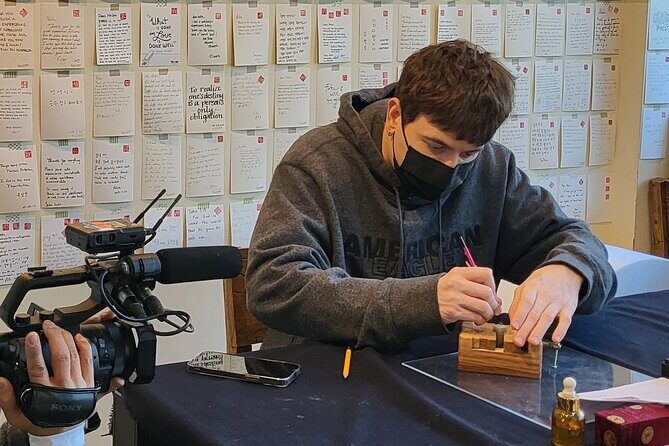
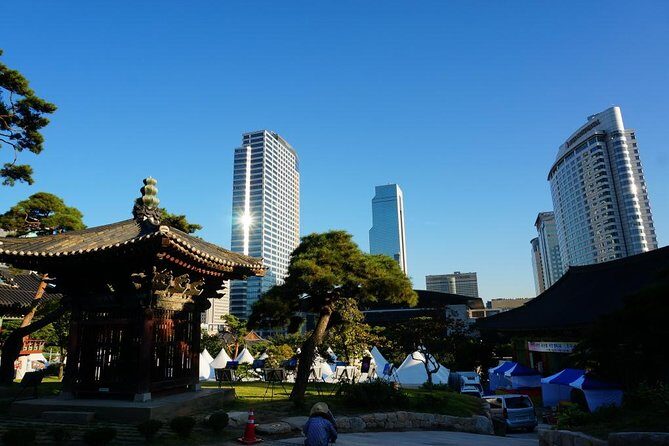
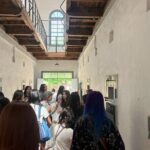
This workshop takes place in Insadong—that artsy, traditional neighborhood where craft is still part of the daily scene. Your starting point is listed as the 3rd floor of 55-1 Insadong-gil (Jongno District, Seoul), and the class location ties to Tongmoongwan.
You’ll get a confirmation at booking time, and you’ll have a mobile ticket, which makes it easy to check in without paperwork stress. The meeting location is described as being near public transportation, which matters because Insadong streets aren’t always friendly for cars anyway.
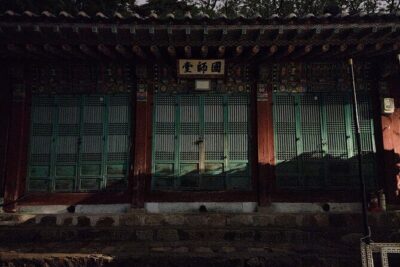
Here’s the practical heads-up I’d plan around: the studio is up multiple flights of narrow stairs with no elevator. If you’re traveling with mobility limits, a stroller, or you just prefer not to climb, this is the one thing to think through early.
The class flow: tool practice, carving technique, then your name
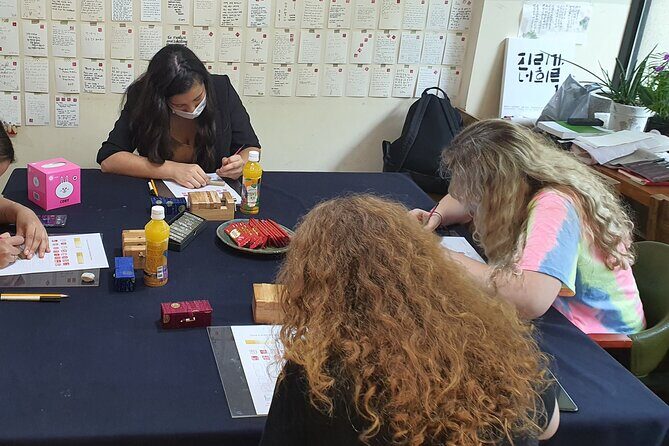
The workshop is about 1 hour 30 minutes. It’s paced so beginners can keep up, and you get careful coaching on the mechanics—how to hold the engraving tools and how to make clean marks in stone.
Step one: learn the basics of seal carving
Jeongju Kim starts by teaching you the carving tools and walking you through two distinct carving techniques. Then you practice straight lines and circles. This part sounds simple, but it’s the foundation for what comes next: seals rely on clean edges and controlled curves.
This is also where patience pays off. When you’re learning something new, having someone slow down and correct your angle can be the difference between a mark that looks neat and one that looks messy or uneven. The class is designed for that, not for quick show-and-tell.
Step two: design your name in seal style
Once the basics click, you’ll design your name (or another choice, depending on how the workshop is structured for your group). The key is that seal design isn’t the same as regular handwriting. Jeongju Kim helps you shape your name in a style that works for a stone stamp.
You’ll likely want to think ahead a bit. If you’re bringing only a Roman-alphabet name, you may need guidance on how it maps into Hangul for the stamp style. In the class, you get that support, and Jeongju Kim offers suggestions if you want your name carved in Korean.





Step three: carve carefully, guided the whole time
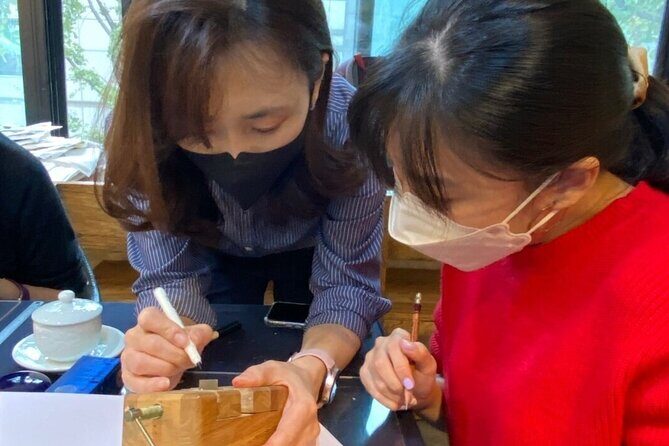
After your design is set, you move into carving. This is where the class earns its “small group” reputation. You’re not left alone with tools. You’re guided through carving with real feedback so you don’t accidentally break your line work.
The goal is not perfection to impress strangers. The goal is a seal that reads well and stamps cleanly. You’ll feel the progress when your design starts taking shape.
The satisfaction moment: ink stamping and your first real impression
Stone carving becomes real the second you ink it and stamp it. After the carving is finished, Jeongju Kim teaches you how to apply traditional Korean ink and you make your first stamp.
That moment is oddly satisfying. The stone you’ve been working on stops being just texture and turns into a functional mark. It also helps you understand why the earlier technique training mattered: the depth, angle, and cleanliness of the carved lines affect how clearly the stamp transfers.
You also leave with a seal case—the kind that protects and displays your work. That matters because seals aren’t just “made.” They’re kept, handled, and shown.
The thoughtful extras: a calligraphy message and a calmer Seoul break
A seal is one part craft, one part personal meaning. Jeongju Kim builds that meaning into the workshop. She helps you consider the deeper idea of names—something easy to forget when your trip becomes a blur of checklists.
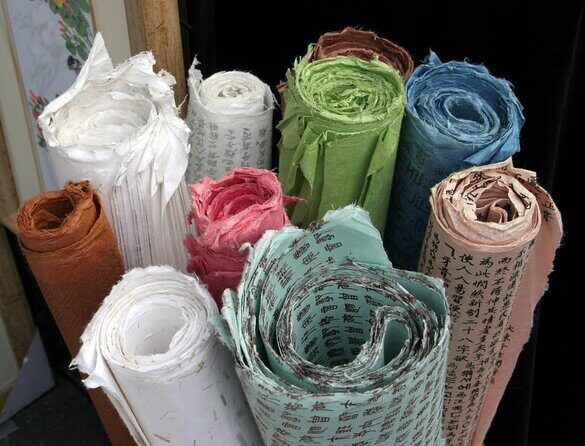
There’s also a special touch: she writes a calligraphy message of your choice on a card for you to take home. It’s a small thing, but it turns the workshop into a memory you can keep beyond the seal case.
One more soft benefit I’d call out from real class moments: the studio serves tea. Camellia tea is specifically mentioned in feedback, and it fits the vibe of the class—calm, quiet, and reflective.
Price and value: what you’re really paying for
The price is listed at $42.42 per person for about 1.5 hours. For Seoul, that’s a fair craft workshop rate—especially because you’re not paying for a show. You’re paying for instruction, tools, materials, and the time of a Korean craft artist.
Here’s where the value lands:
- Instruction that reduces beginner frustration. If you can’t already carve, the coaching is the real product.
- A take-home object with functional meaning (and a case).
- Cultural context about what seals represent, not just a mechanical process.
If you’re someone who likes making things with your hands—sketching, pottery, calligraphy—this is the kind of class that feels worth the money even if you don’t plan to do it again at home.
If you only want fast sightseeing, though, you might find the calm pace a little slower than your style. It’s a workshop, not a tour with constant movement.
What it’s like for different types of travelers
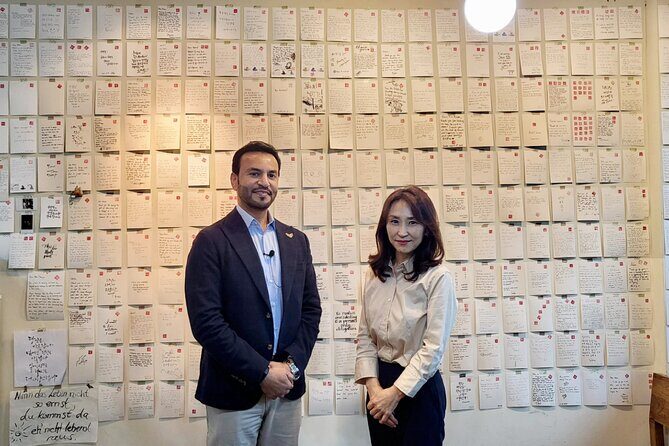
This workshop suits a lot of travel styles because it’s flexible and hands-on.
Solo travelers
If you’re solo, this is a great way to slow down in Insadong and get an experience that feels personal. The small-group format and guided steps mean you won’t be stuck figuring things out alone.
Couples and friends
It also works well for pairs. You can carve together without the experience turning into a stressful competition. And since the outcome is personal, each person’s seal has its own personality.
Families
Feedback includes kids enjoying the process—one family mentioned children around 10 and 12 having fun and ending with their own seals. If your kids are curious and patient enough for a quiet activity, it can be a genuinely memorable break from walking.
People who want a rainy-day plan
The workshop’s indoor, calm structure makes it a smart choice when Seoul weather turns. You’re not stuck changing plans to chase museums; you’re doing something cultural and practical.
Practical tips so your seal turns out clean
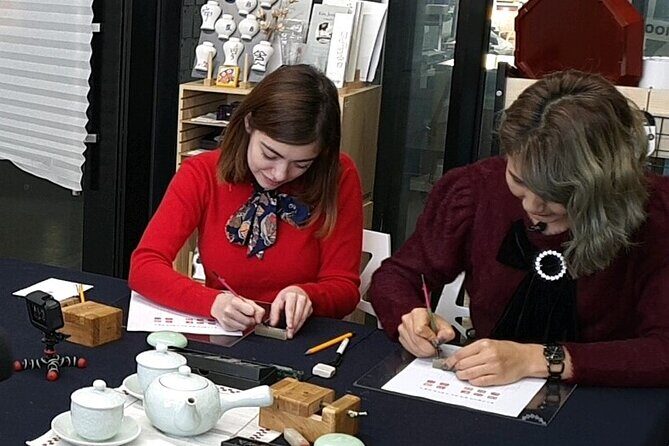
To get the best results, treat the first practice portion seriously. Straight lines and circles aren’t filler; they train your hand for the carving details that matter later.
A few things I’d do before you start:
- Have your name ready in Hangul (if possible). If you don’t, ask for help early in the process so you’re not scrambling once carving starts.
- Go in with a relaxed mindset. The class works best when you let the steps guide you.
- Wear something comfortable for sitting and focus. You’re not doing heavy physical labor, but you are working carefully and for sustained attention.
Also, give yourself time with the stairs. If you arrive rushed, it adds stress to a workshop that really benefits from calm.
Should you book this Korean stone seal workshop?
Book it if you want an experience that’s hands-on, culturally grounded, and actually gives you something you’ll keep. I think it’s a strong choice in Seoul because it’s one of the few activities that combines history, craft technique, and personal output in just 1.5 hours.
Skip it (or plan carefully) if stairs are a deal-breaker for you. The space is up multiple narrow flights with no elevator. Also, if you only want high-energy sightseeing and don’t care about process, a workshop may feel slower than you expect.
If you do book, treat it like a creative appointment. Reserve ahead since attendance is reservation-only and availability is limited. And if your plans change, you can cancel for a full refund up to 24 hours in advance.
Bottom line: for $42.42, you’re buying a guided skill-building session that ends with a seal you can display, protect, and use as your own mark.
FAQ
Is this workshop only available in Insadong?
Yes. The experience is offered in Insadong, and it’s only available there.
How long does the seal carving workshop take?
It’s listed as about 1 hour 30 minutes.
Can I participate if I’ve never carved before?
Most travelers can participate, and Jeongju Kim guides you through the process even if you have no prior experience.
What do I make at the end of the workshop?
You carve a personalized Korean stone seal. You also make a first stamp with traditional ink and receive a seal case to protect and display it.
Do I get to take anything home besides the stone seal?
Yes. You take home your finished seal and case, plus a calligraphy message card written by Jeongju Kim.
How do I access the booking information?
You receive a mobile ticket, and you’ll get a confirmation at the time of booking.
Is the studio accessible by elevator?
The details provided indicate you may need to climb multiple flights of narrow stairs and there’s no elevator.