REVIEW · SEOUL
Seoul: Deoksugung Palace Heritage Walking Tour
Book on GetYourGuide →Operated by S.A. Seoul · Bookable on GetYourGuide
Three hours can change how you see Seoul. This Deoksugung Palace Heritage Walking Tour ties together late Joseon politics, the city’s shift as Korea opened to the world, and today’s street-level life—so the places feel connected, not random.
I love the way Deoksugung Palace covers the Joseon era turning points, including why it mattered during the Japanese invasion of 1592. I also love the guided walk along Jeongdong-gil, where foreign missionary institutions and embassies left a visible trail through the city.
The main thing to consider is that it’s a walking tour. If you’re not into city sidewalks for a few hours, you’ll feel it.
In This Review
- Key things to know before you go
- Deoksugung Palace: late Joseon, invasion-era importance, and why it feels different
- From Deoksugung toward Jeongdong-gil: Korea’s opening to the world, street by street
- Quick coffee break: small pause, less fatigue
- Donuimun Museum Village: Seoul’s changing homes in one outdoor walk
- Gwanghwamun Square: monuments that explain Korea’s story
- Cheonggyecheon: the drainage ditch turned into Seoul’s calm cultural line
- Price and value: is $56 for three hours a fair deal?
- Who this tour is best for (and who should skip it)
- Practical tips for a smoother walk
- Should you book the Deoksugung Palace Heritage Walking Tour?
Key things to know before you go
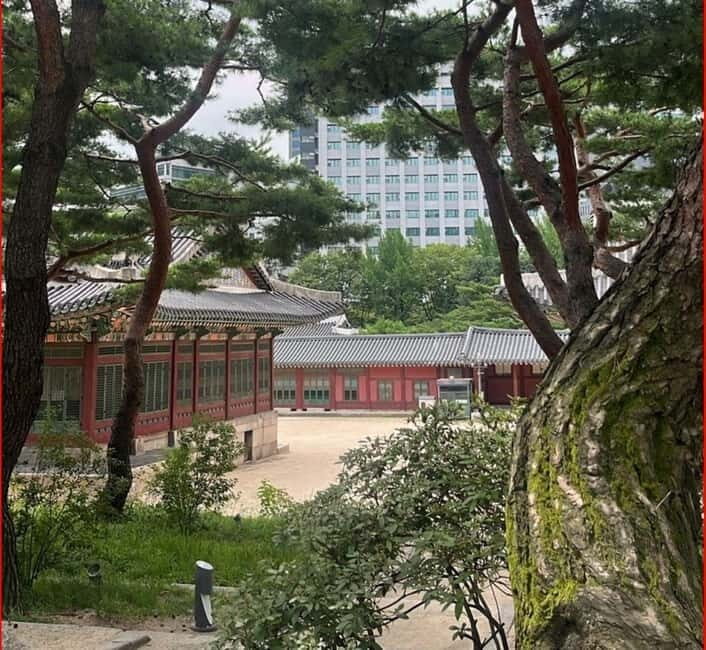
- Deoksugung isn’t just a palace stop: you’ll get stories about how it functioned in the late Joseon Dynasty, including the 1592 invasion-era shift.
- Jeongdong-gil connects Korea and Western influence: you pass key sites tied to missionary work and foreign diplomacy.
- Donuimun Museum Village is architecture you can walk through: homes from the 1900s through the 1980s, preserved in an outdoor village setup.
- You get a real city break: there’s a short pause for coffee or tea (food and drinks aren’t included).
- Monuments meet everyday Seoul: Gwanghwamun Square and Cheonggyecheon give you big-story Korea, then calmer, modern street life by the water.
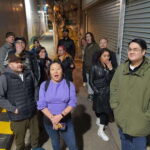
- Guides matter here: one frequently mentioned highlight is Mitch’s ability to answer questions beyond the sites, including work culture and the school system.
Deoksugung Palace: late Joseon, invasion-era importance, and why it feels different
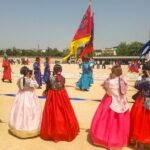
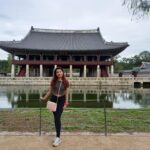
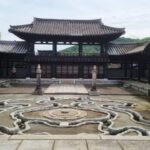
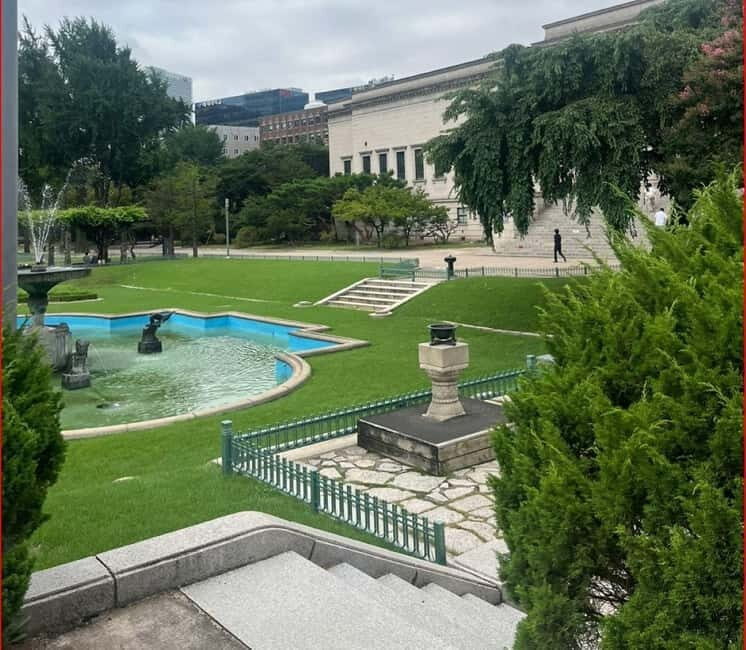
Deoksugung Palace gives you a palace experience with a twist. Instead of only treating the grounds like a museum, the tour frames the place as part of Korea’s changing power map in the late Joseon period—when political decisions and national survival mattered as much as ceremony.
You start at Deoksugung Palace and spend about 45 minutes there with a guide. You’ll hear how the complex traces back to the late 14th century, and how it began as a royal relative’s residence before becoming one of the palace centers during the Japanese invasion of 1592. That detail matters because it turns “historic palace” into “historic decision-making.” You’re not just looking at old buildings—you’re following why leaders used certain spaces when the country was under pressure.
Here’s the practical part: arrive with comfortable shoes and a willingness to look up. Even on short visits, palace architecture rewards you for noticing lines, gates, and the layout. A good guide will point out what to watch for and why it signals status and function. That’s also where an English-speaking guide helps most—palace grounds can be visually impressive but confusing unless someone gives you a simple framework.
One more perk: the tour includes pre-booked tickets to Deoksugung Palace. That means less time wrestling with admissions when you’d rather be walking and listening.
You can also read our reviews of more walking tours in Seoul
From Deoksugung toward Jeongdong-gil: Korea’s opening to the world, street by street
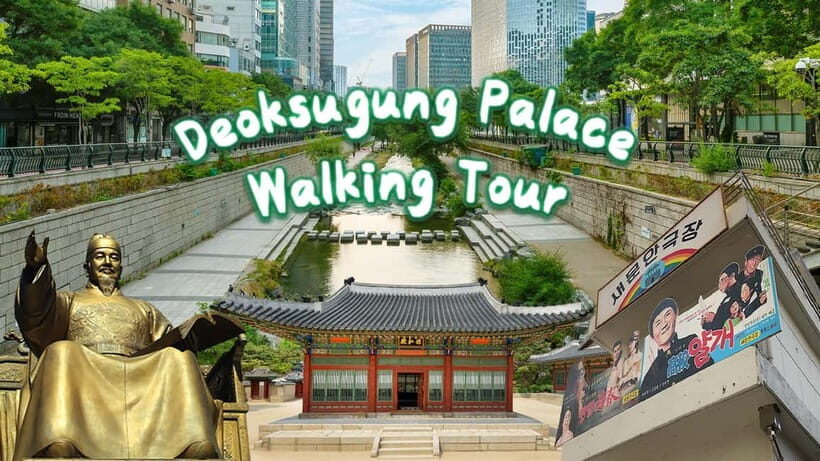
After the palace, the tour shifts from royal compounds to the city that grew around them. This is where it gets interesting fast, because you’ll move along a corridor tied to how Korea encountered foreign influence—not as a vague idea, but through specific institutions, streets, and buildings.
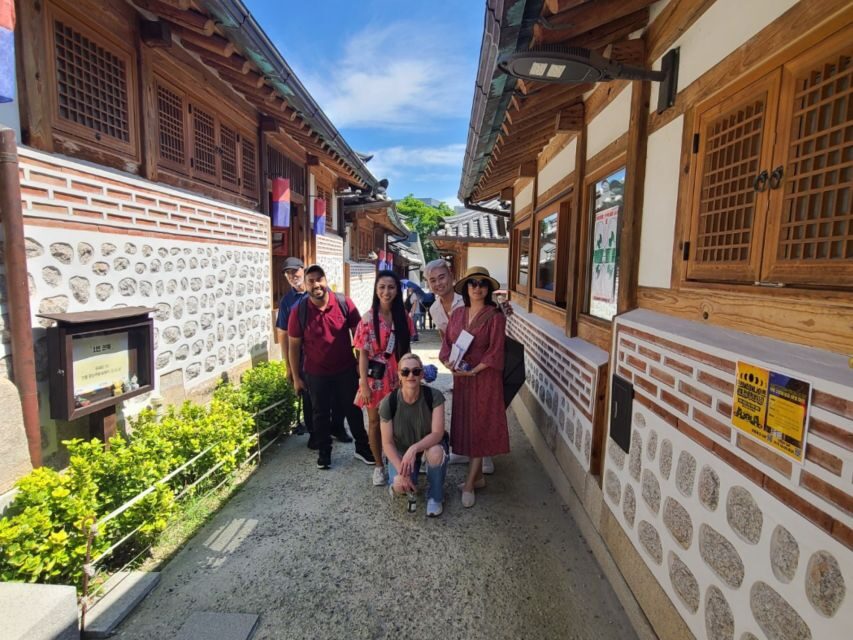
You’ll spend time around Jung-gu (about 20 minutes), and the guide uses that walking stretch to connect the dots between the palace world and outside pressures. Then you take in Jeongdong-gil, the street the tour calls out as a meaningful path: it’s tied to early foreign missionary institutions and several prominent foreign embassies. The key value here is that you learn the “why” behind the geography. Korea’s opening to the world wasn’t just events on a timeline—it played out in neighborhoods.
Along this route, you pass and learn about named stops such as:
- Paichai Academy
- Chungdong First Methodist Church
- The Russian Embassy
- Gyeonggyojang
Even if you don’t recognize every name, you’ll get context for what each represented in its moment. That’s how you turn Jeongdong-gil from a pretty street into a map of influence. And because the tour is guided, you’re not left guessing at what you’re seeing.
A good consideration: this section can feel more “walking and learning” than “constant sightseeing stops.” If you enjoy history that moves with you—turning corners, reading the city through stories—you’ll like it. If you only want big photo moments every five minutes, it may feel slower.
Quick coffee break: small pause, less fatigue
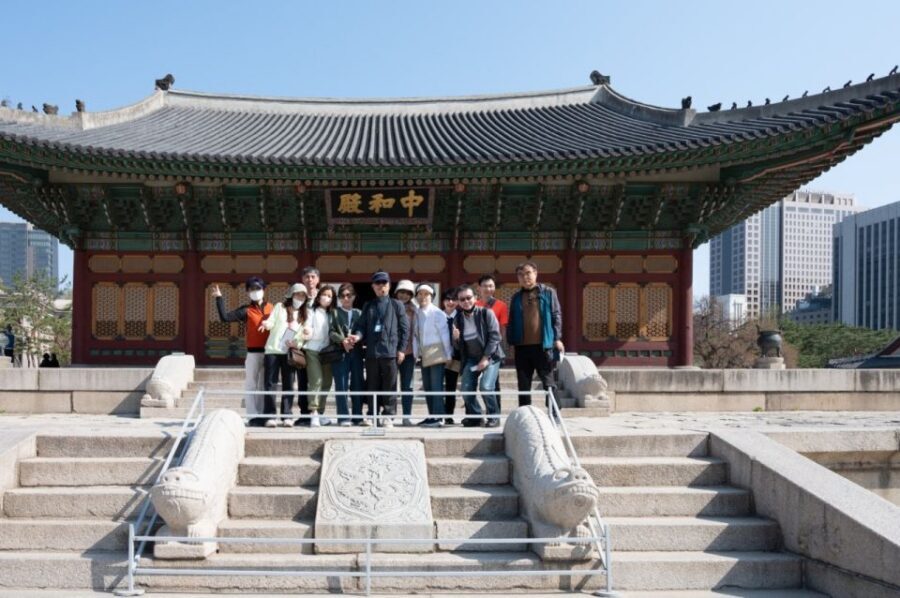
You’ll get a short break for a local café (about 15 minutes). This matters more than it sounds. In three hours, pace adds up. A brief reset helps you stay present for the rest of the route.
You can grab coffee or tea, but food and drinks aren’t included, so plan to pay for your own. I like that this tour doesn’t pretend it’s all-inclusive. You get structure, not surprise charges, and you can choose something that fits your taste.
Donuimun Museum Village: Seoul’s changing homes in one outdoor walk
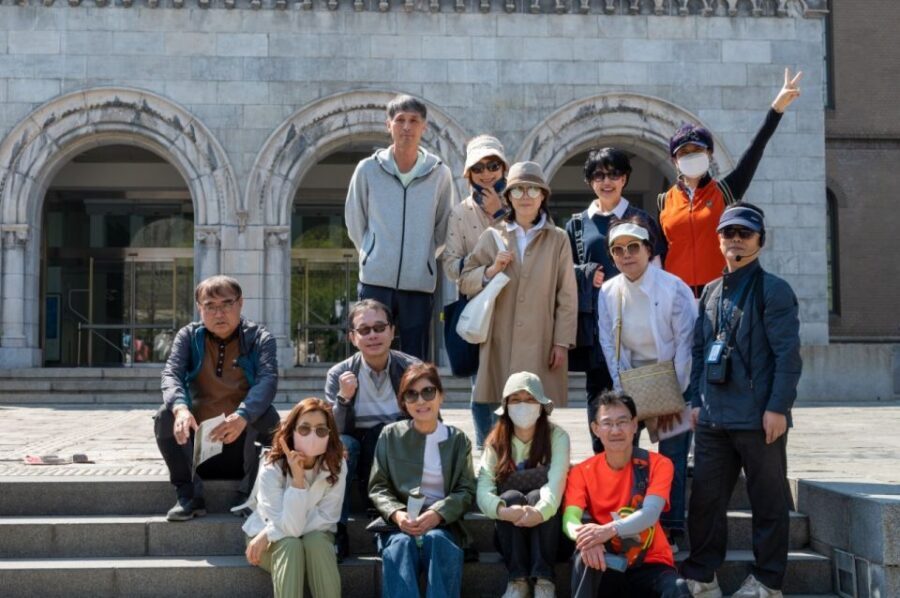
Next is Donuimun Museum Village, with a guided visit of about 20 minutes. This part is a strong contrast from the palace and embassy stories. Instead of power and politics, you get everyday architecture—houses that show how Seoul life looked across decades.
Here’s what makes it worth your time: it’s an outdoor village preserving home styles from roughly the 1900s through the 1980s. The tour also gives you a concrete origin story for the site. Donuimun Museum Village was founded in September 2017, and it preserves 40 of 63 houses from the historic district of Saemunan.
That “40 of 63” detail is a good reality check. It signals that what you’re seeing is curated preservation, not a perfect time capsule. But that can be a plus: the guide helps you focus on what the architecture communicates—shape, materials, and layout choices that reflect everyday needs and changing eras.
Practical tip: because it’s outdoors, wear shoes that can handle uneven ground and keep a light layer if weather turns. You’re moving again after this segment too (there’s an on-foot stretch before Gwanghwamun Square), so don’t treat it like a long sit-down break.
Gwanghwamun Square: monuments that explain Korea’s story
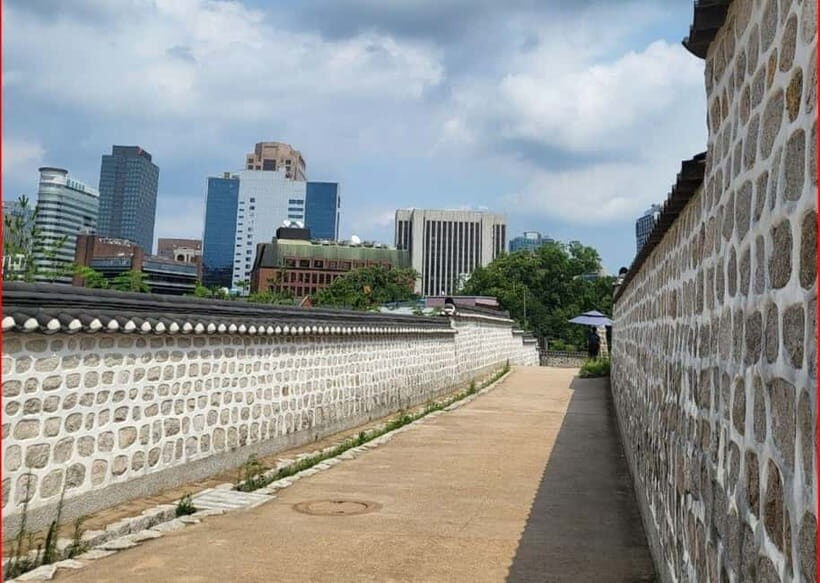
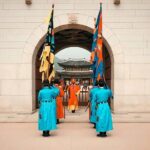
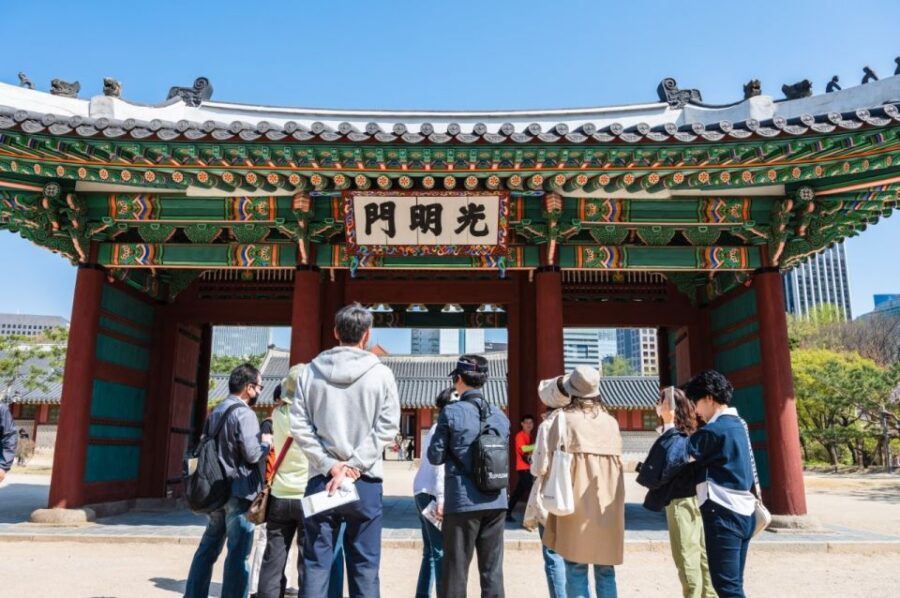
From the museum village area, you walk toward Gwanghwamun Square for about 30 minutes with guided commentary. This is the “big story” stop. The tour frames the square as a central hub filled with cultural meaning, where grand statues and monuments represent major moments in Korea’s journey.
Why this works in the flow of the tour: you’ve already learned about late Joseon court importance and Jeongdong-gil’s foreign-facing institutions. Now the guide gives you a way to read a modern public square as an ongoing conversation about identity—what a country chooses to mark, remember, and display.
You’ll get explanations behind the monuments, focusing on how they connect to Korea’s progress and cherished values. Even when you’re not a monument person, the guided context helps. Without it, big statues can feel like background. With it, they start acting like a timeline you can walk around.
Also, you’re in Seoul’s center here. That means you’ll likely feel the energy of city traffic and footpaths. The tour keeps it controlled and educational, but you should still expect that you’re moving through a major urban space.
You can also read our reviews of more historical tours in Seoul
Cheonggyecheon: the drainage ditch turned into Seoul’s calm cultural line
The final stretch is along Cheonggyecheon, with about 30 minutes of sightseeing and walking. This is one of those places where Seoul flips the script on what history usually looks like.
The tour explains it as a stream that once functioned as an unsightly drainage ditch, later renovated into a cultural focus lined with things to see and do. As you walk, you’ll notice the stream-side feel: sculpture pieces, restaurants, cafés, and the fact that festivals happen here at different times of the year.
What I like about ending the tour here is the emotional pacing. You start with palace gravity, pass through stories of international influence, stop at preserved domestic architecture, and then finish in a place that’s both public and relaxing. Cheonggyecheon acts like the transition from “history I studied” to “history I can feel as part of the city today.”
You’ll finish near Cheonggyecheon-ro, Jongno-gu. That’s convenient because it drops you into a walkable area with lots around, so you can keep exploring without needing a long hop afterward.
Price and value: is $56 for three hours a fair deal?
The price is $56 per person, lasting about 3 hours. On the surface, that’s not “cheap.” But when you break down what’s included, it starts to make sense.
You’re getting:
- An English-speaking historical guide (with English and Korean available)
- Entrance ticket(s) for Deoksugung Palace and Donuimun Museum Village (the tour notes pre-booked tickets)
- A guided walking route that ties several parts of central Seoul into one storyline
Many Seoul tours charge for guiding but then leave you to buy key admissions yourself. Here, admission is part of the package, and the guide turns “places you can see on your own” into “places you understand.” If you’re the kind of person who likes asking questions—like the kind of questions Mitch can handle, from palace sites to working culture and the school system—this kind of guided structure is usually worth paying for.
Also, you have an option for private group. If you’re traveling with family or friends who want less group pacing, that can improve value because you’re not stuck matching someone else’s speed.
Who this tour is best for (and who should skip it)
This experience is a great fit if you want a history walk that connects themes. You like when Korea’s past feels linked to today’s streets, and you enjoy a guide who can explain both the formal palace world and the everyday city.
It’s also a good choice if you:
- Like mixing palace sites with neighborhood streets
- Want a structured route that covers multiple key areas in 3 hours
- Prefer comfortable shoes and steady walking over short-stop bus tours
You might skip it if you:
- Want mostly indoor time or minimal walking
- Dislike guided commentary and prefer self-guided browsing
- Only care about a single landmark and aren’t interested in the surrounding context
Practical tips for a smoother walk
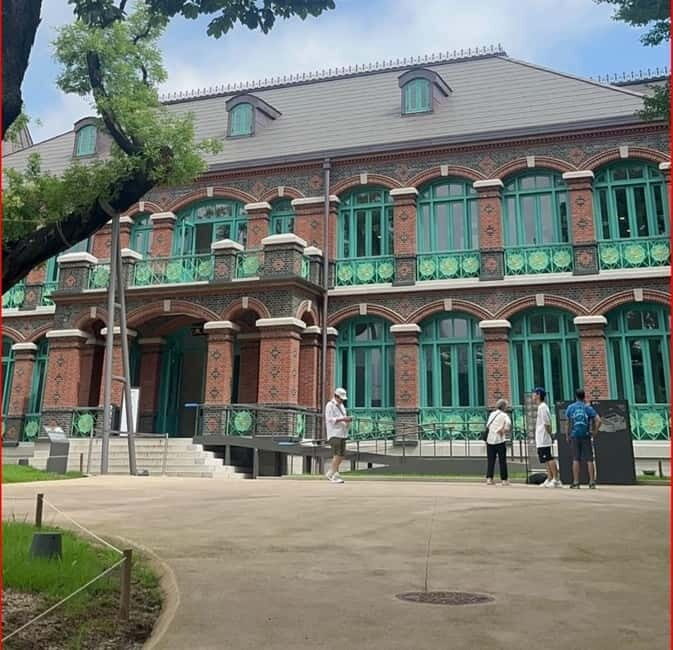
A few small things will make this tour feel easy instead of tiring:
- Bring comfortable shoes. This tour is walking-heavy by design.
- Plan for a short café stop around the middle. Since food and drinks aren’t included, keep a little cash or card on you.
- Meet at City Hall Station (Exit 2) in front of the Deoksugung Palace Ticket office.
- Have an instant messaging method ready for emergency contact on the day of departure (the activity requests this so they can find you quickly if needed).
- If the tour cancels due to not meeting a minimum traveler requirement, you should watch for an email about alternative dates or a full refund.
And if you’re booking, note that guides are English-speaking, and a private group option exists if you want more control over pacing.
Should you book the Deoksugung Palace Heritage Walking Tour?
If you’re choosing between “see a palace” and “understand Seoul,” book this. It’s built for people who like a clean storyline: late Joseon palace power, Jeongdong-gil’s international influences, preserved architecture across decades, then a calm modern finish by Cheonggyecheon.
The biggest reason to go is the guide factor. One name shows up repeatedly—Mitch—specifically for preparation and for answering questions beyond the sites, including topics like Korea’s working culture and school system. That ability to connect history to daily life is exactly what makes a walking tour feel worth the money.
If you love walking, want included palace and museum admissions, and enjoy history that moves with you, this is a smart use of a half day in Seoul. If not, you’ll still see plenty—but the experience won’t feel as tuned to your style.