REVIEW · SEOUL
Discover Seoul: Local Life and History
Book on Viator →Operated by MORTOUR GUIDED TOURS · Bookable on Viator
Seoul’s old heart is right here. This 3.5-hour walk connects Gyeongbokgung Palace with the everyday lanes of Jongno-gu, so you see how modern Seoul still carries the Joseon-era story. I especially like how the route gives you clear context, not just photos, and how it blends palace history with real neighborhood texture like Insadong tea-house streets.
I also like the human touch. When you get a strong guide like Moïse or Gemma, the English is easy to follow, and you get useful ideas for what to eat and drink along the way, including go-to Korean street food like beer chicken. The small group size (up to 20) makes it feel more like guided wandering than a race.
The one thing to think about is logistics: the tour depends on good weather, and you’re on your feet for a while through uneven old-city streets. Also, Seoul City Hall may be closed some Tuesdays, so it’s worth going in with flexibility.
In This Review
- Key things to know before you go
- Why this Seoul walk feels different from a typical highlights tour
- Seoul City Hall and Gwanghwamun: the modern doorway to Joseon stories
- What to watch for
- Gyeongbokgung Palace: guard-change viewing with context that sticks
- A practical note on timing
- Insadong’s hanok lanes: tea houses, craft shops, and snack-smart tips
- What you might not realize before you go
- Bukchon Hanok Village: the best finishing move for photos and atmosphere
- Photo and walking tip
- Price and pacing: what $96.75 buys in real value
- Guide quality: when English clarity and local food tips matter most
- Weather, walking, and the small “gotchas” that help
- Who this tour is perfect for (and who might want another option)
- Should you book Discover Seoul: Local Life and History?
- FAQ
- How long is the tour?
- What is the price per person?
- Where do you start and where does it end?
- What areas of Seoul does the tour cover?
- Is it a mobile ticket?
- How large is the group?
- Is there admission cost for the stops?
- What happens if weather is bad?
- When can you cancel for a full refund, and is help available for service animals?
Key things to know before you go
- A palace-meets-neighborhood circuit that starts in central Seoul and works through Jongno-gu
- Free admission at listed stops, so your money goes to comfort and snacks instead of tickets
- Guard-change viewing at Gyeongbokgung with historical framing so it actually means something
- Insadong tea houses, galleries, craft shops in the kind of lanes you’d otherwise only half-explore
- Bukchon Hanok Village as a finishing point with traditional alleys near the palaces
- Small group energy (max 20) that keeps questions from getting swallowed
Why this Seoul walk feels different from a typical highlights tour
Seoul can be overwhelming fast: skyscrapers, neon, mega-malls, and then, suddenly, a palace courtyard with gate guards and ritual details. This tour is designed to help you hold all that complexity in your head by walking the same part of the city that locals have used for centuries—then adding quick explanations that connect the dots.
What I like most is the balance. You’re not only looking at big famous landmarks; you’re also moving through the older blocks where tea houses, craft shops, and casual bars sit right next to traditional houses (hanoks). That blend matters because Seoul isn’t split into old vs. new. It layers them.
You’ll also get practical guidance for the food side. The route includes built-in ideas for where to drink and eat—like stopping for a traditional tea-house experience and using local-style recommendations for snacks. If you’re trying to plan your first days in Seoul without wasting time, this kind of “what to do now” help is a real value.
You can also read our reviews of more historical tours in Seoul

Seoul City Hall and Gwanghwamun: the modern doorway to Joseon stories
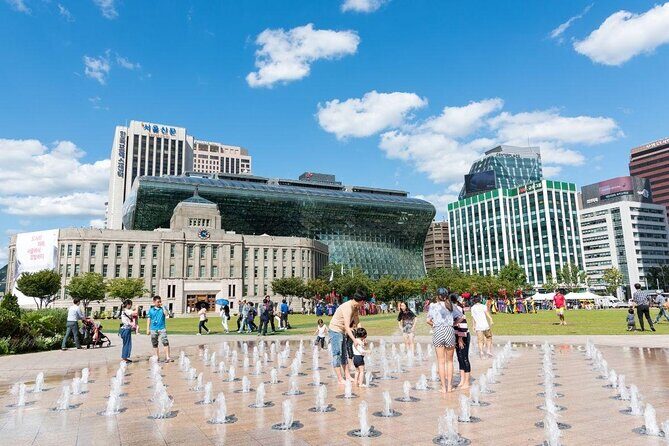
You start at Seoul Plaza at Sejong-daero, in the Jung District. From there, the tour turns toward Gwanghwamun Square and the wide boulevard feel of Gwanghwamun Avenue. These places are the “center of gravity” for the city, so you get instant orientation—where the royal sites sit, how the main streets connect, and why people keep using this area for public moments.
Stop one is Seoul City Hall, presented as a history introduction. It’s free, and it sets the tone: you’re not just visiting monuments, you’re learning how the city’s identity formed around governance and public life. One catch: on some Tuesdays, City Hall might be closed. If you hit a closed day, don’t panic—the rest of the circuit still holds.
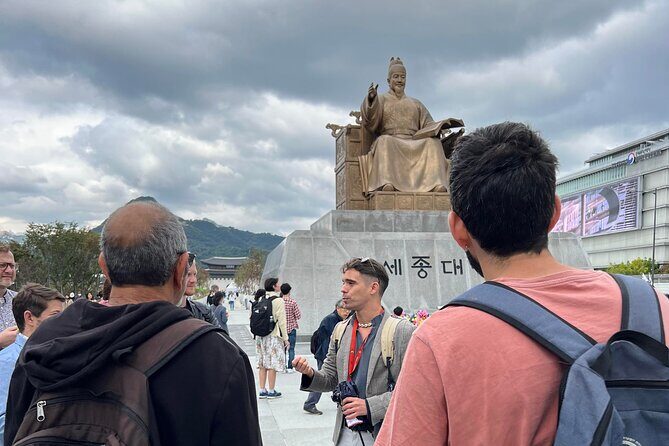
Then you move into the Gwanghwamun Plaza area with statues of Admiral Yi Sun-sin and King Sejong the Great. This is one of those spots where tourists usually just take a picture, but the tour approach makes the statues useful. Knowing who these figures were helps you read the city’s moral and historical messaging. It’s also a good “reset” point before the palace zone.
What to watch for
- The best payoff here is mental, not visual: you’ll walk away with context that makes the palaces easier to understand.
- If you’re a first-time Seoul visitor, this is an efficient way to get bearings quickly before you scatter on your own.
Gyeongbokgung Palace: guard-change viewing with context that sticks
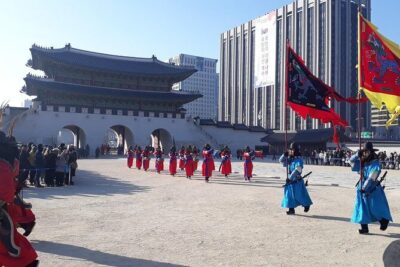
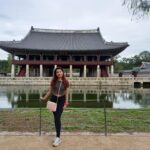
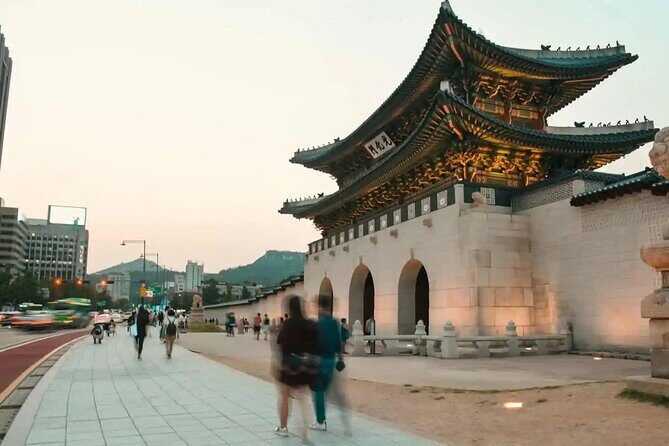
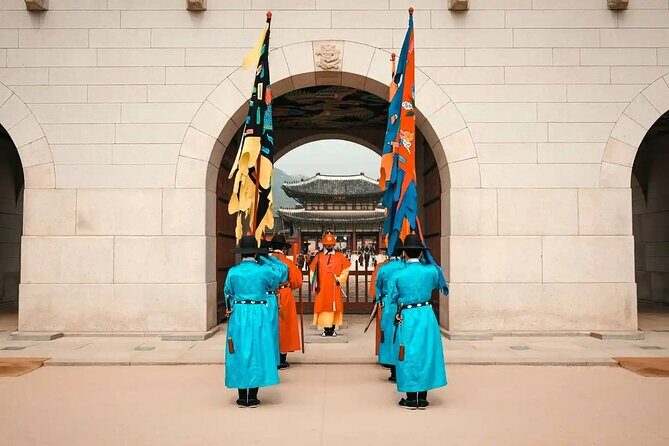
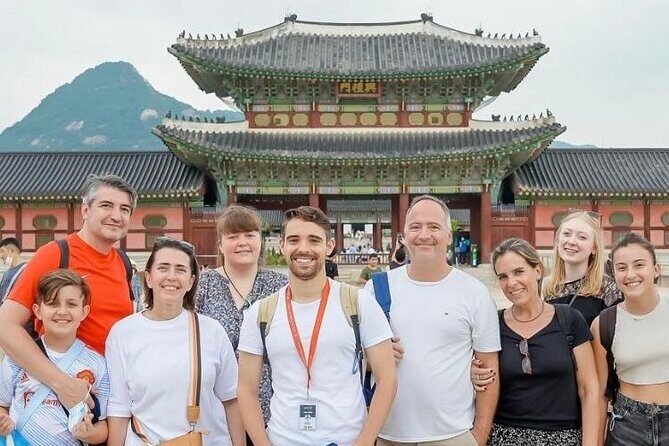
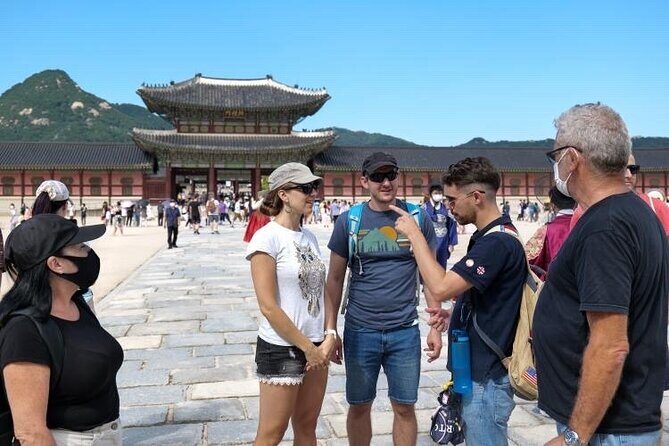
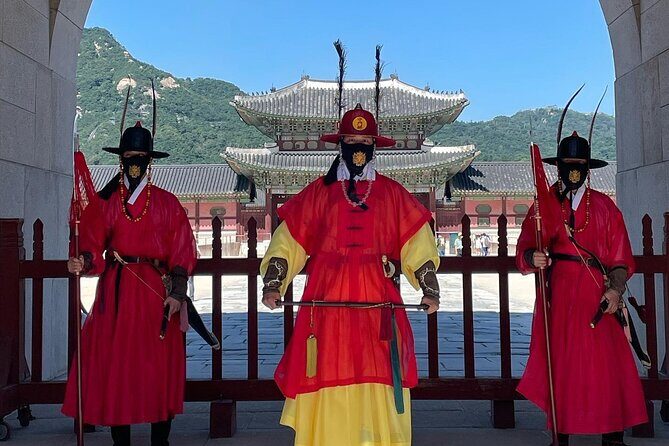
The highlight is Gyeongbokgung Palace, the main royal palace tied to the Joseon dynasty era. The tour keeps it focused: you get an introduction to the palace as the core of royal Seoul, plus the important detail of the guard change.
This is where a guided walk helps most. Palace entrances and courtyards can look similar if you don’t know what you’re seeing. With the tour framing, you start noticing the logic of where people stand, how gates and spaces are organized, and why these rituals mattered.
The palace stop is listed as free admission on the schedule, and the time allocation is tight enough that you won’t feel like you’re stuck reading rules for an hour. You’ll get a meaningful first look without turning the day into a palace marathon.
A practical note on timing
Even if you don’t control the guard-change schedule yourself, having a guide helps you avoid common timing mistakes—like arriving at the least useful moment. If your day depends on seeing the palace action, this is the stop to take seriously and show up ready to move.



Insadong’s hanok lanes: tea houses, craft shops, and snack-smart tips
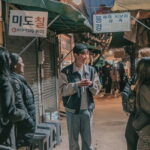
After the formal palace world, the tour shifts into neighborhood Seoul—Insadong, known for traditional lanes lined with tea houses, galleries, bars, and craft shops. This is the kind of place where you can easily wander for two hours and still not know what’s actually worth your time. The tour route steers you through the best-fit areas so you’re not stuck guessing.
The big value here is variety. You get a taste of traditional Korean life without it feeling like a museum display. You can browse, stop for tea, and learn what to look for when it comes to small crafts. And since this is also a lively area for casual evening energy, it’s easy to turn your tour into a longer day with less planning.
Food-wise, the tour includes tips for where to eat and drink, including suggestions for classic Korean street food. A standout theme is beer chicken—the kind of casual meal that fits perfectly with this area’s snack-and-sip vibe. Even if you don’t eat everything in one go, you’ll leave with a short list of what to prioritize.
What you might not realize before you go
Insadong can be busy, and the lanes can feel tight. If you’re shopping, keep your energy for the last part of the tour. If you’re mostly there for atmosphere and a tea stop, you’ll enjoy it more by slowing down and letting the guide point out the right kinds of places to stop.
Bukchon Hanok Village: the best finishing move for photos and atmosphere
The tour finishes near Bukchon Hanok Village, with the meeting/end point showing it as the end destination (and the tour ending at Cafe Onion Anguk). Bukchon sits in a hill area between Gyeongbokgung Palace and the traditional village zone, so it gives you a classic Seoul postcard look: hanoks, traditional alleys, and that sense of a slower pace inside the city.
Finishing here works well because it gives you the visual payoff after the history you just learned. By the time you reach Bukchon, you understand what “traditional space” means in Seoul. Instead of treating hanoks like scenery, you can see them as living cultural architecture.
The tour also frames Bukchon’s preservation (it’s presented as showing a roughly 600-year tradition), plus the idea that the village is maintained to protect the feeling of older Seoul. Even if you don’t spend hours inside individual houses, you’ll benefit from knowing why the area is protected.
Photo and walking tip
The streets here can be uneven and hilly. Wear shoes you don’t mind getting slightly dusty. If you like photos, give yourself a few extra minutes after the tour so you’re not trying to shoot while people are still moving in a group.
Price and pacing: what $96.75 buys in real value
At $96.75 per person for about 3 hours 30 minutes, you’re paying for three things: interpretation, time savings, and reduced stress. It’s not just “see these places.” It’s “know what you’re looking at” while someone helps you connect the palace stories to the neighborhood streets.
Also, many stops are listed as free admission for the walk segment: Seoul City Hall, Gwanghwamun Square/Plaza area, Gyeongbokgung Palace introduction, Insadong, and the Bukchon village segment. That matters because it lowers the risk of the tour feeling expensive. You’re paying primarily for guidance and route planning.
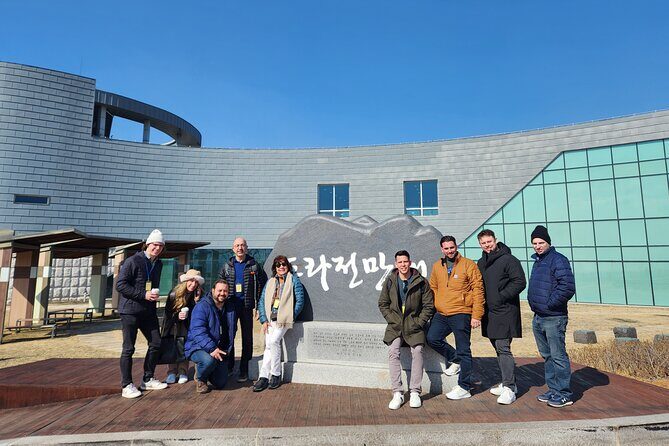
Group size is capped at 20 travelers. That’s big enough to keep energy up, small enough that you’re not shouting across a crowd. If you’re the type who likes to ask a quick question—about food, history, or what to do next—this format is usually more satisfying.
One more practical detail: the tour is commonly booked about 24 days in advance on average. If you want a specific day (especially weekdays that can be popular), I’d book early rather than hope.
Guide quality: when English clarity and local food tips matter most
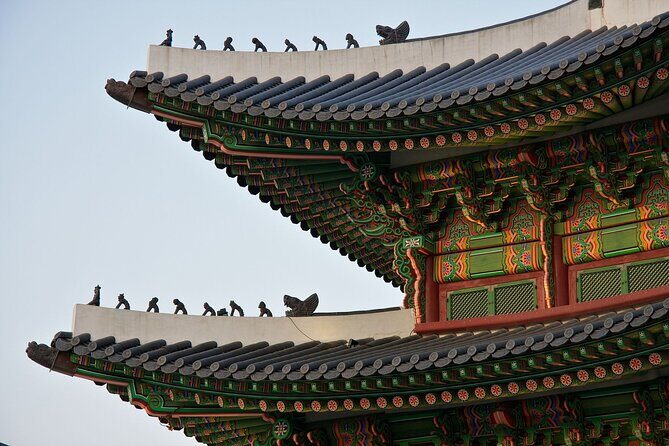
This tour is particularly strong when the guide can translate history into street-level meaning. In the guide examples you can encounter—like Moïse and Gemma—the emphasis is on clear explanations and experienced route knowledge.
You should also expect real-world suggestions. The tour isn’t limited to sights. It points you toward where to drink, where to eat, and what snacks fit the vibe of each neighborhood. That’s where the tour becomes useful even after it ends. You can turn the guide’s recommendations into an easy plan for later in your day.
And yes, English ability is a key part of the experience. If you rely on the guide to explain the “why” behind palace rituals and statues, you’ll want a guide you can actually follow quickly. The tour format is built around that kind of fast learning.
Weather, walking, and the small “gotchas” that help
This is a walking-style city experience. Streets in the historic core can be uneven, and you’ll cover multiple neighborhoods. I recommend planning for a moderate walking pace and dressing for conditions.
Weather is explicitly part of the deal: the tour requires good weather. If it’s canceled due to poor conditions, you’ll be offered a different date or a full refund. That’s good protection if you’re traveling with limited time.
One other small gotcha: Seoul City Hall might be closed on some Tuesdays. If you’re going on a Tuesday, mentally prepare for the guide to adjust how the beginning feels, even if the overall route stays intact.
Who this tour is perfect for (and who might want another option)
This tour is ideal for you if you want:
- A first-time Seoul orientation through the royal core and the older neighborhoods
- A history + street life mix, not just palace photos
- Practical recommendations for tea stops and casual Korean food
- A small group pace that makes it easier to ask questions
You might want a different option if you:
- Hate walking through busy city streets and hills
- Need a fully indoor experience (this one is weather-dependent)
- Prefer deep, long museum-style time blocks rather than a guided circuit
Should you book Discover Seoul: Local Life and History?
If you’re spending a short amount of time in Seoul, this is the kind of tour that helps you make the rest of your trip smarter. You get a compact route that stitches together major sights in the Gwanghwamun and Jongno-gu area, then ends in Bukchon Hanok Village so you can keep enjoying the atmosphere after the last stop.
The best reason to book is value. The pricing works because many listed stops are free admission, and you’re paying for the guide’s ability to connect palace meaning to the everyday feel of the neighborhoods. Add the local food and drink direction, and it becomes more than sightseeing—it becomes a plan for how to spend your time in Seoul.
FAQ
How long is the tour?
It lasts about 3 hours 30 minutes.
What is the price per person?
The price is $96.75 per person.
Where do you start and where does it end?
You start at Seoul Plaza (110 Sejong-daero, Jung District, Seoul) and end at Cafe Onion Anguk (5 Gyedong-gil, Jongno District, Seoul), with the tour finishing at Bukchon Hanok Village.
What areas of Seoul does the tour cover?
The focus is on the Gwanghwamun and Jongno-gu areas, including Gyeongbokgung Palace, Insadong, and Bukchon Hanok Village.
Is it a mobile ticket?
Yes, the tour includes a mobile ticket.
How large is the group?
The tour has a maximum of 20 travelers.
Is there admission cost for the stops?
The listed stops are marked as free admission on the tour schedule.
What happens if weather is bad?
The experience requires good weather. If it’s canceled due to poor weather, you’ll be offered a different date or a full refund.
When can you cancel for a full refund, and is help available for service animals?
You can cancel up to 24 hours in advance for a full refund. Service animals are allowed, and the tour is near public transportation.
If you’d like, tell me your travel dates and whether it’s your first time in Seoul—I’ll help you decide if this is the right “day 1” or “day 2” move for your schedule.