REVIEW · SEOUL
Korean History & Heritage Tour
Book on Viator →Operated by KoreanTourGuide · Bookable on Viator
Old Seoul feels close with this focused day. This private Gangbuk route strings together palace, temple, museum, and market stops, so you get a real sense of everyday Joseon Dynasty life instead of just hopping between landmarks.
I especially like the combination of the Changing of the Guard at Gyeongbokgung Palace and the hands-on stories at the National Folk Museum of Korea. You’ll also get comfortable transport in an air-conditioned vehicle, with hotel pickup and drop-off from anywhere in Seoul.
One thing to plan for: lunch isn’t included, and the palace admission ticket isn’t included either, so you’ll want a little extra budget for food and that one ticket.
In This Review
- Key Highlights Worth Your Time
- Gangbuk in One Day: How a 7-Hour Route Shows Joseon Seoul
- Gyeongbokgung Palace Changing of the Guard: What You Actually Need to Watch For
- National Folk Museum of Korea: From Birth to the Afterlife
- Bukchon Hanok Village and Insadong: Living Houses and Royal-Maker Streets
- Jogyesa Temple and Cheonggyecheon: Two Calm Stops With Stories
- Kwangjang Market: The 600-Year Food-to-Linens Story
- Private Guide Reality Check: When the Day Turns Personal
- Price and Value for $475: When a Private Car Actually Pays Off
- Who Should Book This Seoul Gangbuk Day, and Who Should Skip It
- Should You Book This Korean History & Heritage Tour?
- FAQ
- How long is the Korean History & Heritage Tour?
- What does the tour cost for a group?
- Is hotel pickup and drop-off included?
- Is lunch included?
- Which stops have free admission?
- Is admission included for Gyeongbokgung Palace?
- Is this tour private?
Key Highlights Worth Your Time
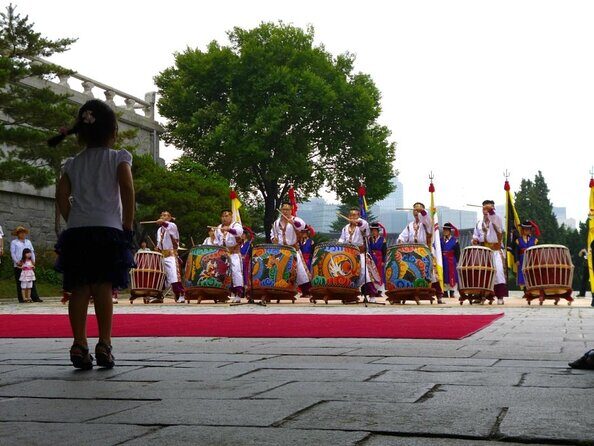
- Gyeongbokgung Palace guard ceremony plus time inside gives you both the spectacle and the layout of royal life.
- National Folk Museum of Korea, birth to afterlife theme helps you connect objects to how people understood the whole human journey.
- Bukchon Hanok Village still has residents so you’re seeing a living neighborhood, not a reenactment set.
- Insadong’s royal-crafts origin explains why the area is now built for antiques and Korean souvenir shopping.
- Jogyesa Temple and Cheonggyecheon add two different kinds of calm: spiritual architecture and a riverside walk with local stories.
- Kwangjang Market’s linen-to-street-food past is a fun context twist before you start snacking.
Gangbuk in One Day: How a 7-Hour Route Shows Joseon Seoul
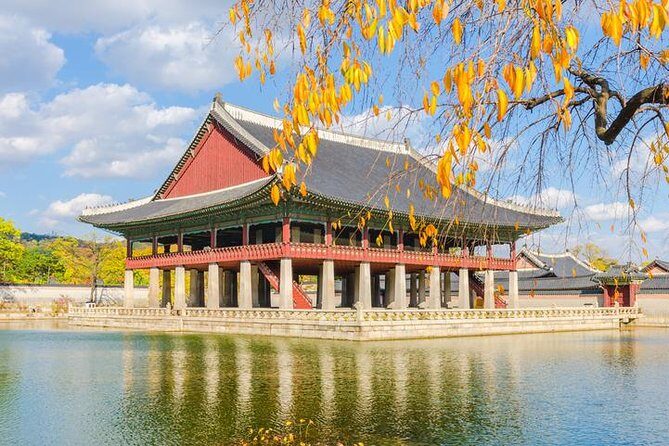
This is a private day built around Seoul’s north-side tradition-heavy neighborhoods. The tour is about 7 hours starting at 9:00 am, and it’s designed as a multi-stop story rather than a checklist. You’ll move between major themes: power and ceremony (palace), daily life (folk museum and hanok village), art and shopping (Insadong), religion and city rhythm (Jogyesa and Cheonggyecheon), and then food culture (Kwangjang Market).
Why this works: Gangbuk is the kind of area where the details matter. Small streets and architectural textures can mean a lot, but you’ll only catch that if someone helps you interpret what you’re looking at. A good guide makes the time feel orderly—palace first, then the cultural explanations, then the neighborhoods—so it all adds up instead of turning into five separate photo stops.
The vehicle matters too. The route has walking, but the big chunks are connected by car. That’s a real comfort advantage on a full day, especially if you’re traveling with jet lag or you don’t want to spend your morning hopping subways.
You can also read our reviews of more historical tours in Seoul
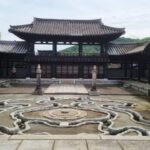
Gyeongbokgung Palace Changing of the Guard: What You Actually Need to Watch For
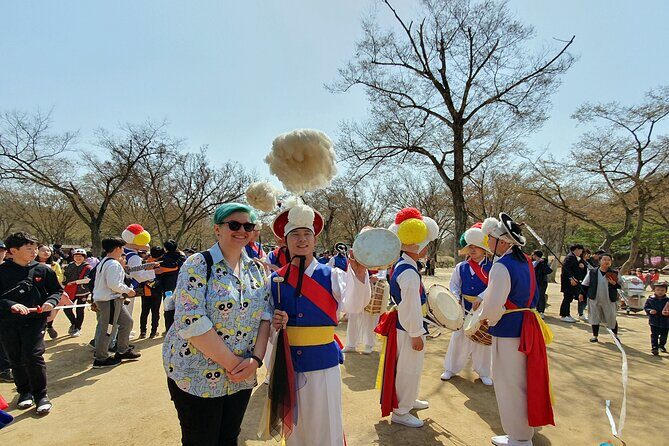
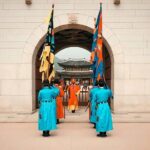
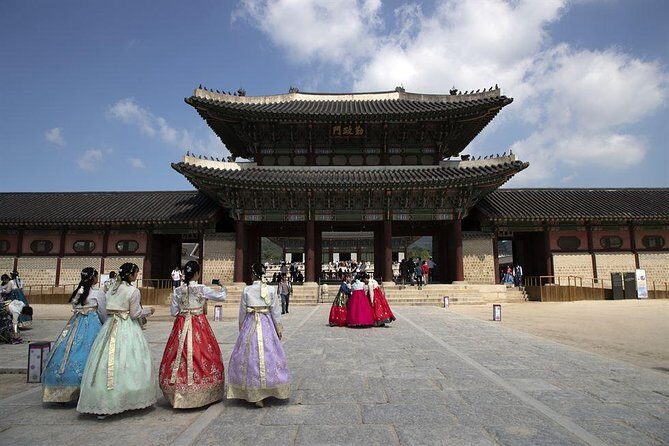
You start the day at Gyeongbokgung Palace and you’ll see the Changing of the Guard Ceremony. The key detail here is timing and expectations: this stop lasts about 45 minutes, and it includes time to go deeper into the palace after the ceremony.
The ceremony is the headline, but don’t ignore the “and then” part. After the guard moment, you’re getting a chance to appreciate palace architecture and what royal life was built around. Even if you don’t read every sign, the layout and scale help you understand why the Joseon court operated the way it did.
Important practical note: admission ticket is not included for this stop. You’ll want to budget for that ahead of time so you’re not scrambling while everyone else is already moving.
Also, wear shoes you trust. Palace grounds can mean uneven surfaces and steady walking, even if each segment isn’t long.
National Folk Museum of Korea: From Birth to the Afterlife
Next up is the National Folk Museum of Korea, usually a 30-minute stop. The museum’s focus is exactly the kind of context that makes the rest of your day click. Instead of showing culture as a list of artifacts, it tells the story of life in a full arc: birth, everyday living, death, and even beliefs about the afterlife.
That matters because it changes how you look at the rest of what you’ll see. When you hit hanok village and temple later, you’re not just thinking architecture. You’re thinking how people organized their world—rituals, milestones, and what they believed came after.
This museum stop is listed as free for admission, so you get major learning time without adding ticket costs. If you like museums that explain meaning (not just dates), this is a strong use of your morning energy.
Bukchon Hanok Village and Insadong: Living Houses and Royal-Maker Streets
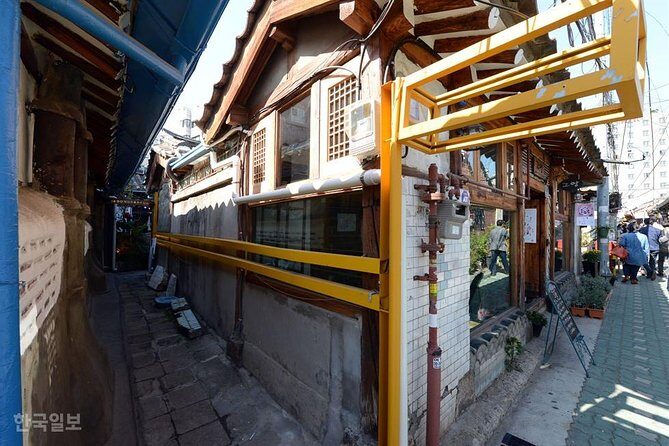
From the museum, you head toward Bukchon Hanok Village for about 40 minutes. This is one of the best kinds of stops because people still live here. That’s different from places that feel staged. When residents are part of the setting, the mood is quieter and more real. You’ll see traditional homes as part of a continuing neighborhood, not a closed attraction.
Then comes Insadong for about 45 minutes. This part has a shopping vibe, but it’s not random. The big idea is that Insadong ties back to royal patronage—artists and designers were commissioned by the king’s guild to create works for royal use. Today, that legacy shows up in the antique alleyway feel, where you can find Korean souvenirs.
A practical way to handle Insadong: go with a purpose. If you just wander, it’s easy to lose time and end up buying things you didn’t really need. If you’re after a handful of quality items, like traditional crafts or meaningful small gifts, this is exactly the kind of area where a guide can help you filter what’s worth your money.
Jogyesa Temple and Cheonggyecheon: Two Calm Stops With Stories
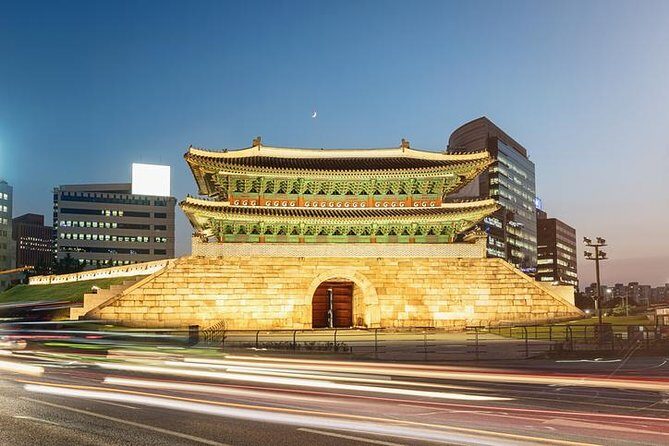
Jogyesa Temple is a shorter stop—around 20 minutes—but it comes with a big historical angle. It’s described as a Buddhist temple that was once tied to the national religion of the country. Even in a short visit, you’ll get the sense that Buddhism isn’t just “one stop in Seoul,” it shaped identity and culture.
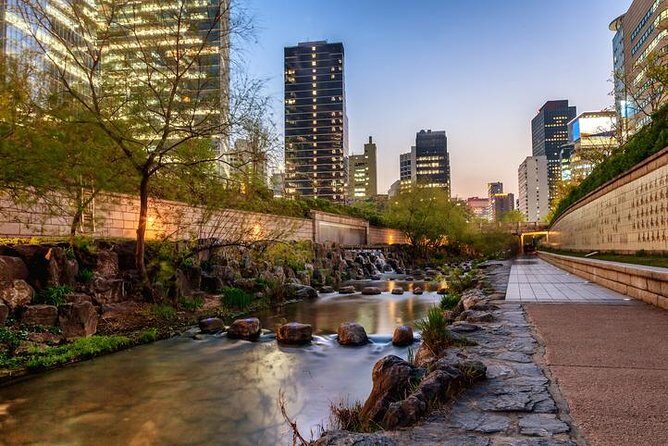
Then you walk Cheonggyecheon Stream for about 30 minutes. This is a different kind of experience from a temple: it’s a pleasant stream walk where you’ll hear the stories behind it. The value here is tonal variety. After gates, halls, and museum rooms, a slow walk helps you reset. If you’re traveling with older family members or you don’t want a day full of crowds, this stretch can be a nice breath.
For either of these stops, plan for weather. Stream walks and temple courtyards can feel very different depending on heat and rain, so bring a light layer if the forecast looks iffy.


Kwangjang Market: The 600-Year Food-to-Linens Story
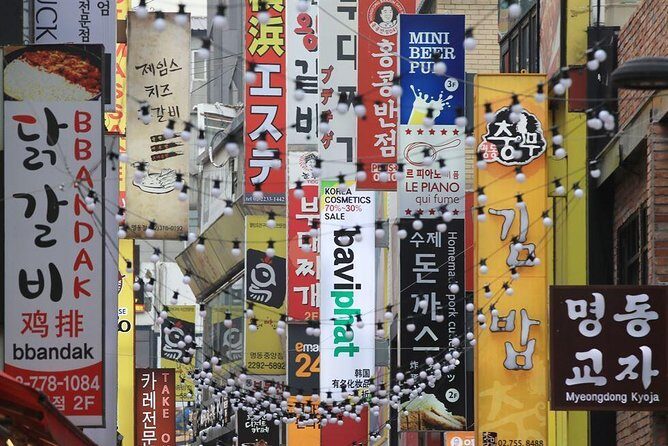
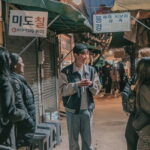
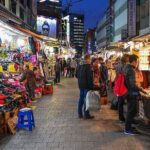
Your last stop is Kwangjang Market, about 30 minutes. The standout detail is the backstory: the market began by selling linens for special occasions and later reinvented itself into a go-to place for Korean comfort street food carts.
This is where you switch from learning mode to taste mode. Because the stop is fairly short, you’ll want to decide what you want before you get swept up in choices. If you’re traveling with a group (up to 6), it’s smart to share multiple items so you can try more than one flavor without overloading one person’s stomach.
Also, remember the tour doesn’t include lunch. That doesn’t mean you’re stuck without food. It means you should think of Kwangjang as your planned meal or snack time. If you’re picky about spice or texture, this is still manageable, but you’ll enjoy it more if you go in ready to taste a few things and not demand “perfect for my usual diet” from street food.
Private Guide Reality Check: When the Day Turns Personal
This is a private tour, so your guide will set the pace. That’s the whole point—so you’re not stuck listening to someone else’s headphones and you’re not rushing because another group is ahead of you.
The good signs from real-world experience are the kinds of details that make you feel cared for. One guide named Michael is described as giving a strong view into the life of South Koreans and their history and culture, and taking people to a favorite restaurant for ginseng black chicken. Another named Judy is noted for being patient and kind, especially helpful if someone needed a steadier walking pace. That kind of guidance turns a “tour” into a day that feels like a conversation.
Now, a note of caution: a separate experience mentioned problems with a guide named YT Kim, including unprofessional behavior and the tour feeling more like a walking day than a car-supported day. I can’t predict who you’ll get, but I can tell you what to do: ask (early) how parking and walking will work for each stop. If you’re paying for private vehicle time, you should expect the car to bring you close, not far out of the way.
Price and Value for $475: When a Private Car Actually Pays Off
The price is $475 per group (up to 6), which is a big difference from per-person sightseeing. You can think about value in two ways:
1) Transport value. Hotel pickup and drop-off are included free across Seoul, plus you get an air-conditioned vehicle. For a full day with multiple neighborhood changes, that’s not a small perk.
2) Time value. At roughly 7 hours, you’re packing seven major stops into one day. If you tried to do this on your own, you’d lose time coordinating transit and then timing palace entry. Paying for a guide isn’t just about facts. It’s about keeping the day moving with less friction.
What costs extra? The Gyeongbokgung Palace admission ticket isn’t included, and lunch isn’t included. If you budget for one ticket and plan where you’ll eat, the rest of the stops are listed as free admission (museum, village, Insadong area, temple, stream, and market).
One more logistics detail: pickup outside Seoul but within Gyeongi Province adds a $50 surcharge. If you’re staying just beyond Seoul’s boundaries, this can matter.
Who Should Book This Seoul Gangbuk Day, and Who Should Skip It
This tour fits best if you want a guided storyline through the north-side of Seoul—palace to museum to living hanok area to temple to stream to market—without wrangling transit all day.
You’ll probably like it if:
- you want a private experience with your own guide
- you care about how people lived under the Joseon Dynasty
- you prefer comfort between stops (air-conditioned vehicle)
You might not love it if:
- you hate walking (there is walking involved, even if stops are timed for a full day)
- you’re hoping admission is completely free for everything (Gyeongbokgung Palace ticket is not included)
- you want lunch handled for you (it isn’t included)
One plus for real life: service animals are allowed, and most travelers can participate. The day includes several outside segments, so physical comfort will matter more than “athletic level.”
Should You Book This Korean History & Heritage Tour?
I’d book it if you’re the kind of traveler who likes structure. The day is built like a narrative: power and ceremony first at Gyeongbokgung, meaning at the National Folk Museum, then the living texture of Bukchon and the arts-and-souvenirs world of Insadong, followed by the quiet of Jogyesa and Cheonggyecheon, and then a practical food finale at Kwangjang Market.
If you’re cost-sensitive, the private-group pricing can still be smart, especially with up to 6 people. Just go in with two budgets in mind: the Gyeongbokgung ticket and your meal plan.
If you want, tell me your travel dates and where you’re staying in Seoul. I can help you figure out whether the start time and the stop lengths look like a good match for your pace.
FAQ
How long is the Korean History & Heritage Tour?
It runs for about 7 hours, starting at 9:00 am.
What does the tour cost for a group?
It costs $475 per group, up to 6 people.
Is hotel pickup and drop-off included?
Yes. Pickup and drop-off are provided free of charge from anywhere in Seoul.
Is lunch included?
No. Lunch is not included.
Which stops have free admission?
The National Folk Museum of Korea, Bukchon Hanok Village, Insadong, Jogyesa Temple, Cheonggyecheon Stream, and Kwangjang Market are listed as free for admission.
Is admission included for Gyeongbokgung Palace?
No. The Changing of the Guard and time inside Gyeongbokgung Palace are listed with admission ticket not included.
Is this tour private?
Yes. It’s a private tour/activity, and only your group participates.