DMZ days hit different. This private tour ties together the Korean divide and a real-world look at what separation means.
What makes it work is the small-group feel, plus the fact that your guide, Kevin Lee, handles the history and the driving in one smooth package.
I also like that you get a clear sequence of DMZ-focused stops (from the Third Tunnel to Dora Observatory), not a random grab-bag of photos. One drawback to plan for: entrance fees are extra, and you’ll also want to budget for meals on a long day.
In This Review
- Key Things I Think Are Worth Your Attention
- DMZ, Dora Mountain, and a Bridge: What This Private Day Really Includes
- Value Check: Pricing, Group Size, and the Extra Fees to Plan For
- Meet Your Guide Kevin Lee and How Pickup Changes the Day
- Stop-by-Stop Walkthrough: Imjingak Peace Park, the Third Tunnel, and Dora Observatory
- Imjingak Pyeonghoa-Nuri Park: Peace Park First, Then a Second Visit
- The Third Tunnel: Scale You Can’t Fully Guess From Pictures
- Dora Observatory: The Closest View of North Korea From the South
- Unification Village (Tongilchon-gil) and the Civilian Control Line Reality
- Why Imjingak Peace Park Still Matters in the Middle of the Day
- Gamaksan Suspension Bridge and the Optional War Memorial Stop
- What to Expect on the Road: Timing, Crowd Handling, and a Safe Driver
- Who This Tour Suits Best (and Who Should Skip It)
- Should You Book This Private DMZ Tour with Gamaksan Suspension Bridge?
- FAQ
- FAQ
- How much does the private Korea DMZ tour cost?
- How long is the tour?
- Does the price include hotel pickup and drop-off?
- Are entrance fees included?
- What stops are included in the tour?
- Is this a private tour?
- What are the operating hours?
- Is free cancellation available?
Key Things I Think Are Worth Your Attention
- Private group up to 7 means more flexibility than bus-style tours.
- Kevin Lee’s English and pacing keep the day understandable, even with heavy topics.
- Three DMZ powerpoints in one run: Third Tunnel, Dora Observatory, and Unification Village.
- Gamaksan Suspension Bridge adds a lighter, scenic reset after the border sites.
- Entrance fees not included: expect a $7 per person add-on.
DMZ, Dora Mountain, and a Bridge: What This Private Day Really Includes
This is a long, full day that does two things well: it shows you the border area through major DMZ sites, then it finishes with the Gamaksan Suspension Bridge. The balance matters. The first half can feel heavy, because you’re looking at places tied to war, separation, and how the DMZ shapes everyday life. Then the bridge gives you time to move, breathe, and enjoy a different kind of view over a deep valley.
The tour runs about 9 hours, and yes, that includes driving time between stops. You’re not just ticking off monuments. The sites are chosen to build a “from distance to close-up” mental picture of the DMZ—from peace-park storytelling, to underground tunnel scale, to direct observation of North Korea from the South.
And because it’s private, you’re not fighting for space, asking the same questions over and over, or stuck waiting while a large group wrangles everyone at the same time. That small-group setup is the quiet reason many people come away feeling like they actually understood what they saw.
You can also read our reviews of more guided tours in Seoul


Value Check: Pricing, Group Size, and the Extra Fees to Plan For
The price is $410 per group (up to 7 people). That pricing model can be a great deal or an expensive one, depending on your group size.
- If you’re filling it closer to 7 people, you’re effectively paying roughly $59 per person for the guiding fee and private transportation.
- If it’s just a couple of people, the per-person cost climbs fast, and the entrance fees and meals become a bigger part of the total.
Entrance fees are not included and are listed as $7 per person. Meals are also not included. That’s normal for South Korea day tours, but it’s still something you should treat like part of the math, not an afterthought.
So here’s the practical way to decide: if your group is 4–7 people, this tends to be strong value. If it’s 1–2 people, I’d compare it to other DMZ options and ask yourself whether the extra cost is worth having a guide who can tailor the pacing and help you get through the busiest moments.
Meet Your Guide Kevin Lee and How Pickup Changes the Day
This tour is operated with hotel pickup and drop-off, plus private transportation. That matters more than it sounds. The DMZ area isn’t a quick hop on public transit, and the day includes multiple timed stops. Pickup saves you time and reduces stress, especially when you want your mind focused on the sites, not on transit transfers.
The biggest “value” piece from the feedback I’m seeing is your guide. Kevin Lee is repeatedly described as friendly, on time, careful driving, and strong on English. People also highlight that he adjusts to the group and communicates history clearly, not like a rushed lecture.
There’s also a real-world angle: one recurring theme is traffic and crowd handling around sensitive locations. A good private driver isn’t only about safety. It’s about getting you to the next stop when you still have energy to understand it.
Stop-by-Stop Walkthrough: Imjingak Peace Park, the Third Tunnel, and Dora Observatory
Your day builds in intensity. It starts with the peace-park side of the story, then shifts toward hard evidence and close observation.
Imjingak Pyeonghoa-Nuri Park: Peace Park First, Then a Second Visit
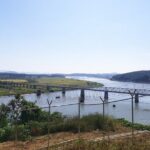
You visit Imjingak Pyeonghoa-Nuri Park twice. The first stretch is about context. The park complex was developed soon after the 1972 Joint Statement, and it’s tied to major peace-minded events, including the Global Peace Festival in 2005. This opening stop helps you understand that the DMZ isn’t just “soldier territory.” It’s also where South Korea has tried to keep the idea of peace visible.
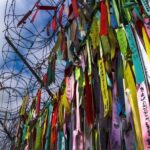
The second visit later in the day adds emotion. You can see Mangbaedan, a place connected to families separated by the division. Dispersed family members who were born in North Korea or have their hometowns there come there around Chuseok (Korean Thanksgiving) and Lunar New Year. Even if you’re not visiting on a holiday, this stop gives you a human lens for what the border does.
A small consideration: because it’s emotionally heavy, you might want water and a break if your group needs a moment to reset. This is not a “quick photo and move on” kind of place.
You can also read our reviews of more private tours in Seoul


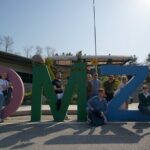

The Third Tunnel: Scale You Can’t Fully Guess From Pictures
Next is the Third Tunnel, discovered in 1978 about 52 km (32 miles) from Seoul in the Paju area. What makes it so striking is the physical scale: it’s listed as 73 m (240 feet) deep and about 1,635 m (1 mile) long, with an opening width around 2 m. Those numbers are not trivia. They help you picture what it meant to build a hidden route and what that suggests about military planning.
Your time here is about 1 hour 30 minutes. This is also one of those stops where having a guide can shape your experience. People specifically note that the guide helps with navigating the busiest parts near the tunnel, which can make a big difference when you’re trying to stay focused on the meaning, not the crowd flow.
Dora Observatory: The Closest View of North Korea From the South
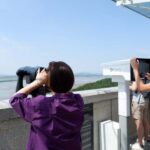
Then you reach Dora Observatory on Dora Mountain inside the DMZ area. It’s described as the northernmost observatory in South Korea, and you’re meant to get an up-close view toward North Korea. Your direction of sight matters here: what you’re seeing is framed as a nearby North Korean area, and the whole point is to help you understand distance in a concrete way.
This stop runs about 1 hour 10 minutes. A practical tip is to slow down your looking. It’s easy to treat this as a checklist view, but the value is in listening while you look—your guide’s explanations help connect the view with the bigger story.
Unification Village (Tongilchon-gil) and the Civilian Control Line Reality
After the observatory, you move to Tongilchon-gil, also known as Unification Village. It’s located within the Civilian Control Line and was founded in 1973. The details matter: it began with 40 households of veterans and 40 native households.
This stop is short, about 30 minutes, but it carries weight. It’s less about dramatic sights and more about how the border affects what is allowed, what is controlled, and what life looks like under those constraints. If your group likes history that translates into present-day reality, this is a good one.
A consideration: this is a sensitive area topic-wise. Keep your expectations practical. You’re not there for entertainment. You’re there to understand the systems that created separation and still shape movement.
Why Imjingak Peace Park Still Matters in the Middle of the Day
Returning to Imjingak might sound repetitive until you think about pacing. The DMZ sites earlier are more “what happened and what was built.” The second park visit brings you back to “what separation did to people.”
Mangbaedan’s timing connection—Chuseok and Lunar New Year—turns the story from abstract tragedy into a recurring reality. That’s the kind of detail that helps a day like this stick in your mind after you leave the area.
If you’re traveling with teens, this mid-day emotional anchor can be a surprisingly good teaching moment. It gives you a concrete example for conversations about identity, family, and peace.
Gamaksan Suspension Bridge and the Optional War Memorial Stop
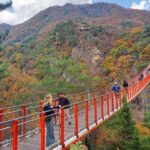
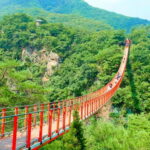
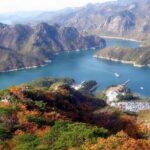
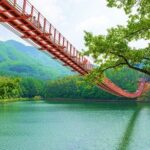
After the heavier border sites, you get a physical change of pace with Gamaksan Suspension Bridge. This is over a deep valley, spanning about 150 m and standing around 45 m high. The bridge itself is a real structure you can feel underfoot, and the timing (about 1 hour) gives you enough time to walk, pause, and take in the valley view.
Then there’s an optional War Memorial of Korea component (described alongside the Gamaksan Suspension Bridge in the tour plan). The memorial focuses on preserving materials related to the Korean War and is described as a national moral educational venue. If your group already feels “DMZ is enough,” you might skip it and save energy. If your group wants more context, it can add helpful background.
A practical note: the day is long. If your knees don’t love walking, take small breaks at the bridge and don’t rush the stops.
What to Expect on the Road: Timing, Crowd Handling, and a Safe Driver
The tour totals about 9 hours, and the difference between total duration and the sum of stop durations is basically travel time. That’s normal, but it helps to plan your own day around it.
From what’s been emphasized, the tour’s smoothness comes from two things:
1) private transportation that stays focused on the next stop
2) careful driving, described repeatedly as safe
You’ll also likely feel less friction at busy points than you would on a big tour bus. One theme in the feedback is that the guide helps you work around crowds at the Third Tunnel. That’s not magic. It’s planning, timing, and knowing how to keep the group moving without turning the day into a sprint.
Also, there can be political protest traffic in the broader Seoul area and routes to and from the DMZ corridor. The guide’s approach to getting you back to your hotel is something people specifically praise, which is a good sign for anyone who hates being stuck in a car watching the clock.
Who This Tour Suits Best (and Who Should Skip It)
This is a strong match if you want:
- a private DMZ day with real context, not just “look here” signage
- a guide who can explain history tied to specific locations
- a group size up to 7, where you can actually hear and move at a reasonable pace
It’s also a good fit for couples or families with teens who can handle serious subject matter. The peace-park moments help balance the heavier sites.
I’d think twice if:
- your group wants a short, light sightseeing day
- you’re very sensitive to topics around war and separation and need low-intensity activities
- you only plan to stay in one location and hate moving between stops all day
Should You Book This Private DMZ Tour with Gamaksan Suspension Bridge?
I think this tour is worth booking if you value a clear, guided route through the DMZ’s most talked-about sites and you like the idea of ending with a scenic walking stop. The price is easiest to justify when you’re traveling with other people and can spread the group cost, and the entrance fees plus meals are manageable if you plan ahead.
If you’re the type who wants to truly understand what you’re seeing—Third Tunnel scale, Dora Observatory meaning, Unification Village constraints—this tour structure makes that easier. And if you hate logistics and traffic surprises, the hotel pickup, private ride, and careful driving are the kinds of details that actually change your day.
If your group is small and budget is tight, compare options. But if you want a guided, private DMZ day that doesn’t feel like rushed history, this one is a smart pick.
FAQ
FAQ
How much does the private Korea DMZ tour cost?
It costs $410 per group, up to 7 people.
How long is the tour?
The tour runs about 9 hours.
Does the price include hotel pickup and drop-off?
Yes. Hotel pickup and drop-off are included, along with private transportation.
Are entrance fees included?
No. Entrance fees are listed as $7.00 per person.
What stops are included in the tour?
The tour includes Imjingak Pyeonghoa-Nuri Park, the Third Tunnel, Dora Observatory, Tongilchon-gil (Unification Village), Gamaksan Suspension Bridge, and an optional War Memorial of Korea stop.
Is this a private tour?
Yes. It’s private, and only your group participates.
What are the operating hours?
It runs Tuesday to Sunday from 8:00 AM to 5:00 PM.
Is free cancellation available?
Yes. You can cancel up to 24 hours in advance for a full refund.