REVIEW · SEOUL
Gyeongbokgung Palace, Jogyesa Temple and Bukchon village
Book on GetYourGuide →Operated by Honey Trail · Bookable on GetYourGuide
Seoul can feel like a lot on your first day. This walking tour threads together the big landmarks and calmer corners, with an English-speaking guide who makes the story make sense. I especially like starting at Jogyesa Temple in Insadong, then moving toward palace time and traditional neighborhood streets without getting lost.
Two things I really enjoy: the slow, respectful mood at Jogyesa before the crowds, and the hands-on cultural stops around Gyeongbokgung Palace. You also get a short look at Korean culture and even a traditional board game moment that breaks up the walking nicely.
One drawback to consider: it’s a walking plan, and you’ll want comfortable shoes. Also, food isn’t included, so plan on buying your own lunch or snacks around the route.
In This Review
- Key things worth knowing before you go
- Jogyesa Temple in Insadong: starting calm before the city rush
- Gwanghwamun Square and King Sejong: get your bearings fast
- Gyeongbokgung Palace stroll: Joseon Dynasty at human scale
- Traditional drink at the palace and a Korean board game break
- Bukchon traditional village: architecture, views, and respectful pacing
- Learning Korean language and culture in a natural way
- Price and what you get for $82 per person
- Logistics that matter: start at Anguk Station Exit 6
- Who this tour is best for (and who might want something else)
- Practical tips for a smooth 3-hour Seoul walk
- Should you book this Jogyesa–Gyeongbokgung–Bukchon tour?
- FAQ
- Where does the tour start?
- Where does the tour end?
- How long is the tour?
- What’s included in the price?
- Is food included?
- Is hotel pickup or drop-off included?
- What language is the tour guide?
- What should I bring?
- Are pets allowed?
- Are mobility scooters allowed?
Key things worth knowing before you go
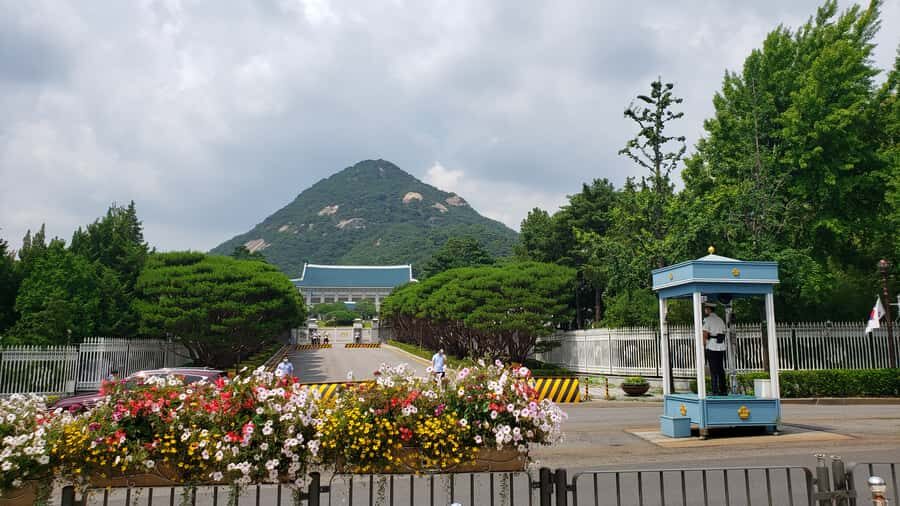
- Jogyesa Temple start: an early mood shift from busy Insadong into a quieter Buddhist space
- Gwanghwamun + King Sejong: a fast orientation stop that helps you understand Seoul’s map and meaning
- Gyeongbokgung Palace entrance included: you don’t have to handle ticket timing
- Traditional herbal tea: included at the start, plus a traditional drink during the palace part
- Bukchon village on foot: classic architecture and viewpoint time, with a moderate pace
- English guide named Lee: praised for patience, efficiency, and making the tour feel relaxed
Jogyesa Temple in Insadong: starting calm before the city rush
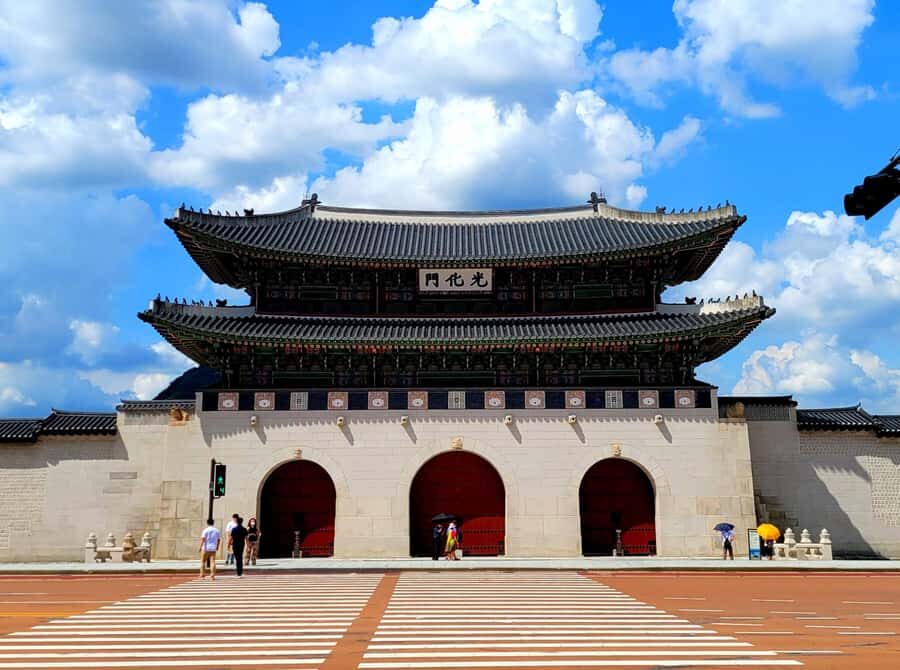
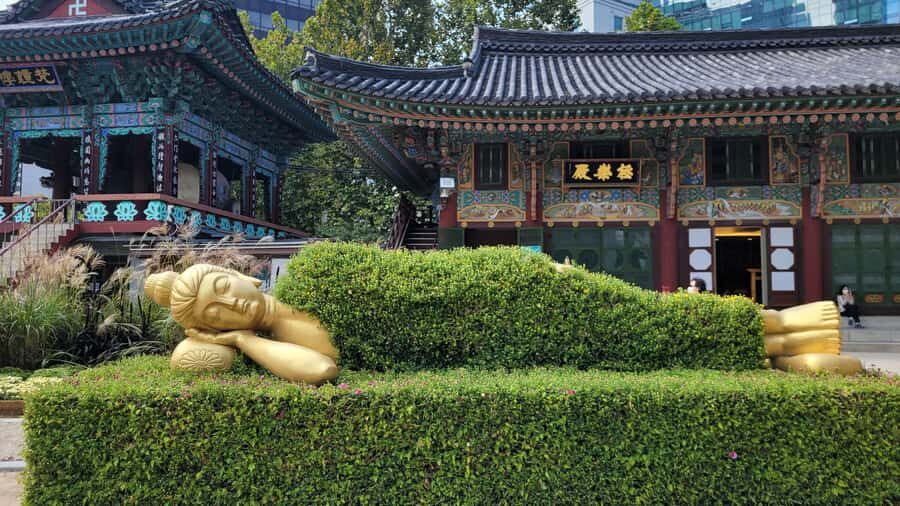
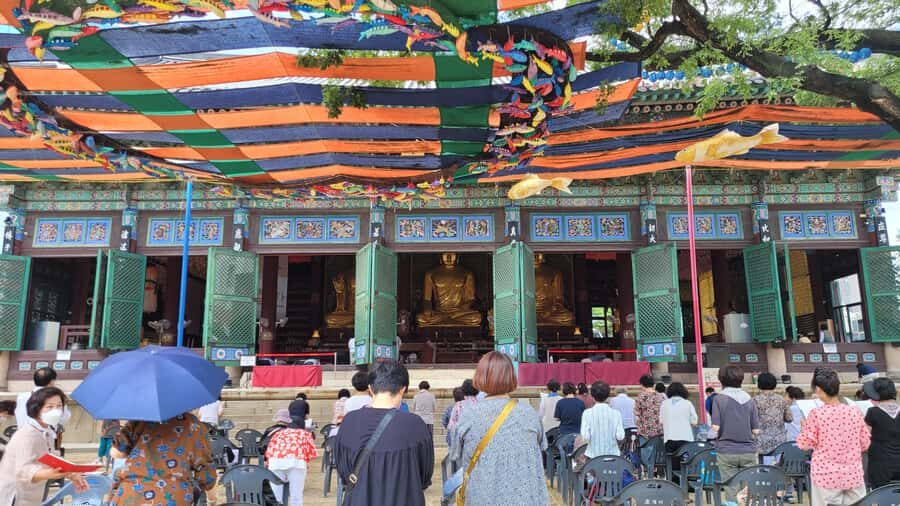
The tour begins where Seoul’s old-and-new mix feels real: Jogyesa Temple in Insadong. You’ll step into a Buddhist setting and then notice how quickly your ears change—less chatter, more temple sounds, and that quiet focus that makes the rest of the day feel grounded.
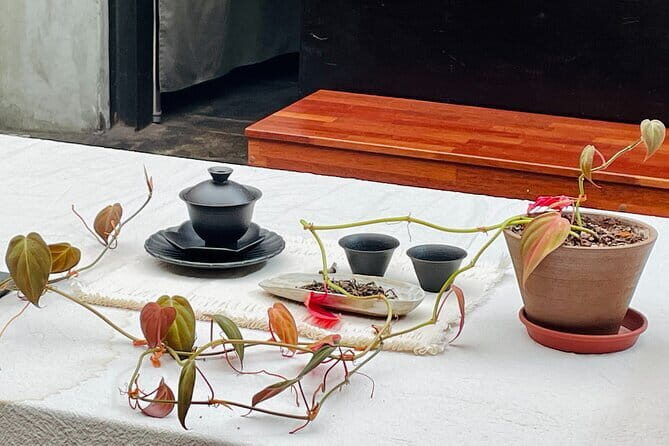
Insadong around Jogyesa is known for tea houses and small traditional spots, and the tour uses that vibe well. Before you head to the next landmarks, you get traditional herbal tea, which is a nice reset after walking in warm or busy conditions. If you’re visiting Seoul for the first time, that calm start also helps you stop thinking like a tourist with a checklist and start thinking like a person learning a place.
The guide also sets the tone: history doesn’t come as a lecture. Instead, you get the kind of context that lets you look at what’s in front of you—why it matters, who built it, and how the ideas shaped everyday life in Korea.
You can also read our reviews of more tours and experiences in Seoul.
Gwanghwamun Square and King Sejong: get your bearings fast
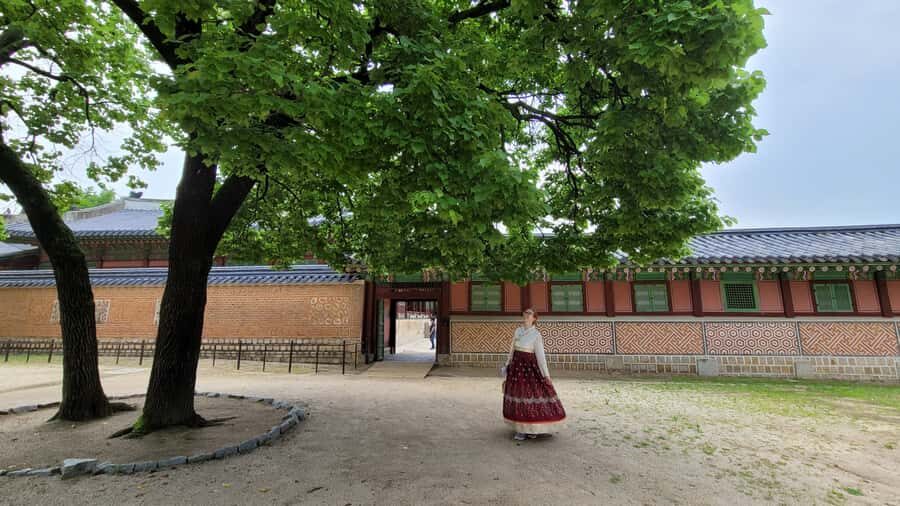
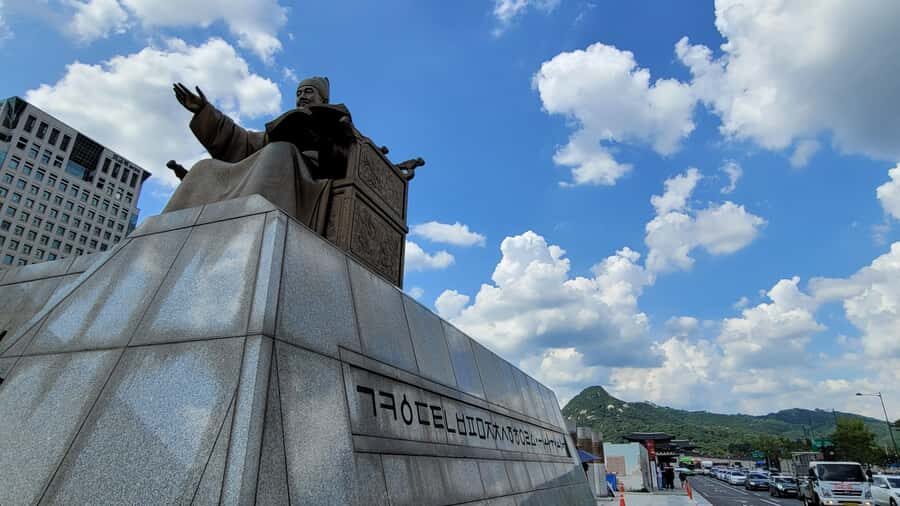
After Jogyesa, the route swings toward Gwanghwamun Square and the King Sejong statue. This stop is more than a photo moment. It helps you understand why this area is such a center of gravity in Seoul—politics, culture, and the story of Korean identity all meet in one place.
King Sejong is tied to Korean language and scholarship, and the tour leans into that theme in a practical way. Even if you don’t know much Korean yet, you’ll come away with a clearer sense of what the country values and why those values show up in public spaces.
I like this timing because it turns the day from “temple first, palace next” into a connected story. You don’t just bounce between landmarks. You start to see Seoul as a set of ideas placed on real streets.
Gyeongbokgung Palace stroll: Joseon Dynasty at human scale
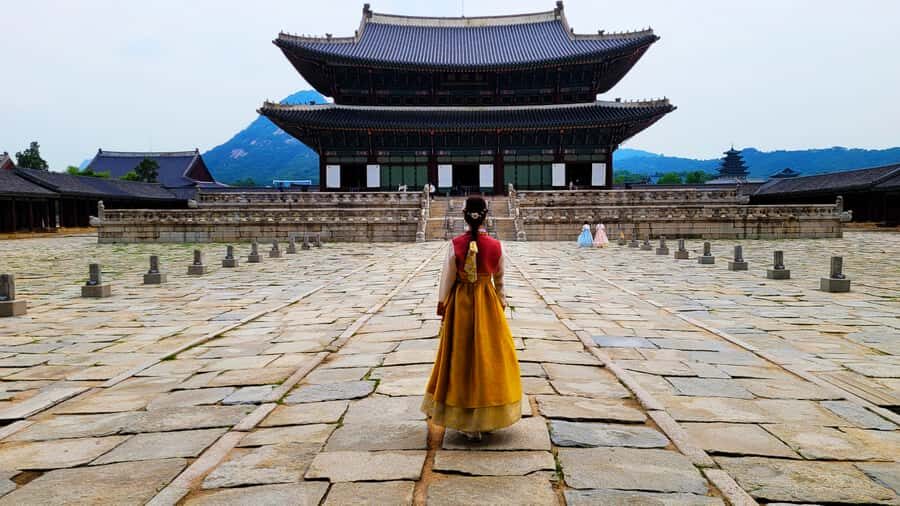
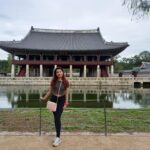
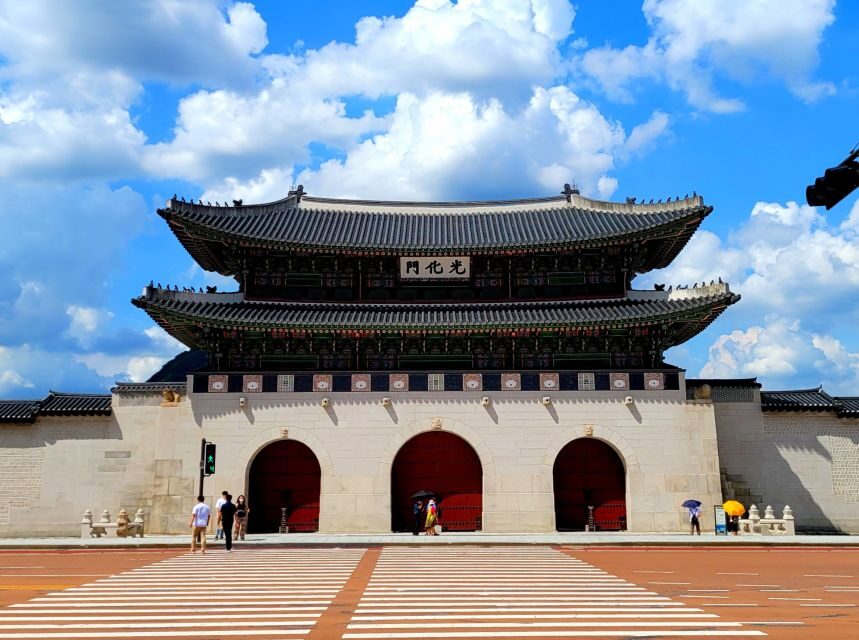
Next comes Gyeongbokgung Palace, established in 1395 as the main palace of the Joseon Dynasty. This is the kind of place where it’s easy to get overwhelmed—huge walls, long corridors, and buildings that look similar until someone points out the differences. The guide does that work for you, so you can focus on what you’re seeing instead of trying to figure it out alone.
The walking pace matters here. You get time to stroll the grounds and look around rather than being rushed through highlights. That’s especially helpful if you’re traveling with older family members or anyone who likes to slow down and read.
One thing I appreciate is how the tour keeps the palace from becoming a frozen museum. The guide connects palace spaces to the people who lived around them and the rules that shaped court life. If you’re interested in Korea’s traditions, this palace visit gives you a strong base to understand what you’ll see later in Seoul.
Traditional drink at the palace and a Korean board game break
At Gyeongbokgung, you don’t just get entry and walking. You get a traditional drink during the palace part, and that small pause helps the day feel more like an experience than a sprint.
One of the most memorable moments is the break connected to a Korean board game shown by the guide (Lee). It’s the kind of stop that adds a different angle to culture. Instead of more facts, you get something you can actually engage with using your senses and attention span.
This matters for value because the tour isn’t only about famous photos. It’s also about how culture works day to day—games, tea, conversation, and everyday ways of learning. If you enjoy small surprises that feel authentic (not gimmicky), this is a highlight worth looking forward to.
Bukchon traditional village: architecture, views, and respectful pacing
After the palace, the tour shifts into Bukchon traditional village, the area known for its preserved traditional architecture. This part is great for people who like “slow looking.” It’s less about a single monument and more about street-by-street atmosphere, the angles of buildings, and the feeling of stepping into older Seoul.
The walking here is described as moderate, which lines up with the practical reality: you’ll be on your feet for a while and there are lots of corners and little viewpoints. Bring comfortable shoes and plan to take your time. The best moments come when you pause long enough to notice details, not when you rush to the next photo spot.
I also like that this stop rounds out the day. You start with a temple mood, go to the power-center palace, then end in a neighborhood where you can imagine daily life across time. It’s a nice “then and now” sequence, even if you only have one half-day.
Learning Korean language and culture in a natural way
A big part of the tour’s charm is that you’re not only seeing places—you’re learning cultural context along the way. The tour includes learning about Korean language and culture, and it comes through the guide’s explanations rather than formal classes.
What I find useful is that language themes match the landmarks. For example, King Sejong connects to Korean language and scholarship, while the palace and temple add cultural meaning around how society worked. By the time you reach Bukchon, you’re better prepared to interpret what you see instead of just admiring it.
This is also where the guide’s personality makes a difference. The guide Lee is repeatedly praised for being patient and friendly, with a playful approach that keeps the tour from feeling heavy. That’s a big deal when you’re walking for a few hours and don’t want your brain to feel overloaded.
Price and what you get for $82 per person
At about $82 per person, the value is mostly in what’s included. You get the Gyeongbokgung Palace entrance ticket, a traditional herbal tea, and a guide. That combination saves you time and mental effort, especially if you’re juggling tickets and finding reliable explanations.
What’s not included is straightforward: food and hotel pickup/drop-off. Since the tour ends back near where you meet your guide, you’re responsible for your own lunch plan. If you budget snacks and a simple meal near Insadong or around Gyeongbokgung, the cost feels more reasonable.
I also think the price is fair for first-time Seoul visitors because you’re paying for clarity. A good guide turns big sights into understandable stories, and you’re not stuck piecing everything together on your own. If you love walking but want structure, this is the kind of tour where the guide does real work for you.
Logistics that matter: start at Anguk Station Exit 6
The meeting point is Anguk Station Exit 6, and the tour ends back at the same meeting point. That makes planning easier because you’re not getting transferred across Seoul at the end.
There’s no hotel pickup or drop-off, so you’ll want to build in transit time to reach Anguk. Also, the tour is designed as an active walking route, so comfortable shoes are not optional—save your fancy sneakers for another day.
One more practical note: the tour doesn’t allow pets or mobility scooters. If someone in your group uses mobility assistance, double-check what will work for your needs before booking.
Who this tour is best for (and who might want something else)
This tour is a strong fit if you want a “first Seoul” day that hits the major cultural sites with a guide who keeps things human and relaxed. It’s especially good for people who enjoy history but don’t want to spend the day reading alone off a phone screen.
It also works well for families. The guide’s calm approach and patience shows up in how the tour is described, and that usually means you’ll get the time you need to slow down, ask questions, and regroup.
If you hate walking, this probably won’t feel great. Even with a moderate pace, it’s still a walking tour with multiple major landmarks. Also, if your main goal is food experiences, you’ll need to plan meals yourself since food isn’t included.
Practical tips for a smooth 3-hour Seoul walk
This tour is described as a 3-hour experience, so you’ll want to move efficiently without rushing. Aim for light layers, and drink water before you feel thirsty.
Bring:
- Comfortable shoes
- A light jacket or layer for weather swings
Plan around:
- No food included, so decide in advance where you might grab lunch or snacks
- The fact that the route includes temples, palace grounds, and an outdoor neighborhood walk
And keep your expectations aligned: you’ll see major sights and get meaningful context, but you won’t treat this as a slow day spent lingering in every building.
Should you book this Jogyesa–Gyeongbokgung–Bukchon tour?
Yes, if you want a well-organized Seoul morning/afternoon that mixes famous landmarks with calmer cultural moments, this is an easy recommendation. The biggest strength for me is the guide experience: Lee is repeatedly praised for patience, efficiency, and for adding little cultural touches like a Korean board game break that makes the day more memorable.
Book it if:
- You’re visiting Seoul for the first time and want an order that makes sense
- You want entrance and key tea included, so you can focus on the sights
- You like walking but still want enough time to look and ask questions
Skip it if:
- You need wheelchair or scooter support that isn’t covered here
- You want a food-focused tour (you’ll need to handle meals yourself)
If you fall somewhere in the middle, this tour is a solid bet. It’s designed to help you understand Seoul quickly, without making the day feel like a checklist.
FAQ
Where does the tour start?
It starts at Anguk Station Exit 6.
Where does the tour end?
The tour ends back at the meeting point near Anguk Station Exit 6.
How long is the tour?
It’s described as a 3-hour walking tour.
What’s included in the price?
You get the Gyeongbokgung Palace entrance ticket, traditional herbal tea, and a guide.
Is food included?
No. Food is not included.
Is hotel pickup or drop-off included?
No. Hotel pickup and drop-off are not included.
What language is the tour guide?
The tour is in English.
What should I bring?
Comfortable shoes.
Are pets allowed?
No, pets are not allowed.
Are mobility scooters allowed?
No, mobility scooters are not allowed.