REVIEW · SEOUL
Samaksan Cable Car and Nami Island Day Escape with Railbike
Book on Viator →Operated by S.A. Tour · Bookable on Viator
Three rides, one great day out.
This Seoul-area escape strings together Samaksan Mountain’s lake cable car views, a film-famous railbike run, and a relaxed Nami Island stroll—so you get thrills and calm in the same trip. I especially like the way the day balances big scenery moments with hands-on fun you actually control, like riding the railbike and choosing your pace on Nami.
I also like that the day is guided and ticket-covered, so you’re not stuck translating or queue-guessing all afternoon. The main thing to consider is that this experience depends on weather and minimum group size—if either goes sideways, your day can shift.
In This Review
- Quick Takeaways
- From Hongik Univ. Station: A Day Trip That Actually Feels Easy
- Samaksan Mountain Lake Cable Car and the Skywalk Observatory
- Cabin choice: standard vs Crystal Cabin
- Good time for photos (and timing reality)
- Gapyeong Railbike: Bridges, a Tunnel, and The Letter (1997)
- How hard is it?
- A quick practical tip
- Nami Island in Two Hours: What You Can Really Do
- Foot pace vs bike pace
- What to expect if it’s rainy
- Tour Value: Why $112 Can Make Sense (If the Day Runs Smoothly)
- Guides Matter: The Energy You’re Likely to Feel
- Logistics That Affect Your Comfort (More Than You’d Think)
- Small Risks to Plan For: Weather and Minimum Numbers
- Who Should Book This Tour
- Should You Book Samaksan Cable Car and Nami Island with Railbike?
- FAQ
- What is the meeting point for the tour?
- How much does the tour cost?
- How long is the experience?
- What attractions are included in the itinerary?
- What’s included in the price?
- Is breakfast or lunch included?
- Is there a cable car upgrade option?
- What is the railbike route like?
- What weather conditions are required?
- Can I cancel for free?
Quick Takeaways
- Samaksan Lake Cable Car length: 3.61 km over Uiamho Lake, plus a summit Skywalk Observatory (52 m long, 35 m high).
- Railbike route with movie vibes: Gapyeong Rail Park to the Gapyeongcheon Stream Iron Bridge, Bukhanggang Iron Bridge, and Zelkova Tree Tunnel, then back.
- Nami Island timing that works: about 2 hours for tree-lined paths, statues, and riverside wandering.
- Cabin upgrade option: Crystal Cabin with a transparent floor for extra wow in the cable car.
- Guide support in Chinese/English: helpful when routes, timing, and tickets get moving.
- Weather and group-size sensitivity: the trip can be rerouted or adjusted if conditions aren’t right.
From Hongik Univ. Station: A Day Trip That Actually Feels Easy
The tour runs as a round trip from Hongik Univ. Station, and it uses an air-conditioned vehicle. That matters in Korea during swing seasons, when heat, cold, or sudden showers can turn transit into the hard part of the day.
Expect a guided group with a max size of 45 people, and you’ll get a professional guide in Chinese/English. The mobile ticket is a quiet win too—you’re not juggling paper confirmations while you’re trying to get out the door.
With a scheduled duration of 5 to 10 hours, you should plan this as a full chunk of your day, not a “quick add-on.” If you’re the type who likes a slow morning and a clear evening plan, eat early back in Seoul and pack water.
You can also read our reviews of more tours and experiences in Seoul.
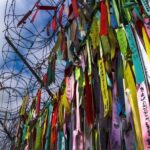
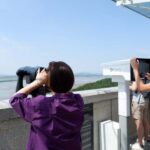
Samaksan Mountain Lake Cable Car and the Skywalk Observatory
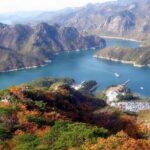
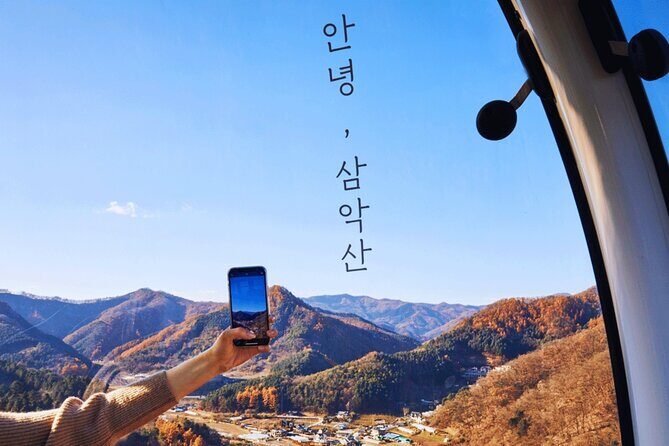
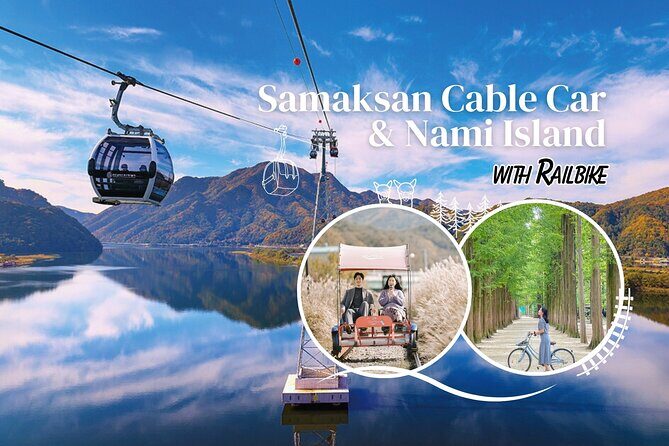
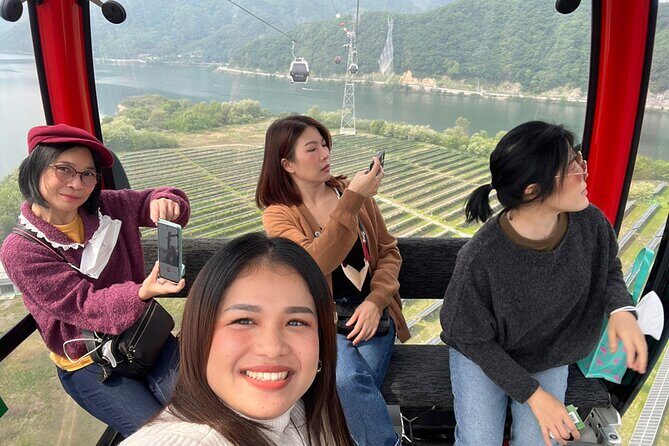
Stop one is the Chuncheon Samaksan Mountain Lake Cable Car, billed as the country’s longest at 3.61 kilometers. It runs from Samcheon-dong and crosses over Uiamho Lake, then connects with Samaksan—so even from inside the cabin you’re getting moving views of water, city, and mountain terrain.
What you’ll want to pay attention to is the summit experience. The tour includes the Skywalk Observatory area, described with 52 m total length and 35 m in height. That gives you a real “standing above it” feeling, which is a nice change from just looking at views from a standard viewpoint deck.
Cabin choice: standard vs Crystal Cabin
You’ll have an option to upgrade to the Crystal Cabin with a transparent floor. If you get motion-sick easily or you’re cautious about heights, skip the upgrade and stick with standard. If you’re happy to look down and take photos, this is the upgrade that actually changes the sensation, not just the cost.
Good time for photos (and timing reality)
The schedule sets aside about an hour for the Samaksan stop. In practice, that’s enough for a cable car ride up, a walk around the summit area, and a few photo rounds—so long as you don’t spend the entire hour checking your phone.
Bring a light layer. Even if Seoul feels mild, the cable car and summit can feel cooler with wind.
Gapyeong Railbike: Bridges, a Tunnel, and The Letter (1997)
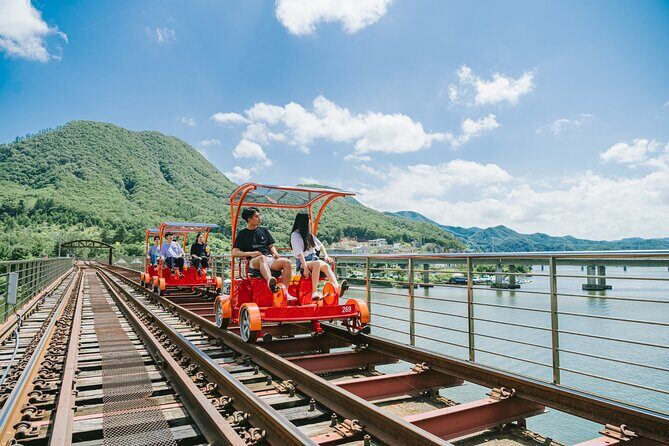
After Samaksan, the day shifts to action that’s different from cable car thrills. The railbike portion runs for about 2 hours, departing from Gapyeong Rail Park.
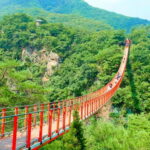
The route is a big part of why this feels special: you travel past the Gapyeongcheon Stream Iron Bridge, the Bukhanggang Iron Bridge, and through the Zelkova Tree Tunnel, then you return to Gapyeong Rail Park. It’s the kind of ride where the scenery keeps changing every few minutes, so you stay interested even if you’re not a “theme attraction” person.
There’s also a film connection. This route appears in the Korean film The Letter (1997), which is why couples and photographers seem to love it. You don’t need to be a movie fan to enjoy it, but it does explain the steady flow of people taking photos in the same spots.



How hard is it?
The tour notes a moderate physical fitness level. Railbike is usually “light exercise,” not a workout—think steady effort and pedaling at a manageable pace while enjoying the views. If you have knee issues or you dislike physical activity, go slowly and don’t force speed.
A quick practical tip
Wear shoes with grip. You’re riding outdoors near water and bridges, and surfaces can vary. It’s not about danger—it’s about staying comfortable so you can focus on the views and not your feet.
Nami Island in Two Hours: What You Can Really Do
Next is Nami Island, with about 2 hours on the island. Nami is famous for tree-lined pathways and a calmer riverside mood, and it’s popular across seasons—so cherry blossom timing is the big selling point, but you’re not locked into only one look.
The tour includes the Nami Island ferry and entry fee, so you just show up and go. Once you’re on the island, your time is mostly about strolling. The experience calls out things like waterfalls, statues, and seasonal flora, and that’s exactly the kind of “walk-and-snack in your own rhythm” place Nami does well.
Foot pace vs bike pace
The overview mentions you can explore on foot or by bike. The tour details don’t spell out whether bikes are included, so assume you’ll decide based on what’s available on the ground. If you’re short on time (and you are), a bike can help you cover more, but walking is perfectly satisfying if your priority is photos and atmosphere.
What to expect if it’s rainy
If the day turns damp, Nami can still work. The paths and trees can look great even with mist, but slippery surfaces can slow you down. If it’s pouring, you may spend more time picking sheltered spots rather than doing your full route.
Tour Value: Why $112 Can Make Sense (If the Day Runs Smoothly)
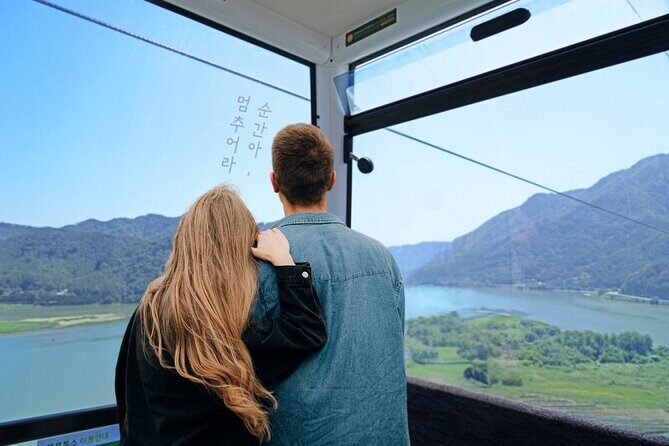
At $112 per person, this is not a “cheap and cheerful” add-on. You’re paying for a full guided itinerary plus covered tickets: Samaksan cable car tickets, Nami Island ferry and entry, and the railbike admission.
That cost can feel fair because the day isn’t just sightseeing—it mixes three transport-style experiences:
- a long cable car ride with a summit deck,
- a ticketed railbike route with multiple iconic stops,
- ferry access and entry to Nami.
Also, the guide support saves time. When you’re moving between Chuncheon and Gapyeong and then into Nami logistics, having someone handle the structure is what turns a “possible DIY day trip” into an actual day that stays on schedule.
The flip side: if the itinerary changes due to weather or minimum participant numbers, you might end up with a version of the day that doesn’t match your top priority. One experience example from similar operators is that some days get rerouted to other attractions. So I suggest you book with the mindset that your primary draw—Samaksan—should be treated as weather-dependent.
Guides Matter: The Energy You’re Likely to Feel
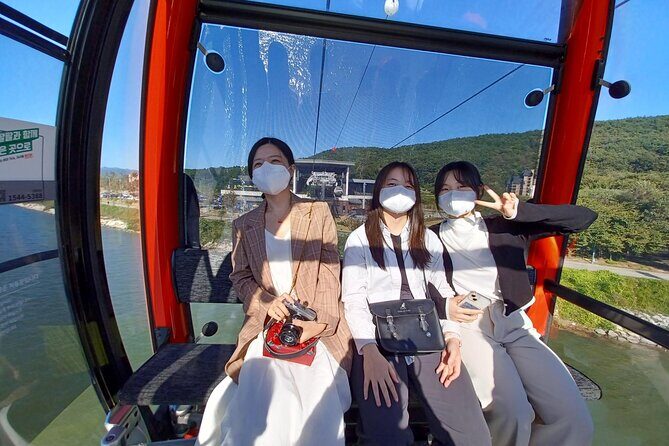
You’ll have a guide in Chinese/English, and the difference between an okay day and a great day is often the guide’s energy and clarity.
In previous feedback for this kind of itinerary, guides named Connor and Yang came up as particularly informative and fun. That lines up with what you want on a day like this: someone who keeps timing moving, explains what to look for at each stop, and helps you avoid wasting your limited time.
If you’re sensitive to group pacing, pick a spot at the front of the group near transitions. It makes it easier to hear instructions and avoid the “everyone’s waiting” moment.
Logistics That Affect Your Comfort (More Than You’d Think)
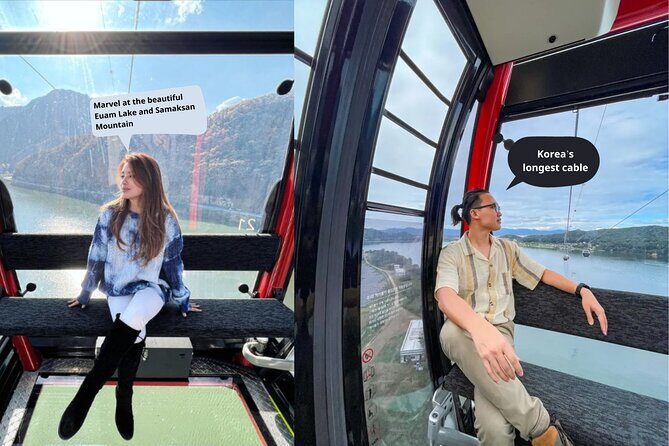
This tour is built for standard day-trip comfort, not luxury. You’ll be in a vehicle for the transitions, then walking outdoors at Samaksan and Nami, and pedaling for the railbike.
A few practical reminders that help:
- Bring layers for summit air and possible rain.
- Use comfortable shoes for Nami paths and any wet ground.
- Keep some cash or a card for snacks and whatever you want to buy on Nami, since meals aren’t included.
- Plan for no breakfast/lunch/dinner being provided.
The maximum group size of 45 is moderate. Still, it can feel busy at popular photo moments—especially at the cable car and railbike stops—so go for early photo angles if your schedule allows.
Small Risks to Plan For: Weather and Minimum Numbers
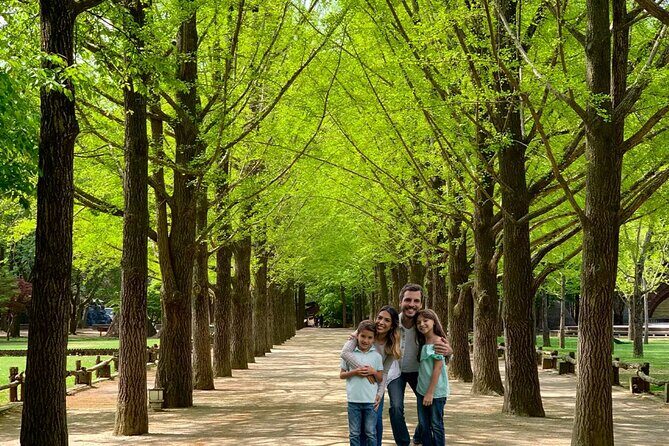
This experience is described as requiring good weather. If conditions aren’t right, you’ll be offered a different date or a full refund. That’s the good news.
The other risk is minimum traveler requirements. If the minimum isn’t met, the operator may offer a different date or experience, or a full refund. In plain terms: if Samaksan cable car is your single must-do, you’ll want flexibility in your travel days.
Who Should Book This Tour
This day trip is a strong fit if you want:
- a varied day without planning stress,
- photo-friendly stops with built-in activities,
- an experience that’s more than just sitting on a bus,
- a moderate activity level that isn’t a hike.
It’s also a good option if you’re visiting Korea and want a break from Seoul without jumping into a full-blown overnight itinerary. You get mountains, water, bridges, and a well-known island in one shot.
If you only want one highlight and hate crowds, you may prefer a simpler option. But if you like packing a lot of variety into a single day, this is the kind of itinerary that delivers.
Should You Book Samaksan Cable Car and Nami Island with Railbike?
I’d book it if your idea of a great day includes one long viewpoint ride (Samaksan) plus a hands-on outdoor activity (railbike) and a calmer walking break (Nami Island). The included tickets make it feel organized, and the route details—like the 3.61 km cable car and the film-connected railbike bridges—give the day its identity.
I’d think twice if your schedule is tight and Samaksan is non-negotiable. Because weather and group-size rules can affect the day, build in backup travel flexibility.
If you want a single practical approach: book it when you can choose travel dates freely, pack light layers for wind or rain, and treat the island time as a stroll, not a race.
FAQ
What is the meeting point for the tour?
The tour starts and ends at Hongik Univ. Station in Seoul.
How much does the tour cost?
The price is $112.00 per person.
How long is the experience?
The duration is listed as 5 to 10 hours (approx.).
What attractions are included in the itinerary?
You’ll visit Samaksan Mountain Lake Cable Car, a railbike section at Gapyeong Rail Park, and Nami Island.
What’s included in the price?
Included items are an air-conditioned vehicle, entrance fees, a Chinese/English guide, Samaksan cable car tickets (with an option to upgrade), and Nami Island ferry and entry fee. The railbike admission is also included.
Is breakfast or lunch included?
No. Breakfast, lunch, and dinner are not included.
Is there a cable car upgrade option?
Yes. You can upgrade from a standard cabin to a Crystal Cabin with a transparent floor.
What is the railbike route like?
The railbike departs from Gapyeong Rail Park and passes by the Gapyeongcheon Stream Iron Bridge, Bukhanggang Iron Bridge, and the Zelkova Tree Tunnel, then returns to Gapyeong Rail Park.
What weather conditions are required?
The experience requires good weather. If it’s canceled due to poor weather, you’ll be offered a different date or a full refund.
Can I cancel for free?
Yes. You can cancel for a full refund up to 24 hours before the experience start time.

![Andong Hahoe Village [UNESCO site] Premium Private Tour from Seoul - Andong Hahoe Folk Village: walking where the village still breathes](https://7.seoulescapes.com/wp-content/uploads/andong-hahoe-village-unesco-site-premium-private-tour-from-seoul.jpg)