REVIEW · SEOUL
Private DMZ Tour and Suspension Bridge + Korean BBQ
Book on Viator →Operated by Here Korea Travel · Bookable on Viator
The DMZ feels unreal, even from Seoul. This private day trip gets you into the DMZ with registered-guide access, then pairs the Third Tunnel and Dora Observatory with a Korean BBQ or ginseng chicken soup lunch. The main catch: it’s a long day (8 to 10 hours) and the tunnel walk can be hard on knees.
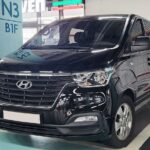
I like that you’re not doing this as a stressful group shuffle. You get hotel pickup around 09:00 and a private, air-conditioned vehicle for the full route, plus DMZ entrance fees, parking, and a professional English-speaking guide.
The last part is what you’ll feel in your legs. Some stops are short and scenic, like the Dora Observatory (about 30 minutes) and the quick visit to Tongilchon-gil, but others involve walking down and back up.
In This Review
- Key things that make this DMZ + suspension bridge day worth it
- How private DMZ access actually works (and why that matters)
- Imjingak Pyeonghoa-Nuri Park: the start line with peace symbols
- The DMZ portion: Third Tunnel and Dora Observatory in one packed day
- Third Tunnel: a dramatic walk with real physical limits
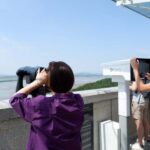
- Dora Observatory: seeing North Korea from an observatory
- Tongilchon-gil: a quick unification-themed stop
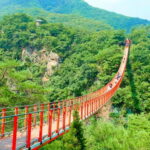
- Gamaksan Chulleong Bridge: war history meets a short hike
- Where Gyeongbokgung Palace, the War Memorial, markets, and Odusan Tower fit
- Lunch is more than food: Korean BBQ or ginseng chicken soup
- Price and value: what $250 gets you in real terms
- Guides make or break the day (and this route has standout names)
- Practical tips for a smoother long day
- Should you book this private DMZ + suspension bridge tour?
- FAQ
- How long is the tour?
- Is hotel pickup included, and when does it start?
- What lunch options are included?
- Is a vegetarian meal available?
- Is the entrance fee to the DMZ included?
- Can you access the DMZ without a guide?
- What will I see at Dora Observatory?
- How long is the Dora Observatory stop?
- What is Tongilchon-gil?
- What is the cancellation policy?
Key things that make this DMZ + suspension bridge day worth it
- Registered-guide DMZ access: you stay with a guide because you can’t enter the DMZ without a registered escort.
- Third Tunnel plus Dora Observatory: you see North Korea’s border area from multiple angles, including the tunnel dug after the war.
- Lunch is built in: choose Korean BBQ or ginseng chicken soup, so you’re not hunting for food while timing gets tight.
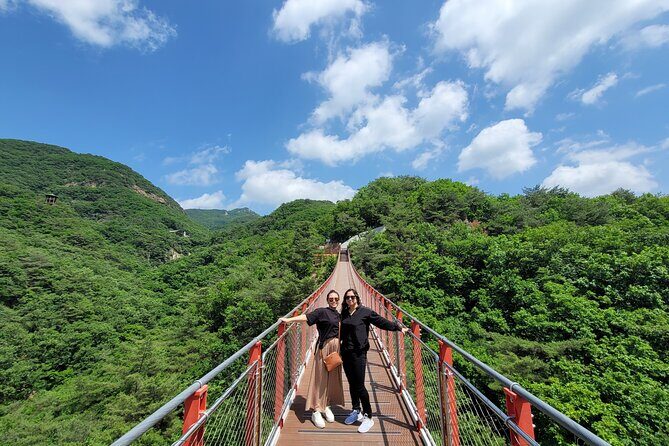
- Suspension bridge stop with a short hike: Gamaksan Chulleong Bridge mixes war history with mountain views.
- A guide who works the day: guides often adjust pacing, answer tough questions, and help with logistics so you spend time seeing rather than waiting.
- Flexibility for optional culture stops: you may swap in places like Gyeongbokgung Palace, the War Memorial, Kwangjang Market, or Odusan Tower.
How private DMZ access actually works (and why that matters)
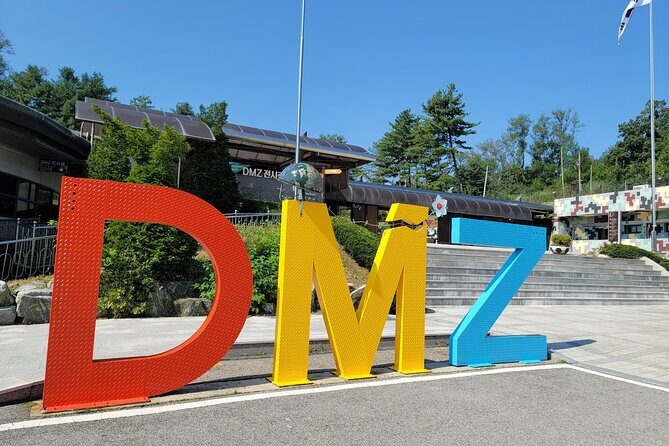
From Seoul, the big selling point here is the access. The DMZ is politically sensitive, and you can’t just wander in on your own. You go with a professional guide, and you follow the shuttle procedures at the staging area before the DMZ portion begins.
That guide component changes the whole experience. You’ll understand why each site is placed where it is, what you’re actually looking at during observatory moments, and how the Korean War and division created the geography you’re seeing.
The other practical win is comfort. You’re in a private vehicle with air-conditioning, which helps on long travel days when you’d rather not spend hours in crowded buses. Since the day stretches 8 to 10 hours, this matters more than you’d think.
And yes, there’s real value in the “private” part. Several guides on this route are known for being punctual and responsive, and they often help you pace the day around questions, photos, and your comfort level.
You can also read our reviews of more private tours in Seoul

Imjingak Pyeonghoa-Nuri Park: the start line with peace symbols
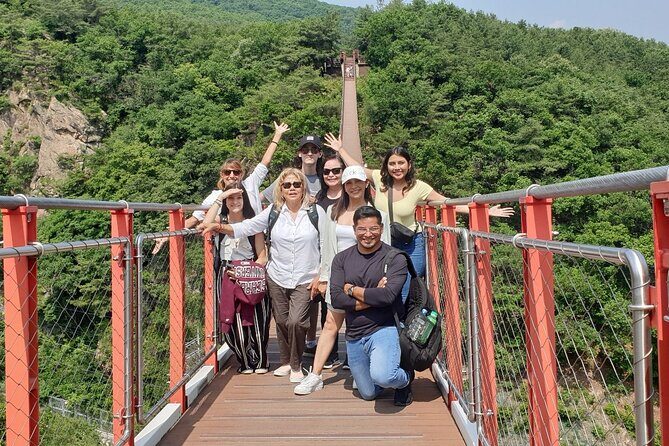
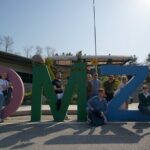
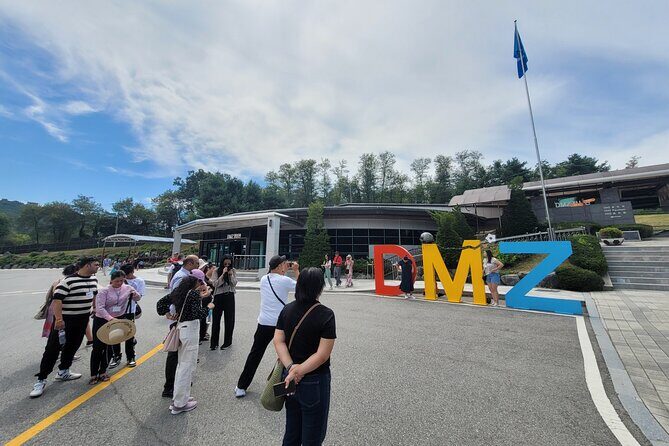
The day kicks off at Imjingak Pyeonghoa-Nuri Park, a familiar pre-DMZ zone that sets the tone before you go anywhere near the actual border area.
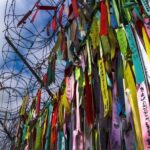
One reason I like starting here is that it gives you context fast. You’ll see peace-themed items such as the Peace Bell and other memorable displays, including a derailed locomotive (the kind of object that makes the war feel less abstract). It’s also where you prepare for the DMZ shuttle transfer.
In this phase, expect direction changes and a bit of procedure. The DMZ shuttle bus you take from here is run under local authority, and you’ll need to follow their guidance. This isn’t the moment to ask for shortcuts. It’s simply about staying calm, listening, and getting everyone into the correct flow.
Plan on this as your warm-up. You’re not just waiting around. You’re getting your bearings for what you’ll see later at the Third Tunnel, Dora Observatory, and the other border-related stops.
The DMZ portion: Third Tunnel and Dora Observatory in one packed day
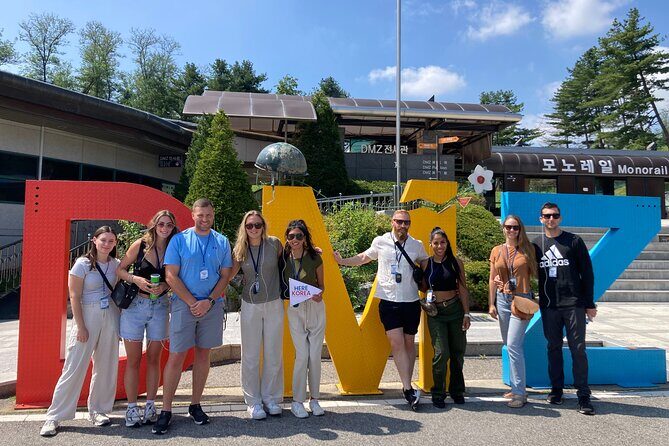
The core DMZ block takes up the largest chunk of your schedule. You’ll spend several hours in the DMZ area with your guide, including the stops that are the emotional center of the day.
Third Tunnel: a dramatic walk with real physical limits
The Third Tunnel stop is about the aftermath of the Korean War. North Korea dug the tunnel with plans to invade South Korea, and it was discovered in 1978. It’s dangerous in the sense that it was designed for invasion, but the visit is managed with safety rules, hard hats, and a defined route.
This is the part where I’d give the most practical advice.
- The tunnel walk can be tough on knees because you go down and then back up.
- The ceiling is low enough that if you’re taller than about 5 feet, you may find parts of the route cramped.
- There are benches along the way, so you can rest if needed.
- Bring water. The tunnel layout and time spent moving through it make hydration smart.
Guides do a good job preparing you before you enter, so you’re not shocked by the low-ceiling effect halfway through. If mobility is a concern, tell your guide early so the pacing can be adjusted.
Dora Observatory: seeing North Korea from an observatory
After the tunnel, you’ll move to Dora Observatory. This stop is short, around 30 minutes, so you’ll want to be ready to look and ask questions right away.
At Dora, you can view the North Korean side with your naked eyes from the DMZ area. The experience is tied to specific sights such as the propaganda village area, the North Korean flagpole, Gaeseong city, and an industrial complex, plus a view of the DMZ itself.
This is where the guide’s explanations really pay off. Without context, the view can feel like a distant blur. With context, you can connect what you’re seeing to the division line and what the sites represent.
Also, treat this as a timing-sensitive stop. It’s not long enough for wandering. If you want photos, decide where you’ll stand quickly and keep moving between questions and viewpoints.
You can also read our reviews of more tours and experiences in Seoul
Tongilchon-gil: a quick unification-themed stop
Next comes Tongilchon-gil, often described as a souvenir zone sometimes tied to the idea of unification. It’s a short visit, about 10 minutes, and it’s mainly for small DMZ-themed items and local Korean products.
Don’t expect time for a long browse here. If you want souvenirs, this is the window to buy them and move on.
Gamaksan Chulleong Bridge: war history meets a short hike
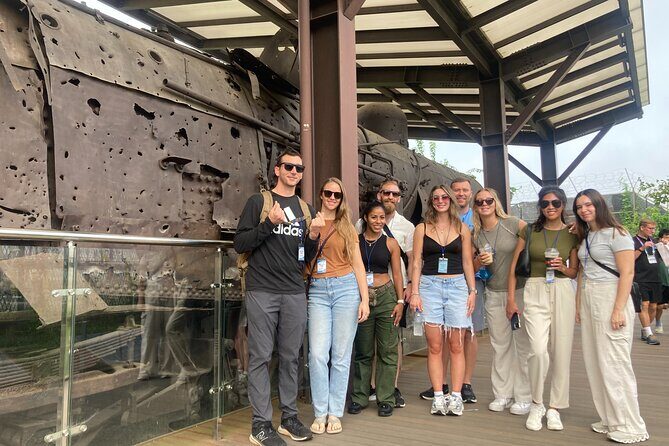
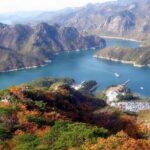
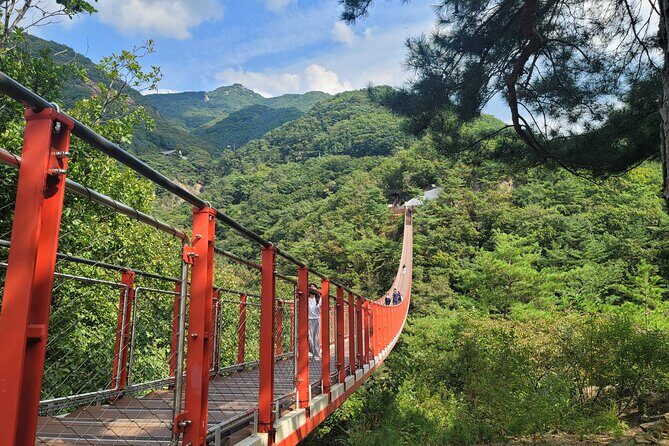
The suspension bridge stop is Gamaksan Chulleong Bridge, and it’s one of the most memorable contrasts in the itinerary. You’re in a battlefield area tied to the Korean War, but the setting is also scenic, surrounded by mountains.
The hike is short, around 10 minutes on foot, and then you spend time at the bridge. The “workout” level is modest, but it can feel harder if you’re already tired from the DMZ and the tunnel.
A few things to keep in mind:
- Expect it to be busy on weekends.
- Views make the effort worth it, so don’t rush it just to tick the box.
- You’ll likely want some time to pause, take photos, and enjoy the contrast between history and the quiet of the mountains.
This is also a good place for a guide-led photo break. Several guides on this route are known for taking thoughtful photos for their group, so you’re not doing awkward solo shots while trying to keep everyone moving.
Where Gyeongbokgung Palace, the War Memorial, markets, and Odusan Tower fit
One nice thing about this private tour is that the day can include optional cultural stops. You’ll see choices like:
- Gyeongbokgung Palace (built in 1395, often called the Northern Palace due to its position compared with other palaces)
- The War Memorial of Korea (a national education site related to the Korean War)
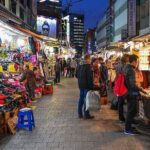
- Kwangjang Market (a well-known market area; it’s often noted as the first permanent market in Korea, and the second floor includes textiles like silk and satin)
- Odusan Unification Observatory / Odusan Unification Tower (on the northernmost ceasefire line of the western front where the Hangang and Imjingang rivers meet, with wide views)
These stops can help you balance the emotional intensity of the DMZ with real Seoul-side context. Just remember: each additional location eats time, which matters when your DMZ day is already long.
If you’re visiting with limited time and you care most about DMZ specifics, you might prefer the choices that complement the war theme more directly, such as the War Memorial or Odusan Tower. If you’re more into classic architecture or food, then Gyeongbokgung Palace or Kwangjang Market can be the right counterweight.
Lunch is more than food: Korean BBQ or ginseng chicken soup
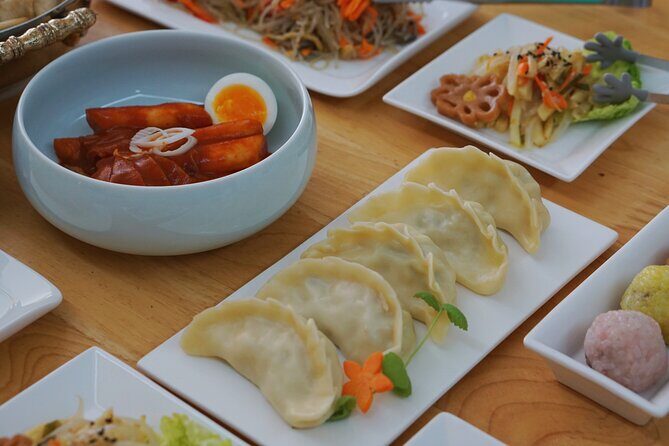
Lunch is included, and you pick one option: Korean BBQ (bulgogi) or ginseng chicken soup.
This is a practical win for two reasons. First, it prevents a scramble to find a meal during a day where timing is tightly managed. Second, it gives you something genuinely local to anchor the experience, instead of treating the whole day like a sightseeing sprint.
Both options work well after a cold, formal morning at the observatory and tunnel. If you tend to get chilled easily, ginseng chicken soup is often the comfort choice. If you’re in a grilling mood, bulgogi is a classic Seoul-friendly meal.
Vegetarian is also available if you tell the provider ahead of time. If that applies to you, it’s worth confirming early so you’re not surprised when ordering time comes.
Price and value: what $250 gets you in real terms
At $250 per person for a private full-day tour, the price isn’t cheap. But it also isn’t just about driving around.
You’re paying for:
- DMZ entrance fees being included
- A professional English-speaking guide who stays with you through the key stops
- Air-conditioned private transportation from Seoul with pickup
- Parking fees
- A built-in lunch choice (BBQ or ginseng chicken soup)
The DMZ access piece is the biggest reason. You can’t just buy tickets and go. You need the registered guide framework and you need someone who understands how the day flows and how to translate what you’re seeing.
That said, there’s one planning consideration that’s worth taking seriously: vehicle capacity. In at least one case, a family size issue led to a last-minute extra charge because the group didn’t fit the van as expected. The lesson is simple: confirm group size and ask about vehicle fit early so you avoid surprises.
If you’re a couple, a small family, or a group who likes questions and not waiting in long lines, this pricing starts to feel more reasonable. If you’re traveling on a strict budget and don’t care about guide context, you may prefer a cheaper group format.
Guides make or break the day (and this route has standout names)
The DMZ is intense, and you need a guide who can handle both the details and your questions without turning the day into a lecture.
Guides associated with this tour often earn top marks for being punctual, patient, and able to tailor the pacing. Some have gone beyond basics by bringing tools like binoculars for better viewing from the border area. Others have a strong eye for photos and time-saving. More than once, guides are noted for checking in about mobility needs, offering encouragement during the bridge hike, and even helping with comfort items like gloves when the weather turns cold.
You’ll see guide names pop up in booking experiences such as Sophia Kim, Wookie, Jones, Jiwon, Jake, Jung, Ka, and Christine (with driver Young in one account). The common thread is communication: they explain what’s happening at each stage, including how the DMZ shuttle transfer works and what to expect in the tunnel.
If you’re the type who loves asking, this tour format is built for you. You’ll get a structure that keeps the day moving, but you’re not shut down the moment you ask a question.
Practical tips for a smoother long day
This day includes a mix of travel, formal checkpoints, and walking. Plan for comfort, not style.
- Wear shoes you can walk in for the tunnel route. If your knees are sensitive, plan extra breaks at benches.
- Consider bringing a light layer even in warmer months. Observatories and tunnel interiors can feel cooler.
- Bring water. It matters most for the tunnel and the long schedule.
- If you’re taller, be mentally ready for low-ceiling stretches in the Third Tunnel.
- For the bridge stop, save energy. You’ll likely be tired from the DMZ portion, even if the hike is short.
- If you have a later commitment that day (like a reservation or travel connection), treat the DMZ time as the priority and keep buffer.
One more tip: use the guide’s photo help. It’s one of the easiest ways to get clean pictures at Dora Observatory and the bridge without splitting the group or falling behind.
Should you book this private DMZ + suspension bridge tour?
Book it if you want the DMZ experience with a guide who can explain what you’re seeing, not just drop you off at viewpoints. The combination of Third Tunnel, Dora Observatory, and Gamaksan Chulleong Bridge is a smart pairing: emotional history plus a scenic, active endpoint.
Skip it (or rethink it) if you’re very budget-sensitive or if you know you’ll struggle with the tunnel walk and don’t want to deal with low ceilings, stairs, and knee fatigue. Also take vehicle fit seriously if you’re traveling with a larger group, since capacity can affect pricing.
If you want one “must-do” day from Seoul that feels meaningful and well-paced, this is a strong choice. The biggest payoff is simple: the guide context turns the border into something you understand, and the added bridge and lunch prevent the whole day from feeling like only heavy history.
FAQ
How long is the tour?
The tour runs about 8 to 10 hours.
Is hotel pickup included, and when does it start?
Yes, pickup is offered in Seoul, and the DMZ heading time is listed as 09:00.
What lunch options are included?
Lunch is included and you can choose Korean BBQ (bulgogi) or ginseng chicken soup.
Is a vegetarian meal available?
Yes. Vegetarian options are available if you advise during booking.
Is the entrance fee to the DMZ included?
Yes. The entrance fee to the DMZ is included, while entrance fees for other locations are not.
Can you access the DMZ without a guide?
No. You cannot access the DMZ without a registered guide, and this tour provides that professional guide.
What will I see at Dora Observatory?
You’ll be able to view North Korea from the DMZ area, including items such as the propaganda village, North Korean flagpole, Gaeseong city, an industrial complex, and the DMZ itself.
How long is the Dora Observatory stop?
Dora Observatory is listed as about 30 minutes.
What is Tongilchon-gil?
Tongilchon-gil is a unification-themed shopping area where you can buy DMZ-related items and some local Korean products. The stop is about 10 minutes.
What is the cancellation policy?
You can cancel for a full refund if you cancel at least 24 hours in advance. If you cancel less than 24 hours before the start time, the amount paid is not refunded.