REVIEW · SEOUL
DMZ Private Tour Admission Incl.
Book on Viator →Operated by Korea Season Tour · Bookable on Viator
The DMZ turns Seoul into a real-world map. I like this tour because it cuts the hassle with hotel pickup and admission included for the key DMZ sights. You’ll still get a full guided day, just without standing around figuring out tickets and bus lines.
Two things I especially like: the route is built around the major checkpoints and viewing points, and the guide keeps the day logical with commentary as you move. I also like that you get a true private-group setup, not a scramble to find your seat in a bus full of strangers.
One consideration: the DMZ runs its own checkpoint and shuttle flow, so your pace isn’t always 100% “at your whim” once you reach border-controlled areas. Still, for most people, the trade-off is worth it for the convenience and included entries.
In This Review
- Key highlights that matter on the ground
- DMZ Day Without the Headaches: What You’re Paying For
- Hotel-to-Imjingak Drive: Distance, Timing, and Getting There Calm
- Imjingak Park and the Freedom Bridge: Memorials That Set the Tone
- Tongildaegyo Bridge North Gate: Passport Checks and Short Waiting
- Third Tunnel: The Film, the Walk, and Why Timing Helps
- Dora Observatory: Gaesong Views and the Statues You’ll Remember
- Tongilchon-gil Village: Inside Restricted Civilian Space (and a Ginseng Detail)
- How Private Really Works Here: Group Limits and Real Checkpoints
- Lunch and Breaks: Plan Your Own Meal Time
- Who This DMits Best: The Travelers Who’ll Love It
- Should You Book This DMZ Private Tour from Seoul?
- FAQ
- How long is the DMZ tour?
- Does the tour include hotel pickup and drop-off?
- Is admission included for the DMZ stops?
- Will I need my passport?
- Is lunch included?
- What if weather is bad?
Key highlights that matter on the ground
- Door-to-door hotel transfers: start and end in Seoul without navigating trains, transfers, or ticket counters.
- Admissions included for core DMZ stops: you don’t waste time hunting down entry tickets.
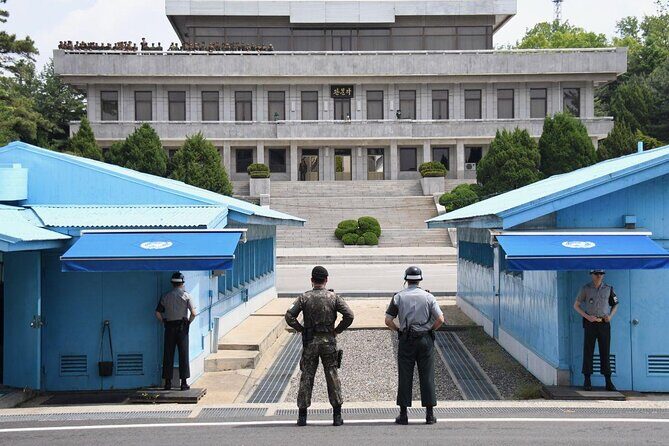
- Checkpoint timing built in: your itinerary includes passport checking at the bridge area.
- Third Tunnel visit window: plan for a documentary film and meaningful time underground.
- Dora Observatory viewing time: you get dedicated time to look out over Gaesong and see the founder-related statues.
- Tongilchon-gil ginseng stop: a quick, specific taste of village life inside restricted civilian zones.
DMZ Day Without the Headaches: What You’re Paying For
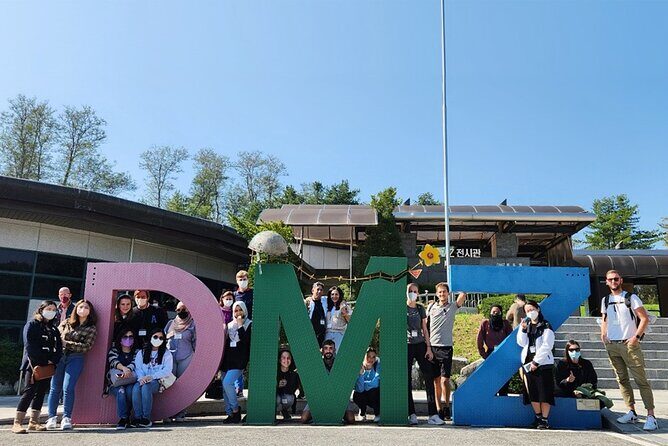
This is a private DMZ experience in Seoul that costs $261.58 per person, typically booked about a month in advance. That price is less about “luxury” and more about logistics: you’re paying to remove the most annoying parts of doing the DMZ day trip yourself.
Here’s what you’re buying into: an air-conditioned vehicle, a professional DMZ guide, and admission tickets bundled for the places you’ll care about most. You also get the DMZ shuttle bus connected to the tour plan and included entry for the 3rd Tunnel and Dora Observatory, plus admission for stops like the Freedom Bridge and the underground bunker.
The real value is time. From Seoul, the DMZ is about 52 km, roughly an hour each way, and the day is typically 6 to 7 hours total. If you’ve ever tried to DIY a day like this, you know how quickly the hours disappear into ticket lines and transport confusion.
You can also read our reviews of more private tours in Seoul
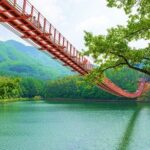


Hotel-to-Imjingak Drive: Distance, Timing, and Getting There Calm
You’ll get picked up from your Seoul hotel, and the drive heads straight toward Imjingak Park to begin the DMZ portion. The drive is about 1 hour, and it covers the distance from downtown Seoul (around 54 km is noted), so it’s not a “pop over for an hour” type of outing.
This part matters because you’re often tired or rushed when you reach the border area. With hotel pickup, you can show up ready—especially helpful if you’re traveling with kids or you just want a clean, guided start. The air-conditioned vehicle also helps on hot or cold days, and DMZ planning is usually about weather and timing more than anything else.
You’ll spend about 1 hour around Imjingak Park. That’s enough time to absorb the memorial setting and move on without feeling like the day is constantly sprinting.
Imjingak Park and the Freedom Bridge: Memorials That Set the Tone
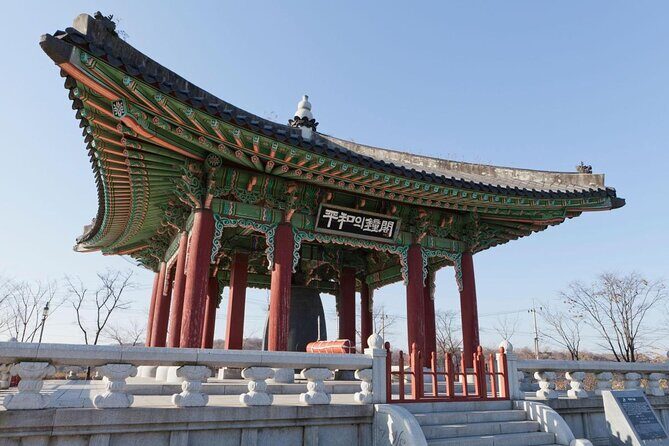
Imjingak is your first big “context stop.” It’s located along the Imjin River and ties into the wider DMZ story. This is where the tour shifts from transportation to meaning, because you start seeing landmarks built around remembrance and division.
In this stretch, you’ll typically visit the Freedom Bridge, an underground bunker, and memorial-style sites like the Monument of US Forces, Memorial Hall, and the Peace bell. The Freedom Bridge is the headline for many people, but I like how the other points around it round out the message. You’re not just taking photos—you’re walking through the idea of separation and the events that shaped it.
A practical benefit here: the day is not only “watching from afar.” You’re in an area with enough time to read, listen, and ask questions. If you want your guide’s commentary to make sense, this is a great place for it.
One caution: don’t treat Imjingak as a quick photo stop. You’ll have a planned 50-minute window for this area, and it moves faster if you skip the explanations.
Tongildaegyo Bridge North Gate: Passport Checks and Short Waiting
After Imjingak, you’ll go to the Tongildaegyo Bridge / North Gate checkpoint area. The key detail here is that you should expect passport checking, and the tour includes time for it—about 10 minutes at the bridge area, plus passport checking during that window.
This is where the DMZ stops being a normal sightseeing route and becomes a border process. Even with a guide and included admissions, you’ll want to keep your documents easy to reach and ready to show.
The good news: the tour plan builds this into the schedule. You’re not guessing how long checks will take, and your guide can keep everyone moving while you wait. It also helps that this is still early enough in the day that you’re not exhausted yet.
Third Tunnel: The Film, the Walk, and Why Timing Helps
The Third Tunnel is one of the most intense stops in the entire DMZ circuit. Your time here is long enough to feel like an experience, not a drive-by: plan for about 1 hour 25 minutes, including around 70 minutes at the tunnel.
After passports are checked, you’ll head to the tunnel area. One included element is a documentary film, which helps you understand what you’re about to see. Then you’ll have time to explore the tunnel.
This stop rewards patience. Underground areas naturally slow you down—people need time, and the format isn’t built for “quick viewing.” If you’re the type who likes to read and understand, this timing works in your favor.
The practical downside is simple: if you’re sensitive to crowds or cramped spaces, this is the part of the day most likely to feel physically demanding. Comfortable shoes matter, and you’ll want to be ready to move at a slower pace.
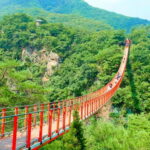


Dora Observatory: Gaesong Views and the Statues You’ll Remember
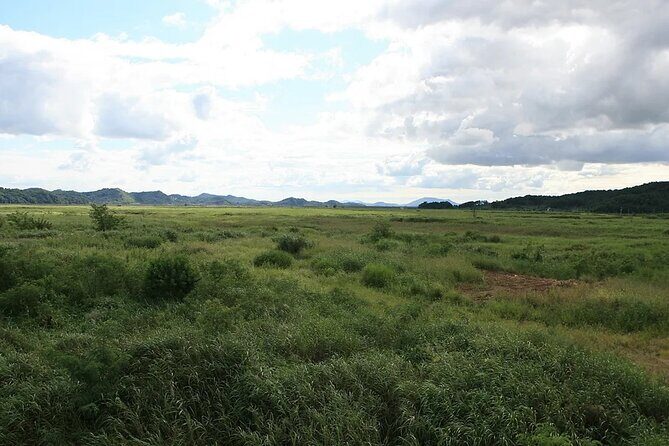
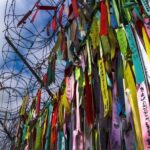
Next is Dora Observatory, with about 40 minutes total allotted time and around 30 minutes to stay at the observatory. This is where you get the big “looking across” moment that most people imagine when they think of the DMZ.
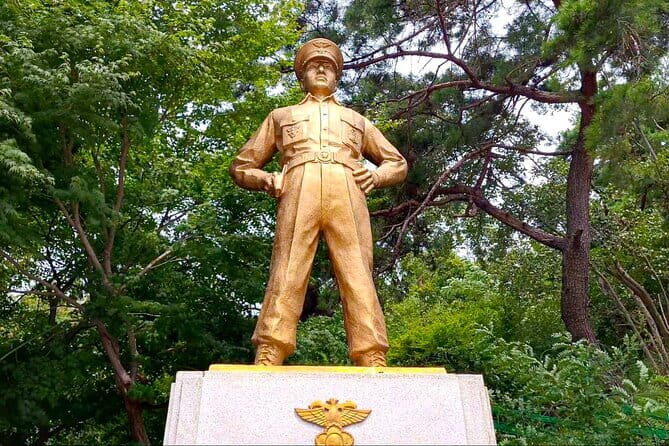
From here, you can observe the North Korean city Gaesong, and you’ll also see statues connected to the founder of North Korea and his son. The key value of your guided stop is that the observatory isn’t just a scenic platform—it’s a place where the guide can connect what you’re seeing to the larger DMZ story.
Because this is a short-but-focused window, it’s a good time to bring your best questions. If you want to ask about what certain views or structures mean, this observatory time is the moment to do it.
If the weather is clear, the observatory experience is much more satisfying. Your tour also notes that the DMZ experience requires good weather, and if poor weather forces a change, you’ll be offered another date or a full refund.
Tongilchon-gil Village: Inside Restricted Civilian Space (and a Ginseng Detail)
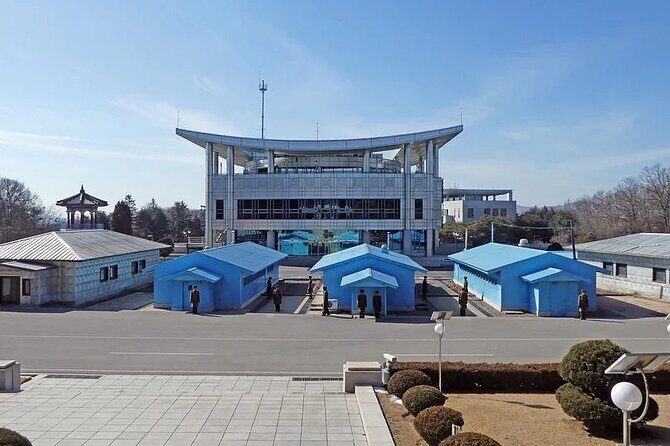
After the observatory, you’ll stop at Tongilchon-gil, with about 25 minutes total and around 15 minutes staying in the village area. This is an offbeat, specific stop that adds variety to the “military geography” theme.
Tongilchon is described as a residential area within a civilian off-limits zone, and the tour notes that around 500 South Korean farmers cultivate ginseng there. That detail is a reminder that the DMZ isn’t only tanks and tunnels; it’s also human life shaped by restriction.
This part of the day is usually shorter than the major stops, so you’ll want to listen carefully rather than plan to wander. If you like the texture of how people adapt, this is a small stop with an outsized payoff.
How Private Really Works Here: Group Limits and Real Checkpoints
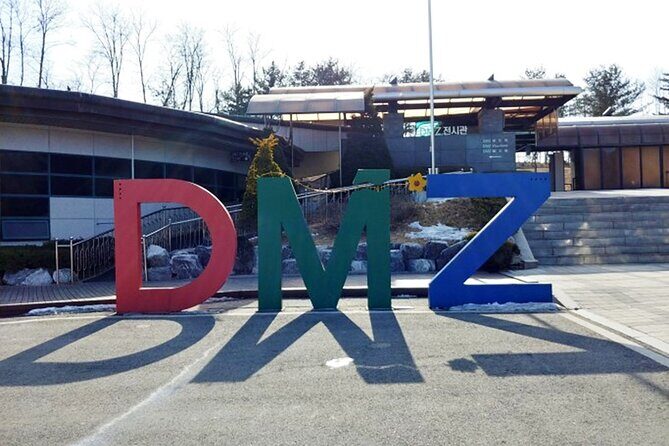
The tour is set up as private—only your group participates. That’s the promise. And in practice, it’s true that you’re not doing the DMZ with random people while your guide tries to translate for a dozen different needs.
Still, the DMZ is run with checkpoints and shuttle logistics, and those systems can create moments where everyone moves together. So even when the group is private, your pacing may tighten around passport checks and transport connections.
I think the best way to judge this is simple: you’re booking private for convenience and guidance, not for turning the DMZ into a custom walking tour with zero structure. With the admissions and key stops included, most people find the structure helpful rather than limiting.
Also, the tour experience is guided by a professional DMZ guide, and the route has been led by English-speaking guides such as Wendy, Jun, Lily, and Cindy. If English commentary is important to you, this is one of the strengths of the format.
Lunch and Breaks: Plan Your Own Meal Time
Lunch is not included. The tour lists lunch at 15,000 KRW per person. That means you’ll likely need to grab something organized through the tour flow, or you’ll plan to purchase food as directed on the day.
Because the day runs about 6 to 7 hours, I’d treat this as a schedule you plan around. Carry water if you can, and consider a light snack before you leave Seoul so you’re not hungry during the early DMZ transitions.
The good part: you won’t be stuck searching for lunch places miles from Seoul while your time window slips away. The structure of the day keeps you moving toward the next planned stop.
Who This DMits Best: The Travelers Who’ll Love It
This tour tends to fit well if you want a day trip that feels focused and guided, not improvisational. It’s a strong match for:
- Families who want one plan, one guide, and less stress with transport and tickets
- First-timers to Seoul who want the DMZ day without doing research and ticket hunting
- Travelers who prefer commentary while seeing each landmark, especially during the tunnel and observatory portions
- People who want hotel pickup and drop-off so they can start and end without navigating public transit
If you’re the type who loves independent travel and you already have DMZ day logistics down, you might consider DIY options. But if you’re trying to protect your time and keep your day coherent, this private setup is built for that.
Should You Book This DMZ Private Tour from Seoul?
I’d book it if your top priorities are convenience, included admissions, and a guided route through the major DMZ sights. The price makes more sense when you factor in hotel transfers, a guide through the day, and entry included for places that are usually the hardest to organize quickly.
Book it sooner if you can. The tour is often booked about 31 days in advance, and DMZ visits can be weather-dependent. If you’re traveling during a period with uncertain forecasts, you’ll feel better having your date locked in.
Don’t book it expecting total freedom at every checkpoint moment. Even with a private group, the DMZ has structured controls that shape pacing. If that’s okay with you, you’ll likely come away feeling you got the most important stops without the friction.
FAQ
How long is the DMZ tour?
The total duration is about 6 to 7 hours.
Does the tour include hotel pickup and drop-off?
Yes. Hotel pick up and drop off in Seoul are included.
Is admission included for the DMZ stops?
Yes. Admission tickets are included for stops such as the 3rd tunnel and Dora observatory, along with the Freedom bridge and underground bunker.
Will I need my passport?
Yes. There is passport checking at the Tongildaegyo Bridge North Gate checkpoint.
Is lunch included?
No. Lunch is listed as 15,000 KRW per person.
What if weather is bad?
The experience requires good weather. If it’s canceled due to poor weather, you’ll be offered a different date or a full refund.
If you’d like, tell me your travel month and whether you want more time at any specific stop, and I can suggest how to plan your day around cold mornings, tunnel time, and observatory viewing.