REVIEW · SEOUL
Seoul: Korean Kimchi Cooking Class in the Heart of the City
Book on GetYourGuide →Operated by Secret Food Tours · Bookable on GetYourGuide
Kimchi-making is the fastest Seoul skill. This 2-hour cooking class teaches you how fermentation drives flavor, then walks you through making three kimchi-based dishes near Gyeongbokgung Palace without feeling rushed. I love that the chef focuses on both technique and taste—how to balance bold and subtle flavors—and you also get practical guidance on pairing kimchi with the rest of a Korean meal. I also like the small-group setup, capped at 8 people, which keeps things friendly whether you cook often or barely boil water.
One thing to plan for: this is not a casual “watch and snack” experience. You’ll be standing and working at a kitchen station, and the provider notes they’re unable to accommodate wheelchair users or guests needing special assistance.
In This Review
- Key highlights worth knowing before you go
- Why this kimchi class feels practical (not just fun)
- Finding the place near Gyeongbokgung (and not getting lost)
- What happens when you arrive: chef-led prep and hands-on flow
- Dish 1: Kimchi-buchimgae (cabbage kimchi pancake)
- Dish 2: Kkakdugi radish kimchi and a stir-fried rice dish with egg
- Dish 3: Baek-kimchi (white kimchi) with noodles in delicate broth
- The rest of your Korean dinner: stir-fry sides, tastings, and that secret dish
- Drinks, age rules, and what you’ll be offered
- Who this class suits best (and who should skip it)
- Price and value: is $86 worth it for 2 hours?
- Quick booking tips so you get the best results
- Should you book this Seoul kimchi cooking class?
- FAQ
- Where is the meeting point for the class?
- How long is the cooking class?
- What dishes will I learn to make?
- Is there a secret dish included?
- Do I need to contact the team about dietary requirements?
- Is pickup or dropoff included?
- Is it wheelchair accessible?
Key highlights worth knowing before you go
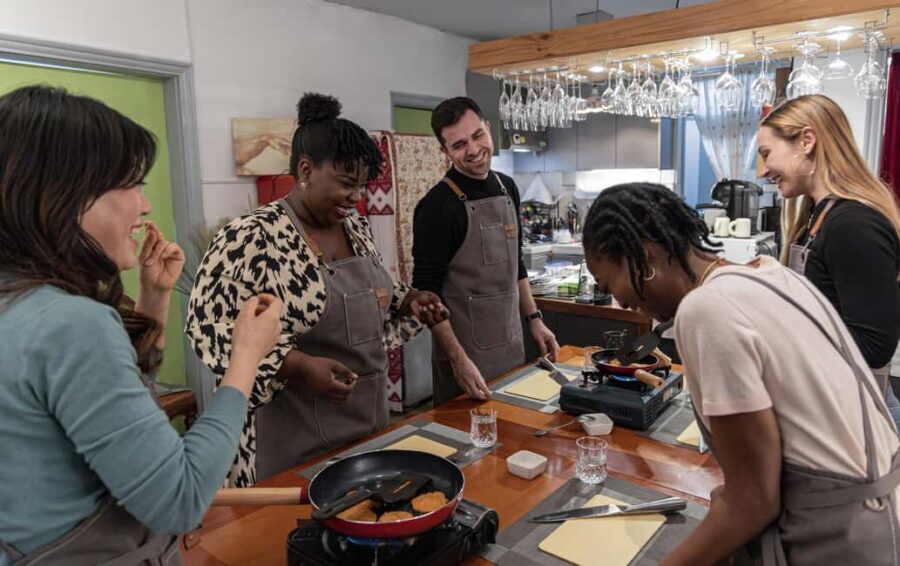
- 3 kimchi dishes with hands-on cooking: Kimchi-buchimgae, Kkakdugi-based radish kimchi stir-fry with egg, and Baek-kimchi with noodles.
- Fermentation know-how: you learn what changes during fermentation and how that affects flavor.
- A secret dish is always included, so you’ll get an extra surprise beyond the main menu.
- Close to Gyeongbokgung Palace, but the meeting place is at a specific address on a side street (not a huge plaza).
- Tastings round out the meal, including cheeses, eggplant parmigiana, and lemon amaretti cookies.
- English instruction in a small group, so questions don’t get lost in the room.
Why this kimchi class feels practical (not just fun)
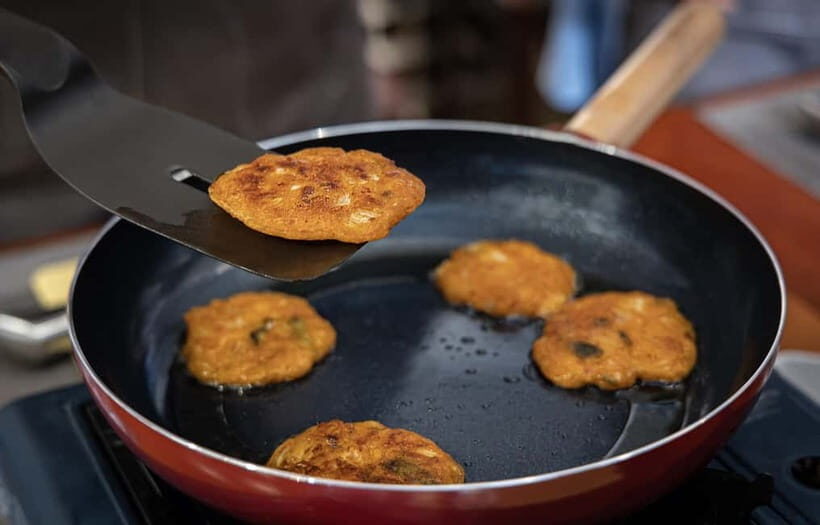
If you’ve ever tried to make kimchi at home and wondered why it tastes different every time, this is the kind of class that explains the “why.” The focus isn’t only on chopping and cooking. You also get a clear path for understanding fermentation—how time and ingredients shift texture and flavor—so you can adjust instead of guessing.
You’re also learning real meal-building, not just one dish. You’ll see how kimchi fits into a broader Korean dinner: pancakes, rice stir-fries, and a cold-and-light white kimchi bowl. That matters because kimchi isn’t only a side dish. In Korea, it’s part of how the whole table balances sour, salty, savory, and (in the case of white kimchi) gentle and refreshing flavors.
At $86 per person for 2 hours with a small group, the value comes from the mix of hands-on instruction plus multiple prepared dishes and included drinks. You’re not just paying for a meal—you’re paying for technique you can repeat.
You can also read our reviews of more city tours in Seoul

Finding the place near Gyeongbokgung (and not getting lost)
The class location is near Gyeongbokgung Palace, but the meeting point is specific: Third floor, 36 Jahamun-ro 7-gil, Jongno District, Seoul. From a navigation standpoint, that’s good news because you have a pinpoint address rather than a vague landmark—just don’t expect it to be visible from street level.
Here’s the walk-through direction detail you’ll want:
- From Exit 2 of Gyeongbokgung Station, walk straight about 200 meters until you see Woori Bank.
- Turn left, pass the bar Cham.
- Go to the destination on the 3rd floor of the building with Cuisine La Cle on the 1st floor.
Practical tip: show up a little early and take a quick look at the building floors. Finding the third-floor entrance is usually what costs time, not the walk.
What happens when you arrive: chef-led prep and hands-on flow
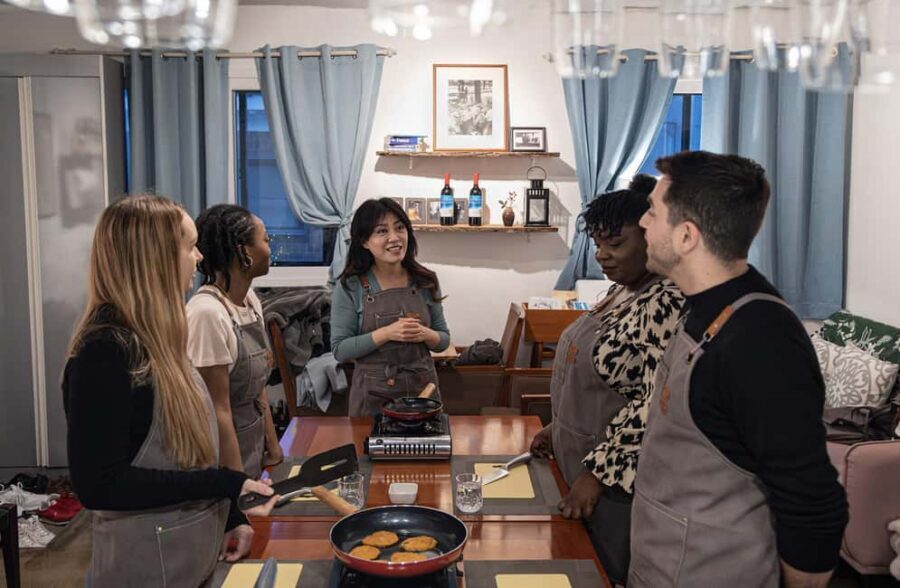
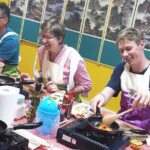
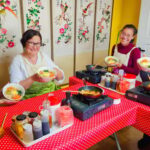
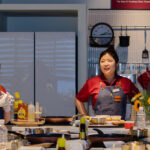
You’ll meet the chef at the designated spot, wash your hands, and get started. The rhythm matters here: the class is designed so you’re doing the work alongside instruction, not watching for most of the time.
You’ll also learn how to source ingredients. That’s a big deal for anyone trying this back home, because kimchi isn’t only about the recipe—it’s about what goes into it. You’ll get local ingredient pointers on how to find the same kinds of components in your own city, which is exactly what turns a “nice trip memory” into something you can cook later.
And yes, there’s always extra food. Along with the structured dishes, the experience includes a secret dish. I like this format because it keeps the meal feeling like a full Korean food lesson, not just three take-home recipes.
Dish 1: Kimchi-buchimgae (cabbage kimchi pancake)
This is the dish most people recognize as Korean comfort food. It’s also one of the best “gateway” recipes because it’s more forgiving than you’d think, yet still shows how fermented flavor works.
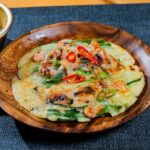
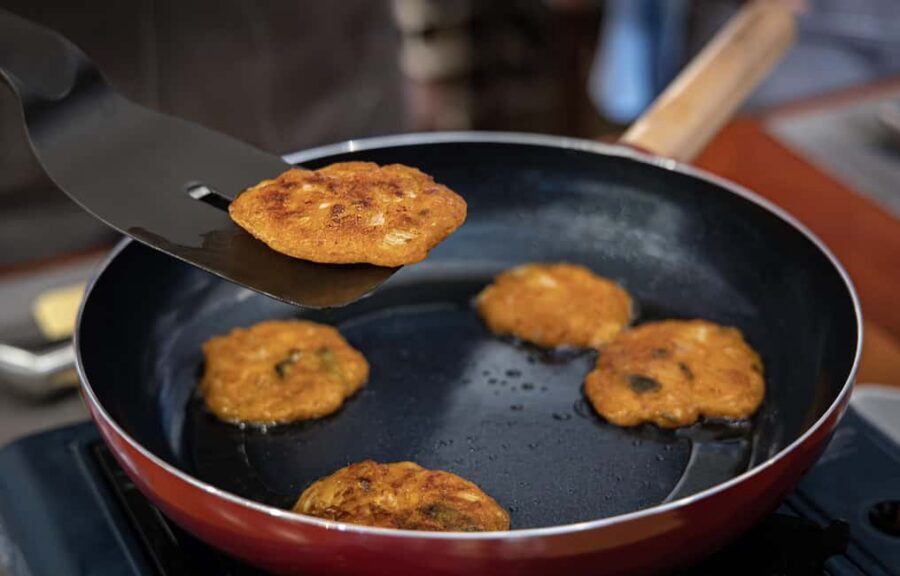
You’ll make the Cabbage Kimchi Pancake (Kimchi-buchimgae), a crispy, savory pancake packed with the umami punch of fermented cabbage kimchi. In class, the key learning is how kimchi moisture and seasoning behave when cooked. You’ll see why fermentation changes the taste from bright to deeper and rounder, and you’ll get a feel for balancing that with pancake structure.
Why I think you’ll enjoy it: pancake is where most people accidentally overcomplicate things at home. A guided run-through gives you the texture target, and once you nail it here, you’ll have a much clearer sense of what to aim for later.
Dish 2: Kkakdugi radish kimchi and a stir-fried rice dish with egg
Here’s where the class turns from simple to genuinely educational.
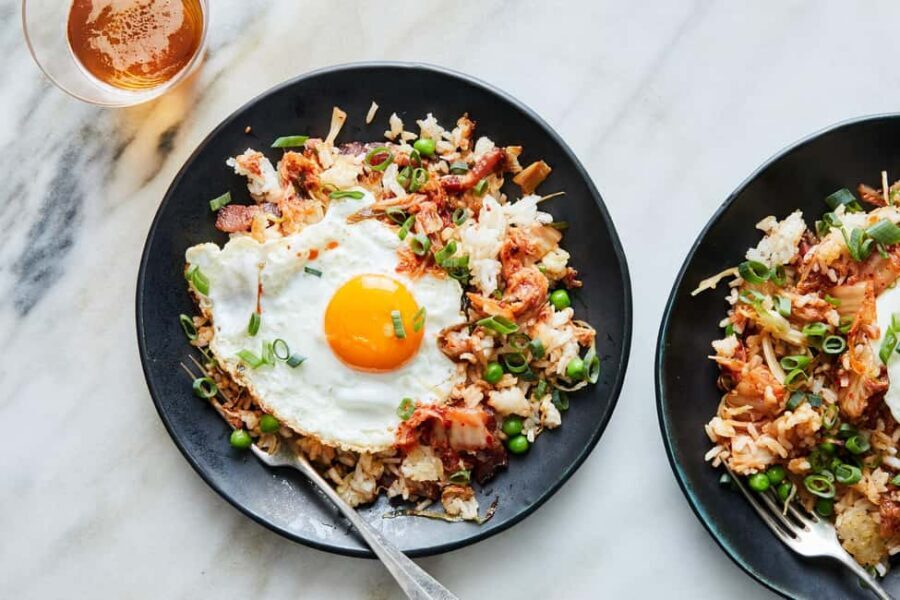
You’ll master radish kimchi (Kkakdugi)—the crunchy, vibrant-style radish preparation—and then use it to create a hearty stir-fried rice dish with bacon. The top is finished with a golden, perfectly cooked egg.
Even though this sounds like two things, the learning connection is fermentation and flavor transfer:
- Kkakdugi brings crunch and tang.
- Fermented kimchi flavor blends into warm starch and fat.
- The egg adds richness to round out the bite.
That pairing lesson is the part that helps back home. Instead of thinking, I need separate recipes for everything, you learn how fermented flavors can power an entire meal.
One practical consideration: you’ll be moving from prep into cooking fairly quickly. If you’re a total beginner, don’t stress. The class is designed to work for different levels, and the small-group format helps the chef keep an eye on you.
You can also read our reviews of more cooking classes in Seoul
Dish 3: Baek-kimchi (white kimchi) with noodles in delicate broth
This is the refreshing counterpoint that makes the menu feel balanced. White kimchi (Baek-kimchi) is a non-spicy variation, served with a delicate broth and noodles.
The point isn’t only taste. This dish teaches you something important: kimchi isn’t one flavor profile. In many Korean meals, different kimchi styles exist for different moods—some bring heat and bold sourness, while others keep things lighter and more gentle.
If you’re someone who gets nervous about spice, Baek-kimchi is a relief—and it gives you a clean “tasting benchmark” to understand the fermentation flavor without the burn.
The rest of your Korean dinner: stir-fry sides, tastings, and that secret dish
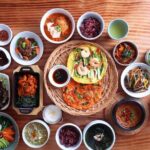
Beyond the three main dishes, you’ll also enjoy classic Korean dinner components. The included menu notes a classic stir-fry with seasonal vegetables, which helps round out the meal so you taste more than just one style of kimchi cooking.
And then there are the tastings listed in the experience highlights: you’ll sample cheeses, eggplant parmigiana, and lemon amaretti cookies. I see this as part of the lesson too. Korean food culture often mixes familiar comfort foods with its own fermented flavors and cooking textures, so these extras help broaden what you associate with the meal.
Plus, there’s always a Secret Dish. That’s a fun add-on, but it also keeps the class from feeling too scripted. It’s the kind of detail that makes a cooking class feel like an actual event rather than a worksheet.
Drinks, age rules, and what you’ll be offered
During the class, you’ll enjoy makgeolli—Korean rice wine. The experience also mentions an alcohol-free drink option.
Important: the minimum age for drinking alcohol is 18 years old. If you’re under 18, you’ll want to plan on the alcohol-free alternative (and it’s smart to tell the team about it ahead of time).
Who this class suits best (and who should skip it)
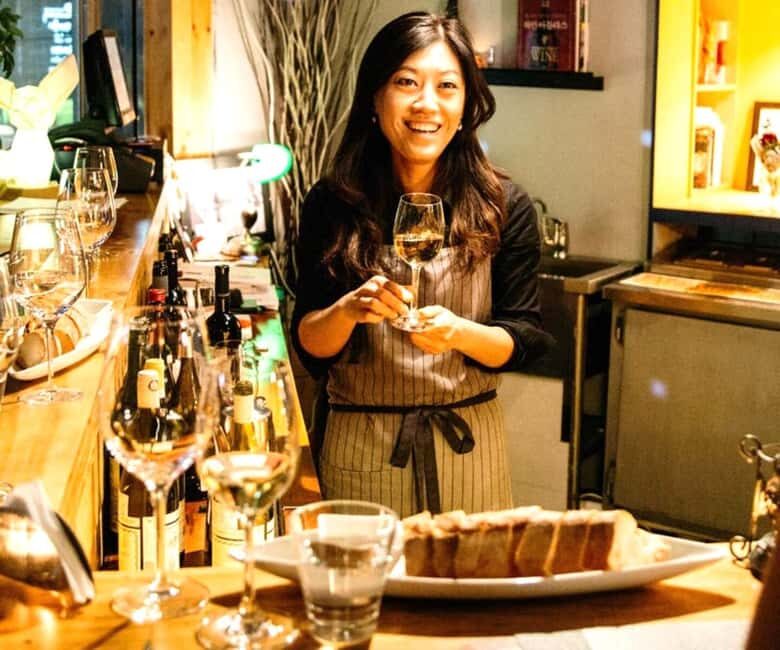
This Seoul kimchi cooking class works especially well if you want:
- A hands-on way to learn kimchi-based cooking, not a passive tour.
- A focused menu you can realistically reproduce later.
- English instruction and a small group where you can ask questions.
It also suits “all levels” types of learners—if you’re comfortable in the kitchen, you’ll move faster. If you’re not, you’ll still get enough structure to follow along and finish meals you recognize.
Skip it if you:
- Need wheelchair support or special assistance. The provider states they’re unable to accommodate wheelchairs or impairments requiring special assistance.
Price and value: is $86 worth it for 2 hours?
At $86 per person for 2 hours, you’re paying for several things that add up quickly:
- A small group size (maximum 8).
- A chef-led English experience focused on technique and flavor balancing.
- Multiple included items: three kimchi-based dishes, plus makgeolli (or alcohol-free), water, and a secret dish.
- Extra tastings like cheeses, eggplant parmigiana, and lemon amaretti cookies.
If you only cared about eating, you could probably find a Korean meal elsewhere. But if your goal is to leave with repeatable kitchen skills—especially around fermentation and how kimchi behaves in different dishes—this is one of the more focused “skill-for-your-trip” experiences around.
Quick booking tips so you get the best results
- Email or message with dietary needs in advance. The experience explicitly asks you to contact them ahead of time for dietary requirements so they can cater effectively.
- Plan to arrive near the start time; third-floor access and street turns can take a minute.
- Wear comfortable shoes. Even a short cooking session means standing, mixing, and moving between stations.
Also: there’s no pickup or dropoff service, so rely on your own transit plans.
Should you book this Seoul kimchi cooking class?
I’d book it if you want a small, chef-led Seoul food experience that’s actually useful. The combination of fermentation lessons, three distinct kimchi dishes (including the non-spicy Baek-kimchi), and the added secret dish makes it feel like a complete mini Korean cooking course in just 2 hours.
I wouldn’t book it if you need wheelchair access or special assistance, or if you’re looking for a very quiet, seated-only experience.
If your main goal is: I want to learn what makes kimchi work and how to turn it into a full meal, this class hits that goal cleanly.
FAQ
Where is the meeting point for the class?
You meet at the Third floor, 36 Jahamun-ro 7-gil, Jongno District, Seoul.
How long is the cooking class?
The duration is 2 hours.
What dishes will I learn to make?
You’ll prepare three kimchi-based dishes: Kimchi-buchimgae (cabbage kimchi pancake), a Kkakdugi radish kimchi-based stir-fried rice dish with bacon topped with an egg, and Baek-kimchi (white kimchi) served with broth and noodles.
Is there a secret dish included?
Yes. The experience states that there is always a Secret Dish included.
Do I need to contact the team about dietary requirements?
Yes. You’re asked to contact them in advance of the experience for any dietary requirement so they can cater best.
Is pickup or dropoff included?
No. Pickup or dropoff service is not included.
Is it wheelchair accessible?
The activity includes wheelchair accessibility, but the additional information also says they are unable to accommodate guests with wheelchairs or impairments requiring special assistance.